Source Candle Making Filling Machine for Wax, Ceremonial, and Decorative Uses
Find 30 candle making filling machines with varying capacities and models like GYV-7000 and SRLZJ2-1. Compare specifications including capacity, material, and certifications to select the right equipment for your production needs.
Key considerations
Products List


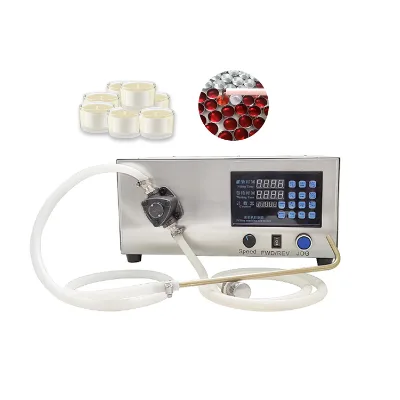
Easy Operation Automatic Candle Making Machine / Candle Making Machine Price
$1359.00 - $1769.00
MOQ: 1 set


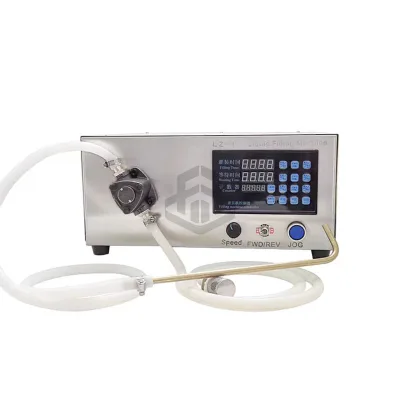


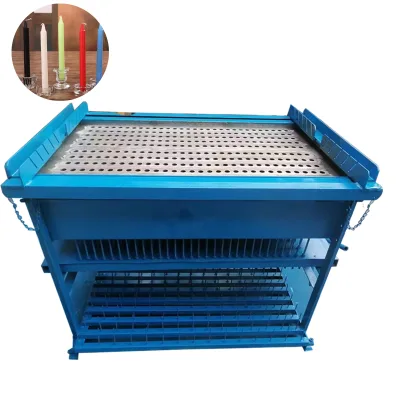
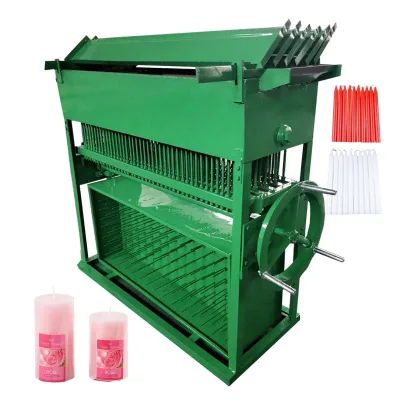
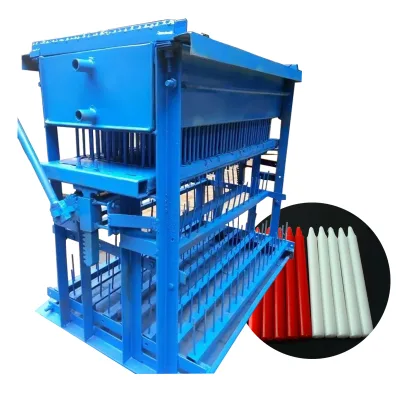

Comprehensive Sourcing Guide
Strategic Sourcing Guide for Candle Making Filling Machines
Understanding Machine Variability and Core Specifications
When sourcing a Candle Making Filling Machine, buyers must first recognize that the market offers a diverse array of equipment rather than a single standardized unit. The core keyword "Candle Making Filling Machine" encompasses everything from manual wax dispensers to fully automated production lines. Based on current market observations, the equipment landscape includes models such as the GYV-7000, GYV-8000, SR-LZJ, SRLZJ2-1, and HT-BL960A. These models vary significantly in their operational capacity, physical dimensions, and intended production methods.
A critical first step in the evaluation process is analyzing the production capacity. The observed data indicates a wide spectrum of throughput capabilities. Some units are rated for high-volume continuous production, with capacities reaching 5,000 pieces per hour. In contrast, other specialized units, particularly those utilizing pressure casting or lost wax techniques, may operate on a batch basis, with capacities as low as 70 pieces per single cycle or 960 pieces per batch. Buyers must align their expected output volume with the machine's specific capacity rating to avoid bottlenecks or underutilization.
Physical specifications are equally vital for facility planning. The footprint of these machines varies considerably. For instance, certain models have dimensions recorded as 1400mm by 350mm by 900mm, while others may be listed with a standard of 1450mm by 500mm by 1100mm. Smaller units might be as compact as 500mm by 380mm by 440mm. The weight of the machinery also fluctuates, with observed values ranging from 70kg to 190kg. These physical constraints directly impact floor space requirements, shipping logistics, and the structural load-bearing needs of the manufacturing facility.
Furthermore, the technical process employed by the machine dictates its suitability for specific candle types. The market includes machines designed for pressure crystallization and pressure casting, which are often associated with the lost wax casting process. These are distinct from standard filling machines used for paraffin or soy wax pouring. The available candle size specifications also vary; some units are optimized for candles with a diameter of 12mm and a height of 18cm, while others accommodate sizes such as 2.2cm by 22cm. Understanding these technical nuances ensures that the selected equipment can handle the specific product portfolio the buyer intends to manufacture.
Compliance, Certification, and Regulatory Standards
Navigating the regulatory landscape is a fundamental aspect of sourcing industrial machinery. For candle making equipment, compliance with international safety and quality standards is often a prerequisite for export and domestic operation. The observed market data highlights specific certifications that buyers should verify during the supplier selection process. The CE mark is a frequently cited certification, indicating conformity with health, safety, and environmental protection standards for products sold within the European Economic Area. Additionally, ISO certification is mentioned in the product attributes, suggesting adherence to international management system standards.
However, buyers must exercise caution when interpreting these certifications. While the presence of "CE" and "ISO" in product listings is a positive indicator, it is essential to verify the validity of these certificates for the specific model being purchased. The distinction between general company certifications and model-specific compliance is crucial. For example, while some listings mention ISO9001 as a background standard, the actual product data points to specific certifications like CE and ISO without always detailing the specific ISO standard number for the machine itself.
Beyond certifications, buyers should scrutinize the material standards and surface preparation methods used in the machine's construction. The observed data indicates that high-quality units often utilize stainless steel for critical components, which is essential for food-grade or cosmetic-grade candle production to prevent contamination. Surface preparation methods, such as galvanization, are also noted, which can enhance the machine's resistance to corrosion and wax residue buildup. These material choices directly influence the longevity and hygiene of the production line.
The origin of the machinery is another factor in compliance. The majority of the observed products originate from China, with specific mentions of Shanghai and Henan as production hubs. While these regions have robust manufacturing ecosystems, buyers should ensure that the supplier can provide all necessary documentation, including the CE certificate and ISO compliance reports, directly from the manufacturer. This documentation is often required for customs clearance and for meeting local safety regulations in the buyer's country.
Cost Drivers and Pricing Structure Analysis
The financial aspect of sourcing a Candle Making Filling Machine involves more than just the unit price. The observed price range for these machines spans from approximately $435 to $13,000 USD. This significant variance is driven by several key factors, including the level of automation, production capacity, material quality, and the complexity of the manufacturing process.
Lower-priced units in the $435 range typically correspond to smaller, less automated, or manual-assist models. These machines often have lower capacity ratings, such as 50kg per hour or batch-based operations like 70 pieces per cycle. They may also feature simpler construction materials or fewer advanced features. Conversely, machines priced closer to the $13,000 mark are likely high-capacity, fully automated systems capable of producing 5,000 pieces per hour. These units often include advanced control systems, robust stainless steel construction, and comprehensive safety features.
The Minimum Order Quantity (MOQ) is another critical cost driver. The observed MOQ range is quite narrow, typically between 1 and 2 units. This suggests that most suppliers are willing to sell single units, which is beneficial for small businesses or pilot production runs. However, buyers should be aware that ordering a single unit might result in a higher per-unit cost compared to bulk orders, even if the MOQ is low.
Shipping and packaging costs also contribute to the total cost of ownership. The product attributes indicate various packing methods, ranging from "Candle Making Machine Packing Machine" to "Standard Export Wooden Box" and "Fumigation-Free Wooden Box Packaging." Wooden packaging is standard for heavy machinery to prevent damage during transit, but it adds weight and volume to the shipment, increasing freight costs. Buyers should factor in the cost of fumigation-free packaging, which is often required for international shipping to avoid pest control issues, as a potential additional expense.
Typical Applications and Production Scenarios
The application of candle making filling machines is highly dependent on the type of candle being produced and the scale of the operation. The market data reveals that these machines are primarily designed for the candle industry, with specific applications ranging from standard wax candles to specialized items produced via lost wax casting.
For manufacturers producing standard paraffin or soy wax candles, machines with high hourly capacities, such as the 5,000 pieces per hour models, are ideal. These units are suited for large-scale production facilities that require consistent output and minimal manual intervention. The multifunctional nature of some models allows them to handle various candle sizes and shapes, making them versatile for factories that produce a diverse product line.
On the other hand, the lost wax casting process represents a specialized application. Machines designed for this method, such as those utilizing pressure casting or pressure crystallization, are used to create intricate designs that cannot be achieved through simple pouring. These machines often have lower batch capacities, such as 960 pieces per batch or 70 pieces per cycle, but they offer precision and detail that high-speed filling machines cannot match. This makes them suitable for artisans or small-to-medium enterprises producing high-value, decorative candles.
The type of handle and the specific candle dimensions also dictate the machine's application. Some units are designed for candles with handles, while others are optimized for specific dimensions like 2.2cm by 22cm or 12mm diameter by 18cm height. Buyers must ensure that the machine's specifications align with their product design requirements to avoid the need for costly modifications or the production of substandard goods.
Supplier Evaluation and Verification Protocols
Selecting the right supplier is as important as selecting the right machine. Given the global nature of the candle making machine market, with major production hubs in Shanghai and Henan, China, buyers must implement rigorous verification protocols. The first step is to validate the supplier's identity and manufacturing capabilities. While specific supplier names should not be recommended, buyers should look for evidence of a direct manufacturing relationship rather than a trading company, as this often ensures better technical support and pricing.
Verification of the product attributes listed in the catalog is essential. Buyers should request detailed specifications for the specific model they are interested in, such as the GYV-7000 or HT-BL960A, and cross-reference these with the physical machine. Key attributes to verify include the warranty period, which is observed to range from 1 to 2 years, and the condition of the machine, which is typically listed as "New."
The customization capabilities of the supplier are another critical evaluation point. The observed data indicates that customization is available for many models. Buyers should assess the supplier's ability to modify the machine to meet specific production needs, such as adjusting the candle size or integrating specific control systems. The ability to customize the packing, such as using fumigation-free wooden boxes, is also a valuable service that can simplify the import process.
Quality control during the manufacturing process should also be evaluated. Buyers should inquire about the supplier's quality assurance procedures, including testing of the machine's capacity, safety features, and material integrity. The use of stainless steel and galvanization in the construction should be confirmed through visual inspection or third-party reports. Additionally, the supplier's track record in delivering machines that meet the stated standards, such as the 1400350900mm dimensions or the 500380440mm standards, should be verified through customer references or case studies.
Quality Control and Long-Term Procurement Considerations
Ensuring the long-term reliability of a Candle Making Filling Machine requires a proactive approach to quality control and maintenance planning. The warranty period is a primary indicator of the manufacturer's confidence in their product. With observed warranties ranging from 1 to 2 years, buyers should carefully review the terms of the warranty to understand what is covered, including parts, labor, and on-site support. A longer warranty period often correlates with higher build quality and better after-sales service.
Maintenance and spare parts availability are critical for minimizing downtime. Buyers should verify that the supplier offers a steady supply of spare parts, particularly for high-wear components like nozzles, pumps, and heating elements. The complexity of the machine, such as the multifunctional capabilities of the GYV-8000 or the specific casting methods of the SRLZJ2-1, may require specialized maintenance procedures. Buyers should ensure that the supplier provides comprehensive training and technical documentation to facilitate these maintenance tasks.
The condition of the machine upon arrival is another quality control checkpoint. The product attributes consistently list the condition as "New," but buyers should inspect the machine immediately upon delivery for any signs of damage or defects. This includes checking the structural integrity of the wooden packaging and the physical condition of the machine's exterior and internal components. Any discrepancies should be reported immediately to the supplier to initiate a warranty claim or replacement process.
Finally, long-term procurement considerations include the scalability of the machine. As the business grows, the buyer may need to increase production capacity. The modular nature of some machines, or the ability to customize them, can facilitate this growth. Buyers should also consider the energy efficiency of the machine, as this will impact long-term operating costs. While specific energy consumption figures are not provided in the observed data, buyers should request this information from the supplier to make an informed decision. By focusing on these quality control and long-term factors, buyers can ensure a successful and sustainable investment in candle making filling machinery.
FAQs
What certifications do candle making filling machines typically have?
Most machines feature CE certification, and some also include ISO certification. Buyers should verify these certificates for the specific model to ensure compliance with safety and quality standards before purchase.
How much does a Candle Making Filling Machine cost?
Prices range from 435 to 13000 USD depending on automation and capacity. Lower costs usually correspond to smaller units, while higher prices reflect high-volume automated systems capable of 5000 pieces per hour.
Which models are available for high-capacity production?
Models like GYV-7000 and GYV-8000 offer capacities up to 5000 pieces per hour. These units are designed for large-scale operations requiring continuous output rather than batch-based processing.
Can buyers customize the Candle Making Filling Machine?
Yes, customization is available for many models to meet specific production needs. Suppliers can often adjust dimensions or integrate features, though standard export wooden packaging is typically included.
What is the warranty period for these machines?
Warranty periods typically range from 1 to 2 years depending on the specific model. Buyers should confirm the exact duration for their selected unit to ensure adequate post-purchase support coverage.
Where are these machines manufactured?
Most units originate from China, specifically from hubs like Shanghai and Henan. Buyers should verify the specific origin to ensure compliance with import regulations and shipping requirements.