Source Canvas Lining Ladies Crossbody Bag for Travel, Work, and Daily Use
Explore 30 options for a Canvas Lining Ladies Crossbody Bag, featuring PU and Oxford materials with waterproof or standard finishes. Compare sizes, hardness levels, and customization availability to find the ideal accessory for your inventory needs; compare the available evidence and request quotations based on your requirements.
Key considerations
Products List


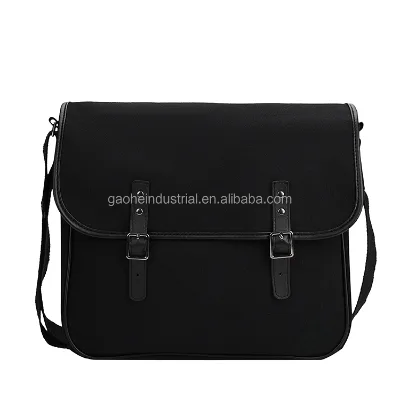


Large Capacity Canvas Shoulder Bag Fashion Casual Crossbody Shopping Bag
$0.59 - $1.29
MOQ: 100 Pieces


Comprehensive Sourcing Guide
Canvas Lining Ladies Crossbody Bag Sourcing Guide
Sourcing a Canvas Lining Ladies Crossbody Bag requires balancing aesthetic appeal with functional durability, as these items serve as essential accessories for daily urban use. Buyers must recognize that the market offers a wide spectrum of designs, ranging from minimalist leisure styles to more structured, fashion-forward pieces. The core appeal lies in the versatility of the canvas material, which provides a sturdy yet flexible base that pairs well with various linings and hardware. Understanding the specific needs of the target demographic is crucial, as female consumers often prioritize both style and practicality in their accessory choices.
Procurement teams should focus on identifying suppliers who specialize in mixed-material constructions, as many successful crossbody bags combine canvas exteriors with synthetic or fabric linings. This guide outlines the critical verification steps needed to ensure product quality and supplier reliability. By examining technical specifications, compliance requirements, and commercial terms, buyers can mitigate risks associated with overseas manufacturing. The following sections provide a structured approach to evaluating potential suppliers and products, ensuring that the final selection meets both brand standards and customer expectations.
Product Scope and Observed Listing Signals
The observed market signals indicate a diverse range of bag types, including canvas totes, crossbody bags, and shoulder bags, with materials varying from PU leather to signature coated canvas. Listings show that waterproofing capabilities are not uniform, with some products explicitly marked as waterproof while others are non-waterproof, requiring careful verification of material treatments. Color options are limited in the observed data, with white and black being the primary choices, suggesting that buyers should confirm if custom color matching is available for larger orders. These variations highlight the importance of specifying exact material compositions and finish types during the initial inquiry phase.
MOQs and pricing structures also vary significantly, with observed MOQs ranging from 1 to 1000 pieces and prices spanning a wide USD range. This disparity suggests that suppliers cater to both small-batch customizers and large-volume retailers, necessitating clear communication about order quantities and customization needs. Some listings indicate that logo printing is available, while others specify no logo printing, which impacts branding strategies and production timelines. Buyers must align their order volume with supplier capabilities, ensuring that the chosen partner can meet their specific quantity requirements without compromising on quality or delivery schedules.
Technical Specifications to Verify
Technical verification begins with confirming the exact dimensions and capacity of the bag, as observed standards include sizes like 21714 cm and 29.58.513.5 cm. Buyers should request detailed technical drawings or physical samples to verify that the internal canvas lining is securely attached and does not fray after repeated use. The hardness of the bag is another critical factor, with options ranging from soft to partial hard, which affects the bag’s structural integrity and ability to maintain its shape. Ensuring that the lining material, often polyester or similar synthetics, is compatible with the outer canvas is essential for long-term durability and user comfort.
Packaging specifications are equally important, as observed packing methods include carton packaging and individual OPP bags, which impact shipping costs and product protection. Buyers must verify the single gross weight and package dimensions to calculate accurate freight charges and warehouse storage requirements. Additionally, the presence of specific design elements, such as crocodile grain textures or horizontal square designs, should be confirmed through high-resolution images or samples. These details ensure that the final product matches the brand’s aesthetic vision and meets the functional expectations of the end consumer.
Compliance and Safety Documentation
Compliance documentation is vital for ensuring that the Canvas Lining Ladies Crossbody Bag meets international safety and environmental standards. Buyers should request certificates of conformity that verify the absence of harmful substances in both the canvas exterior and the synthetic lining materials. This is particularly important for products intended for markets with strict chemical regulations, such as the European Union or North America. Ensuring that the materials used are free from hazardous chemicals protects the brand from legal liabilities and enhances consumer trust in the product’s safety.
Additionally, buyers must verify that the supplier adheres to labor standards and ethical manufacturing practices, as this is increasingly important to modern consumers. Documentation should include proof of compliance with relevant labor laws and environmental management systems. While specific certifications were not observed in the provided data, buyers should proactively ask for evidence of such compliance. This due diligence helps mitigate reputational risks and ensures that the supply chain operates responsibly, aligning with the brand’s corporate social responsibility goals.
Cost Drivers and Commercial Terms
Cost drivers for canvas lining ladies crossbody bags include material selection, customization complexity, and order volume. The use of signature coated canvas or PU leather can significantly impact the base cost, while custom logo printing and color matching add to the production expenses. Buyers should negotiate clear pricing structures that account for these variables, ensuring that there are no hidden fees for tooling or setup. Understanding the cost breakdown helps in budgeting accurately and identifying areas where cost savings can be achieved without compromising quality.
Commercial terms such as payment methods, lead times, and shipping arrangements also play a crucial role in the procurement process. Observed lead times range from sample production within 7 days to bulk production within 30-40 days, which must be factored into the supply chain planning. Buyers should clarify the shipping options, such as EMS, DHL, or sea freight, and determine who bears the responsibility for customs clearance and duties. Establishing clear commercial terms early in the negotiation process prevents misunderstandings and ensures a smooth transaction from order placement to delivery.
Supplier Qualification and Quality Control
Supplier qualification involves assessing the manufacturer’s production capacity, quality control processes, and track record in producing similar items. Buyers should verify that the supplier has experience in handling mixed-material constructions and can consistently deliver products that meet specified standards. Requesting references or case studies from previous clients can provide insights into the supplier’s reliability and professionalism. Additionally, conducting a factory audit, either physically or through a third-party agency, helps verify the supplier’s operational capabilities and adherence to quality management systems.
Quality control measures should be established before production begins, including pre-production sample approvals and in-line inspections during manufacturing. Buyers must define clear acceptance criteria for defects, such as stitching errors, material inconsistencies, or packaging issues. Implementing a robust quality control plan ensures that any deviations from the agreed specifications are identified and corrected early in the production process. This proactive approach minimizes the risk of receiving substandard products and reduces the likelihood of costly returns or customer complaints.
Long-Term Procurement Checks
Long-term procurement success depends on continuous monitoring of supplier performance and product quality over time. Buyers should establish key performance indicators (KPIs) to track metrics such as on-time delivery rates, defect rates, and responsiveness to issues. Regular reviews of these metrics help identify potential problems early and allow for corrective actions to be taken before they escalate. Maintaining open communication with the supplier fosters a collaborative relationship, enabling both parties to address challenges and improve processes continuously.
Additionally, buyers should periodically reassess the market landscape to ensure that the sourcing strategy remains competitive and aligned with brand goals. This includes evaluating new material innovations, design trends, and potential alternative suppliers. By staying informed about industry developments, buyers can make informed decisions that enhance product value and customer satisfaction. Long-term procurement checks also involve reviewing contract terms and compliance documentation to ensure ongoing adherence to legal and ethical standards, safeguarding the brand’s reputation and market position.
FAQs
What materials are used for the Canvas Lining Ladies Crossbody Bag?
The bag uses PU and polyester materials for its construction. Some variants feature signature coated canvas or Oxford cloth. These materials ensure durability while maintaining a soft or medium soft hardness level suitable for daily use.
Can I customize the logo on the Canvas Lining Ladies Crossbody Bag?
Yes, customized logo printing is available for this product. Buyers can request specific branding options to meet their needs. This customization service allows for unique designs while maintaining the standard quality of the bag.
What are the standard dimensions for the Canvas Lining Ladies Crossbody Bag?
Standard sizes include 35 by 40 cm and 45 by 50 cm for tote styles. Other models measure 21 by 7 by 14 cm or 29.5 by 8.5 by 13.5 cm. These dimensions ensure adequate capacity for personal items.
How long does it take to produce the Canvas Lining Ladies Crossbody Bag?
Sample production takes within seven days for quick approval. Bulk orders require thirty to forty days for completion. This timeline ensures quality control while meeting standard manufacturing schedules for custom orders.
What is the minimum order quantity for the Canvas Lining Ladies Crossbody Bag?
The minimum order quantity is 300 pieces per color and style. This requirement applies to most custom orders to ensure cost-effective production. Buyers should plan their inventory needs accordingly before placing an order.
Where are the canvas lining ladies crossbody bags manufactured?
These bags originate from China as the primary manufacturing location. The products are packed in cartons or OPP bags for safe shipping. This origin ensures access to established supply chains for global distribution.
Is the Canvas Lining Ladies Crossbody Bag waterproof?
Some versions are waterproof while others are non-waterproof depending on the model. Buyers should check specific product attributes before purchasing. This variation allows selection based on intended usage and environmental conditions.