Source Canvas Coin Purse for Daily Carry, Travel Storage, and Gift Packaging
Find and compare 25 Canvas Coin Purse options featuring customizable sizes, soft materials, and various printing methods like heat transfer. These versatile purses support OEM/ODM services and are available in colors such as white and pink, with origins in China.
Key considerations
Products List


Colorful Canvas Lipstick Coin Purse
$1.80 - $2.22
MOQ: 300 Pieces
WeIVan (Hangzhou) International Import and Export Trading Co., Ltd.

Pink Canvas Lipstick Coin Purse
$1.80 - $2.22
MOQ: 300 Pieces
WeIVan (Hangzhou) International Import and Export Trading Co., Ltd.

Cute Canvas Lipstick Coin Purse
$1.80 - $2.22
MOQ: 300 Pieces
WeIVan (Hangzhou) International Import and Export Trading Co., Ltd.


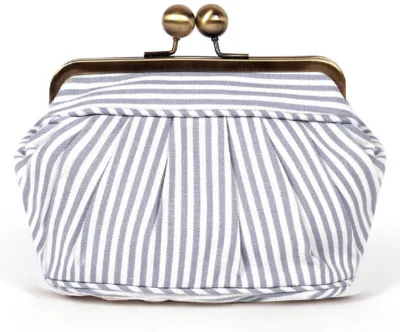


Coin Purse Coin Bag Simple Fashion Canvas Cartoon Key Wallet Bag Card Women′ S Bag
$0.29 - $0.76
MOQ: 100 Pieces


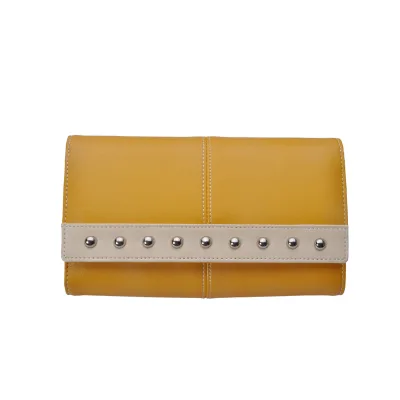
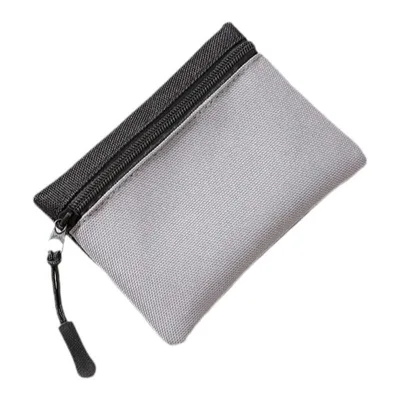

Comprehensive Sourcing Guide
Canvas Coin Purse Sourcing Guide
Sourcing canvas coin purses requires a nuanced understanding of material properties, customization capabilities, and supply chain logistics. These accessories serve as versatile storage solutions for small items, blending durability with aesthetic flexibility. Buyers must navigate a market where product attributes vary significantly between suppliers, ranging from standard unisex designs to specialized female-oriented models with distinct hardware and lining materials. This guide provides a structured approach to evaluating suppliers, verifying technical specifications, and managing commercial risks associated with canvas-based pouch manufacturing.
The procurement process begins with defining the exact product requirements, as the term "Canvas Coin Purse" encompasses a wide array of configurations. Some listings indicate a focus on simplicity and leisure styles, while others emphasize fashion elements like candy colors or specific patterns such as stripes. Understanding these distinctions is critical for aligning supplier capabilities with brand identity. Furthermore, the availability of customization options, including logo printing and size adjustments, allows buyers to tailor products to specific market demands, but it also introduces complexity in quality control and production planning.
Product Scope and Observed Listing Signals
The current market landscape for canvas coin purses reveals a diverse range of product attributes that buyers must carefully evaluate. Observed listings indicate a price range of $0.21 to $17.90 USD, reflecting significant variation in material quality, hardware complexity, and order volume. Minimum Order Quantities (MOQs) typically span from 1 to 1,000 units, offering flexibility for both small-scale testing and large-volume production runs. This wide variance suggests that buyers should not assume uniformity across suppliers; instead, they must scrutinize individual product pages to determine which attributes align with their specific needs.
Key product observations highlight distinct material and design choices that influence the final product's utility and appeal. For instance, some products are constructed from pure canvas, while others utilize cotton fabric blends, affecting both texture and durability. Color options range from classic white to vibrant pink, with some items featuring "candy color" aesthetics to appeal to fashion-forward segments. Additionally, hardware details such as chain straps and hasp closures are present in certain models, indicating a shift toward more decorative or premium positioning. Buyers must verify these specific features, as they directly impact the perceived value and target demographic of the finished good.
Technical Specifications to Verify
Technical verification is paramount when sourcing canvas coin purses, particularly regarding size, material composition, and printing methods. Buyers should confirm whether the product dimensions are standardized or customizable, as some listings specify exact measurements like 25*10cm, while others offer fully customizable sizing. The material specification is another critical factor; while canvas is the primary fabric, the inclusion of polyester linings in some models affects the internal durability and ease of cleaning. Understanding these material combinations helps buyers assess the product's longevity and suitability for daily use or gifting purposes.
Printing and branding capabilities also require close attention, as they define the product's commercial viability. Suppliers often offer heat transfer printing and screen printing options, each with distinct advantages regarding durability and cost. Buyers must verify which printing method is used for their specific design to ensure colorfastness and resistance to wear. Additionally, the availability of customization for logos and sizes allows for brand differentiation, but it necessitates clear communication of design files and tolerance levels. Confirming these technical details early in the sourcing process prevents discrepancies between the sample and the bulk production.
Compliance and Safety Documentation
Compliance and safety documentation are essential components of the sourcing process, ensuring that products meet regulatory standards and ethical manufacturing practices. While specific certifications like CE are mentioned in some listings, buyers must verify the relevance of these standards to their target market. For instance, CE marking may be required for certain product categories in Europe, but its applicability to canvas accessories depends on local regulations. Buyers should request valid certification documents from suppliers and cross-reference them with the requirements of their destination country to avoid customs delays or legal issues.
Beyond regulatory compliance, ethical sourcing considerations such as BSCI, ISO 9001, OEKO-TEX, and GOTS are often cited in the background of supplier profiles. Although these are low-confidence facts in the current data set, they represent important benchmarks for social responsibility and environmental sustainability. Buyers interested in eco-friendly or ethically produced goods should actively inquire about these certifications and request audit reports. Verifying these credentials helps mitigate reputational risk and aligns the procurement strategy with corporate social responsibility goals, particularly when targeting conscious consumer markets.
Cost Drivers and Commercial Terms
Understanding the cost drivers and commercial terms is crucial for effective budgeting and negotiation in the Canvas Coin Purse market. The observed price range of $0.21 to $17.90 USD is influenced by factors such as material quality, hardware complexity, and order volume. Higher prices may correlate with premium materials like cotton fabric blends or intricate designs involving chain straps and hasp closures. Conversely, lower prices might reflect simpler constructions or larger MOQs that allow for economies of scale. Buyers should analyze these cost components to determine the true value proposition of each supplier quote.
Commercial terms, including delivery times and packing specifications, also impact the total cost of ownership. Typical delivery times are around 30 days, with sample times ranging from 5 to 7 days, which buyers must factor into their production schedules. Packing details, such as carton quantities of 600 pieces per carton, affect shipping efficiency and storage requirements. Additionally, the origin of the products, primarily from China including regions like Xiamen and Guangdong, influences logistics costs and lead times. Buyers should negotiate clear terms regarding these variables to ensure predictable costs and timely delivery.
Supplier Qualification and Quality Control
Supplier qualification and quality control are vital steps in mitigating procurement risks and ensuring product consistency. Buyers should assess suppliers based on their ability to handle customization requests, such as logo printing and size adjustments, while maintaining high quality standards. The availability of OEM/ODM services indicates a supplier's flexibility and technical capability, but it also requires rigorous oversight to ensure that custom designs are executed accurately. Establishing clear quality benchmarks and inspection protocols is essential to prevent defects in materials, stitching, or hardware.
Quality control measures should include pre-production sample approvals and in-line inspections during manufacturing. Buyers must verify that the final products match the approved samples in terms of color, size, and functionality. Given the variability in product attributes, such as hardness levels ranging from soft to medium soft, consistent quality control is necessary to maintain brand reputation. Additionally, suppliers should provide transparent information about their production processes and quality assurance systems. Building a strong relationship with qualified suppliers through regular communication and feedback helps foster long-term partnerships and continuous improvement.
Long-Term Procurement Checks
Long-term procurement checks involve ongoing monitoring of supplier performance, market trends, and product evolution. Buyers should regularly review supplier metrics, such as on-time delivery rates, defect rates, and responsiveness to issues, to ensure continued reliability. The dynamic nature of the fashion accessory market means that trends, such as the popularity of candy colors or specific patterns, may shift rapidly. Staying informed about these trends allows buyers to adjust their product offerings and maintain competitiveness. Additionally, monitoring changes in supplier capabilities, such as new printing technologies or material innovations, can provide opportunities for product enhancement.
Sustainability and ethical sourcing remain critical long-term considerations, as consumer awareness and regulatory pressures increase. Buyers should periodically re-evaluate their suppliers' compliance with standards like BSCI, ISO 9001, OEKO-TEX, and GOTS, even if these were initially low-confidence facts. Engaging in continuous dialogue with suppliers about sustainability initiatives and ethical practices helps drive positive change and aligns with evolving market expectations. By maintaining a proactive approach to supplier management and market analysis, buyers can build a resilient and responsible supply chain for canvas coin purses.
FAQs
What materials are used for canvas coin purses?
Canvas coin purses are typically crafted from durable canvas or cotton fabric. These materials provide a sturdy structure for daily storage while maintaining a lightweight feel. Some designs may include polyester linings for added durability. The choice of fabric ensures the purse remains soft yet resilient for everyday use.
Can I customize the logo on a Canvas Coin Purse?
Yes, logo customization is available for canvas coin purses. Buyers can choose from heat transfer printing or screen printing methods to apply their branding. The logo design is fully customizable to meet specific marketing needs. This option allows businesses to create unique branded merchandise for gifts or promotional campaigns.
What is the typical lead time for Canvas Coin Purse orders?
The standard delivery time for Canvas Coin Purse orders is approximately 30 days. Sample production typically takes 5 to 7 days for approval before bulk manufacturing begins. Buyers should account for this timeline when planning inventory. Customization and packaging requirements may influence the final schedule.
Are canvas coin purses waterproof?
Waterproofing varies by specific product model. Some canvas coin purses are designed to be waterproof, offering protection against moisture. Others are non-waterproof, relying on the natural properties of canvas and cotton fabric. Buyers should check the specific product attributes to determine the level of water resistance required for their use case.
What certifications are associated with Canvas Coin Purse manufacturing?
Manufacturing processes may adhere to standards such as CE certification. Additional background standards like BSCI, ISO 9001, OEKO-TEX, and GOTS are noted in industry contexts. These certifications indicate compliance with quality and safety norms. Buyers should verify specific documentation with suppliers to ensure alignment with their regulatory requirements.
How are canvas coin purses packaged for shipment?
Canvas coin purses are commonly packed in cartons or cartons for bulk shipping. Standard packing configurations may include quantities such as 600 pieces per carton. The net and gross weights are specified for logistics planning, often around 15kg and 16kg respectively. This packaging ensures safe transport and efficient handling during delivery.