Source Canvas Bags for Shopping, Travel, and Sports
Explore 30 verified listings for Canvas Bags suitable for shopping, travel, and sports. Buyers can compare customizable options, closure types, and printing methods from suppliers in Zhejiang, China, to find the right fit for their needs; compare the available evidence and request quotations based on your requirements.
Key considerations
Products List
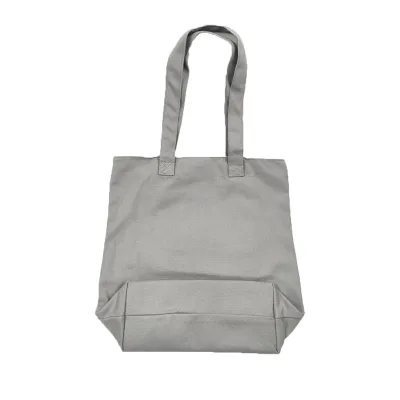

Thickened Environmentally Friendly Canvas Bag
$1.80 - $2.22
MOQ: 300 Pieces
WeIVan (Hangzhou) International Import and Export Trading Co., Ltd.


$3.20 - $6.00
MOQ: 1000 Pieces


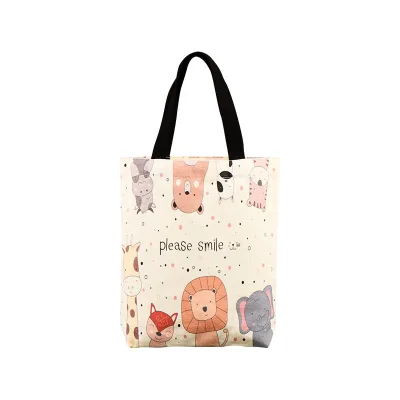


Comprehensive Sourcing Guide
Canvas Bags Sourcing Guide
Sourcing Canvas Bags requires a disciplined approach to balancing aesthetic appeal with functional durability, particularly for brands seeking versatile promotional or retail packaging solutions. The market offers a wide array of styles, from simple handled totes to structured shoulder bags, each serving distinct commercial purposes. Buyers must navigate a landscape where material composition, closure mechanisms, and customization options vary significantly across suppliers. Understanding these variables is essential for aligning product selection with specific brand identity and operational needs.
This guide provides evidence-based procurement strategies for sourcing high-quality Canvas Bags, focusing on verified attributes and critical verification steps. By examining observed listing signals, technical specifications, and commercial terms, buyers can mitigate risks associated with inconsistent quality or hidden costs. The following sections detail the key considerations for evaluating suppliers, ensuring that selected products meet both functional requirements and compliance standards without relying on unverified claims or speculative data.
Product Scope and Observed Listing Signals
The current market for Canvas Bags exhibits a diverse range of styles, including fashion-forward designs, simplicity-focused totes, and antique-inspired variations. Observed listings indicate a strong emphasis on customization, with many suppliers offering logo printing via heat transfer or screen printing techniques. These bags are frequently marketed for multiple uses, such as shopping, promotion, and general packing, appealing to businesses seeking versatile branding opportunities. The presence of unisex designs and seasonal versatility further broadens their applicability across different consumer demographics and marketing campaigns.
Material composition is a primary differentiator, with canvas serving as the dominant outer fabric, often paired with nylon linings for added durability. Listings frequently highlight specific model numbers, such as Erin-4 or Travel Canvas Bag-027T, which may correspond to distinct structural designs or capacity levels. Buyers should note that while some products are described as having medium-soft hardness, others may vary in stiffness depending on the intended use. Verifying the exact material blend and lining type is crucial, as these factors directly impact the bag’s longevity and suitability for heavy or delicate items.
Technical Specifications to Verify
Technical verification begins with confirming closure types, as listings show variations between hasp closures and open-top designs. The choice of closure affects both security and ease of access, making it a critical decision point for buyers. Additionally, weight limits are a key specification, with some products rated for 5-10 kg, which informs their suitability for carrying heavier goods. Buyers must ensure that the selected model’s structural integrity aligns with the intended load, particularly for promotional items that may be used for carrying substantial merchandise or promotional materials.
Size and capacity specifications also require careful attention, as listings indicate both standardized dimensions, such as 38x42cm, and fully customizable options. The capacity is often described as medium, but exact volume measurements should be confirmed to prevent mismatches with product packaging needs. Furthermore, the presence of handles is a standard feature, but the material and attachment method of these handles should be inspected to ensure they can withstand repeated use without tearing or detaching. Verifying these physical attributes through sample requests is essential for quality assurance.
Compliance and Safety Documentation
While specific certifications like OEKO-TEX or GOTS are mentioned in background data, buyers must independently verify the actual compliance status of any supplier. Canvas Bags intended for consumer use should meet relevant safety standards for textile products, particularly regarding chemical residues and flammability. Buyers should request test reports from accredited laboratories to confirm that materials are free from harmful substances, especially if the bags are intended for children or sensitive applications. Relying on supplier assertions without documented proof can lead to significant regulatory risks and brand damage.
Documentation should also cover the manufacturing process, including details on dyeing and printing techniques. Heat transfer and screen printing methods may involve different chemical processes, and buyers should ensure that inks and adhesives used are compliant with local regulations. Additionally, packaging materials should be evaluated for sustainability and safety, particularly if the bags are marketed as eco-friendly. Requesting a comprehensive compliance dossier from the supplier, including material safety data sheets and test certificates, is a critical step in mitigating legal and reputational risks.
Cost Drivers and Commercial Terms
Cost structures for Canvas Bags are influenced by several factors, including material quality, customization complexity, and order volume. Observed price ranges vary significantly, reflecting differences in fabric weight, lining materials, and printing techniques. Buyers should anticipate that higher levels of customization, such as complex logo designs or unique structural modifications, will increase unit costs. Additionally, the minimum order quantity (MOQ) can range from 10 to 5000 pieces, impacting the overall budget and inventory management strategy. Understanding these variables is essential for accurate cost forecasting and negotiation.
Commercial terms, including payment methods and lead times, should be clearly defined in the contract. While specific lead times are not provided in the observed data, buyers should negotiate realistic delivery schedules based on order size and customization requirements. Packaging details, such as carton packing, also affect logistics costs and should be confirmed to ensure efficient shipping. Buyers should also inquire about sample costs and return policies, as these can impact the total cost of procurement. Clear communication of terms helps prevent unexpected expenses and ensures a smooth transaction process.
Supplier Qualification and Quality Control
Supplier qualification involves assessing manufacturing capabilities, quality control processes, and past performance. Buyers should verify that suppliers have experience in producing Canvas Bags with the specific features required, such as nylon linings or custom closures. Requesting references or case studies from previous clients can provide insights into the supplier’s reliability and consistency. Additionally, on-site audits or third-party inspections can help evaluate the factory’s production environment and adherence to quality standards, ensuring that products meet specified requirements.
Quality control measures should be established before production begins, including clear specifications for materials, dimensions, and finishing. Buyers should define acceptance criteria for defects, such as stitching errors or printing misalignments, and agree on remediation procedures. Regular inspections during production and before shipment can help identify and address issues early, reducing the risk of receiving substandard goods. Establishing a robust quality control framework is essential for maintaining product consistency and customer satisfaction, particularly for large-volume orders.
Long-Term Procurement Checks
Long-term procurement success depends on continuous monitoring of supplier performance and market trends. Buyers should regularly review supplier metrics, such as on-time delivery rates, defect rates, and responsiveness to issues. Establishing a scorecard system can help track these metrics and identify areas for improvement. Additionally, staying informed about changes in material costs, regulatory requirements, and consumer preferences can help buyers adapt their sourcing strategies proactively. Regular communication with suppliers fosters a collaborative relationship and encourages innovation in product design and quality.
Sustainability and ethical sourcing are increasingly important considerations for long-term procurement. Buyers should evaluate suppliers’ environmental practices, such as waste management and energy efficiency, and their adherence to labor standards. Requesting updates on sustainability initiatives and certifications can help align sourcing decisions with corporate social responsibility goals. By prioritizing ethical and sustainable practices, buyers can enhance brand reputation and meet the growing demand for responsibly sourced products. Continuous evaluation and adaptation are key to maintaining a competitive and resilient supply chain.
FAQs
What customization options are available for Canvas Bags?
Customization is available for logos, colors, and sizes on these Canvas Bags. Buyers can request specific branding through heat transfer or screen printing methods. The product supports custom sizes and allows for logo customization to meet unique business needs.
Which materials are used to construct these Canvas Bags?
The primary material used is canvas, often paired with nylon for the inside lining. This combination ensures durability while maintaining a soft to medium-soft hardness level. The construction supports various usage scenarios including shopping, sports, and promotional activities.
Can buyers find Canvas Bags with specific closure types?
Yes, the product listings include bags with hasps as well as open closure types. These variations allow buyers to select the most suitable option for their specific storage or carrying requirements. The design supports both secure and easy-access needs.
What is the minimum order quantity for Canvas Bags?
The minimum order quantity ranges from 10 to 5000 pieces depending on the specific supplier and product model. Some listings indicate a standard MOQ of 500 pieces for certain models. Buyers should verify the exact requirement for their selected item.
Where are these Canvas Bags manufactured and shipped from?
These Canvas Bags originate from Zhejiang, China, with production facilities located in the country. The goods are typically packed in cartons for shipping. This location serves as the primary point of origin for the supply chain.
How much weight can these Canvas Bags hold?
The bags are designed to hold a weight limit between 5 and 10 kilograms. This capacity makes them suitable for various carrying needs while maintaining structural integrity. The gross weight of the product itself is greater than 0.3 kilograms.
What printing processes are used for branding on bags?
Branding is applied using heat transfer printing, screen printing, and thermal transfer processes. These methods allow for detailed and durable logo application on the canvas surface. Buyers can choose the technique that best fits their design requirements.