Source Car Crankshaft Oil Seal for Engines, Transmissions, and Industrial Machinery
Compare 30 Car Crankshaft Oil Seal options from verified manufacturers in China. Buyers can evaluate materials like PTFE and FPM, lip types, and pressure ratings for engine and transmission applications.
Key considerations
Products List

Truck Crank Oil Seal Crankshaft Oil Seal for Car Crank Truck Crank Oil Seal Factory Price
$3.00 - $6.00
MOQ: 1000 Pieces


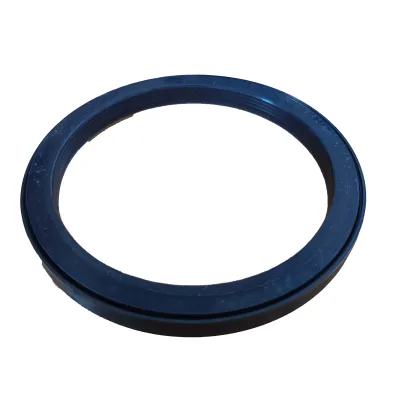


$1.00 - $10.00
MOQ: 1000 Pieces

Comprehensive Sourcing Guide
Strategic Sourcing Guide for Automotive Crankshaft Oil Seals
Understanding Technical Specifications and Material Composition
The automotive crankshaft oil seal is a critical component designed to retain lubricants within the engine block while preventing external contaminants from entering the crankcase. When sourcing these components, buyers must first establish a clear understanding of the technical specifications that define performance and compatibility. The core function of the seal relies heavily on the material composition, which dictates its resistance to heat, oil, and mechanical wear.
Based on available market data, the primary materials utilized in the construction of these seals include PTEF, ACM, and FPM. Each material offers distinct properties suitable for different operating environments. FPM (Fluoroelastomer) is often selected for its superior chemical resistance and high-temperature stability, making it ideal for modern high-performance engines. ACM (Acrylonitrile Butadiene) provides a balance of oil resistance and cost-effectiveness, while PTEF (Polytetrafluoroethylene) offers exceptional non-stick properties and low friction. Buyers should verify the specific material grade required for their application, as the choice directly impacts the seal's longevity and failure rate.
The physical dimensions of the seal are equally critical. Standard specifications often cite dimensions such as 8512713 mm, though the market also supports "Standard or Customized" sizing to accommodate various engine architectures. The lip configuration is another vital specification; options range from single-lip designs to more complex assemblies. The lip type, often categorized simply as "Lips Type" or "Single Lip," determines the sealing mechanism's ability to handle different pressure differentials. Furthermore, the hardness of the rubber compound, typically measured in Shore A, generally falls within a range of 20-90 Shore A. This hardness range ensures the seal can maintain contact pressure against the rotating shaft without excessive deformation or wear.
Compliance, Standards, and Certification Verification
In the B2B procurement of automotive components, verifying compliance with industry standards is non-negotiable. While specific certification bodies may vary by region, the products must adhere to recognized engineering standards to ensure safety and reliability. The supplied data indicates that products often reference standards such as "03C103170" or general "Standard" classifications. Buyers must treat these references as indicators of adherence to a baseline quality framework rather than a universal guarantee.
When evaluating a potential supplier, procurement teams should request documentation that confirms the product meets the specific standard codes relevant to their region and vehicle manufacturer. For instance, the presence of a standard code like "036103171B" suggests a specific engineering specification that the manufacturer claims to follow. However, buyers should not assume that every listed product automatically satisfies every standard without verification. The verification process should involve cross-referencing the supplier's provided standard codes with the original equipment manufacturer (OEM) requirements for the specific vehicle model.
Additionally, the Harmonized System (HS) code is a crucial element for international trade compliance. The data identifies the HS code as 84849000, which classifies these items under mechanical seals and packing devices. This classification is essential for calculating accurate import duties and ensuring that the shipment complies with customs regulations in the destination country. Buyers should confirm that the supplier's documentation correctly reflects this HS code to avoid delays at customs or unexpected tariff costs.
Cost Drivers and Pricing Dynamics
The pricing of automotive crankshaft oil seals is influenced by a complex interplay of factors, including material costs, manufacturing complexity, and order volume. The observed market price range spans from $0.01 to $36 USD, a significant variance that reflects differences in material quality, brand reputation, and production scale. Lower-priced items typically correspond to standard materials like ACM or basic PTEF formulations with minimal customization. In contrast, the upper end of the price spectrum often involves high-performance FPM materials, custom dimensions, or specialized packaging requirements.
Order Volume is another primary driver of cost. The Minimum Order Quantity (MOQ) observed in the market ranges from 1 to 10,000 units. Suppliers offering an MOQ of 1 are likely catering to small-scale repair shops or prototyping needs, often at a higher unit cost due to the lack of economies of scale. Conversely, buyers placing orders near the 10,000-unit threshold can typically negotiate more favorable pricing structures. It is important to note that the MOQ is not a fixed universal value but a variable determined by the specific supplier's production capacity and inventory strategy.
Customization also plays a significant role in cost determination. While standard sizes are generally more affordable, the "Customization: Available" attribute indicates that bespoke solutions are possible. Customizing the size, lip type, or material composition introduces additional engineering and setup costs, which will be reflected in the final unit price. Buyers should be prepared for a price premium when requesting non-standard configurations, as these require dedicated production runs and quality control protocols.
Typical Applications and Operational Environments
Automotive crankshaft oil seals are designed for rigorous operational environments, primarily within the engine and transmission systems. The data explicitly lists "Engine" and "Transmission" as the primary usage categories, confirming their role in maintaining the integrity of powertrain lubrication systems. These seals are engineered to withstand the dynamic conditions of rotating shafts, where they must prevent oil leakage while resisting the ingress of dust, water, and debris.
The working temperature range is a critical factor in application suitability. The observed data specifies a working temperature range of -35°C to +120°C. This range covers the vast majority of standard automotive operating conditions, ensuring the seal remains flexible and effective in cold winter starts and high-temperature summer operations. However, applications involving extreme thermal cycling or sustained high-heat exposure may require specific material grades beyond the standard range.
Pressure conditions also dictate the seal's design. The market offers seals categorized under "Atmospheric Type" and "Pressure Type." Atmospheric seals are designed for environments where the internal and external pressures are relatively balanced, while pressure seals are engineered to handle significant pressure differentials. Additionally, the "High Speed" attribute indicates that certain models are optimized for high-RPM applications, where centrifugal forces and heat generation are more pronounced. Buyers must match the seal's pressure and speed ratings to the specific engine type, whether it is a standard gasoline engine or a heavy-duty diesel engine, to ensure optimal performance.
Supplier Evaluation and Origin Considerations
Selecting the right supplier is as important as selecting the right product. The data indicates that the majority of these products originate from Hebei, China, a region known for its manufacturing capabilities in automotive components. The "Company Type" is listed as "Manufacturer," suggesting that many suppliers are direct producers rather than intermediaries. Sourcing directly from manufacturers can offer benefits such as better price control, more direct communication regarding technical specifications, and greater flexibility in customization.
However, buyers must exercise due diligence when evaluating suppliers from this region. While the origin is clearly identified, the specific location details (city or industrial zone) are often not provided in general product listings. Buyers should verify the supplier's physical address and request a facility audit or virtual tour to confirm their manufacturing capabilities. The "Condition: 100% New" attribute is a standard claim, but it should be supported by evidence of the supplier's quality management systems.
Furthermore, the availability of "Rich in Size and Quantity" in stock is a significant advantage for buyers requiring immediate delivery. However, buyers should distinguish between stock items and custom orders, as lead times can vary significantly. The "After Sale Service: 12 Months" attribute suggests a commitment to product support, but the specifics of this warranty—such as coverage for premature failure or replacement policies—should be clarified in the contract. Buyers should also check the supplier's responsiveness to inquiries regarding the "OEM" numbers, such as 8976023793/Ah4365m, to ensure they can provide exact replacements for existing vehicle models.
Quality Control and Long-Term Procurement Strategy
Effective quality control is essential for mitigating the risks associated with mechanical seal failure. The data highlights several key attributes that serve as indicators of quality, including "Durable," "Oil-Resistant," "Heat Resistant," and "Dustproof." These features are not merely marketing terms but functional requirements that must be validated through testing. Buyers should request test reports or certification documents that verify these claims, particularly regarding the seal's resistance to oil degradation and thermal breakdown.
Packaging is another aspect of quality control that often goes overlooked. The data lists various packaging methods, including "Plastic Bag," "Cartons + Poly Bags," "Bag+ Individual Box + Carton," and "as Customers` Request." Proper packaging is crucial to prevent damage during transit, especially for seals that are sensitive to compression or contamination. Buyers should specify their packaging requirements in the purchase order to ensure the product arrives in pristine condition. The "Carbon" packaging option mentioned in the data may refer to a specific protective layer, but its exact nature should be confirmed with the supplier.
For long-term procurement, establishing a relationship with a supplier that offers "Standard or Customized" solutions is advantageous. This flexibility allows the buyer to adapt to changes in vehicle models or engine designs without needing to source from multiple vendors. Additionally, the availability of "All size valve seals" and similar product lines suggests that a single supplier might be able to meet a broader range of needs, streamlining the procurement process.
Buyers should also consider the "Haplotype" and "Assembled" attributes, which may refer to the complexity of the seal assembly. More complex assemblies may require higher precision in manufacturing and assembly, necessitating a supplier with advanced machinery and skilled labor. Regular quality audits and performance reviews of the seals in actual field conditions will help identify any systemic issues early, allowing for proactive adjustments to the procurement strategy. By focusing on these long-term considerations, buyers can ensure a reliable supply chain that supports the continued operation of their automotive fleets.
FAQs
What materials are used for car crankshaft oil seals?
These seals are commonly made from PTEF, ACM, and FPM materials. Each material offers distinct properties, with FPM providing superior heat resistance and ACM offering a balance of oil resistance and cost-effectiveness for various engine applications.
Which size specifications are available for these seals?
Standard sizes include dimensions like 85*127*13 mm, but customized sizing is also available. Buyers can request specific dimensions to match their engine architecture, ensuring a precise fit for both standard and non-standard applications.
Can these seals operate in high-speed engine environments?
Yes, models are available that are rated for high-speed operation. These seals are designed to withstand the dynamic conditions of rotating shafts, maintaining integrity under the centrifugal forces and heat generation typical of high-RPM engines.
What is the working temperature range for these oil seals?
The seals function effectively within a temperature range of -35 to +120 degrees Celsius. This range ensures flexibility and performance during cold starts and high-temperature summer operations in standard automotive environments.
How are these seals packaged for shipment?
Packaging options include plastic bags, cartons with poly bags, or individual boxes within cartons. Suppliers also offer custom packaging requests to ensure the seals arrive in pristine condition and prevent damage during transit.
What is the minimum order quantity for purchasing these seals?
The minimum order quantity ranges from 1 to 10,000 units depending on the supplier. Lower MOQs cater to small repair shops, while larger orders near the 10,000-unit threshold often secure more favorable pricing structures.
Where are these automotive seals manufactured?
The majority of these products originate from Hebei, China. Many suppliers are direct manufacturers located in this region, offering benefits like better price control and direct communication regarding technical specifications and customization.