Source Handheld Motor Controller Programmer for Forklifts, EVs, Industrial
Compare 30 verified Handheld Motor Controller Programmer options from Chinese suppliers. Buyers can evaluate models like Zapi and Curtis for electric forklifts and electrical vehicles with varying weights and certifications; compare the available evidence and request quotations based on your requirements.
Key considerations
Products List


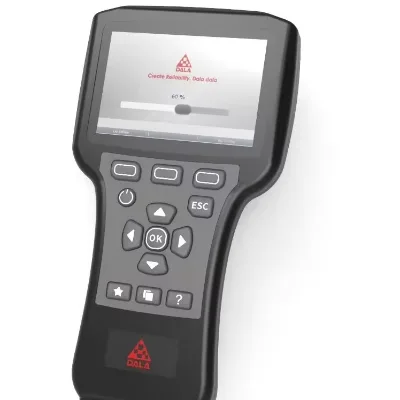


$120.00 - $10000.00
MOQ: 5 Pieces


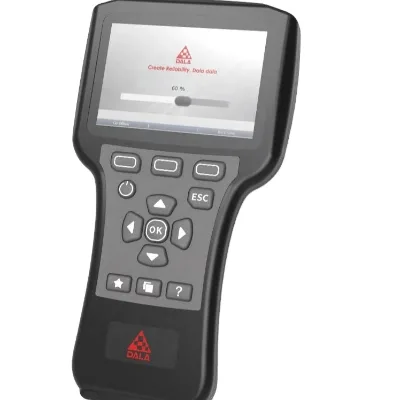


Dala Handheld Programmer Alternatives of Curtis 1313K-4331 Motor Controller Handset
$100.00 - $105.00
MOQ: 10 Pieces


Comprehensive Sourcing Guide
Handheld Motor Controller Programmer Sourcing Guide
Procuring handheld motor controller programmers requires a precise understanding of the specialized diagnostic and configuration tools used in industrial electric vehicle maintenance. These devices serve as critical interfaces for technicians to program, calibrate, and troubleshoot motor controllers in applications such as electric forklifts and other electrical vehicles. The core function of these handheld units is to establish communication between the programmer and the vehicle’s control system, allowing for the adjustment of operational parameters, error code retrieval, and firmware updates. Buyers must recognize that these are not generic consumer electronics but specialized industrial tools that demand high reliability and specific compatibility with existing fleet hardware.
The market for these programmers is characterized by a variety of models designed for different controller brands and architectures, including Zapi, Curtis, and GE systems. Sourcing decisions should be driven by the specific make and model of the motor controllers present in the buyer’s operational fleet. It is essential to verify that the selected programmer supports the necessary communication protocols and software versions required for the target equipment. Misalignment between the programmer’s capabilities and the controller’s requirements can lead to significant downtime and ineffective maintenance procedures, making accurate identification of technical needs the first step in the procurement process.
Product Scope and Observed Listing Signals
Current market listings indicate a diverse range of handheld programmers with varying physical attributes and functional capabilities. Observed product weights range from 0.27 kg to 1 kg, suggesting a focus on portability for field technicians who need to carry these devices across large warehouse or industrial environments. Packaging is typically provided in carton boxes, which helps protect the sensitive electronic components during shipping and storage. Buyers should note that while some listings describe products as non-customized, others indicate that customization is available, implying that suppliers may offer tailored solutions or branding options for larger procurement contracts.
The observed price range spans from $0.99 to $10,000, reflecting the disparity between basic diagnostic tools and advanced, multi-brand programming units. Minimum order quantities (MOQ) vary significantly, starting from single units up to 500 pieces, which accommodates both small maintenance teams and large-scale fleet operators. Lead times are often reported as short, with some suppliers indicating delivery within one to three days, which is crucial for minimizing operational downtime during urgent repairs. Buyers must carefully evaluate these signals to determine if the listed items match their specific technical requirements, as the wide variance in specifications suggests that not all products are interchangeable.
Technical Specifications to Verify
When evaluating handheld programmers, the model number and brand compatibility are the most critical technical specifications to verify. Listings show models such as 1313, Zapi Handset Motor Controller Programmer, and 1309 USB, each designed for specific controller ecosystems. Buyers must confirm that the programmer’s model matches the exact version of the motor controller in their fleet, as software incompatibilities can render the device useless for critical programming tasks. Additionally, the update method is a key technical factor; some devices support updates via the internet, ensuring that the programmer remains compatible with the latest controller firmware releases, while others may require manual updates or specific hardware interfaces.
Language support and interface design are also important technical considerations for international procurement teams. Available languages include English, French, German, and Spanish, which facilitates easier operation for diverse maintenance staff. The physical design, including color and ergonomic features, can impact usability during extended periods of use. Furthermore, the mathematical model of the control system, such as linear models, may influence the type of programmer required. Buyers should request detailed technical datasheets that outline the supported protocols, connection types, and software capabilities to ensure the device meets their specific operational needs.
Compliance and Safety Documentation
Regulatory compliance is a mandatory requirement for industrial equipment, and handheld programmers must meet relevant safety and environmental standards. Common certifications observed in the market include CE, ISO, and CCC, which indicate adherence to European and Chinese safety directives. The presence of RoHS compliance is also significant, ensuring that the device is manufactured without certain hazardous materials, which is important for environmental sustainability and disposal regulations. Buyers should verify that the supplier can provide valid certification documents for each batch of products, as counterfeit or non-compliant devices can pose safety risks and lead to legal liabilities.
Environmental ratings and physical durability are additional compliance-related factors to consider. Some programmers feature an IP53 rating, offering protection against dust and water spray, which is beneficial for use in harsh industrial environments like warehouses or outdoor settings. The operating temperature and humidity ranges should also be checked to ensure the device can function reliably under the specific conditions of the buyer’s facility. Proper documentation of these compliance metrics is essential for internal audits and regulatory inspections, so buyers should insist on clear evidence of compliance from their suppliers before finalizing any purchase.
Cost Drivers and Commercial Terms
The cost of handheld motor controller programmers is influenced by several factors, including the complexity of the software, the range of supported controllers, and the level of customization required. Basic models with limited functionality may be priced at the lower end of the market, while advanced units with multi-brand support and internet update capabilities command higher prices. The observed price range of $0.99 to $10,000 highlights the importance of defining the exact technical requirements to avoid overpaying for unnecessary features or underbuying inadequate tools. Buyers should also consider the total cost of ownership, including potential costs for software updates, replacement cables, and training.
Commercial terms such as MOQ and lead times play a significant role in the procurement strategy. Suppliers offering low MOQs are suitable for small-scale purchases or trial orders, while those with higher MOQs may provide better unit prices for bulk acquisitions. The observed lead time of one to three days is advantageous for urgent needs, but buyers should confirm if this applies to all models or only specific stock items. Payment terms, warranty periods, and after-sales support should be clearly negotiated to protect the buyer’s investment. Understanding these commercial dynamics helps in building a cost-effective and reliable supply chain for essential maintenance tools.
Supplier Qualification and Quality Control
Selecting a qualified supplier is crucial for ensuring the reliability and authenticity of handheld motor controller programmers. Buyers should verify the supplier’s manufacturing capabilities, quality control processes, and track record in the industrial equipment sector. Suppliers originating from regions like Anhui, China, may have established supply chains, but buyers must conduct due diligence to ensure they are dealing with authorized distributors or manufacturers. Requesting samples before placing large orders allows for practical testing of the device’s functionality and compatibility with existing fleet equipment. This step helps mitigate the risk of receiving defective or incompatible products.
Quality control measures should include checks for physical defects, software integrity, and packaging quality. The observed packaging in carton boxes is standard, but buyers should ensure that the packaging provides adequate protection to prevent damage during transit. Suppliers should also provide clear labeling and documentation, including user manuals and warranty cards. Establishing a clear communication channel with the supplier for technical support and issue resolution is essential for long-term partnership. Buyers should prioritize suppliers who demonstrate transparency in their sourcing practices and are willing to provide comprehensive support throughout the procurement process.
Long-Term Procurement Checks
Long-term procurement success depends on regular reviews of supplier performance and product relevance. As motor controller technologies evolve, handheld programmers must be updated to maintain compatibility with new vehicle models and firmware versions. Buyers should establish a schedule for reviewing the software update status of their programmers to ensure they remain effective tools for maintenance. Monitoring supplier responsiveness and product availability is also important to prevent supply chain disruptions. Building a relationship with reliable suppliers who can provide timely updates and support ensures that the procurement team can adapt to changing technological landscapes.
Additionally, buyers should track the performance and durability of the programmers in their operational environment. Feedback from technicians on usability, reliability, and functionality can inform future purchasing decisions. If a particular model consistently fails or causes issues, it may be necessary to switch to a different supplier or product line. Regular audits of inventory and usage patterns can help optimize stock levels and reduce waste. By maintaining a proactive approach to procurement, buyers can ensure that their fleet maintenance operations remain efficient and cost-effective over the long term.
FAQs
What certifications do handheld motor controller programmers have?
These devices typically hold CE and ISO certifications, with some models also meeting CCC standards. Specific units may display regulatory compliance for CE and RoHS. Buyers should verify the exact certification listed for each product model before purchasing to ensure they meet local safety requirements.
Can I find customized handheld motor controller programmers?
Yes, customized options are available alongside non-customized models. Some products explicitly support customization while others remain standard. Buyers can select units based on whether they require specific modifications or prefer ready-to-use configurations for their electric forklift or vehicle applications.
How much do handheld motor controller programmers weigh?
Weights vary by model, ranging from 0.27 kg to 1 kg. Specific units are listed at 0.3 kg, 0.5 kg, or 0.6 kg. Packaging often includes a carton box, and the total weight depends on the specific programmer type and its internal components.
Which specifications define the Handheld Motor Controller Programmer models?
Models include specific codes like 1313, 1309 USB, and 1311 Curtis Programmer. Standards vary, with some units following 1313 or GE standards. The mathematical model is often linear, and the device supports continuous signal processing for automatic control and monitoring functions.
Where are these handheld motor controller programmers manufactured?
Products originate from China, with specific manufacturing locations noted as Anhui. This origin applies to various models including Zapi controllers and Lifttop branded units. Buyers should consider this location when calculating shipping times or evaluating regional supply chain factors.
What is the delivery time for these programmers?
Delivery times can be as short as 1 to 3 days for certain items. This rapid turnaround applies to specific stock available for immediate shipment. Buyers should confirm the exact lead time for their selected model, as it may vary based on customization needs or current inventory levels.
How are these handheld motor controller programmers updated?
Updates are performed via the internet for supported models. The devices support multiple languages including English, French, German, and Spanish. This connectivity allows for easy maintenance and ensures the software remains current for various electric vehicle and forklift applications.