Source Uaz Cigarette Lighter for Torch, BBQ, and Kitchen
Compare 30 Uaz Cigarette Lighter options from verified Chinese suppliers. Buyers can evaluate features like electronic ignition, refillable designs, and packaging details to find the right match for torch, BBQ, and kitchen applications; compare the available evidence and request quotations based on your requirements.
Key considerations
Products List


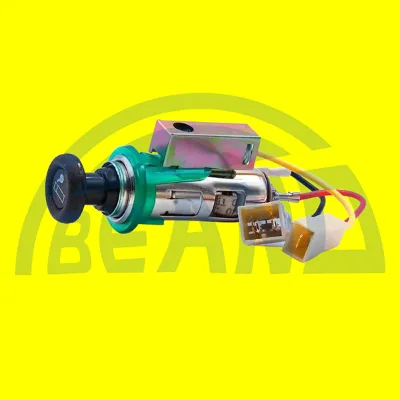



Printing Plastic Cigarette Lighter Electric Gas Lighter OEM High Quality Lighter
$0.05 - $0.07
MOQ: 200000 Pieces

Biggest Customerized Cigarette Lighter for Promotion Gift Smoking Lighter
$0.02 - $0.06
MOQ: 200000 Pieces

Best Quality OEM Electric Lighter for EUR Market Hot Selling Customerized Cigarette Lighter
$0.03 - $0.05
MOQ: 200000 Pieces

Custom Personality Graphic Cigarette Lighter Ultra-Thin Electric Lighter
$0.04 - $0.06
MOQ: 200000 Pieces

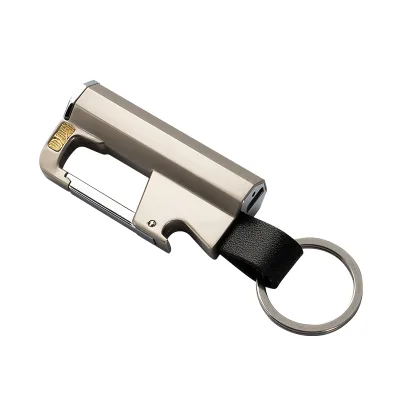
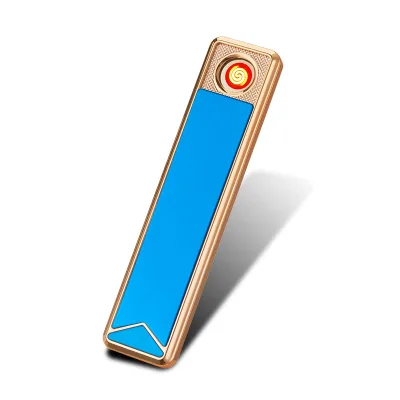
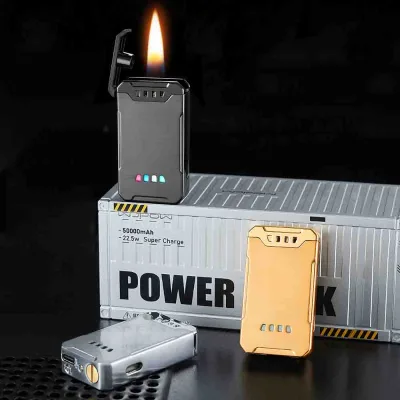


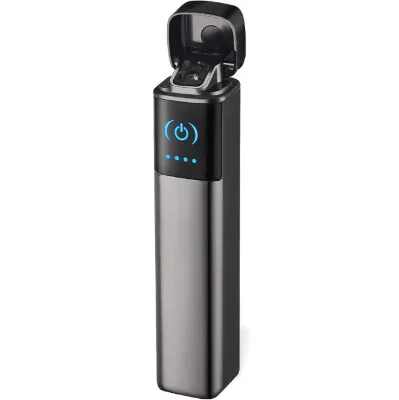

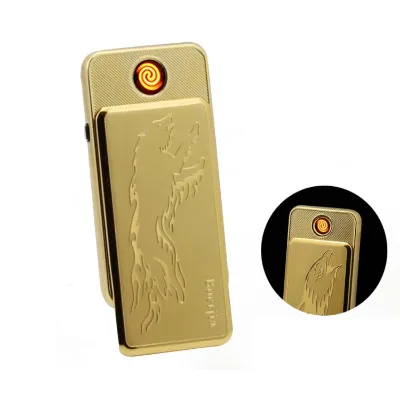
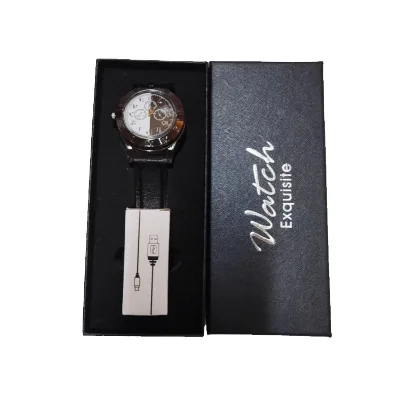
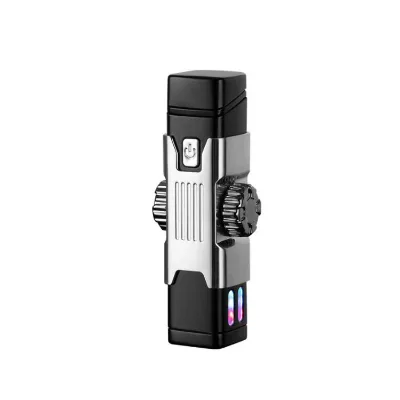


Metal Lighter Custom Classic Design Style Windproof Cigarette Kerosene Lighter
$0.59 - $0.79
MOQ: 20 Pieces


Comprehensive Sourcing Guide
Uaz Cigarette Lighter Sourcing Guide
The UAZ vehicle market relies heavily on durable ignition components that withstand rugged operating conditions and frequent use. Procurement teams must distinguish between generic lighter sockets and those specifically engineered for UAZ chassis compatibility, as fitment varies significantly across different model years and regional variants. The observed product landscape includes both disposable and refillable electronic ignition units, suggesting a need for careful selection based on the intended vehicle application and usage frequency. Buyers should prioritize components that align with the specific electrical architecture of UAZ vehicles to prevent premature failure or electrical system damage.
Sourcing strategies must account for the diverse range of available specifications, including models designed for torch applications and general kitchen or BBQ usage, which may indicate multi-purpose utility in certain contexts. The presence of various model numbers such as 31BP38-002 and QT086 highlights the importance of verifying exact part numbers against the vehicle's original equipment manufacturer (OEM) requirements. Procurement professionals should focus on suppliers who can provide clear documentation linking their products to specific UAZ repair scenarios, ensuring that the selected lighter socket or ignition element serves its intended purpose without requiring extensive modification or adaptation.
Product Scope and Observed Listing Signals
The current market offers a wide spectrum of ignition components, ranging from simple disposable units to complex electronic systems with refillable capabilities. Listings frequently feature products with specific dimensions, such as 7.50.97.6cm or 8.22.61.14cm, which are critical for ensuring physical compatibility within the UAZ dashboard or console. Buyers must carefully cross-reference these physical attributes with the vehicle's existing mounting points, as even minor deviations in length or diameter can render a component unusable without costly modifications. The variety in packaging, from bubble sheets to display boxes, also suggests different levels of protection and retail readiness that may influence the final procurement decision.
Observations indicate that many available units are marketed for multiple purposes, including torch and BBQ applications, which implies a robust design capable of handling high-temperature environments. However, this versatility requires scrutiny to ensure the product meets the specific safety and performance standards required for automotive use. The presence of OE numbers like 21083725010 and 787.000.030 provides a tangible starting point for verification, allowing buyers to confirm that the listed item is a direct replacement for the original UAZ part. Procurement teams should prioritize suppliers who explicitly state the purpose as "for replace/repair" to avoid acquiring generic components that may not integrate seamlessly with the vehicle's electrical system.
Technical Specifications to Verify
Dimensional accuracy is paramount when sourcing replacement ignition components for UAZ vehicles, as the internal cavity and connector interfaces are often tightly toleranced. Buyers must verify that the product standard dimensions, such as 5040mm or 8.112.49*1.32 CM, match the original specifications to ensure a secure fit and reliable electrical contact. The weight of individual units, observed at 140g for some models, serves as a secondary indicator of material density and build quality, which can influence the longevity of the component under vibration and thermal stress. Ignoring these physical parameters can lead to loose connections, intermittent power loss, or complete failure of the ignition system.
Electrical characteristics and functional features must also be rigorously evaluated to match the specific needs of the UAZ fleet. The observed product features include "Gas," "Electronic," "Refillable," and "Disposable" attributes, indicating a mix of technologies that require distinct verification protocols. For electronic models, buyers should confirm the operating voltage and current handling capabilities to prevent overheating or short circuits within the vehicle's wiring harness. Additionally, the presence of specific model numbers like DY-F003 and DY-069 suggests that different versions may cater to varying power requirements or connector types, necessitating a detailed review of the technical datasheet before placing any order.
Compliance and Safety Documentation
Safety compliance is a non-negotiable aspect of sourcing automotive ignition components, particularly given the high temperatures and electrical loads involved in their operation. While specific certification standards like ISO 9994:2018 are mentioned in background contexts, buyers must demand explicit proof of compliance from the supplier rather than assuming adherence based on general market knowledge. Documentation should clearly demonstrate that the product has undergone rigorous testing for thermal stability, electrical insulation, and mechanical durability to prevent fire hazards or electrical failures in the vehicle. Without this evidence, the risk of liability and vehicle damage increases significantly, especially in commercial or fleet applications.
Regulatory requirements vary by region, and procurement teams must ensure that the sourced components meet the specific safety regulations of the destination market. The origin of the products, noted as China with specific provinces like Zhejiang, Hunan, and Guizhou, suggests a need for careful vetting of the manufacturing facilities to ensure consistent quality control. Buyers should request test reports that validate the product's ability to withstand the operational conditions of a UAZ vehicle, including exposure to dust, moisture, and extreme temperatures. Relying solely on the "New" condition or "Displayed" packaging status is insufficient; comprehensive safety documentation is essential to mitigate risks and ensure the longevity of the installed components.
Cost Drivers and Commercial Terms
Pricing for UAZ ignition components is influenced by a complex interplay of material costs, manufacturing complexity, and order volume. The observed price range of 0.02 to 29 USD reflects the diversity of products available, from basic disposable units to more sophisticated electronic models with refillable features. Buyers must analyze the cost structure to understand why certain models command higher prices, often due to the inclusion of advanced electronic components or specialized materials that enhance durability and performance. Understanding these cost drivers helps in negotiating better terms and selecting the most cost-effective solution that still meets the required quality standards.
Commercial terms, including Minimum Order Quantity (MOQ) and lead times, play a critical role in the overall procurement strategy and inventory management. The observed MOQ range of 2 to 200,000 units indicates that suppliers cater to both small-scale repairs and large fleet replacements, requiring buyers to align their order sizes with their specific needs. Lead times of 1-3 days suggest a responsive supply chain, but buyers should verify if this applies to all models or only specific SKUs to avoid unexpected delays. Additionally, the export carton weight of 25 kilograms and unit counts of 50 per box are vital for calculating shipping costs and optimizing logistics, ensuring that the total cost of ownership remains within budget.
Supplier Qualification and Quality Control
Selecting a qualified supplier is essential for ensuring the reliability and consistency of UAZ ignition components, particularly given the critical nature of these parts in vehicle operation. Buyers should prioritize suppliers who demonstrate a clear track record of producing parts that match the specific model numbers and OE references associated with UAZ vehicles. The presence of brand names like BEAND and specific model numbers such as 31BP39-1003(650mm) indicates that some suppliers offer branded, standardized products, which can be a proxy for quality assurance. However, buyers must verify that the supplier's quality control processes are robust enough to maintain consistency across large production runs.
Quality control measures should extend beyond the final product inspection to include raw material sourcing and manufacturing process validation. The observation of various packing methods, such as bubble sheets, inner boxes, and cartons, suggests that suppliers have different levels of packaging expertise, which can impact the condition of the product upon arrival. Buyers should request evidence of in-process quality checks and final testing protocols to ensure that every unit meets the required specifications before shipment. Establishing a clear communication channel with the supplier for addressing any quality issues is also crucial, as it allows for rapid resolution of defects and minimizes the risk of receiving substandard components.
Long-Term Procurement Checks
Sustaining a reliable supply chain for UAZ ignition components requires ongoing monitoring of supplier performance and product consistency over time. Buyers should establish a system for tracking key performance indicators such as defect rates, delivery timeliness, and responsiveness to quality issues. Regular audits of the supplier's manufacturing facilities and quality control processes can help identify potential risks before they impact the supply chain. Additionally, maintaining a relationship with multiple suppliers can provide a safety net against disruptions, ensuring that the procurement of critical vehicle parts remains uninterrupted even if one supplier faces challenges.
Continuous improvement in the procurement process involves staying informed about technological advancements and changes in product specifications that may affect compatibility. As UAZ vehicles evolve or as new models are introduced, the requirements for ignition components may shift, necessitating a proactive approach to updating the product portfolio. Buyers should engage in regular reviews of the product catalog to identify new models that offer improved performance or durability, such as those with electronic features or refillable capabilities. By maintaining a forward-looking strategy, procurement teams can ensure that the UAZ fleet remains equipped with the most reliable and efficient ignition components available in the market.
FAQs
What features do the gas lighters offer?
The gas lighters offer features including gas, electronic, refillable, and disposable capabilities. They are designed for use as torches and in kitchens. Some models come with wrapping boxes and display packaging for retail presentation.
Which models are available for purchase?
Available models include QTY-138, QT086, DY-F003, DY-068, DY-F001, DY-069, DY-1702, and DY-USB001. Each model has specific dimensions and packing configurations suitable for different bulk order requirements and export needs.
Can I request customization for these items?
Yes, customization is available for these products. Buyers can request specific modifications to meet their unique requirements. The products are new condition and can be tailored to fit specific operational needs.
What is the lead time for orders?
The lead time for orders is typically 1 to 3 days. This fast turnaround allows for quick fulfillment of urgent requests. Buyers should confirm specific timelines based on their order volume and customization needs.
How are the products packed for export?
Products are packed in various ways such as bubble sheets, paper, inner boxes, and cartons. Some items come in 50 pieces per box with 20 boxes per carton. Export cartons weigh around 25 kilograms and hold 50 units.
Where are these products manufactured?
These products originate from China, specifically from locations like Zhejiang, Hunan, and Guizhou provinces. The manufacturing facilities ensure quality standards are met for international distribution and export requirements.
What is the weight per unit?
The weight per unit is approximately 140 grams for some models. Other specifications list weights like 90 grams depending on the specific model and layer count. This data helps in calculating total shipping costs accurately.