Source Car Mounted Manual Telescopic Mast for Light Tower, Surveillance, and Emergency
Compare 30 Car Mounted Manual Telescopic Mast options from verified suppliers. Buyers can review specifications like height, material, and certifications to select the right unit for light tower, surveillance, or emergency applications.
Key considerations
Products List


25m Mobile Masts 350kg Payloads-Pneumatic Telescopic Mast-Heavy Duty Payloads
$30000.00 - $50000.00
MOQ: 10 Pieces




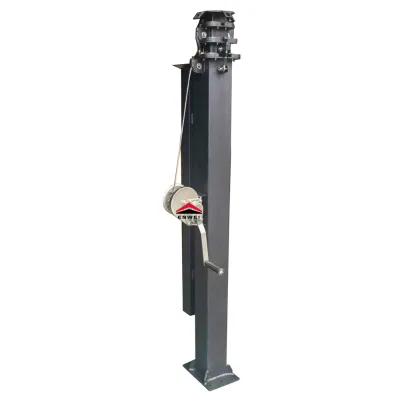
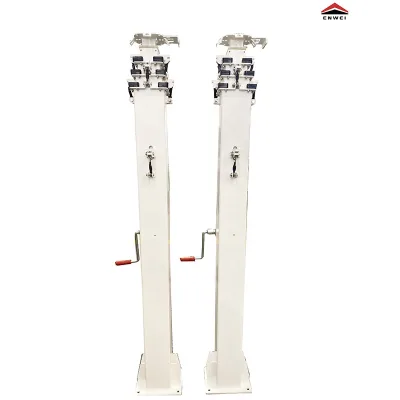
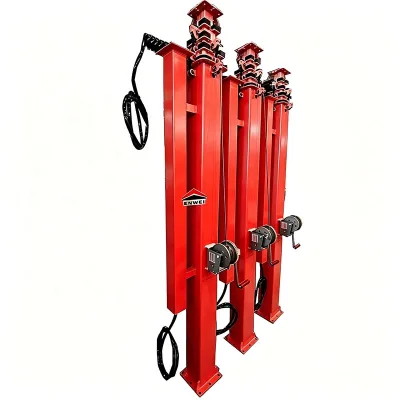


Comprehensive Sourcing Guide
Strategic Sourcing Guide for Car-Mounted Manual Telescopic Masts
Procuring a car-mounted manual telescopic mast requires a rigorous approach that balances technical precision with supply chain reliability. These specialized lifting devices are critical for temporary lighting, surveillance, and communication setups where rapid deployment is essential. The market offers a diverse array of configurations, ranging from single-tube towers to multi-section vertical types, each designed to meet specific operational demands. Buyers must navigate a landscape where product attributes vary significantly between models, necessitating a detailed verification process to ensure the selected equipment aligns with project requirements. This guide outlines the critical factors for sourcing these assets, focusing on technical specifications, compliance, cost structures, and supplier evaluation based on observable market data.
Technical Specifications and Structural Variations
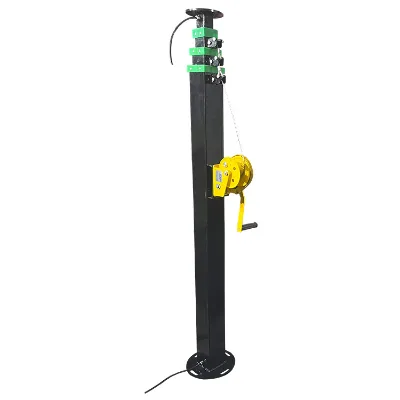
The core of any successful procurement strategy lies in understanding the technical specifications of the available units. The market presents distinct structural variations, primarily categorized by their extension mechanisms and physical dimensions. A common configuration observed is the Single Tube Tower, which offers a streamlined design suitable for applications requiring a vertical profile. These units often feature a Vertical Type shape, ensuring stability during operation. The height capabilities are a primary differentiator, with observed ranges spanning from 5 to 20 meters for general models, while specific manual lifting modes may offer extended heights up to 7 meters for compact units.
When evaluating the physical structure, buyers must scrutinize the section count and retracted dimensions. Some models are designed with four distinct sections, allowing for a compact retracted height of approximately 1.8 meters, which is crucial for vehicle mounting and transport. The weight of the unit is another critical parameter; observed data indicates units weighing around 50kg, which impacts the load capacity of the mounting vehicle and the ease of manual operation. The lifting mode is predominantly manual, relying on mechanical advantage rather than hydraulic or electric systems, which simplifies maintenance but requires careful consideration of the operator's physical capability.
The material composition is consistently identified as Steel Pipe Tower, providing the necessary durability for industrial and outdoor environments. The mast geometry often includes a Single-Oblique Rod for the belly bar, a design feature that influences the stability and load distribution of the extended structure. Furthermore, the product models vary significantly, with identifiers such as YBK-6S, YBK-5S, YBK-3S, and TM-0406 indicating different capacity and dimension profiles. Buyers should not assume that all listed models share identical specifications; instead, they must verify the specific model number against the required payload and height constraints.
Compliance, Certification, and Safety Standards
Ensuring that the selected mast meets international safety and quality standards is paramount for liability protection and operational safety. The supply chain data reveals a mix of certification statuses, with CE marking being a frequently observed attribute. This certification is essential for products intended for the European market, indicating conformity with health, safety, and environmental protection standards. Additionally, some suppliers provide ISO certifications, specifically ISO and CE combinations, which suggest adherence to broader quality management systems.
However, buyers must exercise caution when interpreting certification claims. While some products list ISO certification, others may only carry CE. It is imperative to verify the validity of these certificates with the issuing bodies before finalizing a purchase. The absence of a specific certification in the product listing does not necessarily imply non-compliance, but it does require the buyer to request explicit documentation. For industrial applications, the product standard is often defined by specific dimensions, such as 2890550380mm or 1890550380mm, which serve as benchmarks for structural integrity.
In addition to certifications, the operational environment dictates specific safety requirements. For instance, units intended for outdoor use must possess an IP Rating of IP65, ensuring protection against dust and water jets. The working lifetime of the components, such as lighting fixtures often paired with these masts, can range from 1000 to 50000 hours, influencing the long-term maintenance schedule. Buyers should also verify the Color Rendering Index (Ra) and Color Temperature (CCT) if the mast is used for lighting applications, with observed values including 5000K for daylight and an Ra of 70. These parameters ensure that the lighting provided is sufficient for surveillance and safety tasks.
Cost Drivers and Pricing Dynamics
The pricing of car-mounted manual telescopic masts is influenced by a complex interplay of factors, including material costs, customization levels, and packaging requirements. The observed price range in the market is extensive, spanning from approximately 251.73 USD to 50,000 USD. This wide variance reflects the difference between basic, non-standard models and highly customized, heavy-duty units. The "Nonstandard" classification often applies to bespoke configurations that deviate from the typical 15kg payload standard, commanding a premium price due to the specialized engineering involved.
Packaging is a significant cost driver that buyers should not overlook. The market shows diverse packaging options, including Wooden Box, Carton Box, Plywood Case, and Sea Shipping Crate Box. The choice of packaging directly impacts the shipping cost and the protection level of the product during transit. For example, units shipped in a Sea Shipping Crate Box or Standard Plywood Cases with free fumigation may incur higher logistics costs but offer superior protection against moisture and impact. Conversely, a simple Carton Box might be suitable for smaller, lighter units but may not provide adequate protection for international sea freight.
Minimum Order Quantity (MOQ) also plays a role in the total cost of ownership. The observed MOQ range is between 1 and 20 units. For buyers requiring a single unit for a specific project, the unit price may be higher due to the lack of economies of scale. However, for larger procurement needs, negotiating an MOQ of 20 units could result in significant cost savings. Buyers must also consider the origin of the product, with major manufacturing hubs located in China, specifically in regions like Hangzhou and Jiangsu. The geographic location can influence lead times and shipping logistics, which are indirect but important cost factors.
Typical Applications and Operational Use Cases
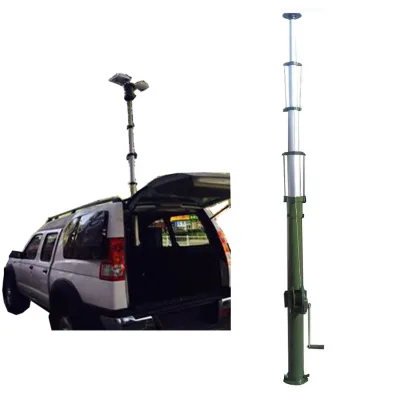
The versatility of car-mounted manual telescopic masts makes them suitable for a wide array of applications. The primary use cases include Light Tower and Surveillance Trailer setups, where the mast elevates lighting or camera equipment to provide visibility over large areas. These units are particularly valuable in emergency response scenarios, construction sites, and temporary event setups where permanent infrastructure is unavailable. The application scope extends to Residential, General-Purpose, Commercial, and Industrial sectors, highlighting their adaptability to different environments.
In industrial settings, the mast's ability to support payloads of up to 15kg allows for the mounting of heavy surveillance cameras, floodlights, or communication antennas. The manual lifting mode is ideal for situations where power sources are unavailable or where the simplicity of the mechanism reduces the risk of mechanical failure. The retracted height of 1.8 meters ensures that the unit can be easily transported on standard vehicles without requiring specialized low-profile trucks. This portability is a key advantage for mobile teams that need to deploy quickly and efficiently.
Furthermore, the customization options available in the market allow for tailored solutions. Buyers can request specific colors, dimensions, and structural modifications to meet unique project requirements. For instance, the "Customize" attribute indicates that the color and other visual elements can be adjusted to match corporate branding or site safety standards. The "Customized" status suggests that manufacturers are willing to produce bespoke units, which is beneficial for specialized applications that standard models cannot fulfill.
Supplier Evaluation and Sourcing Strategy
Selecting the right supplier is as critical as selecting the right product. Buyers should prioritize suppliers who demonstrate transparency in their product attributes and certification status. The supply chain data indicates that products originate from China, with specific mentions of Hangzhou and Jiangsu as production centers. While these locations are known for manufacturing capabilities, buyers must verify the specific factory's reputation and capacity. It is advisable to request detailed product catalogs that clearly distinguish between different models, such as the NR series or YBK series, to avoid confusion during the ordering process.
When evaluating suppliers, buyers should look for evidence of quality control processes. The presence of certifications like CE and ISO is a positive indicator, but it should be accompanied by a clear explanation of the testing procedures used. Suppliers who provide detailed specifications, including dimensions, weight, and material composition, are more likely to be reliable partners. Additionally, the availability of customization services suggests a flexible and customer-oriented approach, which is essential for meeting specific project needs.
Buyers should also assess the supplier's logistics capabilities. The variety of packaging options, from Wooden Boxes to Sea Shipping Crates, indicates that suppliers have experience in handling different shipping requirements. However, the buyer must confirm the lead times and shipping terms to ensure that the delivery aligns with the project timeline. The absence of specific lead time data in the general product listings means that this information must be obtained directly from the supplier during the negotiation phase.
Quality Control and Long-Term Procurement Considerations
Ensuring the long-term reliability of car-mounted manual telescopic masts requires a robust quality control strategy. Buyers should insist on pre-shipment inspections to verify that the units meet the specified dimensions, weight, and material standards. The observation of specific dimensions, such as 4004001800mm or 15kg payloads, serves as a benchmark for quality verification. Any deviation from these standards should be addressed before the product leaves the factory.
For long-term procurement, buyers should consider the maintenance requirements of the equipment. The manual lifting mode, while simple, requires regular inspection of the mechanical components to ensure smooth operation. The working lifetime of associated components, such as lighting fixtures, should be factored into the total cost of ownership. Buyers should also evaluate the availability of spare parts and the supplier's support for repairs or replacements.
The customization aspect of the product offers opportunities for long-term partnerships. By working with suppliers who can provide tailored solutions, buyers can ensure that the equipment remains relevant as their operational needs evolve. The ability to customize color, dimensions, and structural features allows for a strategic alignment between the procurement of masts and the broader organizational goals.
Comparison of Key Product Attributes
To facilitate a clearer understanding of the market offerings, the following table summarizes the key attributes observed in the product listings. This comparison highlights the diversity in specifications and helps buyers identify the most suitable options for their specific needs.
| Attribute Category | Observed Options | Notes for Verification |
|---|---|---|
| Structure Type | Single Tube Tower, Vertical Type | Verify stability and load distribution. |
| Height Range | 5~20m, Max Extended 7m | Confirm retracted height for vehicle fit. |
| Material | Steel Pipe Tower | Check for corrosion resistance treatments. |
| Certification | CE, ISO, ISO+CE | Request valid certificate copies. |
| Packing | Wooden Box, Carton, Plywood, Sea Crate | Assess impact on shipping costs. |
| Origin | China (Hangzhou, Jiangsu) | Verify factory location and capacity. |
| Payload | 15kg, Nonstandard | Confirm exact weight capacity. |
| IP Rating | IP65 | Essential for outdoor durability. |
| Lifting Mode | Manual | Ensure operator training is planned. |
By adhering to these guidelines and conducting thorough due diligence, buyers can successfully source car-mounted manual telescopic masts that meet their technical, safety, and operational requirements. The key lies in balancing the observed market data with specific project needs, ensuring that every procurement decision is grounded in verified facts and strategic planning.
FAQs
What is the maximum extended height for manual lifting modes?
The maximum extended height for specific manual lifting modes is 7 meters. General models in the market offer a height range spanning from 5 to 20 meters depending on the specific configuration and section count selected.
Which certifications are commonly available for these masts?
Common certifications include CE and ISO. Some products list both ISO and CE, while others may only carry CE, so buyers must verify the specific certificate status for each model before purchase.
Can the color of the mast be customized?
Yes, the color is customizable to meet specific branding or safety requirements. The product attributes indicate that customization is available for color and other visual elements to align with project needs.
What is the typical weight of a 4-section manual mast?
A typical unit with four sections weighs approximately 50 kilograms. This weight impacts the load capacity of the mounting vehicle and ensures the unit remains manageable for manual operation.
How are these masts packaged for shipping?
Packaging options include wooden boxes, carton boxes, plywood cases, and sea shipping crate boxes. The choice of packaging depends on the unit size and shipping requirements, with some options including free fumigation.
What is the minimum order quantity for these products?
The minimum order quantity ranges from 1 to 20 units. Buyers requiring a single unit may face higher unit prices, while larger orders can benefit from economies of scale.
Which materials are used to construct these towers?
The towers are constructed from steel pipe material. This material provides the necessary durability for industrial and outdoor environments while supporting the vertical type structure.