Source Car Wrap Vinyl for Vehicle Decals, Safety Signage, and Banners
Compare 30 Car Wrap Vinyl options from direct factories in Shanghai. Buyers can evaluate TPU and PVC materials, thicknesses ranging from 60 to 240 microns, and customization services for vehicle decals, safety signage, and banners; compare the available evidence and request quotations based on your requirements.
Key considerations
Products List


White Printable Car Wrap Vinyl Wrapping Film for Vehicle Body Advertising
$0.28 - $0.38
MOQ: 100 Square Meters


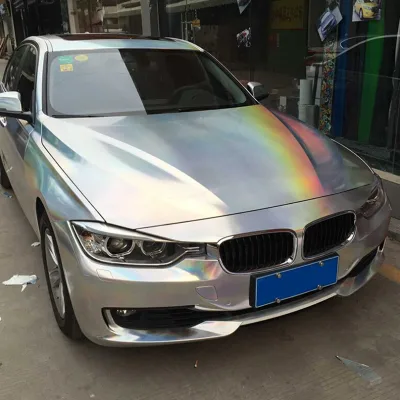


Car Wrap Vinyl Polymeric Vinyl Sticker Self Adhesive Bubble Free Vinyl
$0.30 - $0.89
MOQ: 3000 Square Meters


Hot Sale Cars Wrap Vinyl Car Wrapping Film Customization Car Color Changing Film
$0.35 - $0.50
MOQ: 1000 Square Meters
Comprehensive Sourcing Guide
Car Wrap Vinyl Sourcing Guide
Sourcing high-quality Car Wrap Vinyl requires a nuanced understanding of material science, adhesive chemistry, and supplier capabilities. Buyers must distinguish between monomeric, polymeric, and cast films, as each offers distinct durability and conformability profiles. The decision hinges on whether the application demands short-term branding or long-term aesthetic protection. Understanding these material differences is critical for aligning product selection with specific project lifecycles and environmental exposure conditions.
Procurement teams should also evaluate the surface finish and customization options available from manufacturers. Glossy and matte finishes serve different aesthetic purposes, while digital printing compatibility ensures vibrant, durable graphics. Suppliers offering OEM/ODM services provide flexibility for branded designs, but buyers must verify ink support types such as solvent, latex, or UV. This verification ensures the final product meets both visual standards and environmental regulations, preventing costly rework or compliance failures during deployment.
Product Scope and Observed Listing Signals
The market for Car Wrap Vinyl encompasses a diverse range of products, from self-healing paint protection films to decorative adhesive stickers. Observed listings indicate a wide price range, reflecting variations in material thickness, brand reputation, and functional features. Buyers should note that some products are marketed as body protection with self-healing properties, while others focus on visual customization through digital printing. This distinction is vital for determining whether the primary goal is vehicle preservation or aesthetic transformation.
Listing signals also reveal significant variability in packaging and standard dimensions. Common roll sizes include 1.52 meters in width, with lengths varying from 15 meters to 50 meters. Packaging formats range from white boxes to carton packaging, which can impact shipping costs and product protection during transit. Buyers must carefully review these logistical details to ensure the supplier’s offerings align with their storage capabilities and installation workflows, avoiding unexpected handling issues upon delivery.
Technical Specifications to Verify
Thickness is a primary technical specification that influences both the ease of installation and the longevity of the wrap. Observed data suggests thicknesses ranging from 6.5 mil to 9.5 mil for protection films, while vinyl films may vary from 60 mic to 160 mic. Thicker films generally offer better durability and scratch resistance, but may be harder to conform to complex vehicle curves. Buyers should verify the exact micron or mil rating to ensure the material matches the intended application, whether it is for flat panels or highly contoured body parts.
Adhesive properties and liner weight are equally critical for successful application and removal. Adhesives can be permanent or removable, with tack levels ranging from high to low, affecting how easily the vinyl adheres to textured or smooth surfaces. Liner weights typically range from 100 GSM to 140 GSM, influencing the stability of the roll during printing and installation. Buyers must confirm these specifications to prevent issues such as adhesive residue, bubbling, or premature delamination, which can compromise the final appearance and customer satisfaction.
Compliance and Safety Documentation
Environmental and safety compliance is increasingly important in the automotive aftermarket. Buyers should request documentation regarding the ink types used, such as eco-solvent or latex, which may have lower volatile organic compound (VOC) emissions compared to traditional solvent inks. This information is crucial for suppliers operating in regions with strict environmental regulations. Verifying that the inks are compatible with the vinyl substrate ensures color stability and prevents chemical reactions that could degrade the material over time.
Additionally, buyers must ensure that the vinyl and adhesive components meet relevant safety standards for automotive use. This includes checking for flammability ratings and toxicity levels, especially if the wrap is intended for interior applications. While specific certification names may vary by region, the presence of a clear material safety data sheet (MSDS) is a baseline requirement. Procurement teams should insist on this documentation to mitigate liability and ensure the product is safe for both installers and end-users.
Cost Drivers and Commercial Terms
Several factors influence the final cost of Car Wrap Vinyl, including material type, thickness, and customization requirements. Premium cast films with self-healing properties typically command higher prices than standard monomeric vinyls. Custom sizes and specialized finishes, such as matte or textured surfaces, can also increase costs due to additional processing steps. Buyers should analyze these variables to understand the value proposition and avoid overpaying for features that may not be necessary for their specific use case.
Minimum order quantities (MOQ) and sample policies are key commercial terms that affect procurement strategy. Observed MOQs can range from small quantities for testing to large bulk orders for production runs. Some suppliers offer free samples without shipping costs, allowing buyers to evaluate quality before committing to a large purchase. Understanding these terms helps buyers plan their inventory and cash flow effectively, ensuring they can secure the necessary materials without tying up excessive capital in stock.
Supplier Qualification and Quality Control
Supplier qualification is essential for ensuring consistent quality and reliable delivery. Buyers should prioritize direct factories that offer OEM/ODM services, as these suppliers typically have greater control over the production process and material sourcing. Verifying the supplier’s location and production capacity can provide insights into their ability to meet demand and maintain quality standards. A transparent supply chain reduces the risk of counterfeit materials or inconsistent batch quality, which can lead to installation failures and customer complaints.
Quality control measures should include rigorous testing of adhesive strength, color fastness, and dimensional stability. Buyers should inquire about the supplier’s internal testing protocols and whether they conduct third-party validations for key performance indicators. Consistent quality control processes ensure that each roll of vinyl meets the specified thickness, width, and adhesive properties. Establishing a clear quality agreement with the supplier helps define acceptable tolerances and remedies for non-conforming products, protecting the buyer’s interests.
Long-Term Procurement Checks
Long-term procurement success depends on establishing a robust relationship with suppliers and continuously monitoring performance. Buyers should regularly review supplier performance metrics, such as on-time delivery rates, defect rates, and responsiveness to issues. This ongoing evaluation helps identify potential risks and opportunities for improvement, ensuring that the supply chain remains resilient and efficient. Building a partnership based on mutual trust and clear communication fosters better collaboration and problem-solving capabilities.
Additionally, buyers should stay informed about industry trends and technological advancements in vinyl materials. New formulations may offer improved durability, easier installation, or enhanced environmental profiles. Regularly updating procurement specifications to reflect these advancements ensures that the company remains competitive and meets evolving customer expectations. By maintaining a proactive approach to supplier management and market intelligence, buyers can secure a sustainable advantage in the Car Wrap Vinyl market.
FAQs
How thick should Car Wrap Vinyl be for full vehicle protection?
Car Wrap Vinyl for full vehicle coverage typically ranges from 6.5mil to 9.5mil, which equals roughly 160 to 240 microns. Thicker films offer more resistance against scratches and stone chips, while thinner films conform better around tight curves. Choose based on whether your priority is paint protection or decorative restyling, and confirm the exact thickness with the supplier before ordering.
What sizes are standard rolls of Car Wrap Vinyl?
Standard roll sizes commonly include 1.52 meters by 15 meters for paint protection film and 1.52 meters by 50 meters for printable vinyl. Widths of 0.914, 1.07, 1.27, 1.37, and 1.52 meters are also widely available. Most suppliers support customized dimensions, so buyers covering larger vehicles or high-volume applications can request tailored roll lengths and widths.
Which printing methods work with printable Car Wrap Vinyl?
Printable Car Wrap Vinyl supports solvent, eco solvent, latex, UV, pigment, and dye ink systems. Digital printing is the standard production method for custom graphics and branding designs. Before printing, verify that your ink chemistry matches the film coating, and choose between glossy or matte surfaces depending on the finish your customer expects for vehicle decals or outdoor advertising.
Can Car Wrap Vinyl be applied to different vehicle surfaces?
Yes, quality vinyl adheres well to smooth surfaces, textured surfaces, plastic, metal, and glass. High flexibility allows the film to stretch around bumpers, mirrors, and curved body panels, while high adhesiveness keeps it secured in outdoor conditions. Surface preparation matters: clean and degrease the area first, and select permanent or removable adhesive depending on whether the wrap is long-term or temporary.
Can I order custom sizes and designs for Car Wrap Vinyl?
Customization is generally available from direct factories offering OEM and ODM services. You can request custom sizes, customized shapes, specific adhesive colors, and printed designs using digital printing. Many suppliers provide free samples without shipping cost so you can evaluate film quality before committing to a bulk order. Minimum order quantities vary widely, so confirm customization terms before placing a purchase order.
What is the difference between monomeric, polymeric, and cast PVC film?
These three PVC film types differ in durability and conformability. Monomeric film is the most economical and suits short-term applications like promotional decals. Polymeric film offers better dimensional stability for medium-term outdoor use. Cast film is the most flexible and conforms best to complex vehicle curves, making it the preferred choice for full body wraps and long-duration installations.
How is Car Wrap Vinyl packed and what adhesives are available?
Car Wrap Vinyl is typically packed in cartons or white boxes to protect rolls during transit. Adhesive options include clear, grey, black, and white adhesive colors, with high tack or low tack strength in permanent or removable formulations. Release paper weights of 100 GSM, 120 GSM, and 140 GSM silicon paper are common. Specify your adhesive and packaging preferences when requesting quotations.