Source Carbide Forging Drill Jig for Car, Machinery, and Wood Working
Explore 30 listings for the Carbide Forging Drill Jig tailored for automotive, machinery, and woodworking applications. Buyers can compare specifications like tolerance, material grades, and customization options to find suitable suppliers for their production needs.
Key considerations
Products List

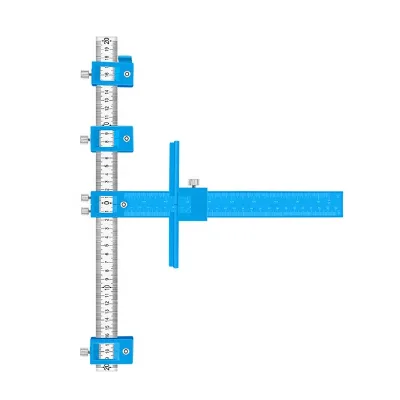


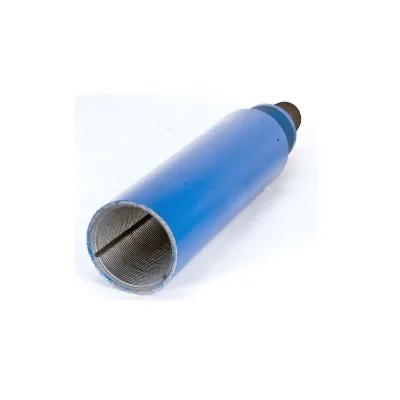
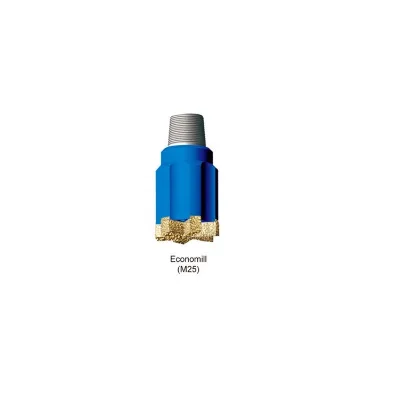
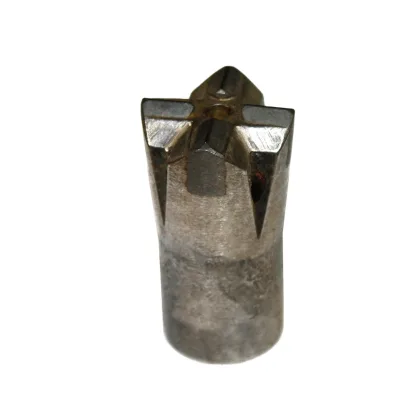


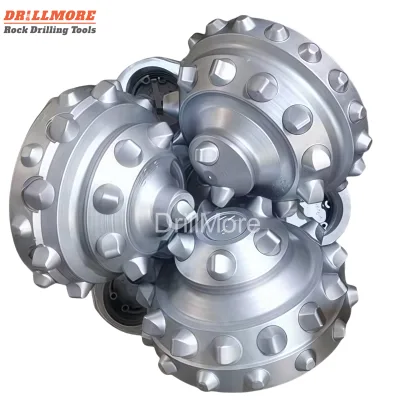


Multipurpose Tungsten Carbide Drill Bits Well Drill Concrete Drilling Bits
$310.00 - $314.00
MOQ: 1 Pieces


Carbon Steel CE Approved Drill High Quality Tungsten Carbide Cross Bits
$100.00 - $1000.00
MOQ: 20 Pieces

Drilling Rod High Quality Tungsten Carbide Cross Bits with ISO 9001: 2008
$100.00 - $1000.00
MOQ: 20 Pieces

Comprehensive Sourcing Guide
Strategic Sourcing Guide for Carbide Forging Drill Jigs
Navigating the procurement landscape for carbide forging drill jigs requires a disciplined approach that balances technical precision with supply chain reliability. These components are critical in high-stress environments where dimensional accuracy and material hardness directly influence operational efficiency and tool longevity. Buyers must distinguish between general-purpose hardware and specialized industrial tooling, as the market offers a diverse range of products with varying specifications. This guide synthesizes observed market data and industry standards to provide a framework for evaluating potential suppliers and products without relying on unverified claims or specific vendor recommendations.
Technical Specifications and Material Composition
The core of any effective sourcing strategy begins with a rigorous understanding of technical specifications. In the current market, carbide forging drill jigs are often categorized by their application domains, which include automotive, machinery, hardware, and electronic sectors. A critical observation from available product data indicates that high-performance units frequently utilize specific carbide grades such as CD650, CD60, Af1, Kg7, and Yg6X. These grades represent distinct formulations of tungsten carbide designed to withstand the extreme pressures and abrasion associated with forging and drilling operations.
Tolerance levels serve as a primary differentiator between standard and precision-grade jigs. While some general-purpose hardware may operate within a tolerance of +/-0.2mm, high-precision applications demand tighter tolerances, with observed data suggesting capabilities down to 0.001mm. This level of precision is essential for maintaining the integrity of the forging process and ensuring that the drill bits or tools held by the jig align perfectly with the workpiece. Buyers should verify that the supplier's stated tolerance aligns with the specific requirements of their manufacturing line, as even minor deviations can lead to significant production defects.
Material composition extends beyond the carbide itself. The structural components of these jigs are often constructed from stainless steel or combinations of tungsten carbide and steel to ensure durability and resistance to corrosion. In specific contexts, such as well drilling applications, the material specification explicitly notes the use of tungsten carbide and steel composites. Additionally, some product lines incorporate ABS plastic and stainless steel, particularly in handheld or semi-automated tooling variants. The choice of material directly impacts the thermal stability and wear resistance of the jig, which are vital for continuous operation in demanding industrial environments.
Compliance, Certification, and Quality Standards
Verifying compliance and certification is a non-negotiable step in the procurement process for industrial tooling. The market data reveals a spectrum of certifications held by suppliers, ranging from ISO 9001 and ISO 14001 to specific industry standards like API. These certifications indicate that the manufacturer adheres to established quality management systems and environmental standards. For instance, the presence of ISO 9001 suggests a commitment to consistent quality control, while ISO 14001 points to environmental management practices.
In the context of drilling and petroleum equipment, API certification is a significant indicator of suitability for high-risk applications. Buyers must confirm that the specific product they are purchasing carries the relevant certification for its intended use. Furthermore, third-party verification bodies such as SGS are often cited in product listings, providing an additional layer of assurance regarding material integrity and manufacturing processes. It is crucial to distinguish between general certifications and those specific to the product category, as a supplier may hold broad ISO certifications without necessarily having the specific approvals required for specialized drilling tools.
Standardization also plays a pivotal role. Products are often categorized by their standard form, such as round punches, shape punches, or oval punches, with some manufacturers offering fully customized standards. The "junk sub" standard is another specific designation found in the market, indicating specialized components for well drilling. Buyers should ensure that the product standard matches the operational requirements of their equipment. Relying on a supplier that offers "Customized" standards is beneficial for unique applications, but it requires a clear definition of the technical parameters to avoid ambiguity in the final delivery.
Cost Drivers and Pricing Dynamics
Understanding the cost drivers for carbide forging drill jigs is essential for budgeting and negotiation. The observed price range in the market is exceptionally broad, spanning from $0.50 to $5,000 USD. This variance is not arbitrary but is driven by several key factors, including the complexity of the design, the grade of carbide used, and the level of customization required. A simple, off-the-shelf jig with standard tolerances will naturally fall at the lower end of this spectrum, while a precision-engineered unit with custom specifications and high-grade materials will command a premium price.
Material costs are a significant component of the final price. Tungsten carbide is a raw material with fluctuating market values, and the specific grade selected (e.g., CD650 vs. Yg6X) will directly influence the cost. Furthermore, the manufacturing process for achieving tight tolerances like 0.001mm requires advanced machinery and skilled labor, which adds to the production cost. Customization is another major cost driver; while many suppliers offer OEM and ODM support, the engineering time and tooling setup required for custom designs increase the unit price.
Minimum Order Quantity (MOQ) also impacts the effective cost per unit. The market data shows an MOQ range from 1 piece to 50 units. For buyers with low-volume needs, the ability to source single units is advantageous, though the unit price may be higher due to the lack of economies of scale. Conversely, larger orders can leverage bulk pricing, but the buyer must consider storage costs and inventory turnover. It is important to note that the "MOQ: 1set" or "1 Piece" listings suggest flexibility, but buyers should verify if this applies to all product variants or only specific standard models.
Typical Applications and Operational Context
Carbide forging drill jigs are deployed across a wide array of industrial sectors, each with unique operational demands. The primary applications identified in the market include automotive manufacturing, general machinery, hardware production, and electronics. In these sectors, the jigs facilitate precise drilling and forging operations, ensuring that components are produced with high repeatability and accuracy.
A specific and high-stakes application area is well drilling, where the jigs are used as critical components like "junk subs." In this context, the equipment must withstand extreme downhole conditions, including high pressure, temperature, and abrasive environments. The "High Performance" advantage cited in product descriptions is particularly relevant here, as failure in this sector can lead to costly downtime and safety hazards.
Beyond heavy industry, these jigs are also utilized in wood working and general hardware applications. In wood working, the focus may be on ease of operation and convenience, with products featuring designs that allow for quick setup and adjustment. The "Multiple Usage" attribute highlights the versatility of these tools, which can be adapted for various tasks depending on the specific jig configuration. Whether in a large-scale drilling rig or a small workshop, the functionality of the jig must align with the specific workflow of the user.
Supplier Evaluation and Verification
Evaluating suppliers requires a systematic approach that goes beyond simple price comparison. Buyers should prioritize suppliers who demonstrate transparency in their manufacturing capabilities and quality control processes. The location of the supplier is a relevant factor, with major manufacturing hubs identified in Dongguan and Shandong, China. These regions are known for their concentration of precision manufacturing industries, but buyers should verify the specific capabilities of the facility rather than assuming all suppliers in these locations offer the same quality.
Supplier evaluation should also include an assessment of their customization support. The availability of OEM and ODM services indicates a supplier's ability to tailor products to specific client needs. However, buyers must ensure that the customization process is well-documented and that the supplier has the engineering resources to execute complex designs. The "Video outgoing-inspection" feature mentioned in some listings is a valuable tool for remote verification, allowing buyers to visually inspect the product before shipment.
Additionally, the presence of a "Sample" support policy is a strong indicator of a supplier's confidence in their product quality. Buyers should request samples to test the product against their own specifications before committing to a larger order. This step helps validate claims regarding tolerance, material grade, and overall performance. It is also important to check the supplier's track record for delivery times, with observed ranges of 15-30 days being common. Consistency in meeting these timelines is crucial for maintaining production schedules.
Quality Control and Long-Term Procurement
Quality control is the backbone of a successful procurement strategy for industrial tooling. Buyers should insist on comprehensive quality assurance protocols, including material testing, dimensional verification, and performance validation. The ability to provide test results or third-party inspection reports, such as those from SGS, adds credibility to the supplier's quality claims. For high-precision applications, the verification of tolerance levels (e.g., 0.001mm) should be conducted using calibrated measuring instruments to ensure accuracy.
Long-term procurement considerations involve building a sustainable relationship with suppliers who can provide consistent quality over time. This includes evaluating the supplier's capacity for after-sales support, warranty terms, and the availability of replacement parts. The "Convenient" and "Easy Operation" features noted in product descriptions are beneficial for reducing operator training time and minimizing errors, but they must be maintained through regular maintenance and quality checks.
Packaging is another aspect of long-term procurement that should not be overlooked. The market data indicates that products are typically packed in cardboard, wooden cases, or cartons. For international shipping, especially for heavy or precision items, wooden cases or robust carton packaging is essential to prevent damage during transit. Buyers should verify that the packaging standards meet the requirements of their logistics partners to ensure the product arrives in pristine condition.
Summary of Key Procurement Factors
To facilitate a clear comparison of the factors discussed, the following table summarizes the critical attributes buyers should evaluate when sourcing carbide forging drill jigs.
| Attribute Category | Key Considerations | Market Observations |
|---|---|---|
| Material & Grade | Tungsten Carbide, Stainless Steel, ABS | Grades: CD650, CD60, Af1, Kg7, Yg6X |
| Precision | Tolerance levels, Dimensional accuracy | Ranges: 0.001mm to +/-0.2mm |
| Certification | ISO, API, SGS, ISO 14001 | ISO 9001, API, SGS verification |
| Customization | OEM, ODM, Standard vs. Custom | Available for most suppliers |
| Applications | Automotive, Machinery, Well Drilling, Wood Working | Specific: Round/Shape/Oval punches |
| Logistics | Lead time, Packaging, MOQ | Lead time: 15-30 days; MOQ: 1-50 |
| Origin | Manufacturing location | Dongguan, Shandong, China |
By adhering to these guidelines and focusing on verified data, buyers can navigate the complex market for carbide forging drill jigs with confidence. The goal is to secure high-quality, reliable components that meet specific operational needs while maintaining cost efficiency and supply chain stability.
FAQs
What carbide grades are used for forging drill jigs?
High-performance jigs often utilize specific carbide grades such as CD650, CD60, Af1, Kg7, and Yg6X. These formulations are selected to withstand extreme pressures and abrasion in forging and drilling operations.
Can I get custom specifications for these components?
Yes, customization is available with OEM and ODM support offered by many suppliers. Buyers can request specific dimensions or standards like round, shape, or oval punches to match their unique machinery requirements.
What is the typical tolerance range for precision jigs?
Tolerance levels vary by application, with high-precision units capable of 0.001mm accuracy. General-purpose hardware may operate within a broader range of plus or minus 0.2mm depending on the specific product model.
Which certifications verify quality for drilling applications?
Relevant certifications include ISO 9001, ISO 14001, and API standards for petroleum equipment. Third-party verification from bodies like SGS further confirms material integrity and adherence to manufacturing quality processes.
How long does delivery typically take for these orders?
Standard delivery times generally range from 15 to 30 days after order confirmation. This timeline may vary based on the complexity of customization and the specific production capacity of the manufacturer.
What is the minimum order quantity for single items?
Many suppliers offer flexible minimum order quantities starting from one piece or one set. This allows buyers to test samples or fulfill low-volume needs without committing to large bulk orders immediately.
Where are the primary manufacturing locations for these jigs?
Major manufacturing hubs for these components are located in Dongguan and Shandong, China. These regions host specialized factories equipped for precision tooling and carbide component production.
What packaging options are available for international shipping?
Products are typically packed in cardboard, wooden cases, or cartons to ensure safe transit. Robust packaging is essential for protecting precision items and heavy components during global logistics operations.