Source Cartoon Cute Stuffed Bear for gifts, decor, and events
Explore 30 listings for Cartoon Cute Stuffed Bear options featuring custom logos, various sizes, and safety certifications like CE and ASTM. Buyers can compare models such as TB-1158 and HW190005 to find suitable plush toys for gifting or promotional use.
Key considerations
Products List


$0.35 - $1.79
MOQ: 500 Pieces


Promotional New Style Cartoon Teddy Bear Stuffed Animals Plush Soft Bear
$3.43 - $3.71
MOQ: 500 Pieces


Custom Cute Pink Plush Teddy Bear with Wings Stuffed Animal Bear for Kids
$1.50 - $3.00
MOQ: 100 Pieces


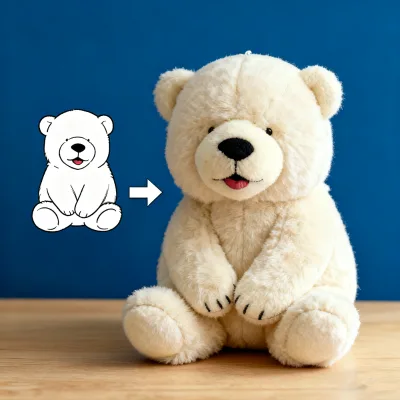


Lovely Teddybear Stuffed Toys/ Cute Bear Soft Toys/ Custom Animal Plush Toys
$0.90 - $3.90
MOQ: 500 Pieces


Comprehensive Sourcing Guide
Cartoon Cute Stuffed Bear Sourcing Guide
Sourcing cartoon-style plush bears requires a careful balance between aesthetic appeal and rigorous safety compliance, particularly when targeting younger demographics or gift markets. The observed product landscape reveals a diverse range of models, from sitting and standing animals to suction-cup variants, indicating that buyers must define their specific use case early in the procurement process. Whether the goal is to create a branded promotional item, a retail gift, or a children’s toy, the distinction between a general plush toy and a regulated children’s product dictates the level of scrutiny required for materials, construction, and certification.
Buyers should recognize that the "cartoon cute" aesthetic often involves custom modeling sources, including original designs or licensed characters, which introduces intellectual property considerations alongside physical product specifications. The available data shows a wide variety of model numbers, such as TB-1158, HW190005, and WH00000, suggesting that suppliers offer extensive customization capabilities. This flexibility allows for tailored solutions but demands precise communication regarding dimensions, fabric choices, and stuffing density to ensure the final product matches the intended visual and tactile experience.
Product Scope and Observed Listing Signals
The current market signals indicate a broad spectrum of plush bear configurations, with observed attributes ranging from sitting and standing postures to specialized designs like suction-cup styles. These variations suggest that buyers are not limited to standard toy formats but can explore niche applications, such as bathroom accessories or decorative items, depending on the structural integrity and material selection. The presence of both "Short Plush Toys" and general "Plush Toys" in the specifications highlights the importance of defining size constraints early, as this directly impacts packaging efficiency, shipping costs, and the overall perceived value of the product.
Customization is a dominant feature in this category, with suppliers offering options for logo printing, embroidery, and fully customized designs. This level of flexibility supports both private label branding and unique product differentiation strategies. However, the availability of customization also means that buyers must provide detailed technical packs, including exact Pantone colors, stitch patterns, and placement guidelines. The observed packing methods, which include polybags and carton quantities ranging from 30 to 40 pieces, further emphasize the need for clear instructions on labeling, hang tags, and individual packaging to meet retail or distribution requirements.
Technical Specifications to Verify
Technical verification begins with confirming the physical dimensions and weight of the plush bear, as these factors influence both the user experience and logistics planning. Specifications such as 30cm or 27cm lengths, along with specific weights like 0.17kg, provide a baseline for comparison, but buyers should expect variability based on customization requests. It is crucial to verify the plush length and overall volume to ensure the product meets the desired "cute" proportionality, as slight deviations in stuffing density or fabric stretch can significantly alter the final appearance and feel of the bear.
The construction method, often described as hand-made or customized, requires attention to detail in seam strength, eyelet security, and fabric durability. Buyers must verify the quality of the stitching, especially for products intended for children aged 3-8 years, where small parts like eyes or noses must be securely attached to prevent choking hazards. Additionally, the choice of fabric and stuffing material should be confirmed for softness, comfort, and hypoallergenic properties, as these attributes directly impact customer satisfaction and repeat purchases. The ability to customize sizes and weights allows for tailored solutions, but this flexibility must be managed through strict quality control checkpoints.
Compliance and Safety Documentation
Compliance is non-negotiable for plush toys, particularly those marketed to children, and buyers must ensure that suppliers provide valid certification documents. The observed certifications include CE, EN71, ASTM, CPSIA, REACH, and BSCI & ISO9001, indicating that reputable suppliers adhere to international safety and quality standards. However, the presence of these certifications on a listing does not guarantee that every unit produced will meet these standards; therefore, buyers must request current, batch-specific test reports from accredited laboratories.
Specific attention should be paid to the testing standards relevant to the target market, such as ASTM F963 for the United States or EN71-1, EN71-2, and EN71-3 for Europe. These standards cover mechanical and physical properties, flammability, and chemical migration, respectively. Buyers should verify that the supplier’s testing covers all relevant aspects, including small parts testing for younger age groups and heavy metal limits for fabrics and stuffing. The mention of "Customized Plush Toys" and "Any Ages" in the product attributes suggests that age grading must be carefully managed, as products intended for younger children face stricter regulatory scrutiny than those for general gift use.
Cost Drivers and Commercial Terms
Cost structures in the plush toy industry are influenced by several key factors, including material costs, customization complexity, and order volume. The observed price range of $0.35 to $6.99 USD reflects the variability in size, material quality, and design intricacy. Buyers should understand that lower prices may correspond to simpler designs, standard sizes, or less expensive materials, while higher prices may reflect premium fabrics, complex embroidery, or smaller production runs. The minimum order quantity (MOQ) ranges from 1 to 2000 pieces, with some suppliers offering an MOQ of 100 pieces or negotiable terms, which allows for flexibility in initial testing and larger scale production.
Commercial terms also include sample times, production lead times, and payment conditions. Sample times of 3-7 working days are typical, allowing buyers to evaluate quality before committing to bulk orders. Production times of about 20 days, or according to order quantity, indicate that lead times can vary based on the complexity of the customization and the current factory workload. Buyers should negotiate clear terms for sample costs, which are often credited against bulk orders, and establish realistic timelines for production and shipping to avoid delays in meeting market demands.
Supplier Qualification and Quality Control
Supplier qualification involves verifying the manufacturer’s capabilities, certifications, and quality management systems. The presence of BSCI and ISO9001 certifications suggests that the supplier adheres to social compliance and quality management standards, which is crucial for maintaining ethical sourcing practices and consistent product quality. Buyers should conduct due diligence by reviewing the supplier’s audit reports, factory conditions, and production capacity to ensure they can meet order volumes and deadlines reliably.
Quality control measures should be established before production begins, including pre-production samples, in-line inspections, and final random inspections. Buyers should define clear acceptance criteria for defects, such as stitching errors, fabric flaws, or incorrect dimensions, and communicate these standards to the supplier. The ability to customize labels, hang tags, and packaging also requires verification to ensure that all branding elements are accurate and compliant with local labeling regulations. Establishing a robust quality control process helps mitigate risks and ensures that the final product meets the buyer’s expectations.
Long-Term Procurement Checks
Long-term procurement success depends on continuous monitoring of supplier performance, product quality, and market trends. Buyers should establish regular communication channels with suppliers to address any issues promptly and to discuss potential improvements or new designs. Tracking key performance indicators, such as on-time delivery rates, defect rates, and customer feedback, can help identify areas for improvement and ensure that the supplier remains aligned with the buyer’s goals.
Additionally, buyers should stay informed about changes in regulatory requirements and market preferences to adapt their sourcing strategies accordingly. The plush toy industry is subject to evolving safety standards and consumer demands for sustainable and ethical products. By maintaining a proactive approach to compliance and quality, buyers can build a resilient supply chain that delivers high-quality cartoon cute stuffed bears consistently. Regular audits and performance reviews help maintain high standards and foster a collaborative relationship with suppliers, ensuring long-term mutual benefit.
FAQs
Can I customize the logo on these plush bears?
Yes, logo customization is available with options for print, embroidery, or fully customized designs. Buyers can provide their own logo for production. This service supports OEM and ODM requirements for bulk orders.
What certifications do these stuffed bears meet?
The products hold CE, EN71, ASTM, CPSIA, and REACH certifications to ensure safety. Additional quality standards include BSCI and ISO9001 certificates. These ensure compliance for international markets and child safety regulations.
How long does production take for custom orders?
Production time is approximately 20 days or depends on the specific order quantity. Sample preparation requires 3 to 7 working days before mass production begins. Lead times may vary based on the final order volume.
What is the minimum order quantity for these toys?
The standard MOQ is 100 pieces, though this is negotiable for certain orders. Some listings show a range from 1 to 2000 units depending on the supplier. Buyers should confirm specific quantity requirements before placing an order.
Are these teddy bears suitable for all age groups?
Yes, the plush toys are designed for all years and any ages. Specific models are also noted as suitable for children aged 3 to 8 years. The soft and comfortable features make them safe gifts for various age ranges.
What styles of animal plush toys are available?
Available styles include sitting animals, standing animals, and suction cup designs. The modeling sources range from real animals to cartoon characters and custom requests. Buyers can choose from various product models like TB-1158 or HW190005.
Where are these plush toys manufactured?
The products originate from China as the primary manufacturing location. Factories in this region handle the production of custom sizes and various specifications. Buyers can expect standard packaging of 30 to 40 pieces per carton.