Source Cartoon Friction Car Toy for Play, Gifts, and Retail
Find 30 Cartoon Friction Car Toy options for children's play, promotional gifts, and retail inventory. Compare materials like iron and plastic, check scale ratios, and review MOQs to select the right toy for your business needs.
Key considerations
Products List
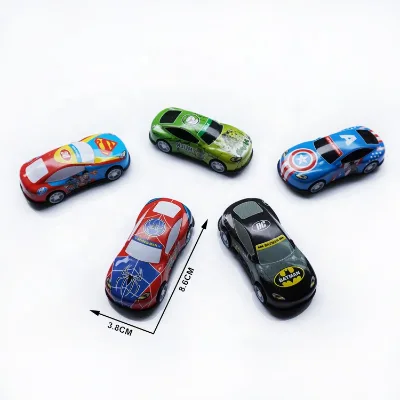
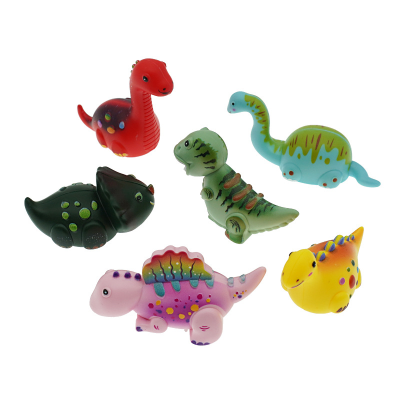
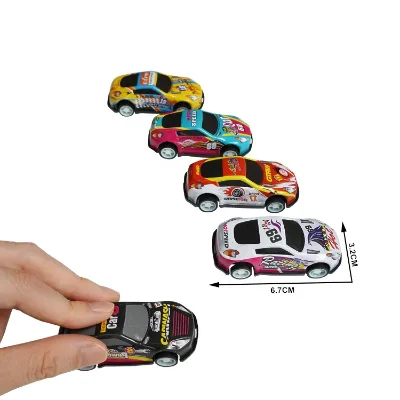


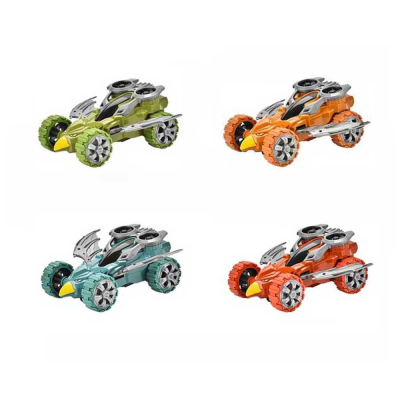


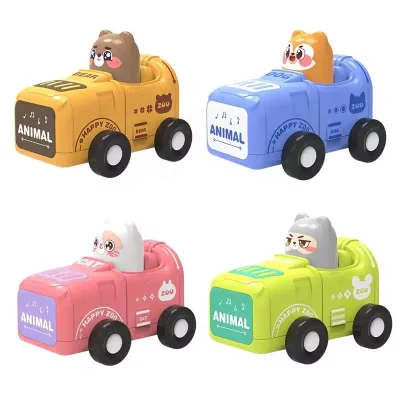
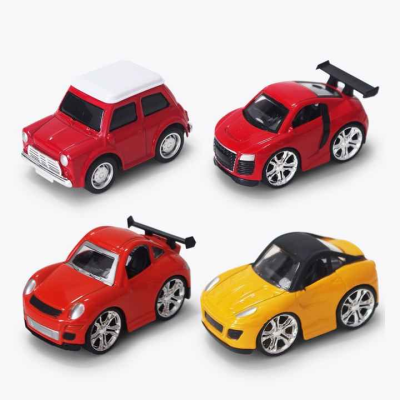
Wholesale 360 Rotating Stunt Plastic Toy Car Durable Friction Car Kids Toy
$1.80 - $3.50
MOQ: 300 Pieces


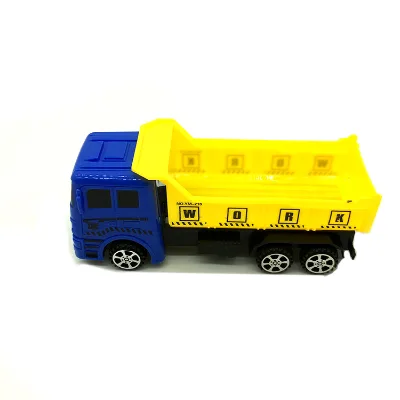
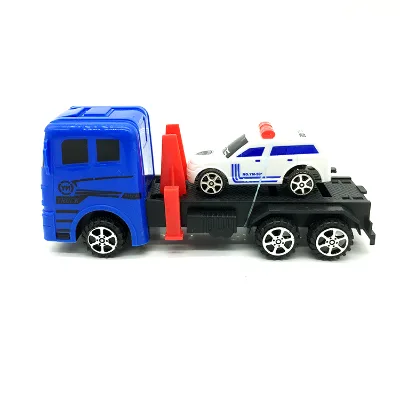
Special Design Friction Kids Vehicle Toy Stunt Car Children Toys (10489177)
$0.61 - $1.00
MOQ: 648 Pieces




Comprehensive Sourcing Guide
Cartoon Friction Car Toy Sourcing Guide
Sourcing cartoon friction car toys requires a careful balance between aesthetic appeal and mechanical reliability, as these items serve as both visual novelties and functional playthings for children. The market for these toys is diverse, ranging from simple plastic models to more complex metal constructions, each offering different value propositions for retailers and distributors. Buyers must navigate a landscape where product attributes vary significantly, from material composition to scale and packaging, ensuring that the selected items align with specific target demographics and retail expectations. Understanding the core mechanics of friction-powered movement is essential, as this feature defines the user experience and durability expectations of the end consumer.
This guide provides a structured approach to evaluating suppliers and products in this category, focusing on verified data points and industry best practices. By examining observed listing signals, technical specifications, and commercial terms, procurement professionals can make informed decisions that mitigate risk and enhance product quality. The following sections detail the critical factors that influence sourcing success, including compliance requirements, cost drivers, and long-term supplier relationships. Adhering to these guidelines ensures that buyers can confidently select products that meet safety standards and market demands without relying on unverified claims or incomplete information.
Product Scope and Observed Listing Signals
The current market landscape for cartoon friction car toys reveals a wide variety of product types, primarily categorized by material and design complexity. Observed listings indicate a strong presence of metal-based toys, such as those constructed from iron and polypropylene (PP), which often feature cartoon printing and are marketed towards children aged two to four years, as well as older demographics up to thirteen years and above. These metal models, identified by model numbers like DD8268, typically offer a more robust feel and are packaged in cartons, suggesting they are intended for bulk distribution or retail display. The use of metal components adds a layer of durability and perceived value, distinguishing these products from their plastic counterparts in the eyes of consumers.
In contrast, plastic-based friction cars, such as those made from PVC or standard plastic, present a different set of characteristics and use cases. Listings for plastic inertia cars, with model numbers like dd046, often highlight a smaller scale, such as 1:43, and are packaged in inner bags, which may indicate a lower cost point or a different retail strategy. These products are frequently described with attributes like "funny" usage or "simple color" logo prints, appealing to a broad, unisex audience. The presence of products with model numbers like CH-X070, which are labeled under "Toy Candy" and have instructions to "eat directly," introduces a critical distinction in product classification that buyers must carefully verify to ensure they are sourcing actual toys rather than confectionery items, highlighting the importance of precise product identification in this category.
Technical Specifications to Verify
When evaluating technical specifications, buyers must prioritize the verification of material composition, scale, and physical dimensions to ensure product suitability for their target market. For metal friction cars, confirming the exact alloy or metal type, along with the PP components, is crucial for assessing durability and weight. The scale of the toy, such as 1:16 for metal models, directly impacts the size and play experience, with dimensions like 8.63.82.6CM providing a clear reference for shelf space and handling. Buyers should request detailed technical drawings or samples to verify that the friction mechanism operates smoothly and consistently, as this is the core functional attribute of the product. Inconsistent friction performance can lead to high return rates and customer dissatisfaction, making this a key area for quality control.
For plastic and PVC-based toys, verifying the material grade and structural integrity is equally important. The scale of 1:43 for plastic models, with dimensions around 83.76.9CM, suggests a different play dynamic compared to larger metal cars. Buyers should assess the thickness of the plastic and the quality of the molding to prevent breakage during play. Additionally, the packaging specifications, such as carton packing versus inner bagging, must be aligned with the logistics and retail requirements of the buyer. Customization options, including logo printing and carton size adjustments, should be clearly defined in the technical specifications to avoid misunderstandings during production. Ensuring that the product name and type accurately reflect the item, such as distinguishing between "Car" and other potential misclassifications, is vital for accurate inventory management and marketing.
Compliance and Safety Documentation
Safety compliance is non-negotiable in the toy industry, and buyers must ensure that all cartoon friction car toys meet the relevant regulatory standards for their target markets. While specific certification statuses such as ISO, EN71, EN62115, RoHS, CE, and ASTM F963 are mentioned in background contexts, buyers must verify the actual certification documents provided by the supplier for each specific product batch. It is essential to confirm that the materials used, whether metal, plastic, or PVC, are free from harmful substances and meet the safety requirements for children's toys. The age range recommendations, such as 2 to 4 years or 5 to 7 years, must be supported by rigorous safety testing to ensure that the toys do not pose choking hazards or other risks to the intended age group.
Buyers should also pay close attention to the labeling and packaging requirements, which must include clear instructions for use, safety warnings, and manufacturer information. The presence of attributes like "Customized" logo or "Simple Color" prints must not compromise the legibility of safety information. In cases where product descriptions are ambiguous, such as items labeled under "Toy Candy" with instructions to "eat directly," buyers must exercise extreme caution and demand clarification to ensure that the product is indeed a toy and not a food item. Misclassification can lead to severe regulatory violations and safety incidents. Therefore, obtaining and reviewing the full suite of compliance documentation, including test reports from accredited laboratories, is a critical step in the sourcing process.
Cost Drivers and Commercial Terms
The cost of cartoon friction car toys is influenced by several key factors, including material costs, manufacturing complexity, and order volume. Metal toys, which require more intricate manufacturing processes and potentially more expensive raw materials, generally command a higher price point compared to plastic alternatives. The observed price range of 0.08-31 USD reflects this variability, with the final cost depending on the specific model, customization requirements, and order quantity. Buyers should analyze the cost structure to understand how different attributes, such as scale and packaging, impact the unit price. Understanding these cost drivers allows for more accurate budgeting and pricing strategies for retail distribution.
Commercial terms, including minimum order quantities (MOQ) and payment conditions, play a significant role in the overall procurement strategy. Observed MOQs range from 1 to 10,000 pieces, with specific listings indicating MOQs of 5,000 or 2,400 pieces, which can affect inventory management and cash flow. Payment terms, such as a 30% deposit plus 70% balance, are common and should be negotiated based on the buyer's risk tolerance and the supplier's reputation. Delivery times, typically ranging from 3 to 7 days, are also a critical consideration for supply chain planning. Buyers should ensure that all commercial terms are clearly documented in the contract to avoid disputes and ensure smooth transaction processing.
Supplier Qualification and Quality Control
Selecting a reliable supplier is paramount to ensuring consistent product quality and timely delivery. Buyers should conduct thorough due diligence on potential suppliers, verifying their business licenses, manufacturing capabilities, and quality control processes. Suppliers located in regions like Guangdong, China, often have established supply chains for toy manufacturing, but buyers must still assess their specific track record and reputation. Requesting references and reviewing past performance can provide valuable insights into the supplier's reliability and commitment to quality. Additionally, verifying the supplier's ability to handle customization requests, such as logo printing and packaging adjustments, is essential for brands seeking unique product offerings.
Quality control measures should be implemented at every stage of the production process, from raw material inspection to final product packaging. Buyers should establish clear quality standards and conduct regular audits or third-party inspections to ensure compliance. For friction car toys, this includes testing the friction mechanism for consistency, checking for sharp edges or small parts that could pose safety risks, and verifying the accuracy of printed graphics and colors. Implementing a robust quality control plan helps to minimize defects and returns, protecting the buyer's brand reputation and customer satisfaction. Clear communication with the supplier regarding quality expectations and feedback loops is crucial for continuous improvement.
Long-Term Procurement Checks
Building a sustainable procurement relationship with toy suppliers requires ongoing monitoring and evaluation of performance metrics. Buyers should regularly review key performance indicators such as on-time delivery rates, product defect rates, and responsiveness to issues. Establishing a structured feedback mechanism allows for continuous improvement and addresses any emerging concerns promptly. Long-term partnerships can lead to better pricing, priority production slots, and collaborative innovation in product design. However, buyers must remain vigilant and avoid complacency, regularly reassessing supplier performance and market conditions to ensure continued value.
Market trends and consumer preferences in the toy industry are constantly evolving, and buyers must stay informed to maintain a competitive edge. This includes monitoring changes in safety regulations, material availability, and design trends. Regularly updating product specifications and sourcing strategies based on these insights ensures that the buyer's offerings remain relevant and appealing to consumers. Additionally, diversifying the supplier base can mitigate risks associated with single-source dependencies. By maintaining a proactive approach to procurement, buyers can navigate the complexities of the Cartoon Friction Car Toy market and achieve long-term success.
FAQs
What materials are used for cartoon friction car toys?
These toys are typically constructed from iron, plastic, or PVC. The specific material depends on the model, with some featuring metal bodies and others using durable plastic or PVC components. Buyers should verify the exact material composition for each model number to ensure suitability for the intended age group and durability requirements.
What is the minimum order quantity for these toys?
The minimum order quantity varies by supplier and model, ranging from 2,400 to 5,000 pieces. Some listings indicate an MOQ of 5,000 pieces, while others accept orders as low as 2,400 pieces. Buyers must confirm the specific MOQ with the supplier before placing an order to align with their procurement volume.
Can buyers customize the logo on these toys?
Yes, customized logos are available for many Cartoon Friction Car Toy models. Suppliers often offer logo printing services to allow for brand personalization. Buyers should inquire about customization options, including printing methods and design requirements, to ensure their branding needs are met during the production process.
What is the typical delivery time for these orders?
The standard delivery time is generally 3 to 7 days after payment confirmation. This timeframe applies to many standard models, though it may vary based on order volume and customization needs. Buyers should confirm the exact lead time with the supplier to plan their inventory and distribution schedules effectively.
What age range is suitable for these friction car toys?
These toys are designed for children aged 2 to 13 years and up. Specific models may target narrower ranges, such as 3 to 8 years or 5 to 7 years. Buyers should select models appropriate for their target demographic, considering safety standards and the complexity of the friction mechanism for different age groups.
Where are these cartoon friction car toys manufactured?
These toys are primarily manufactured in Guangdong, China. This region is a major hub for toy production, offering a wide variety of models and materials. Buyers sourcing from this location can benefit from established supply chains and competitive pricing, though they should verify specific factory details and quality control measures.