Source Cartoon Frog Wind Up Toy for Kids, Parties, and Promotions
Find and compare 30 Cartoon Frog Wind Up Toy options from verified suppliers in China. Evaluate specifications, certifications, and pricing to select the best fit for your retail or promotional needs.
Key considerations
Products List


$2.89 - $3.89
MOQ: 180 Pieces


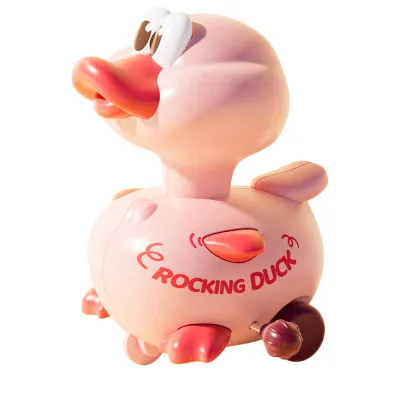
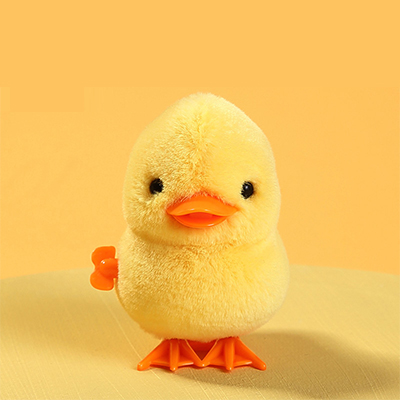
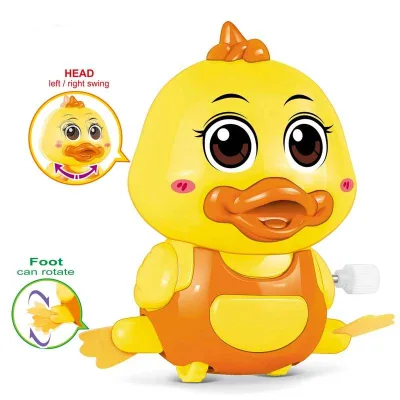
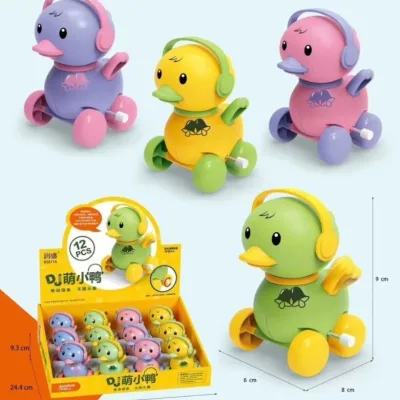
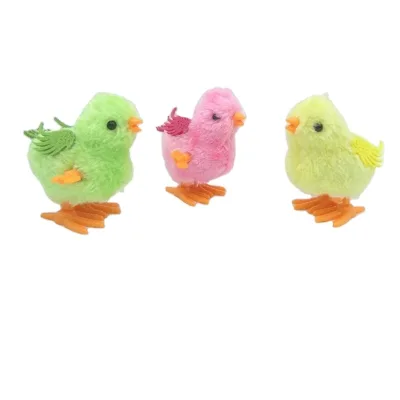
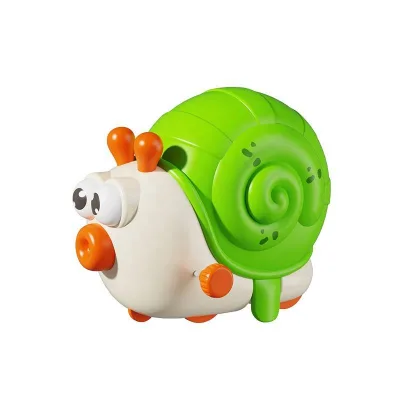


Wind-up Toys Walking Jumping Clockwork Toys for Kids Birthday Party Favors
$0.40 - $0.90
MOQ: 1296 Pieces

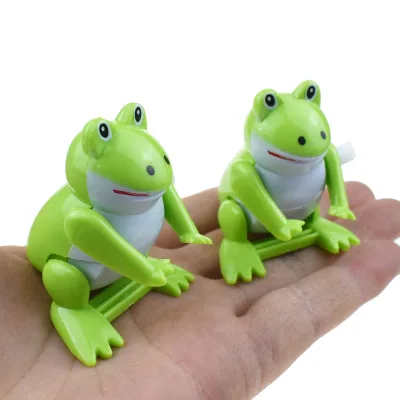

Custom Colorful Cartoon Animals Cheap Plastic Clockwork Mechanical Wind up Toys
$0.28 - $0.33
MOQ: 3000 Pieces

Wholesale Wind-up Rocking Horse Toy Clockwork Walking Animal Wind up Toys for Toddler
$0.53 - $0.59
MOQ: 1500 Pieces
Comprehensive Sourcing Guide
Cartoon Frog Wind Up Toy Sourcing Guide
The cartoon frog wind-up toy represents a specific niche within the broader toy candy and mechanical novelty sector, characterized by its dual function as an edible treat and a mechanical plaything. Based on observed market data, these products typically feature a solid form factor with a multi-colored finish, designed to appeal to children in the 3-8 years age bracket. The core mechanical element often involves a wind-up mechanism that animates the frog, frequently paired with candy content such as jumping frog toy candy or wind-up dog toy candy variants, creating a unique "toy candy" category that merges confectionery with interactive play.
Procurement for this item requires distinguishing between pure plastic toys and integrated toy-candy hybrids, as the supply chain and regulatory requirements differ significantly. The observed product attributes indicate a strong emphasis on cartoon styling and animal shapes, with specific models like RFD316113 and various CH-series codes appearing in listings. Buyers must verify whether the unit is a standalone plastic toy or a packaged candy item, as the latter introduces additional constraints regarding shelf life, storage methods, and food safety certifications that do not apply to standard plastic toys.
Product Scope and Observed Listing Signals
When evaluating product listings, buyers should look for specific signals that confirm the item is a wind-up mechanism rather than a battery-operated or remote-controlled toy. The observed data highlights a "Funny" usage profile and a "Cartoon Toy" style, suggesting the primary value proposition is entertainment through mechanical movement. Listings often specify the product shape as "Animal" and the material as "Plastic," which are consistent with the durable, cost-effective construction required for mass-market toy candies. The presence of specific model numbers like RFD396016 or CH-TB169 serves as a critical identifier for verifying the exact mechanical design and packaging configuration.
The packaging and physical dimensions observed in the market provide essential clues for logistics planning and shelf placement. Standard packaging is frequently listed as "Carton" or "Box," with specific configurations such as 1.5g30pcs24trays/ctn or 4g12pcs6boxes/ctns, indicating a high-volume wholesale structure. Physical dimensions vary by model, with some units measuring approximately 3423.58cm while others are compact at 20.516.55.5cm. Buyers must cross-reference these dimensions with the product model to ensure the selected item fits the intended retail display or shipping container constraints.
Technical Specifications to Verify
Verification of the mechanical integrity of the wind-up mechanism is the primary technical concern for this product category. Unlike electronic toys, the wind-up frog relies on a spring-loaded system that must be tested for durability and smooth operation. Buyers should request samples to confirm that the "Jumping Frog" or similar motion is consistent and that the winding action does not damage the plastic casing. The "Solid" form and "Multi-Colored" attributes suggest that the plastic molding must be precise to accommodate the internal spring mechanism without compromising the aesthetic appeal of the cartoon design.
Packaging specifications and storage requirements are equally critical, particularly for toy-candy hybrids that have a defined shelf life. The observed data indicates a shelf life of 12 months and a requirement to store the product at room temperature or refrigerated, depending on the specific candy formulation. Buyers must verify the exact storage method and content instructions, such as "Open The Package and Eat Directly," to ensure the packaging protects both the mechanical toy and the edible component from humidity and physical damage. The standard packing density, such as 0.112/cbm or 0.289/cbm, should be confirmed to calculate accurate freight costs and container utilization.
Compliance and Safety Documentation
Safety compliance for toy-candy hybrids requires a dual-layer verification process covering both toy safety and food safety standards. The observed listings mention certifications such as ENASTM, CE, and ENCE, which are relevant to the mechanical toy component and ensure the product meets international safety requirements for children's toys. However, because these items contain edible content, buyers must also verify food-grade certifications like HACCP, FDA, ISO, and HALAL, which are explicitly listed for certain models in the market data. The absence of any single certification in a supplier's documentation should trigger a request for proof of compliance before proceeding with an order.
The origin of the product plays a significant role in the regulatory landscape, with observed listings indicating origins in Shantou and Guangdong, China. These regions are known for toy manufacturing, but the specific factory's ability to maintain separation between toy production and food handling is crucial. Buyers should ensure that the supplier can provide test reports for both the plastic material and the candy content, verifying that the materials are non-toxic and that the food ingredients meet the destination market's regulatory standards. The "Department: Toy Candy" classification further underscores the need for a supplier that understands the intersection of these two highly regulated industries.
Cost Drivers and Commercial Terms
The price range for cartoon frog wind-up toys is broad, observed between $0.18 and $161, reflecting the variance between simple plastic toys and complex, branded, or bulk candy-hybrid units. This wide disparity suggests that cost drivers include the complexity of the wind-up mechanism, the inclusion of candy content, and the level of customization available. Buyers should analyze the unit price in the context of the specific model number and packaging configuration, as a higher price may correlate with better mechanical durability or premium food ingredients rather than just brand markup.
Minimum Order Quantities (MOQ) are a significant commercial factor, with observed ranges spanning from 100 to 10,000 units. This variability allows buyers to tailor their order size based on their market demand and storage capacity, but it also requires careful negotiation to avoid overstocking. Customization is listed as "Available," which can impact the MOQ and unit cost; buyers seeking custom packaging or specific color variations should expect higher MOQs and longer lead times. Understanding the relationship between the MOQ, the customization level, and the final unit price is essential for maintaining healthy profit margins in this competitive category.
Supplier Qualification and Quality Control
Supplier qualification for this category requires a rigorous assessment of the manufacturer's dual capabilities in toy molding and food packaging. The presence of certifications like ISO, HACCP, and FDA indicates a supplier's commitment to quality, but buyers must verify that these certifications are current and applicable to the specific production line used for the toy-candy hybrid. The "Customization: Available" attribute suggests that the supplier has the flexibility to adapt production, but this flexibility must be balanced against their ability to maintain consistent quality control across different batches.
Quality control protocols should focus on the mechanical reliability of the wind-up feature and the integrity of the candy seal. Buyers should implement a sampling plan that tests the "Jumping Frog" mechanism for repeated winding and unwinding cycles to ensure it does not jam or break. Additionally, the "Storage Method: Normal" and "Storage Type: Place at Room Temperature or Refrigerated" instructions must be validated through real-world testing to ensure the product remains safe and functional throughout its 12-month shelf life. Any deviation in the "Product size" or "Model Number" from the agreed specifications should be treated as a critical quality failure.
Long-Term Procurement Checks
Sustaining a successful supply chain for cartoon frog wind-up toys requires ongoing monitoring of supplier performance and market trends. Buyers should establish a schedule for periodic re-verification of certifications, particularly food safety standards like HACCP and FDA, which may require annual renewal. The dynamic nature of the toy market, with frequent updates to safety standards and consumer preferences, means that the "Cartoon Toy" style and "Animal" shape trends must be continuously evaluated to ensure the product remains relevant to the 3-8 years age demographic.
Long-term procurement also involves managing the relationship between the supplier and the evolving regulatory environment. As the "Toy Candy" category grows, new regulations may emerge regarding the separation of toy and food components or the materials used in the plastic casing. Buyers should maintain open communication with suppliers to stay informed about changes in production standards, such as updates to the "prod_standard" dimensions or packing configurations. Regular audits and feedback loops will help ensure that the product continues to meet the "Funny" and "Cartoon Toy" expectations while adhering to all safety and quality requirements.
FAQs
What certifications do the cartoon frog wind up toys have?
The toys hold ENCE, ENASTM, CE, ISO, HACCP, FDA, and HALAL certifications. These credentials ensure compliance with international safety and quality standards for children aged 3-8 years. Buyers can verify specific model numbers like RFD316113 or CH-T1146 to confirm the exact regulatory approvals attached to each product variant before placing orders.
Can these toys be customized for specific branding needs?
Yes, customization is available for these cartoon frog wind up toys. Buyers can request specific modifications to meet unique branding or design requirements. This service allows for tailored solutions while maintaining the core functionality and safety standards. Contact suppliers directly to discuss the scope of customization and any associated lead times or minimum order quantities.
What is the typical packaging format for these products?
The products are typically packed in cartons or boxes. Specific models like CH-T1146 use carton packing with detailed contents such as 1.5g*30pcs*24trays per carton. Other variants may use box packaging. This standardized packing ensures efficient shipping and storage. Buyers should check the specific prod_standard dimensions to plan logistics and warehouse space effectively.
Where are these cartoon frog toys manufactured?
These toys are manufactured in Shantou and Guangdong, China. These regions are known for their robust toy manufacturing infrastructure. Buyers sourcing from these locations benefit from established supply chains and production capabilities. The origin information helps in assessing logistics costs and lead times. Always verify the specific factory location when requesting quotes for accurate delivery estimates.
What are the minimum order quantities for these items?
The minimum order quantities range from 100 to 10,000 units. This wide range accommodates both small trial orders and large bulk purchases. Buyers should specify their desired quantity when inquiring to receive accurate pricing tiers. MOQs may vary by product model and customization level. Confirming the exact MOQ with the supplier ensures alignment with your procurement budget and inventory needs.
What specifications are available for the wind up frog models?
Available specifications include model numbers like RFD316113, RFD314849, and CH-T1146. Dimensions vary, with some models measuring 34*23.5*8cm or 20.5*16.5*5.5cm. Volume specifications like 0.112/cbm are also provided for logistics planning. These details help buyers select the right product for their market. Review the full specification list to match physical dimensions with your packaging and shipping constraints.