Source Cartoon Mechanical Pencil Set for office, school, and promotion
Explore 30 listings of Cartoon Mechanical Pencil Set options featuring plastic or wood bodies, HB leads, and customizable logos. Buyers can compare specifications, pricing, and packaging details for office, school, and promotional needs.
Key considerations
Products List


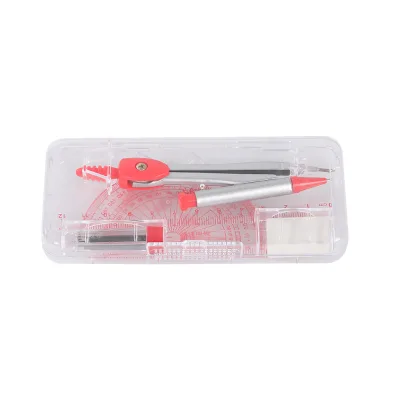


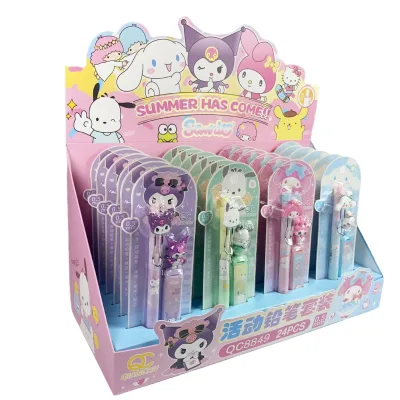


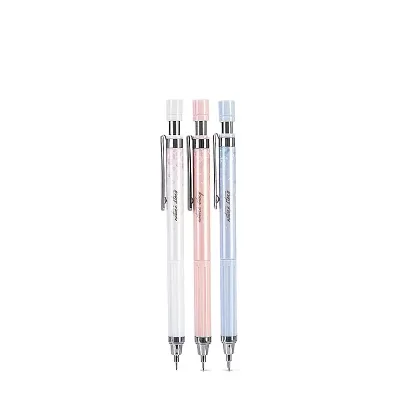


Wholesale Multi Colored Cute Mechanical Pencils with Custom Logo Printed
$0.15 - $0.25
MOQ: 10000 Pieces

Wholesale 12 Colors Mini Colored Pencil Set with Custom Logo for School
$0.19 - $0.28
MOQ: 1000 Pieces

Comprehensive Sourcing Guide
Strategic Sourcing Guide for Cartoon Mechanical Pencil Sets
Understanding Product Specifications and Variations
When sourcing cartoon mechanical pencil sets, buyers must first navigate a complex landscape of technical specifications that define the product's utility and market fit. The core product category is identified as mechanical pencils, distinguished from traditional wooden or colored pencils by their retractable lead mechanisms. A critical observation in the current market is the variation in body materials. While some high-volume listings indicate a plastic body construction, other segments of the market offer wooden variants, often described with attributes such as "Soft Red Black Linden" or "Poplar Wood." This distinction is vital for procurement strategies, as plastic bodies often align with lower cost points and mass customization, whereas wooden bodies may appeal to premium or eco-conscious segments.
The lead hardness is a fundamental specification that dictates the writing experience. The available data confirms a standard hardness of HB, which is the industry baseline for general writing. However, the broader market context for mechanical and graphite pencils often includes a wide spectrum of hardness ratings, ranging from soft grades like 2B, 3B, and up to 9B, to hard grades like H, 2H, and 3H. Buyers should verify if the specific cartoon set they are sourcing offers a single lead grade or a variety pack, as this impacts the target demographic, particularly for students and artists.
Another significant differentiator is the presence or absence of accessories. The supply chain data explicitly notes products that come "With Eraser" as well as those listed as "Without Eraser." For a cartoon-themed set, the inclusion of a functional eraser is often a key selling point for school and promotional buyers. Furthermore, the lead color is a specific attribute to consider. While standard mechanical pencils typically use graphite (black), some listings in the broader stationery category mention "Color" lead options, suggesting a potential overlap with colored mechanical pencils or dual-function tools. The physical dimensions also vary, with diameters ranging from 7mm to 10mm, and lengths described in both inches and centimeters, such as 3.5 inches or 18cm. These dimensions influence the ergonomics for different age groups, from young children to adults.
Compliance Standards and Certification Verification
For any educational or promotional product intended for global distribution, particularly in Europe and North America, compliance with safety standards is non-negotiable. The supplied data explicitly references the EN71 series of standards, specifically EN71-1, EN71-2, and EN71-3. These are the European safety standards for toys, covering mechanical and physical properties, flammability, and migration of certain elements, respectively. Given that cartoon mechanical pencils are often marketed toward children, adherence to these standards is a primary requirement for market entry in the EU.
In addition to EN71, the market data indicates the presence of CE and ISO certifications. The CE mark is a mandatory conformity marking for products sold within the European Economic Area, signifying that the manufacturer has assessed the product and meets EU safety, health, and environmental requirements. The mention of ISO certification suggests that the manufacturing facility adheres to international management system standards, which can be a proxy for consistent quality control processes. However, buyers must exercise caution; the presence of a certification label on a product listing does not guarantee that every unit in a specific batch is certified. It is essential to request valid, up-to-date test reports from the supplier that specifically cover the finished Cartoon Mechanical Pencil Set, including the specific materials used (plastic or wood) and the lead composition.
Buyers should also verify if the product meets other regional standards, such as ASTM F963 for the US market or CPSC requirements, which are not explicitly listed in the provided data but are critical for North American sales. The absence of specific lead time or test result data in the source material means that verification must be an active part of the sourcing process. Procurement teams should demand third-party laboratory test reports rather than relying solely on supplier self-declarations. The "Lead Pencil" standard mentioned in the data serves as a general classification but does not replace specific safety compliance testing for toys and children's products.
Cost Drivers and Pricing Dynamics
The pricing structure for cartoon mechanical pencil sets is influenced by a combination of material costs, customization complexity, and packaging requirements. The observed price range in the market spans from $0.08 to $10.13 USD, a wide variance that reflects differences in quality, branding, and order volume. At the lower end of the spectrum, products are likely to be basic plastic models with minimal customization, high MOQs, and simple packaging. The upper end of the price range may include premium wooden variants, complex cartoon designs, or sets with extensive accessory inclusions.
Material selection is a primary cost driver. Plastic bodies are generally more cost-effective to mass-produce compared to wooden bodies, which require more labor-intensive processing and sourcing of raw timber like linden or poplar. The choice of lead type also impacts cost; standard HB graphite is the most economical, while specialized leads or multi-color options may increase the unit price. Customization is another significant factor. The data confirms that customization is available, including logo printing and potentially custom colors. Adding a custom cartoon design or logo to the pencil body or packaging incurs additional tooling and setup costs, which can be amortized over larger order quantities.
Packaging plays a dual role in cost and logistics. The data highlights various packing configurations, such as 36 pieces per color box with 1,296 pieces per master carton, or 12 pieces per box with 1,344 pieces per master carton. Other options include PDQ (Packing Display Quantity) units and bulk polybag packaging. The choice of packaging material—ranging from simple polybags to premium metal tin boxes or paper tubes—directly affects the landed cost. Buyers must balance the desire for attractive, retail-ready packaging against the need to maintain a competitive price point. High-volume orders typically benefit from economies of scale, allowing for lower per-unit costs, but the minimum order quantity (MOQ) can range from as low as 1 unit for sampling to 30,000 units for full container loads.
Typical Applications and Market Segmentation
Cartoon mechanical pencil sets serve a diverse range of applications, primarily driven by their dual nature as functional writing instruments and promotional or gift items. The data identifies "Office & School" and "Promotional" as the primary usage categories. In the educational sector, these pencils are ideal for students due to their durability and the convenience of not requiring sharpening. The "Simplicity" and "Trend" styles mentioned in the data suggest that design aesthetics play a crucial role in student adoption, with cartoon themes appealing to younger demographics.
The promotional segment is equally significant. The attributes "Promotion Gift," "Christmas," and "Office" indicate that these products are frequently used as corporate giveaways, event swag, or holiday gifts. The ability to print logos on the pencils makes them highly effective for brand visibility. The target audience for these promotional items includes a broad age range, from "Adults, Boys, Girls, Teachers, Artists" to specific age groups like "Ideal Gift Age 3 4 5 6 7 8 9 10 11 12." This versatility allows buyers to source sets that cater to specific campaigns, whether targeting elementary school students with bright, colorful cartoons or corporate employees with more subdued, professional designs.
Furthermore, the data points to "Art Supplies" and "Drawing" as potential use cases, particularly for sets that include specialized leads or erasers. While mechanical pencils are less common for heavy artistic shading than traditional wooden pencils, they are excellent for technical drawing, sketching, and detailed work where line precision is required. The availability of different lead colors and hardness levels expands their utility beyond simple writing, making them suitable for a wider range of creative and professional applications.
Supplier Evaluation and Quality Control Protocols
Evaluating suppliers for cartoon mechanical pencil sets requires a rigorous approach to ensure product consistency and reliability. The origin of the products is predominantly listed as Cixi, Zhejiang, China, a region known for its manufacturing capabilities in stationery and plastic goods. Buyers should verify the supplier's production capacity and history, particularly their experience with custom cartoon designs and logo printing. The availability of customization suggests that the supplier should have in-house design capabilities or strong partnerships with design firms.
Quality control is paramount, especially given the safety implications of products intended for children. Buyers should implement a multi-stage QC process. First, request pre-production samples to verify that the cartoon design, logo placement, and material quality match the specifications. Second, conduct in-process inspections during production to catch any deviations in assembly or finishing. Finally, perform pre-shipment inspections to ensure that the final products meet all agreed-upon standards, including the EN71 and CE certifications mentioned in the data.
The data indicates various product models, such as 2112-1, 1084/2084, and 1141-1C/2141-1C. Each model may have unique quality characteristics. Buyers should establish clear acceptance criteria for each model, focusing on the smoothness of the lead mechanism, the durability of the body material, and the quality of the eraser. For wooden variants, checks should include the absence of splinters and the quality of the wood finish. For plastic variants, attention should be paid to the mold quality and the absence of flash or rough edges.
Long-Term Procurement Considerations and Scalability
Sourcing cartoon mechanical pencil sets is not merely a transactional exercise but a strategic decision that impacts long-term brand equity and supply chain resilience. Buyers should consider the scalability of the supplier's operations. The observed MOQ range of 1 to 30,000 units suggests that suppliers can accommodate both small test orders and large-scale production runs. However, buyers must ensure that the supplier can maintain quality consistency as order volumes increase. High-volume orders often require dedicated production lines and stricter quality control measures to prevent defects.
Sustainability is another long-term consideration. With the increasing demand for eco-friendly products, buyers should inquire about the recyclability of the materials used. While the data mentions "Natural Wood" and "Plastic," the environmental impact of these materials varies. Sourcing suppliers who utilize recycled plastics or sustainably harvested wood can provide a competitive advantage in the market. Additionally, the packaging materials should be evaluated for their environmental footprint, with a preference for recyclable or biodegradable options over single-use plastics.
Finally, buyers should plan for the lifecycle of the product. The "Cheap, Great Value, Popular" attributes suggest that these products are often viewed as consumables. However, by focusing on quality and safety, buyers can differentiate their offerings in a crowded market. Establishing a long-term relationship with a reliable supplier ensures consistent product availability, faster lead times, and better negotiation power on pricing. The ability to adapt to changing trends, such as new cartoon characters or evolving safety regulations, is also crucial for maintaining market relevance over time. By carefully evaluating these factors, buyers can build a robust supply chain that supports both immediate sales goals and long-term business growth.
FAQs
What certifications do these cartoon mechanical pencil sets have?
The products hold EN71-1, EN71-2, and EN71-3 safety standards for toys. They also carry CE and ISO certifications to ensure compliance with international safety and management requirements for global distribution.
Which body materials are available for these mechanical pencils?
The sets are available in both plastic and wood body materials. Plastic options are common for mass customization, while wooden variants often use soft red black linden or poplar wood for a premium feel.
Can buyers request logo printing on these cartoon pencil sets?
Yes, logo printing is available as a customization option for these mechanical pencils. This feature allows businesses to add branding for promotional gifts, office supplies, or school events effectively.
What is the typical lead hardness for these mechanical pencils?
The standard lead hardness is HB, which is the industry baseline for general writing. Some broader market options may include softer grades like 2B or harder grades like H for specialized drawing needs.
How are these cartoon mechanical pencil sets packaged for shipping?
Packaging varies by model, often including 36 pieces per color box or 12 pieces per box. Master cartons typically hold between 720 and 1344 pieces depending on the specific product configuration and volume.
Where are these cartoon mechanical pencil sets manufactured?
The products originate from Cixi, Zhejiang, China, a known hub for stationery manufacturing. This location supports the production of both plastic and wooden variants for the global market.