Source Plastic Mechanical Pencils for Office, School, and Promotional Use
Compare 24 listings of Plastic Mechanical Pencils with varying lead diameters, customization options, and packing styles. Buyers can evaluate specifications like lead hardness, body material, and accessory features for office, school, and promotional applications.
Key considerations
Products List


Lightweight Plastic Four Colors Plastic Mechanical Pencils for Students
$0.15 - $0.25
MOQ: 10000 Pieces


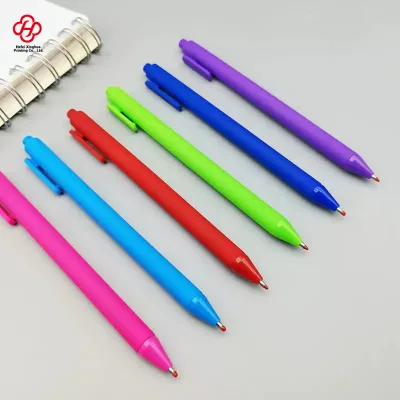


School Stationery Supplier 2.0mm Pencil Lead Colorful Mechanical Pencil
$0.11 - $0.14
MOQ: 4320 Pieces

Mechanical Pencil 0.7mm 0.5mm for Writing Drawing Bulk Office and School Supplies
$0.13 - $0.16
MOQ: 8640 Pieces
Comprehensive Sourcing Guide
Plastic Mechanical Pencils Sourcing Guide
Sourcing Plastic Mechanical Pencils requires a strategic balance between functional durability, aesthetic customization, and cost efficiency. These writing instruments are ubiquitous in office, school, and promotional contexts, serving as both essential tools and brand ambassadors. Buyers must navigate a wide array of specifications, from lead diameter and body material to packaging configurations and logo printing capabilities. The market offers significant flexibility, allowing purchasers to tailor products to specific brand identities or functional requirements without compromising on the core utility of the writing instrument.
The procurement process is heavily influenced by the observed diversity in product listings, which range from simple, utility-focused designs to more stylized options featuring cartoon aesthetics or specific color palettes. Understanding the underlying technical parameters, such as lead hardness and diameter, is critical for ensuring the final product meets the end-user’s expectations. Furthermore, commercial terms like minimum order quantities (MOQ) and packaging structures play a pivotal role in determining the total landed cost and logistical feasibility for international buyers.
Product Scope and Observed Listing Signals
The current market landscape for Plastic Mechanical Pencils reveals a broad spectrum of product variations, primarily defined by their intended usage and aesthetic appeal. Listings indicate that these products are commonly utilized in office and school environments, as well as for promotional purposes, suggesting a high demand for customizable branding options. Some models are also noted for use in carpentry, implying a need for robustness and visibility in professional settings. The observed styles range from simplicity to cartoon designs, catering to diverse consumer preferences and target demographics, from corporate clients seeking understated elegance to educational institutions looking for engaging, child-friendly options.
Material composition is a key differentiator, with plastic serving as the primary body material due to its lightweight nature and cost-effectiveness. Observations highlight variations in lead color, including black and colored options, which allow for specialized writing tasks or aesthetic customization. Additionally, the presence or absence of accessories such as erasers adds another layer of choice for buyers. Some models are equipped with erasers for convenience, while others are designed without them to maintain a sleek, minimalist profile. These variations enable buyers to select products that align precisely with their functional requirements and brand messaging.
Technical Specifications to Verify
Lead diameter is a fundamental technical specification that directly impacts writing precision and line width. Buyers should verify whether the pencils utilize 0.5mm or 0.7mm lead, as these are common standards in the industry. The 0.5mm diameter is typically preferred for detailed writing and note-taking, offering a finer line, while the 0.7mm option provides a bolder stroke that may be easier to see and is less prone to breakage under heavy pressure. Confirming the lead diameter is essential to ensure the product meets the specific writing habits and preferences of the end-users, particularly in professional or academic settings where precision is paramount.
Body dimensions and lead hardness are also critical factors that influence user comfort and writing performance. Standard dimensions observed in listings include lengths such as 145mm, 150mm, and 142mm, with diameters ranging from 9mm to 12mm. These variations affect the grip and balance of the pencil, which can significantly impact writing comfort during extended use. Additionally, lead hardness, such as HB, determines the darkness of the line and the resistance to wear. Buyers should request detailed specifications for each model to ensure that the physical attributes align with ergonomic expectations and writing quality requirements.
Compliance and Safety Documentation
Safety compliance is particularly important when sourcing mechanical pencils intended for school use or promotional giveaways, as these products may be handled by children. Buyers must ensure that the plastic materials used in the body construction are non-toxic and free from harmful substances such as phthalates or heavy metals. While specific certification statuses are not universally listed, it is prudent to request material safety data sheets (MSDS) or compliance certificates from suppliers to verify that the products meet international safety standards for consumer goods. This due diligence helps mitigate risks associated with product liability and ensures that the pencils are safe for their intended audience.
Environmental considerations are increasingly influencing procurement decisions, with many buyers seeking sustainable options. Although the primary material is plastic, buyers should inquire about the recyclability of the components and the packaging materials. Some suppliers may offer eco-friendly packaging solutions, such as recycled cardboard boxes or biodegradable OPP bags, which can enhance the brand’s sustainability profile. Verifying the environmental credentials of the product and its packaging can provide a competitive advantage in markets where corporate social responsibility is a key purchasing criterion.
Cost Drivers and Commercial Terms
The cost of Plastic Mechanical Pencils is influenced by several factors, including the complexity of the design, the quality of materials, and the extent of customization. Models with simple designs and standard specifications tend to be more cost-effective, while those featuring cartoon styles, multiple colors, or additional accessories like erasers may command higher prices. Logo printing is a common customization option that can add to the cost, depending on the number of colors and the printing method used. Buyers should obtain detailed quotes that break down these costs to understand the financial implications of their specific requirements.
Minimum order quantities (MOQ) and packaging configurations are significant commercial terms that affect the overall procurement strategy. Observed MOQs range from as low as 1 piece to as high as 60,000 pieces, offering flexibility for both small-scale trials and large-volume orders. Packaging options vary from individual OPP bags to bulk carton shipments, with some suppliers offering inner boxes for added protection. Understanding these terms is crucial for planning inventory levels and logistics, as larger orders may benefit from economies of scale but require more storage space and capital investment.
Supplier Qualification and Quality Control
Supplier qualification is a critical step in ensuring the reliability and consistency of the supply chain. Buyers should verify the supplier’s location, with many manufacturers based in regions like Zhejiang and Anhui in China, which are known for their manufacturing capabilities. It is advisable to assess the supplier’s production capacity, quality control processes, and track record in fulfilling orders. Requesting samples before placing a bulk order allows buyers to evaluate the product’s build quality, writing performance, and aesthetic appeal firsthand. This hands-on verification helps identify any potential issues early in the procurement process.
Quality control measures should be clearly defined and agreed upon with the supplier to ensure that the final products meet the specified standards. This includes checking for defects in the plastic body, ensuring the lead advances smoothly, and verifying the accuracy of logo printing. Some suppliers offer free samples, which can be a useful tool for initial quality assessment. Additionally, buyers should inquire about the supplier’s return policy and warranty terms in case of defective products. Establishing a robust quality control framework helps minimize risks and ensures that the procurement process results in satisfactory outcomes.
Long-Term Procurement Checks
Long-term procurement success depends on establishing a sustainable relationship with suppliers who can consistently deliver high-quality products. Buyers should monitor supplier performance over time, tracking metrics such as on-time delivery, product consistency, and responsiveness to issues. Regular communication and feedback loops can help identify areas for improvement and foster a collaborative partnership. Additionally, staying informed about market trends and technological advancements in mechanical pencil design can provide opportunities for innovation and differentiation in the final product offering.
Continuous evaluation of cost structures and commercial terms is essential to maintain competitiveness. Buyers should periodically review pricing, MOQs, and packaging options to ensure they remain aligned with market conditions and business objectives. Exploring alternative suppliers or negotiating better terms can help optimize costs without compromising quality. Furthermore, staying updated on regulatory changes and safety standards ensures that the products remain compliant and safe for end-users. By maintaining a proactive approach to supplier management and market analysis, buyers can secure a reliable and efficient supply chain for Plastic Mechanical Pencils.
FAQs
What customization options are available for these pencils?
Customization is available for these Plastic Mechanical Pencils. Buyers can request logo printing on the body, and the product supports various styles including simplicity and cartoon designs to match specific promotional needs.
Which lead diameters are offered for these mechanical pencils?
These mechanical pencils are offered with lead diameters of 0.5mm and 0.7mm. The specific model determines the diameter, allowing users to select the appropriate writing width for office, school, or carpentry applications.
How are these pencils packaged for bulk orders?
Packaging options include 1 piece per OPP bag with 50 pieces in an inner box and 1000 pieces in a master carton. Some models are also available in loose packaging or cardboard boxes depending on the specific product requirements.
Can I find these pencils with an eraser accessory?
Yes, some models come with an eraser accessory while others are available without one. Buyers should check the specific product model to confirm if the eraser is included before placing an order for office or school use.
What are the standard dimensions for these plastic pencils?
Standard dimensions vary by model, with sizes ranging from 9.5cm to 150mm in length and 9mm to 12mm in width. Specific models like XL-43021 measure 145mm by 10mm, while others differ slightly in size.
Where are these Plastic Mechanical Pencils manufactured?
These pencils are manufactured in China, with origins located in Zhejiang and Anhui provinces. The products are sourced from these regions and shipped via the Ningbo port for international distribution to various global markets.