Source Cartoon Snack Seal Clip for Food, Bags, and Storage
Find 30 Cartoon Snack Seal Clip options from verified suppliers in China. Compare features like material, size, and MOQ to select the right sealing solution for food bags and storage needs.
Key considerations
Products List

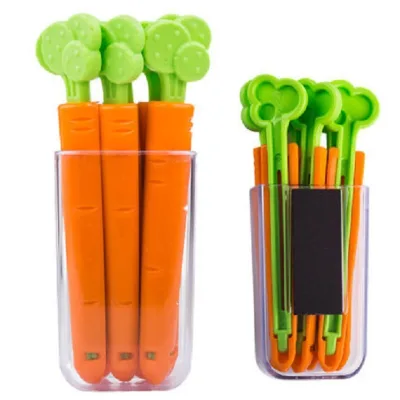
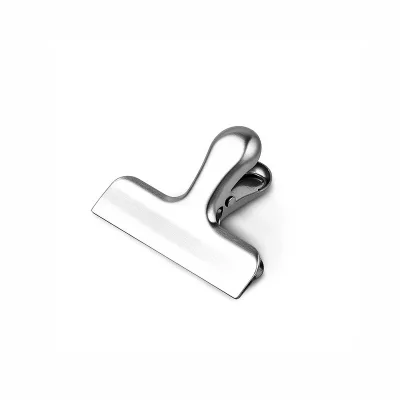
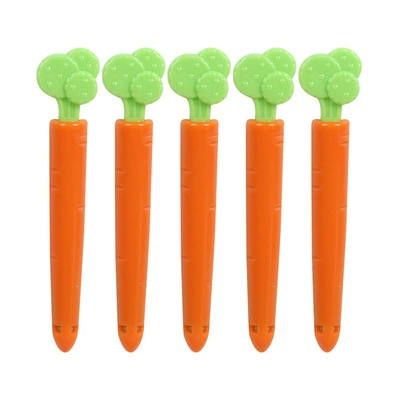


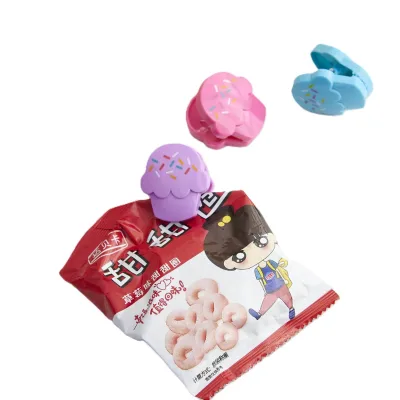
Wholesale Cartoon Cute Snack Bag Food Preservation Plastic Sealing Clip
$0.28 - $0.34
MOQ: 2940 Pieces


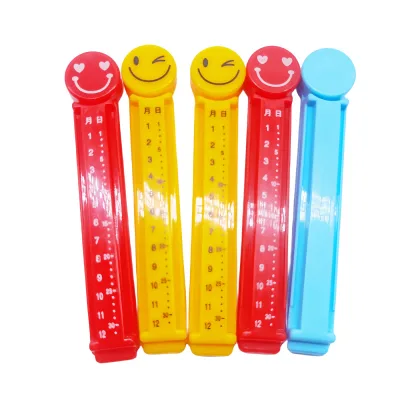


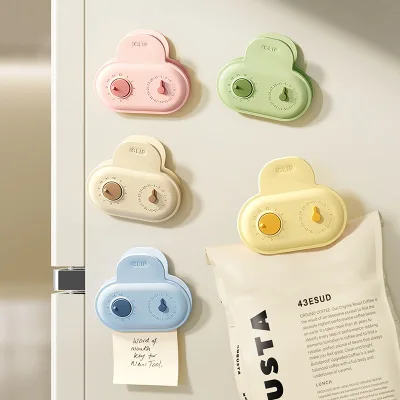
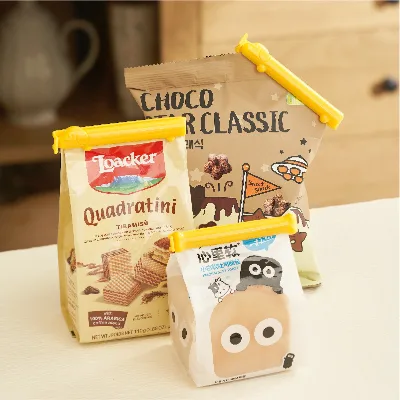
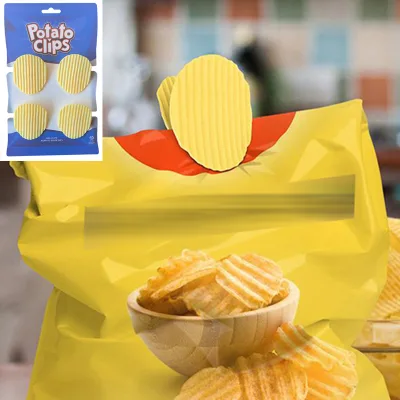
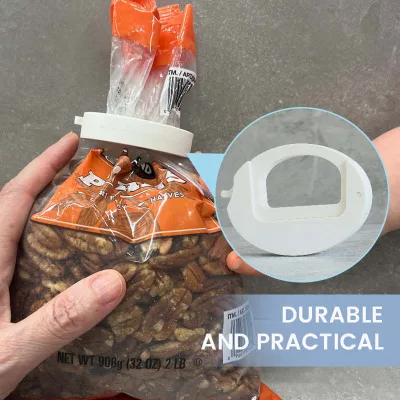


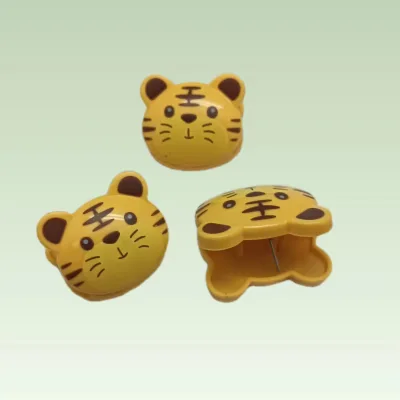

Custom Promotional Products Plastic Molding Storage Food Snack Sealing Bag Clips
$0.22 - $0.50
MOQ: 2000 Pieces


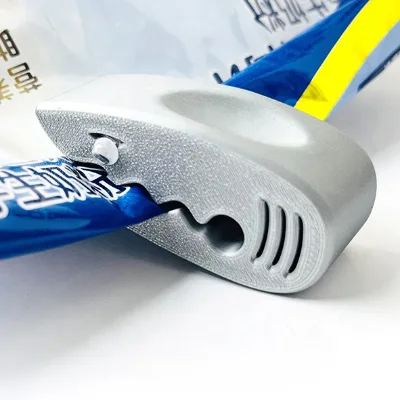
Comprehensive Sourcing Guide
Strategic Sourcing Guide for Cartoon Snack Seal Clips
The global demand for food preservation solutions has driven a surge in the market for specialized sealing devices, with the Cartoon Snack Seal Clip emerging as a distinct category blending utility with aesthetic appeal. For B2B procurement professionals, sourcing these items requires a nuanced understanding of the intersection between functional design, material safety, and supply chain logistics. This guide synthesizes available product data and industry standards to provide a structured approach for evaluating potential suppliers and selecting the right sealing solutions for retail, promotional, or private label markets. The focus remains on evidence-based criteria, ensuring that procurement decisions are grounded in verified specifications rather than marketing assertions.
Technical Specifications and Material Composition
When evaluating cartoon snack seal clips, the primary technical differentiator lies in the material composition and dimensional constraints. The supplied data indicates that the dominant material for these products is plastic, specifically noted as Plastic PP+PC (Polypropylene and Polycarbonate) in certain high-end variants. This combination is critical for food-grade applications, as PP offers excellent chemical resistance and flexibility, while PC provides structural rigidity and durability. Buyers must verify that the specific plastic formulation meets local food safety regulations, as the mere designation of "plastic" does not guarantee compliance with food contact standards.
Dimensional specifications vary significantly across the product range, influencing both storage efficiency and sealing capability. Observed data reveals a wide spectrum of sizes. Some models, such as those labeled as "Sealing clip," feature compact dimensions with a length up to 1.9 inches and a width up to 2.9 inches, packaged in a single unit size of 10x10x10 cm. In contrast, other variants, like the "Carrot Sealing Clip," present larger profiles with a size of 12x7x4 cm and a single package size of 10x10x5 cm. The weight also fluctuates, ranging from a lightweight 12g (0.010 kg) for standard clips to heavier units with a gross weight of 0.364 kg, likely indicating multi-component or bulk packaging. Procurement teams should prioritize the specific dimensional requirements of their target packaging lines, as a clip designed for small snack bags may not seal larger bulk containers effectively.
Functional Design and Application Versatility
The functional design of these clips is a primary driver for their adoption in the B2B sector. The core attributes identified include "Multi-functional," "Portable," "Flexible," and "Eco-Friendly." These features suggest a design philosophy aimed at reducing waste and enhancing user convenience. The "Multifunctional" aspect is particularly relevant for buyers targeting diverse retail environments, as these clips are often marketed for "Hanging Objects" and "On Walls" applications, in addition to their primary function as "Food Bag Clips."
The data highlights specific applications such as "fasten" and "Sealing Clip" usage, confirming their role in maintaining the freshness of dry goods. The "Carrot Sealing Clip" designation suggests a thematic approach to product design, where the clip's shape or color mimics food items to appeal to consumers, particularly in the snack and confectionery sectors. The "Popular" style and "Folding" capability further enhance their utility, allowing for compact storage when not in use. Buyers should assess whether the "Eco-Friendly" claim is supported by the material lifecycle, as the durability of the plastic directly impacts the product's environmental footprint. The ability to fold and the portability of the design make these clips suitable for both household use and commercial food service environments where space is at a premium.
Cost Drivers and Minimum Order Quantities
Understanding the cost structure of cartoon snack seal clips is essential for accurate budgeting and margin analysis. The observed Minimum Order Quantity (MOQ) ranges widely, from as low as 2 pieces to as high as 5000 pieces, with specific product listings citing MOQs of 50, 100, and 500 pieces. This variability suggests a tiered supply chain where suppliers offer different entry points based on customization levels and production capacity. For buyers seeking private label solutions with customized logos, the MOQ is likely to be higher, aligning with the "Customized Logo" and "OEM/ODM" support noted in the data.
The price range observed in the market is notably low, falling between 0 and 10 USD per unit, which indicates that these are high-volume, low-margin commodities. However, the final cost per unit is heavily influenced by the "Supply Ability," which is reported at 100,000 pieces per week for certain suppliers. This high capacity suggests that economies of scale are readily available, but buyers must negotiate based on their specific volume commitments. The "Sample time" of 5-7 days is a critical lead time factor for product development, allowing for rapid prototyping and quality verification before full-scale production. Buyers should also consider the "Single gross weight" and packaging dimensions (e.g., 10x10x10 cm) when calculating freight costs, as these factors directly impact the landed cost of the goods.
Supplier Evaluation and Origin Verification
Selecting the right supplier requires a rigorous evaluation of their geographic origin and manufacturing capabilities. The data points to two primary regions of origin: Anhui and Guangdong, China. Anhui is noted for producing items with a "Place of Origin" specifically listed as Anhui, while other variants originate from Guangdong, China. These regions are known for their robust manufacturing ecosystems, but buyers should verify the specific factory certifications and quality control processes in place. The presence of multiple brand names, including "AHMH," "Mohan," and "xj," alongside "no" brand options, indicates a market with both established private labels and generic unbranded suppliers.
When evaluating suppliers, procurement professionals should look for evidence of "OEM" and "ODM" capabilities, as these indicate a supplier's flexibility in adapting products to specific client needs. The "Warranty" period of 3 years mentioned for certain clips is an unusual and potentially valuable attribute that suggests high confidence in product durability, though it requires verification against the specific terms of service. Buyers must also confirm the "Port of dispatch," which is listed as SHANGHAI for some products, to ensure alignment with their logistics partners and shipping schedules. The "Stocked" status of certain items suggests immediate availability, which can be advantageous for urgent orders, whereas "Customized support" implies a longer lead time for bespoke runs.
Quality Control and Compliance Standards
Quality control for food-contact plastics is non-negotiable. While the supplied data confirms the material as "Plastic PP+PC," it does not explicitly list specific international certifications such as FDA, LFGB, or BPA-free status. Buyers must treat the "Eco-Friendly" and "Durable" attributes as observations that require validation through third-party testing. The absence of explicit certification data in the provided facts necessitates a proactive approach where buyers request test reports from the supplier to verify that the materials do not leach harmful substances into food products.
The "Type" of product is consistently identified as "Bag Clips" or "Sealing Clip," but the specific mechanism of the seal (e.g., spring-loaded, friction-fit) is not detailed. Quality assurance protocols should include stress testing for the "Folding" and "Flexible" features to ensure the clips do not crack or lose tension after repeated use. The "Single package size" and "Package: OPP Bag Packaging" details suggest that the packaging itself must also meet sustainability standards, especially if the buyer markets the product as eco-friendly. Buyers should verify that the OPP bags are recyclable or made from recycled content if this is a key selling point.
Long-Term Procurement Considerations
Sourcing cartoon snack seal clips is not merely a transactional exercise but a strategic decision that impacts brand perception and supply chain resilience. The "Popular" style and "Multifunction" design indicate a product with potential for longevity in the market, provided that trends in food packaging and consumer aesthetics are monitored. The "Customized Logo" and "OEM" options allow for brand differentiation, which is crucial in a crowded market. However, buyers must balance customization with the risk of obsolescence; designs that are too niche may limit future re-ordering potential.
Long-term procurement also involves managing the relationship with suppliers who offer "Supply Ability" of 100,000 pieces per week. This capacity is a significant asset for scaling operations, but it requires clear communication channels to manage fluctuations in demand. The "Sample time" of 5-7 days is a positive indicator of supplier responsiveness, but buyers should establish clear protocols for sample approval to avoid delays in the main production run. Furthermore, the "Warranty" of 3 years, if applicable, offers a layer of protection against manufacturing defects, but the terms must be clearly defined in the contract.
Comparative Analysis of Product Variants
To facilitate decision-making, the following table summarizes the key differences between the observed product variants based on the supplied data. This comparison highlights the trade-offs between size, weight, and origin that buyers must consider.
| Feature | Variant A (Sealing Clip) | Variant B (Carrot Sealing Clip) | Variant C (Generic Clip) |
|---|---|---|---|
| Brand Name | AHMH | Mohan | xj / no |
| Material | Plastic | Plastic PP+PC | Metal / Plastic |
| Dimensions | Up to 1.9in x 2.9in | 12x7x4 cm | sn227 (Model) |
| Weight | 0.364 kg (Gross) | 12g | N/A |
| Origin | Anhui | Anhui, China | Guangdong, China |
| MOQ | 50 Pcs | 100 Pcs | 500pcs |
| Color | Pink | Orange | N/A |
| Key Feature | Multi-functional, Portable | Eco-Friendly, Folding | Fasten, Durable |
| Application | On Walls, Hanging Objects | Food Bag Clips | 1 (General) |
This table illustrates that while all variants serve the core function of sealing, they differ significantly in scale, material composition, and supplier requirements. Variant A offers a larger, heavier unit suitable for general household use, while Variant B is a lightweight, food-specific clip with a distinct design. Variant C, originating from Guangdong, appears to be a more generic option with a higher MOQ, potentially suited for large-scale industrial or promotional distribution.
In conclusion, sourcing cartoon snack seal clips requires a balanced approach that weighs technical specifications against cost and compliance. By focusing on verified material properties, understanding the nuances of MOQ and lead times, and rigorously evaluating supplier capabilities, buyers can secure a reliable supply chain for these versatile and popular products. The data suggests a mature market with diverse options, but the ultimate success of the procurement strategy depends on the buyer's ability to validate claims and align product selection with specific business objectives.
FAQs
What materials are used for cartoon snack seal clips?
Most clips are made of plastic, specifically Plastic PP+PC for food-grade durability. Some variants use standard plastic formulations, while others may incorporate metal components for specific mechanisms. Buyers must verify food safety compliance as material designation alone does not guarantee safety.
How much is the minimum order quantity for these clips?
The minimum order quantity varies significantly by supplier, ranging from 50 pieces to 500 pieces. Specific listings show MOQs of 50, 100, and 500 pieces depending on the brand and customization level. Bulk orders may require higher quantities to secure volume pricing.
Can I get a customized logo on the sealing clips?
Yes, customized logos are welcomed on many variants, with OEM and ODM support available. Suppliers often require a sample time of 5 to 7 days for prototype approval before full production. This customization option is ideal for private label branding efforts.
Where are the cartoon snack seal clips manufactured?
Production primarily originates from Anhui and Guangdong provinces in China. Specific products list Anhui as the place of origin, while others are sourced from Guangdong. The port of dispatch for some shipments is Shanghai, facilitating international logistics.
What are the typical dimensions of the sealing clips?
Dimensions vary by model, with some clips measuring up to 1.9 inches in length and 2.9 inches in width. Other variants like the Carrot Sealing Clip have a size of 12x7x4 cm. Single package sizes typically range from 10x10x5 cm to 10x10x10 cm.
How long does it take to receive a sample?
The sample time is typically 5 to 7 days for standard requests. This lead time allows for rapid prototyping and quality verification before committing to large production runs. Buyers should confirm sample availability as some items are stocked while others require custom preparation.
What is the supply capacity for bulk orders?
Certain suppliers report a supply ability of 100,000 pieces per week, indicating high-volume manufacturing capacity. This level of output supports large-scale procurement needs for retail or promotional distribution. Buyers should verify specific capacity limits during negotiations to ensure timely delivery.