Source Cartoon Sports Radio for Outdoor, Indoor, and Professional Use
Explore 30 listings for Cartoon Sports Radio units suitable for outdoor events, indoor entertainment, and professional broadcasting. Compare features like LCD displays, rechargeable batteries, and Android systems to find the right fit for your needs; compare the available evidence and request quotations based on your requirements.
Key considerations
Products List
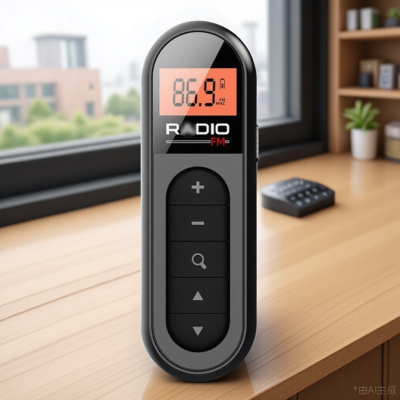

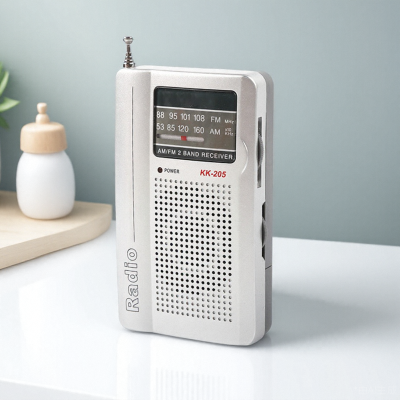


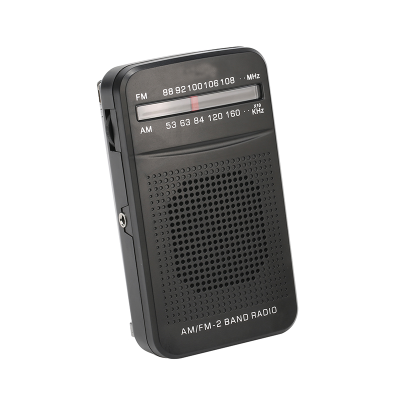


Dual Display Switching Handheld Two Way Radio with 2000mAh Battery Capacity
$23.00 - $27.00
MOQ: 2 Pieces


Portable Radio Multiband Mini Pocket World Receiver MP3 Player Digital Clock Radio
$2.58 - $2.78
MOQ: 1000 Pieces


Vintage Design Retro Wood Radio with Built-in Wireless Speaker Portable Retro Radio
$12.02 - $12.32
MOQ: 1000 Pieces

Customized High Quality Outdoor Bluetooth Speaker Portable Mini Radio with RGB Light
$6.93 - $7.23
MOQ: 1000 Pieces
Comprehensive Sourcing Guide
Cartoon Sports Radio Sourcing Guide
Sourcing specialized audio equipment like cartoon-themed sports radios requires a nuanced understanding of both aesthetic customization and functional reliability. Buyers must distinguish between decorative novelty items and professional-grade devices that can withstand active use in sports environments. The market offers a wide spectrum of products, ranging from simple FM receivers to complex Android-based infotainment systems. Understanding this distinction is critical for aligning procurement goals with actual operational needs, ensuring that the purchased units meet both brand identity requirements and technical performance standards.
This guide focuses on verifying the specific attributes of available units, such as display types, power sources, and connectivity options. By examining observed listing signals and technical specifications, procurement teams can make informed decisions that mitigate risk. The following sections provide a structured approach to evaluating suppliers, confirming compliance, and negotiating commercial terms. This disciplined method ensures that the final selection supports long-term business objectives while adhering to strict quality and safety benchmarks.
Product Scope and Observed Listing Signals
The current market landscape for cartoon sports radios includes diverse product types, from handheld FM units to dashboard-mounted Android systems. Observed listings indicate a significant variation in form factors, with some units featuring LCD or LED displays and others offering larger screen sizes up to nine inches. These devices often support multiple functions, including Bluetooth connectivity, GPS navigation, and MP3/MP4 playback. Buyers should carefully review the model numbers, such as MI03, PD368, and CSA series, to identify the specific capabilities and intended use cases for each variant.
Color options and physical dimensions also play a crucial role in product selection, with black, white, and silver finishes being common. The single package size typically measures around 15x12x5 cm for smaller units, while larger dashboard models may have different standard dimensions. It is essential to verify the power source, as some devices rely on rechargeable battery packs with capacities like 2000mAh, while others may support 12/24V vehicle power. This variability necessitates a thorough review of product descriptions to ensure compatibility with the intended deployment environment.
Technical Specifications to Verify
Technical verification begins with confirming the radio type and signal processing capabilities. Buyers should ensure that the device supports the required signal type, whether digital or analog, and check for professional radio features if high-fidelity audio is needed. The presence of an LCD or LED display is a key differentiator, affecting user interface usability and visibility in various lighting conditions. Additionally, the CPU and RAM/ROM configurations, such as 4CPU+4GPU with 2g+32g or 4+64G storage, are critical for Android-based systems to ensure smooth operation of navigation and media applications.
Connectivity and compatibility are equally important aspects of technical due diligence. Procurement teams must verify support for Bluetooth versions, such as BT5, and ensure compatibility with the target language settings, including English, Russian, Thai, and Hebrew. The inclusion of WiFi and GPS functionality enhances the utility of these devices for sports and outdoor applications. Buyers should also confirm the audio output configuration, typically L/R channel, to guarantee proper stereo sound reproduction. These specifications directly impact the user experience and the device's ability to integrate seamlessly into existing workflows.
Compliance and Safety Documentation
Compliance with international safety and environmental standards is non-negotiable for global procurement. Buyers must verify that suppliers provide valid certifications, such as CE, FCC, and RoHS, which attest to the product's adherence to electromagnetic compatibility and hazardous substance restrictions. These certifications are essential for market access in many regions and help mitigate legal risks associated with non-compliant electronics. Procurement teams should request copies of these certificates and cross-reference them with the specific model numbers to ensure authenticity and relevance.
Warranty and after-sales support are also critical components of the compliance framework. A standard warranty period of 12 months is commonly observed, providing a baseline for product reliability and supplier accountability. Buyers should clarify the terms of this warranty, including coverage for battery degradation and display defects. Additionally, understanding the return and replacement policies is vital for managing inventory risk. Ensuring that the supplier has a robust support structure in place helps maintain operational continuity and protects the buyer's investment in the long term.
Cost Drivers and Commercial Terms
Cost structures for cartoon sports radios are influenced by several key factors, including the complexity of the internal components and the level of customization required. Devices with advanced features like Android operating systems, GPS, and large screens typically command higher prices than basic FM radios. The choice between rechargeable battery packs and direct vehicle power connections also affects the overall cost. Buyers should analyze the price range, which can vary significantly based on these technical specifications, to identify the most cost-effective options that meet their functional requirements.
Minimum Order Quantities (MOQ) and shipping terms are critical commercial considerations that impact the total cost of ownership. Observed MOQs range from single units to thousands of pieces, allowing for flexibility in procurement strategies. Buyers should negotiate favorable shipping terms, such as sea, air, or express delivery, based on the urgency and volume of the order. Additionally, understanding the packaging details, such as individual box packing or carton shipping, helps in planning logistics and storage. Clear communication of these terms ensures transparency and prevents unexpected costs during the procurement process.
Supplier Qualification and Quality Control
Supplier qualification is a foundational step in mitigating procurement risk. Buyers should assess the supplier's manufacturing capabilities, particularly their ability to handle private molds and customizations. The observation that private molds are available indicates a supplier's flexibility in meeting specific branding or design requirements. Procurement teams should verify the supplier's production capacity and quality control processes to ensure consistent product quality. This includes checking for standardized production practices and adherence to specified dimensions and weight limits.
Quality control measures should extend to the final product inspection, focusing on functional testing and aesthetic integrity. Buyers should request sample units to evaluate the display quality, audio performance, and connectivity features before committing to large orders. Establishing clear acceptance criteria based on the observed specifications, such as battery capacity and screen size, helps in maintaining quality standards. Regular audits and performance reviews of the supplier can further ensure that the delivered products meet the agreed-upon specifications and maintain high reliability over time.
Long-Term Procurement Checks
Long-term procurement success depends on continuous monitoring of product performance and supplier reliability. Buyers should establish a feedback loop with end-users to gather insights on the durability and functionality of the cartoon sports radios in real-world applications. This data can inform future purchasing decisions and help identify areas for improvement in product design or supplier selection. Regularly reviewing warranty claims and return rates provides valuable metrics for assessing the overall quality and reliability of the sourced products.
Additionally, staying informed about technological advancements and market trends is essential for maintaining a competitive edge. Buyers should periodically reassess the technical specifications of available products to ensure they remain aligned with evolving customer needs and industry standards. This proactive approach allows for timely updates to procurement strategies and helps in identifying new opportunities for cost savings or feature enhancements. By maintaining a disciplined and evidence-based approach, procurement teams can build a resilient supply chain that supports long-term business growth.
FAQs
What display types are available for cartoon sports radios?
The available display types include LCD and LED screens. These displays provide clear visual feedback for radio functions and settings. Buyers can choose between different display technologies based on their specific operational needs and preferences for visibility in various lighting conditions.
Can I customize the color of the Cartoon Sports Radio?
Yes, customization is available for these radios. Standard color options include black, white, and silver. Buyers seeking specific branding or aesthetic preferences can request custom color configurations to align with their corporate identity or specific market requirements for the final product.
What certifications do these radios hold for safety?
These radios hold CE, FCC, and RoHS certifications. These certifications ensure compliance with international safety and environmental standards. Buyers can rely on these documented credentials to meet regulatory requirements in various global markets, ensuring the products are safe for consumer use and distribution.
What is the warranty period for the Cartoon Sports Radio?
The warranty period is 12 months. This coverage provides buyers with assurance regarding product reliability and manufacturer support. The warranty helps mitigate risks associated with potential defects, offering peace of mind for B2B purchasers who require dependable equipment for their specific operational environments.
How is the Cartoon Sports Radio packaged for shipping?
Each unit is packed individually into a box. The single package size is 15x12x5 cm, and the gross weight is 0.300 kg. This standardized packaging ensures safe transit and efficient handling, allowing buyers to calculate logistics costs accurately and manage inventory storage effectively.
What is the minimum order quantity for these radios?
The minimum order quantity is greater than 2 units. Some listings indicate an MOQ of 1 piece, while others specify higher thresholds. Buyers should verify the specific MOQ with the supplier to ensure their order volume meets the manufacturer's production and shipping requirements.