Source Cartridge Tubular Heating Element for Industrial Ovens
Find and compare 30 Cartridge Tubular Heating Element options from verified Chinese manufacturers. Evaluate specifications like SUS304 sheath materials, CE/RoHS certifications, and custom voltage ranges to select the right heating solution for your production needs; compare the available evidence and request quotations based on your requirements.
Key considerations
Products List






Comprehensive Sourcing Guide
Cartridge Tubular Heating Element Sourcing Guide
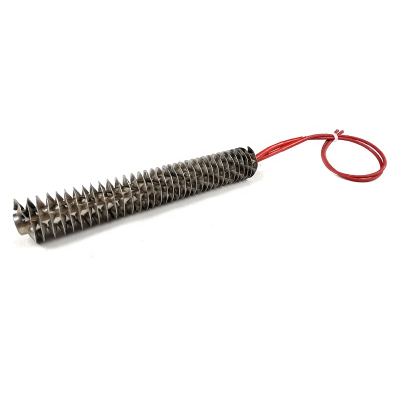
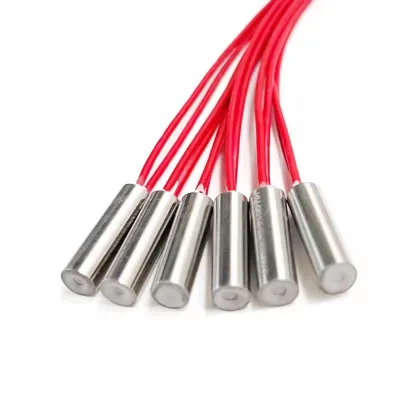
Buyers must first distinguish between standard tubular configurations and specialized cartridge designs, as the observed product data reveals a mix of tubular heat exchangers and distinct cartridge heating elements. The listing signals indicate that while many units feature a tubular shape with resistance wire inside, others are explicitly categorized as far outside heating tubes or round cartridge types. This variation requires precise definition of the physical form factor to ensure the component fits the intended machinery housing without modification.
Procurement teams should verify whether the specific model number, such as JY-CH046 or JY-CH071, aligns with the required thermal profile for the application. The data shows that some listings offer customized features while others adhere to standard dimensions, meaning a generic search may yield incompatible parts. Clarifying the exact shape and type early in the inquiry prevents costly mismatches between the heating element's geometry and the target equipment's thermal zone.
Product Scope and Observed Listing Signals
The market data indicates a wide range of wattage tolerances, typically observed between +5% and -10%, which directly impacts the consistency of heat output across different batches. Buyers should scrutinize these tolerances to ensure that the heating element will not exceed safe operating limits for the target material or process. Understanding the specific wattage variance allows for better thermal management planning and prevents overheating risks in sensitive industrial applications.
Voltage availability spans from 12V to 380V, with some listings offering fully customized voltage options to match specific power infrastructure. This flexibility is critical for global procurement, as facilities may operate on different electrical standards. Sourcing teams must confirm the exact voltage requirement before ordering, as the presence of a standard range does not guarantee that a specific custom voltage is available without a dedicated production run.
Technical Specifications to Verify
Material selection is a primary technical decision, with observed sheath materials including SUS304, 321, 316, and 310, alongside tube materials like Incoloy600/800/840. The choice of alloy depends heavily on the operating environment, particularly regarding corrosion resistance and maximum temperature exposure. Buyers must match the specific alloy grade to the chemical and thermal stresses of the application to ensure long-term durability and prevent premature failure.
Maximum operating temperatures are listed up to 800 degrees, yet the standard cold zone dimensions vary between 5-10mm and 4mm to 25mm depending on the model. These cold zones are essential for safe installation and connection points, preventing heat transfer to sensitive components or wiring. Verification of the cold zone length and diameter tolerance, which can be as tight as 0.02mm, is necessary to ensure a proper fit within the machine's mounting holes.
Compliance and Safety Documentation
Certification status varies across listings, with some products holding CE, UL, and RoHS marks, while others display CE, ISOCCC, or ISORoHS combinations. Buyers must request specific certification documents for the exact model being purchased, as the presence of a certification on one listing does not guarantee it applies to all variants. Ensuring the correct safety marks are present is vital for regulatory compliance in the destination market and for meeting internal safety protocols.
The principle of operation relies on heating resistance wire inside the tube, a standard mechanism that requires verification of wire material quality. Some data points mention Ni-Cr wire, which is a common standard for high-temperature resistance, but the specific grade and construction should be confirmed. Documentation should explicitly state the wire composition and insulation properties to validate that the element can withstand the intended thermal cycling without degradation.
Cost Drivers and Commercial Terms
Pricing in the observed range spans from 0.5 to 40 USD, driven significantly by the level of customization and the specific material grade selected. Customized features, such as unique lengths, diameters, or voltage configurations, typically incur higher costs compared to standard off-the-shelf models. Buyers should anticipate that requests for non-standard specifications will increase the unit price and potentially affect the minimum order quantity requirements.
Minimum order quantities range from 3 pieces to 1000 pieces, creating a barrier for small-scale testing or prototyping projects. The data shows some suppliers offering low MOQs of 3 pieces, while others may require bulk purchases to justify production runs. Procurement planners must align their order volume with the supplier's MOQ to avoid unnecessary inventory costs or the inability to secure the product at all.
Supplier Qualification and Quality Control
Origin locations are noted as China, with specific mentions of Shenzhen, indicating a concentration of manufacturing capabilities in this region. Buyers should verify the specific factory location to assess logistics costs and lead times, as shipping from different cities within the same country can vary. Understanding the supply chain geography helps in estimating delivery schedules and managing potential risks associated with regional disruptions.
Quality control is evidenced by the availability of one-year warranties and standardized packing methods like export cartons or wooden boxes. However, the variation in packing descriptions, ranging from standard cartons to customized options, suggests that packaging quality may depend on the specific order terms. Buyers should explicitly confirm the packaging standard in the purchase agreement to ensure the product arrives without damage during transit.
Long-Term Procurement Checks
Resistance and wattage tolerances are critical for long-term performance, with observed ranges of +10% to -5% for resistance and +5% to -10% for wattage. Over time, these tolerances can drift, affecting the efficiency and safety of the heating system. Establishing a baseline for these values during the initial purchase allows for easier comparison during future maintenance or replacement cycles.
The availability of customization and the ability to make logo marks as required suggest a flexible supply chain, but this flexibility must be managed carefully. Buyers should maintain clear records of the specific model numbers and custom specifications agreed upon to ensure future orders match the original design. Consistency in specifications is key to maintaining system reliability and avoiding compatibility issues with existing machinery.
FAQs
What certifications are available for cartridge tubular heating elements?
Cartridge tubular heating elements typically carry CE, UL, and RoHS certifications to ensure safety and compliance. Some models may also include ISOCCC or ISORoHS approvals depending on the manufacturer. These certifications verify that the product meets international standards for electrical safety and environmental protection, which is critical for industrial applications.
Can I customize the voltage for these heating elements?
Yes, customization is available for voltage requirements. The standard range offered is 12V to 380V, but specific voltage needs can be tailored to customer specifications. This flexibility allows the heating elements to integrate seamlessly into various electrical systems, ensuring optimal performance and safety for diverse industrial heating applications.
What materials are used for the sheath of these elements?
The sheath material is commonly made from stainless steel grades such as SUS304, 321, 316, and 310. Other options include SS304, SS316, Ss321, and Incoloy600/800/840. These materials provide excellent corrosion resistance and durability, ensuring the heating element withstands high temperatures and harsh industrial environments effectively.
What is the maximum operating temperature for these tubes?
The maximum operating temperature for these tubular heating elements is 800 degrees Celsius. This high thermal capacity allows them to be used in demanding industrial processes requiring intense heat. The design ensures stable performance within this range, making them suitable for applications like plastic molding, packaging, and other high-temperature manufacturing tasks.
What is the minimum order quantity for these products?
The minimum order quantity varies, with some listings indicating an MOQ of 3 pieces, while others range up to 1000 units. This flexibility accommodates both small-scale testing and large-scale industrial procurement. Buyers should verify the specific MOQ with the supplier to ensure it aligns with their production volume and budget constraints.
How is the packaging handled for these heating elements?
Packaging options include standard export cartons, wooden boxes, or customized solutions based on customer requirements. The standard packing ensures safe transit and protection against damage. Customized packaging can be arranged for specific logistical needs, ensuring the heating elements arrive in optimal condition for immediate installation and use in various industrial settings.