Source CE Certified Aluminium Heating Plates for Cars, Planes, Subways
Find 30 CE Certified Aluminium Heating Plates from verified suppliers. Compare specifications like power density, voltage, and surface treatment for transportation tools, door and window, and heat sink applications; compare the available evidence and request quotations based on your requirements.
Key considerations
Products List




Comprehensive Sourcing Guide
CE Certified Aluminium Heating Plates Sourcing Guide
Procuring CE Certified Aluminium Heating Plates requires a rigorous approach to verifying both material integrity and electrical safety compliance. Buyers must distinguish between general aluminium sheet products and specialized heating elements, as the latter involve complex thermal management and electrical integration. The core challenge lies in ensuring that the "CE" marking is not merely a label but a validated declaration of conformity with relevant European health, safety, and environmental protection standards. This guide outlines the critical technical, commercial, and quality control checkpoints necessary to mitigate supply chain risks.
Successful sourcing depends on aligning product specifications with specific industrial applications, such as extrusion industries or injection moulding processes. The observed data indicates that these components often feature resistance wires made from Nicr or Fecral, operating within specific voltage ranges. Buyers should prioritize suppliers who provide transparent documentation regarding the heating element's construction, including the type of cooling mechanism, whether air-cooled or water-cooled. By focusing on these fundamental technical attributes, procurement teams can ensure that the selected heating plates meet the operational demands of high-temperature environments without compromising safety or performance.
Product Scope and Observed Listing Signals
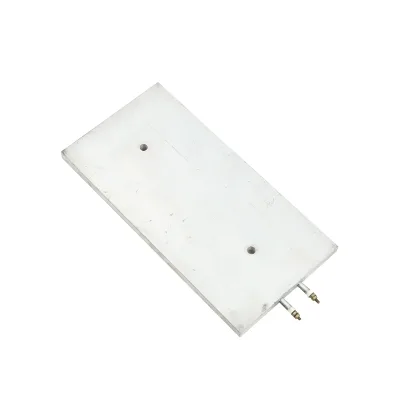
The product scope for CE Certified Aluminium Heating Plates extends beyond simple flat sheets to include specialized heating elements designed for industrial thermal processes. Observed listings indicate that these products are often categorized under broader aluminium sheet or plate categories but are distinguished by their functional heating capabilities. The shape of these components can vary, with both plate and round forms appearing in the data, suggesting versatility in design to fit different machinery configurations. Buyers should note that while the base material is aluminium, the functional core involves resistance wires, typically Nicr or Fecral, which generate heat when energized.
Understanding the observed listing signals is crucial for accurate procurement. The data reveals that these products are often associated with specific models, such as JY-CSH010 and JY-CSH011, which may indicate standardized designs for common applications. The presence of both air-cooled and water-cooled models suggests that thermal management is a key differentiator. Buyers should verify whether the specific model they require supports the necessary cooling method for their application. Additionally, the observed power density range of 2.5-4.5W/cm2 provides a baseline for evaluating thermal efficiency, though specific values must be confirmed for each unit.
Technical Specifications to Verify
Verifying technical specifications is the first step in ensuring that the heating plates will perform reliably in your production environment. The maximum operation temperature is a critical parameter, with observed ranges indicating capabilities between 400 and 500 degrees Celsius. Buyers must confirm that this temperature limit aligns with their process requirements, as exceeding it can lead to material degradation or safety hazards. The input voltage is another key specification, with observed ranges from 100V to 400V, and specific availability at 220V or 380V. Ensuring voltage compatibility with your facility's power supply is essential to prevent electrical damage.
Power output and tolerance are equally important technical details that require careful verification. The data indicates that power can be customized, with a specific example of 3000W, but buyers should request detailed specifications for their exact needs. Wattage tolerance is observed to be +5% and -10%, which impacts the consistency of heat output. Additionally, the inner diameter of the heating element is often customizable, allowing for integration into specific machinery. Buyers should also verify the surface treatment, such as polished finishes, which can affect heat dissipation and durability. Confirming these technical details ensures that the heating plates meet the precise operational parameters required for your application.
Compliance and Safety Documentation
Compliance with CE standards is a non-negotiable requirement for selling and using heating plates in the European market. The CE marking indicates that the product meets the essential health and safety requirements of relevant European directives. Buyers should request the full CE declaration of conformity, which should specify the directives under which the product is certified. This documentation should be accompanied by a technical file that includes design drawings, calculations, and test reports. Verifying the authenticity of the CE marking is crucial, as counterfeit or improperly certified products can pose significant safety risks and legal liabilities.
In addition to CE certification, buyers should look for other relevant certifications that enhance product reliability. The observed data mentions ISO9001, ASTM, JIS, and GB standards, which indicate adherence to international quality management and material specifications. While these are not directly related to CE compliance, they provide additional assurance of the manufacturer's quality control processes. Buyers should also verify that the product complies with RoHS regulations, which restrict the use of hazardous substances. Ensuring that all compliance documentation is complete and up-to-date helps mitigate risks associated with non-compliant products and ensures smooth customs clearance.
Cost Drivers and Commercial Terms
Understanding the cost drivers for CE Certified Aluminium Heating Plates is essential for accurate budgeting and negotiation. The primary cost factors include the material grade, such as the 7000 series aluminium, and the complexity of the heating element design. Customization options, such as specific power outputs or dimensions, can significantly impact the price. Buyers should request detailed quotes that break down the costs of materials, labor, and certification. The observed price range in USD is broad, from 2.78 to 2000, reflecting the variability in product specifications and customization levels.
Commercial terms, such as price terms and minimum order quantities, also play a significant role in the total cost of ownership. The data indicates that price terms can include Ex-Work, FOB, CFR, and CIF, which affect the allocation of shipping and insurance costs. Buyers should negotiate terms that align with their logistics strategy and risk tolerance. The observed MOQ range is 1 to 3000 units, with a specific mention of 3 tons for certain products. Understanding these commercial terms helps buyers make informed decisions about order sizes and payment schedules, ensuring that the procurement process is both cost-effective and efficient.
Supplier Qualification and Quality Control
Qualifying suppliers for CE Certified Aluminium Heating Plates requires a thorough assessment of their manufacturing capabilities and quality control processes. Buyers should verify that the supplier has a robust quality management system, ideally certified to ISO9001, which ensures consistent product quality. The supplier's ability to provide detailed technical documentation, including material certificates and test reports, is a key indicator of their commitment to quality. Buyers should also assess the supplier's experience in producing heating elements for specific applications, such as extrusion or injection moulding, to ensure they understand the unique requirements of these processes.
Quality control measures should be verified through on-site audits or third-party inspections. Buyers should request samples for testing to confirm that the heating plates meet the specified technical parameters, such as power density and maximum operation temperature. The supplier's ability to provide traceability for materials and components is also important, as it allows for quick identification of any defects or issues. By rigorously qualifying suppliers and implementing strict quality control measures, buyers can ensure that the heating plates they procure are reliable, safe, and compliant with all relevant standards.
Long-Term Procurement Checks
Long-term procurement of CE Certified Aluminium Heating Plates requires a strategic approach to supplier relationships and supply chain resilience. Buyers should establish clear performance metrics and service level agreements with their suppliers to ensure consistent quality and delivery. Regular reviews of supplier performance, including on-time delivery rates and defect rates, help identify areas for improvement and maintain high standards. Building a strong relationship with the supplier can lead to better pricing, priority support, and collaborative problem-solving, which are essential for long-term success.
Supply chain resilience is another critical aspect of long-term procurement. Buyers should diversify their supplier base to mitigate risks associated with single-source dependencies. This includes identifying alternative suppliers who can provide similar products and maintaining a buffer stock of critical components. Regularly reviewing market trends and technological advancements can also help buyers stay ahead of the curve and make informed decisions about product upgrades or replacements. By focusing on long-term procurement checks, buyers can ensure a stable and reliable supply of CE Certified Aluminium Heating Plates that meet their operational needs.
FAQs
What is the standard width range for these aluminum plates?
The standard width range for these aluminum plates is 500 to 2000 millimeters. This specification includes a tolerance of plus or minus 1.0 millimeter. Buyers should verify their specific dimensional requirements against this range to ensure compatibility with their manufacturing processes and equipment constraints.
Which surface treatments are available for these heating plates?
Available surface treatments include bright, polished, hairline, brush, and checkered finishes. The primary surface treatment listed is polished. Selecting the appropriate finish depends on the specific application requirements, such as heat dissipation efficiency or aesthetic needs for visible components in transportation or industrial settings.
What is the minimum order quantity for these products?
The minimum order quantity is 3 tons. This threshold applies to the aluminum sheet and plate products. Buyers should consider their inventory needs and production schedules when planning orders to meet this requirement while maintaining efficient supply chain management and cost control.
Can these plates be customized for specific dimensions?
Yes, customization is available for these aluminum plates. While standard sizes are offered, the product attributes indicate that customization is a supported feature. Buyers can request specific dimensions or shapes to fit their unique application requirements, ensuring the final product meets precise engineering specifications.
What certifications are associated with these aluminum plates?
These aluminum plates are associated with ISO9001, ASTM, JIS, GB, CE, and RoHS certifications. These standards indicate compliance with international quality management and safety regulations. Verifying specific certification documents is recommended to ensure the products meet the regulatory requirements of your target market.
What is the typical packaging for these aluminum plates?
The typical packaging includes wooden cases, cartons, pallets, and wooden boxes. This combination ensures secure transport and protection of the aluminum plates during shipping. Proper packaging is essential to prevent damage and maintain the integrity of the material surface finish upon arrival.
What are the common applications for these aluminum plates?
Common applications include transportation tools, door and window frames, heat sinks, and decorations. They are also used in marine applications, cars, planes, and subways. The 7000 series alloy and specific temper grades make them suitable for high-strength structural and thermal management components.