Source CE Certified Aluminium Pressure Cooker for Gas, Electric, and Industrial Use
Find and compare CE Certified Aluminium Pressure Cooker options across 30 listings. Evaluate capacities from 5L to 5000L, power sources including gas and electric, and customization availability for diverse commercial and household applications.
Key considerations
Products List


Pressure Cooker France Style Aluminium Pressure Cooker From 3 Liters to 50 Liters
$5.30 - $6.00
MOQ: 1200 Pieces


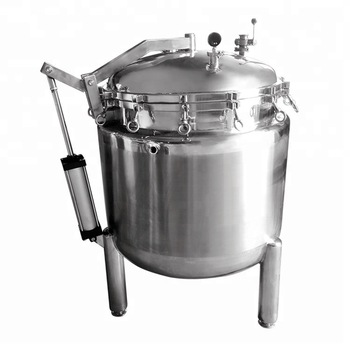
Stainless Steel Electric Heating 500 Liter Industrial Pressure Cooker
$2000.00 - $20000.00
MOQ: 1 Pieces

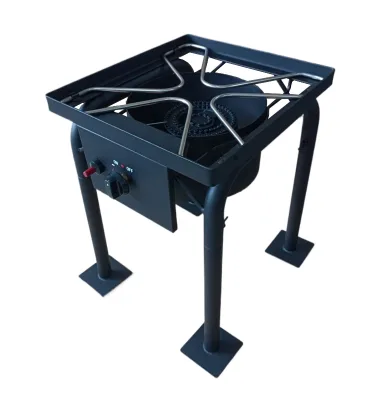

Classic 5 Liter Pressure Cooker Fast Cooking Aluminum High Pressure Cooker
$18.00 - $20.00
MOQ: 300 Pieces




Comprehensive Sourcing Guide
CE Certified Aluminium Pressure Cooker Sourcing Guide
Sourcing CE certified aluminium pressure cookers requires a nuanced understanding of the distinction between traditional stovetop models and modern electric multifunction units. The core keyword highlights two critical attributes: the material composition, which is predominantly aluminium alloy for its superior heat conductivity and lightweight nature, and the regulatory compliance, specifically the CE mark indicating adherence to European health, safety, and environmental protection standards. Buyers must recognize that "CE certified" is not a single product type but a compliance status that applies differently across various pressure cooker designs. The market offers a wide spectrum of products, from simple, non-customized stovetop pots to complex, semi-automatic electric units with customizable voltages and power ratings. Understanding this diversity is the first step in defining a precise procurement specification that aligns with your target market’s regulatory expectations and consumer preferences.
The procurement landscape for these items is characterized by significant variability in technical specifications, packaging standards, and origin locations, primarily concentrated in Chinese manufacturing hubs such as Dongguan and Guangzhou. Observed listing signals indicate that suppliers offer capacities ranging from small domestic units of 5L and 6L to large industrial-scale vessels capable of holding up to 5000 liters. This breadth suggests that buyers are not limited to a single product category but can source a comprehensive range of pressure cooking solutions from a single supply chain network. However, this variety necessitates rigorous verification of individual product attributes, as a supplier offering a 5L stovetop cooker may not necessarily provide the same level of support or certification for a 1000L industrial steam vessel. The buyer’s initial task is to segment these offerings based on end-use application, ensuring that the selected models meet the specific operational demands of the intended customer base.
Product Scope and Observed Listing Signals
The product scope for aluminium pressure cookers encompasses both gas-stove-compatible stovetop models and electric multifunction units, each serving distinct culinary and industrial purposes. Stovetop variants, such as those identified by model numbers like PC01 or C30-25L, typically feature aluminum alloy inner pots with body thicknesses ranging from 1.5mm to 4.2mm, designed for direct heat application on gas burners. These units often lack timing devices and rely on manual pressure regulation, appealing to traditional cooking methods or high-volume commercial kitchens where durability and rapid heat transfer are prioritized. In contrast, electric models, such as the 6L Multifunction Electric Pressure Cooker, integrate electrical heating elements with a power output of approximately 1050W, offering automated control and versatility for home or office environments. These electric units often feature sandwich bottoms for even heat distribution and come with customized voltage options, such as 220V-250V or 110V, to accommodate regional electrical standards.
Observed listing signals reveal a strong emphasis on customization and varied packaging solutions, reflecting the B2B nature of these transactions. Suppliers frequently offer customization options for product names, branding, and specific technical attributes, allowing buyers to tailor products to their brand identity. Packaging standards vary significantly by capacity and type; for instance, a 5L stovetop cooker might be packed as one piece per box with six boxes per carton, while a 6L electric unit may have a different carton configuration due to its additional electrical components. Industrial-scale units, ranging from 100 to 5000 liters, are often packed in wooden boxes to ensure safe transit of heavy machinery. These packaging details are critical for logistics planning, as they directly impact shipping volume, weight, and handling requirements. Buyers must carefully review the unit packing dimensions and gross weight specifications to optimize freight costs and warehouse storage efficiency.
Technical Specifications to Verify
When evaluating aluminium pressure cookers, verifying the material composition and structural integrity is paramount to ensure product longevity and safety. The inner pot material is consistently identified as aluminum alloy, which provides excellent thermal conductivity but requires proper coating or treatment to prevent reactivity with acidic foods. Buyers should verify the body thickness, which can range from 1.5mm to 4.2mm depending on the model, with thicker bodies generally offering better durability and pressure retention. For stovetop models, the diameter and overall dimensions, such as the 34cm diameter observed in certain listings, must be checked against kitchen appliance standards to ensure compatibility with standard cookware storage and usage scenarios. Additionally, the handle material, often specified as black bakelite, should be confirmed for heat resistance and ergonomic design, as this is a critical safety component that users handle during high-pressure cooking operations.
Electrical specifications are equally critical for electric pressure cooker models, requiring precise verification of voltage, power, and automatic grade. The observed power rating of 1050W for a 6L unit suggests a balance between cooking speed and energy efficiency, but buyers must confirm that this aligns with their target market’s electrical infrastructure. Voltage customization options, such as 110V or 220V-250V, are essential for international distribution, and buyers must ensure that the supplier can provide the correct configuration for each destination country. Furthermore, the automatic grade, described as semi-automatic in some listings, indicates the level of user intervention required, which impacts the product’s market positioning. For industrial units, specifications such as pressure ratings (e.g., 0.2 MPa) and heating methods (electrical or steam) must be validated to ensure they meet the operational demands of commercial food processing or sterilization tasks.
Compliance and Safety Documentation
Compliance with CE certification is a non-negotiable requirement for selling pressure cookers in the European market, and buyers must verify the authenticity and scope of these certifications. The CE mark indicates that the product meets EU safety, health, and environmental protection requirements, but it is crucial to distinguish between general product compliance and specific directive adherence. For electrical pressure cookers, this includes compliance with Low Voltage Directive (LVD) and Electromagnetic Compatibility (EMC) directives, ensuring that the electrical components are safe and do not interfere with other devices. Buyers should request detailed test reports and certificates from recognized notified bodies, rather than relying solely on supplier declarations. The presence of ISO certification, such as ISOCE mentioned in some listings, may indicate adherence to quality management systems, but it does not replace product-specific safety certifications.
Safety documentation must also cover mechanical integrity and pressure relief mechanisms, which are critical for preventing accidents during operation. For stovetop models, buyers should verify that the pressure release valves and sealing rings meet relevant European standards for pressure vessel safety. The absence of timing devices in some models suggests a reliance on manual monitoring, which places a higher burden on the user and may require additional safety warnings or instructional materials. For electric models, the inclusion of automatic safety features, such as over-pressure protection and thermal cutoffs, should be documented and verified. Buyers must ensure that all safety-related components are sourced from reputable suppliers and that the final assembly process includes rigorous quality checks to maintain compliance with CE standards throughout the product’s lifecycle.
Cost Drivers and Commercial Terms
The cost of aluminium pressure cookers is influenced by several key factors, including material quality, manufacturing complexity, and certification requirements. Aluminium alloy is a relatively inexpensive material, but the cost increases with thicker body walls, additional coatings, and complex electrical components in electric models. Customization options, such as branded packaging or specific voltage configurations, can also add to the unit cost, as they require additional production steps and inventory management. Buyers should note that observed price ranges vary widely, from low-cost basic stovetop models to high-end electric units, reflecting the diversity in features and target markets. Understanding these cost drivers allows buyers to negotiate more effectively and align their procurement budget with the desired product specifications.
Commercial terms, including Minimum Order Quantity (MOQ) and lead times, play a significant role in the procurement strategy. Observed MOQs range from one set for large industrial units to 4000 pieces for smaller consumer goods, indicating that suppliers are flexible in their order requirements. However, lower MOQs may come with higher unit prices due to the fixed costs of production setup and packaging. Buyers should also consider the packaging standards, as different packing configurations can affect shipping costs and storage efficiency. For instance, wooden box packaging for industrial units may incur higher freight costs compared to standard carton packaging for smaller units. Negotiating clear commercial terms, including payment methods, shipping responsibilities, and warranty conditions, is essential to mitigate risks and ensure a smooth supply chain operation.
Supplier Qualification and Quality Control
Supplier qualification is a critical step in ensuring the reliability and consistency of the pressure cooker supply chain. Buyers should prioritize suppliers with a proven track record in manufacturing aluminium cookware and a strong understanding of CE compliance requirements. Factories located in established manufacturing hubs like Dongguan and Guangzhou often have access to better supply chains and skilled labor, which can contribute to higher product quality. However, location alone is not a guarantee of quality, and buyers must conduct thorough due diligence, including factory audits and sample evaluations. Verifying the supplier’s production capacity and quality control processes is essential, especially when dealing with large orders or customized products. Buyers should also assess the supplier’s ability to provide consistent product specifications across different batches, as variations in material thickness or electrical components can impact performance and safety.
Quality control measures must be implemented at multiple stages of the production process to ensure that the final products meet the agreed-upon standards. This includes incoming material inspections, in-process quality checks, and final product testing. For aluminium pressure cookers, key quality control points include verifying the inner pot material, checking the body thickness and diameter, and testing the electrical components for safety and functionality. Buyers should establish clear acceptance criteria and inspection protocols, and consider hiring third-party inspection agencies to conduct pre-shipment inspections. These inspections can help identify potential defects or compliance issues before the goods are shipped, reducing the risk of returns or disputes. Additionally, buyers should maintain open communication with suppliers to address any quality concerns promptly and implement corrective actions to prevent recurrence.
Long-Term Procurement Checks
Long-term procurement success depends on continuous monitoring of supplier performance and market trends. Buyers should regularly review supplier delivery times, product quality, and responsiveness to issues, using this data to inform future purchasing decisions. Building a strong relationship with reliable suppliers can lead to better pricing, priority production, and improved support for customization requests. Additionally, staying informed about changes in CE regulations and European market standards is crucial to ensure ongoing compliance. Buyers should proactively engage with suppliers to update their products in line with new regulatory requirements, avoiding potential disruptions in supply or sales. Regular audits and performance reviews help maintain high standards and foster a collaborative partnership that benefits both parties.
Market dynamics and consumer preferences are also evolving, requiring buyers to adapt their procurement strategies accordingly. The growing demand for multifunctional and energy-efficient appliances may influence the types of pressure cookers that are most profitable to source. Buyers should monitor sales data and customer feedback to identify trends and adjust their product mix accordingly. Additionally, exploring opportunities for product innovation, such as new materials or enhanced safety features, can provide a competitive advantage in the market. By maintaining a flexible and informed procurement approach, buyers can navigate the complexities of the pressure cooker market and achieve sustainable growth. Long-term success in this sector requires a balance of rigorous quality control, strategic supplier management, and agile market responsiveness.
FAQs
What certifications do these pressure cookers have?
The products hold CE and EU certifications as documented in the specifications. Some listings also reference ISOCE standards. Buyers should verify specific certification documents for each supplier before finalizing orders to ensure compliance with local regulations.
Which capacities are available for aluminum pressure cookers?
Available capacities range from 5 liters to 12 liters for standard models. Larger industrial units can reach up to 5000 liters. Specific sizes like 6L and 10L are explicitly listed in the product attributes for various electric and gas models.
Can I customize the voltage for electric pressure cookers?
Yes, voltage customization is available for electric models. The standard range is 220V to 250V, but 110V options can be requested. Buyers must specify their required voltage during the inquiry to ensure the manufacturer produces the correct electrical configuration.
What is the minimum order quantity for these cookers?
The minimum order quantity varies significantly by product type. Some items start at one set, while others require up to 4000 units. Specific listings show MOQs ranging from 1 to 4000 depending on the model and customization level requested.
Where are these aluminum pressure cookers manufactured?
Manufacturing locations include Dongguan and Guangzhou in China. Some products are explicitly marked as originating from mainland China. Buyers should confirm the specific factory location with the supplier to verify shipping logistics and origin details.
How is the product packed for shipping?
Packaging varies by capacity and model type. Standard units often come in color boxes or cartons with specific outer box dimensions. Larger industrial sets may be packed in wooden boxes. The net weight and gross weight are provided for each packing configuration.
What materials are used for the inner pot?
The inner pot material is specified as aluminum alloy for most models. Some listings also mention general aluminum material for the body. The body thickness ranges from 1.5mm to 4.2mm, ensuring durability for both gas and electric stove applications.