Source CE Certified Aluminum Explosion-Proof Light for Industry
Compare 30 CE Certified Aluminum Explosion-Proof Light options from verified suppliers. These units feature IP65 protection, halogen or incandescent sources, and are suitable for industrial, commercial, and hazardous environments; compare the available evidence and request quotations based on your requirements.
Key considerations
Products List


Green LED Emergency LED Explosion Proof Exproof Hazardous Location Exit Light
$38.00 - $48.00
MOQ: 10 Pieces


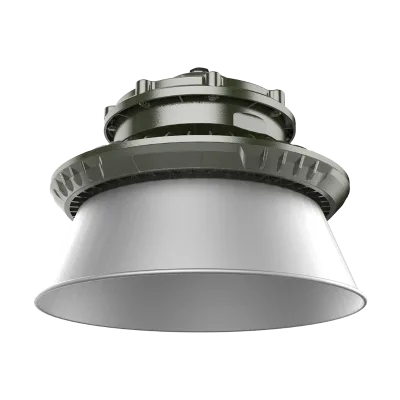


Compact Lamp Explosion-Proof Light Emergency Lighting Fixture Power Supply Safe
$320.00 - $360.00
MOQ: 1 Pieces

Comprehensive Sourcing Guide
CE Certified Aluminum Explosion-Proof Light Sourcing Guide
Procuring industrial lighting for hazardous environments requires strict adherence to safety standards and material durability. Buyers must prioritize fixtures that combine robust aluminum alloy construction with certified explosion-proof ratings to ensure operational safety in volatile atmospheres. The core keyword highlights the necessity of CE certification, which serves as a baseline for regulatory compliance in many international markets, ensuring the product meets essential health and safety requirements for electrical equipment.
This guide focuses on identifying reliable suppliers who provide transparent technical documentation and verified material specifications. Sourcing decisions should be driven by a clear understanding of the specific environmental hazards, such as explosive gas or dust concentrations, and the corresponding protection classes required. By aligning procurement strategies with these critical safety parameters, buyers can mitigate risks associated with equipment failure and ensure long-term operational continuity in demanding industrial settings.
Product Scope and Observed Listing Signals
The observed market data indicates a diverse range of lighting solutions, with prices varying significantly from low-cost portable units to specialized industrial fixtures. Listings frequently highlight key attributes such as halogen or incandescent light sources, power ratings between 6W and 10W for fixed installations, and specific explosion-proof markings like Exd II CT4. These signals help buyers distinguish between general-purpose lighting and specialized hazardous area equipment, ensuring that the selected product matches the specific risk classification of the intended installation site.
Material composition is a critical differentiator, with aluminum alloy lamp bodies being a common feature for durability and heat dissipation. Buyers should also note the presence of IP65 protection ratings, which indicate effective dust tightness and protection against water jets, essential for outdoor or washdown environments. Additionally, some listings mention rechargeable battery options for portable use, highlighting the versatility of modern lighting designs that cater to both fixed industrial applications and mobile maintenance tasks.
Technical Specifications to Verify
Verifying the lamp holder type, such as E27, is essential for ensuring compatibility with existing bulb inventory and maintenance protocols. Buyers must confirm the cable outside diameter specifications, typically ranging from 11-13mm, to ensure proper sealing and fitment within conduit systems or junction boxes. The weight of the fixture, often around 2.9kgs, impacts installation logistics and structural support requirements, so engineers should assess mounting points and load-bearing capacities before finalizing procurement decisions.
The distinction between fixed and portable units is crucial, with some products featuring single live line wiring and others utilizing rechargeable lithium batteries. Buyers should verify the runtime capabilities, which may exceed six hours for battery-operated models, and confirm the switch mechanism, such as back-push on/off switches, for ease of use in protective gear. Additionally, the principle of operation, whether resistive or intelligent, affects control integration and energy efficiency, requiring careful evaluation against the facility's automation and monitoring systems.
Compliance and Safety Documentation
CE certification is a fundamental requirement, but buyers must also look for additional standards such as RoHS, GS, and CCC, which indicate broader regulatory compliance and safety testing. The presence of specific explosion-proof marks, like Exce II At2, provides critical information about the fixture's suitability for different gas groups and temperature classes. Buyers should request detailed certification documents to verify that the testing was conducted by an accredited body and that the product matches the certified design exactly.
Documentation should also include material safety data sheets and installation manuals that specify the surface preparation of components like reflecting cups, which are often metallic and smooth for optimal light distribution. Buyers must ensure that the supplier provides clear guidance on maintenance procedures and replacement parts, as improper handling can compromise the explosion-proof integrity of the fixture. Comprehensive documentation reduces the risk of non-compliance during safety audits and ensures that maintenance teams can perform repairs correctly.
Cost Drivers and Commercial Terms
The price range of 7.2 to 380 USD reflects significant variations in complexity, certification depth, and material quality. Buyers should analyze cost drivers such as the type of light source, power efficiency, and the inclusion of additional features like rechargeable batteries or intelligent controls. Higher-priced items often include more rigorous testing, specialized materials, or custom packaging solutions, which can reduce long-term maintenance costs and improve overall system reliability in harsh environments.
Minimum order quantities (MOQ) typically range from 1 to 100 units, offering flexibility for both small-scale replacements and large-scale projects. Buyers should negotiate commercial terms that include clear definitions of packaging, such as export cartons or standard cartons, to prevent damage during transit. Understanding the port of loading, often Shanghai Port China, helps in calculating logistics costs and lead times, allowing for more accurate budgeting and inventory planning for ongoing maintenance needs.
Supplier Qualification and Quality Control
Evaluating supplier qualifications involves verifying their ability to meet specific client requirements and industry standards like GJB3836 for military or specialized industrial applications. Buyers should assess the supplier's quality control processes, including surface preparation techniques and material sourcing, to ensure consistency in product performance. A supplier's willingness to provide customization options indicates a higher level of service capability, which can be valuable for unique installation requirements or branding needs.
Quality control checks should include visual inspections of the lamp body and reflecting cup, as well as functional tests of switches and electrical connections. Buyers should request sample units for testing in simulated environments to verify IP ratings and explosion-proof integrity before committing to large orders. Establishing a clear communication channel for technical support and after-sales service is also essential, as it ensures rapid resolution of any issues that may arise during installation or operation.
Long-Term Procurement Checks
Long-term success depends on establishing a reliable supply chain that can provide consistent product quality and timely delivery. Buyers should monitor supplier performance metrics, such as defect rates and response times, to identify potential issues early. Regular audits of the supplier's quality management system can help ensure that they continue to meet the required standards and adapt to any changes in regulatory requirements or industry best practices.
Building a relationship with the supplier can facilitate access to new product developments and improved pricing structures over time. Buyers should also maintain a detailed inventory of spare parts and consumables, such as bulbs and batteries, to minimize downtime during maintenance activities. By proactively managing these aspects, organizations can ensure the continued safety and efficiency of their hazardous area lighting systems, reducing the risk of operational disruptions and enhancing overall workplace safety.
FAQs
What certifications do these lights have?
These lights carry CE, RoHS, GS, and CCC certifications. This ensures compliance with international safety and environmental standards for industrial use. Buyers can verify these marks on product listings to confirm regulatory adherence before placing orders for hazardous area lighting solutions.
What is the power consumption range?
The power consumption ranges from 6W to 10W for standard models. Some rechargeable variants operate at 1W. This low energy usage supports efficient operation in industrial settings while maintaining adequate illumination for safety-critical environments requiring explosion-proof lighting.
Can the product be customized?
Yes, customization is available for these lights. Manufacturers can adjust specifications to meet client requirements, including specific standards like GJB3836. This flexibility allows buyers to tailor lighting solutions for unique industrial applications or specific regulatory environments without compromising safety.
What material is used for the lamp body?
The lamp body is constructed from aluminum alloy. This material provides durability and corrosion resistance, essential for harsh industrial environments. The robust construction supports the IP65 protection rating, ensuring the light remains sealed against dust and water ingress during operation.
What is the minimum order quantity?
The minimum order quantity ranges from 1 to 100 units. This flexible MOQ allows buyers to test samples or order larger batches. It accommodates both small-scale procurement needs and bulk industrial purchases, facilitating easier sourcing for various project sizes.
Where is the product shipped from?
Products are shipped from Shanghai Port in China. This major logistics hub ensures efficient global distribution. Buyers can expect reliable export packaging, such as cartons, to protect items during transit. The origin is clearly stated to assist in calculating shipping costs and lead times.