Source CE Certified Brass Stop Cock for Faucets, Valves, and Pipes
Find and compare CE Certified Brass Stop Cock options from verified manufacturers. This sourcing guide covers 30 available products with details on materials, thread types, and customization support for industrial and residential applications.
Key considerations
Products List


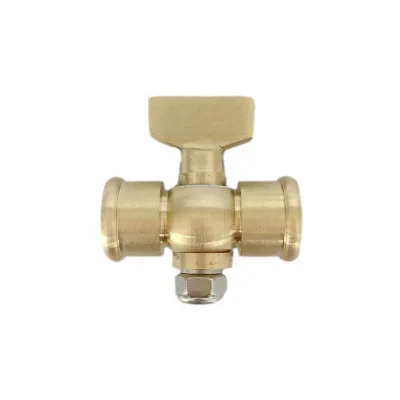


Comprehensive Sourcing Guide
CE Certified Brass Stop Cock Sourcing Guide
Sourcing brass stop cock valves requires a disciplined approach to balancing material integrity, regulatory compliance, and commercial viability. The term "CE certified" often serves as a primary filter for buyers seeking products that meet European health, safety, and environmental protection standards. However, the brass valve market is diverse, ranging from simple manual stop cocks to complex globe valves with specialized sealing forms. Buyers must navigate this landscape by distinguishing between generic brass fittings and specialized components like bellows globe valves or wall-mounted basin stop cocks. The core keyword highlights a specific intersection of material (brass), function (stop cock), and regulatory expectation (CE certification), but the actual product listings reveal a broader spectrum of technical configurations, including manual actuators, gland packings, and various thread positions.
This guide provides evidence-based procurement advice for sourcing brass stop cock valves, focusing on the verification of technical specifications, compliance documentation, and supplier qualifications. The observed market data indicates a wide range of product models, such as ST08, ST09, HS10, and BS1010, each with distinct structural and application characteristics. While some products are designed for ordinary temperature water applications, others are specified for low-temperature environments or general basin usage. Understanding these distinctions is critical for ensuring that the selected valve meets the specific operational requirements of the end project, whether it involves industrial piping, residential plumbing, or specialized fluid control systems.
Product Scope and Observed Listing Signals
The product scope for brass stop cocks encompasses a variety of designs, from traditional single-handle wall-mounted units to industrial-grade globe valves with through-way structures. Observed listings indicate that materials are predominantly brass, with surface finishes ranging from natural color to forged textures. The application range is equally diverse, covering common basins, general usage scenarios, and specialized industrial contexts like bellows globe valve applications. Buyers should note that while the core keyword emphasizes "stop cock," the market includes related products such as air cocks and globe valves, which may share similar material properties but differ significantly in function and installation requirements.
Listing signals reveal significant variation in technical attributes, including stem thread positions, sealing forms, and temperature ratings. For instance, some products feature inside screw stems with gland packings, suitable for ordinary temperature water, while others are designed for low-temperature media. The observed price range of 0.5-30 USD and MOQs between 100-5000 units suggest a market segmented by volume and customization needs. Buyers must carefully review these signals to align their procurement strategy with the specific technical demands of their project, avoiding the assumption that all brass stop cocks are interchangeable regardless of their structural design or intended media.
Technical Specifications to Verify
Verifying technical specifications is paramount to ensuring the longevity and performance of brass stop cock valves. Key attributes to confirm include the valve structure, such as through-way or single-hole designs, and the sealing form, which may involve gland packings or other mechanisms. The stem thread position, whether inside or outside, impacts maintenance and operation, particularly in high-cycle applications. Additionally, the temperature rating of the valve, whether ordinary, medium, or low temperature, must match the operating conditions of the fluid system. Buyers should also verify the port size, which can range from 1/4" to larger dimensions, and the connection type, typically thread-based for these products.
Material composition and manufacturing processes are equally critical. The observed listings indicate that brass is the primary material, often subjected to forging processes to enhance durability and leak resistance. Surface treatments, such as natural color finishes, may affect corrosion resistance and aesthetic appeal. Buyers should request detailed material certificates to confirm the brass alloy composition, ensuring it meets relevant standards for lead content and mechanical strength. Furthermore, the installation method, whether wall-mounted or flanged, and the functional design, such as single-handle or multi-handle configurations, must be validated against the site’s infrastructure and user requirements.
Compliance and Safety Documentation
Compliance with regulatory standards is a non-negotiable aspect of sourcing brass stop cock valves, particularly when targeting markets with strict health and safety regulations. The CE mark is a common indicator of conformity with European directives, but buyers must verify the specific standards under which the certification was granted. Observed listings mention standards such as DIN, ANSI, and BS1010, which govern dimensions, pressure ratings, and material properties. Buyers should request copies of the Declaration of Conformity and test reports to ensure that the valves meet the relevant directives for pressure equipment, machinery, or low voltage, depending on the application.
In addition to CE certification, other standards and certifications may be relevant, such as ISO 13485 for medical device quality management or EN 331 for gasketed joints. While these are listed as low-confidence background information, buyers should proactively inquire about their applicability to their specific use case. For potable water applications, compliance with drinking water regulations is essential, requiring verification of lead-free brass compositions and anti-siphon features. Buyers should also check for any additional certifications required by local authorities or industry-specific bodies, ensuring that the procurement process does not encounter regulatory hurdles during installation or commissioning.
Cost Drivers and Commercial Terms
Cost drivers for brass stop cock valves include material prices, manufacturing complexity, customization options, and order volume. The observed MOQ range of 100-5000 units suggests that economies of scale play a significant role in pricing, with lower unit costs achievable at higher volumes. Customization, such as OEM branding or specific dimensional adjustments, can increase costs due to setup fees and material waste. Buyers should negotiate clear terms regarding price breaks, payment methods, and currency fluctuations to mitigate financial risks. Additionally, the delivery time, observed to be around 45 days, should be factored into the total cost of ownership, considering potential inventory holding costs or production delays.
Commercial terms also encompass packaging, shipping, and after-sales support. Observed packaging methods include bags, cartons, and pallets, which vary in cost and protection level. Buyers should specify packaging requirements to prevent damage during transit and ensure efficient handling at the destination. Warranty terms, return policies, and technical support availability are critical components of the commercial agreement. Buyers should clarify the supplier’s responsibility for defective products and the process for claiming replacements or refunds. Transparent communication regarding these terms helps establish a reliable partnership and reduces the risk of unexpected expenses or operational disruptions.
Supplier Qualification and Quality Control
Supplier qualification is essential to ensure that brass stop cock valves meet quality and reliability standards. Buyers should conduct thorough due diligence on potential suppliers, verifying their business licenses, manufacturing capabilities, and quality management systems. The observed listings indicate that suppliers are located in China, with some specifying origins in Hubei province. Buyers should request factory audits or third-party inspection reports to assess production facilities, equipment, and workforce competence. Additionally, verifying the supplier’s experience in exporting to the target market and their familiarity with relevant standards can provide confidence in their ability to deliver compliant products.
Quality control measures should be integrated into the procurement process to minimize defects and ensure consistency. Buyers should define clear quality acceptance criteria, including dimensional tolerances, material certifications, and performance tests. Implementing pre-shipment inspections or hiring third-party inspection agencies can help identify issues before goods are dispatched. Suppliers should provide detailed quality control plans, outlining inspection points, testing methods, and corrective action procedures. Establishing a robust quality control framework not only protects the buyer from substandard products but also fosters a culture of continuous improvement and accountability within the supply chain.
Long-Term Procurement Checks
Long-term procurement checks involve monitoring supplier performance, market trends, and regulatory changes to ensure ongoing compliance and value. Buyers should establish key performance indicators (KPIs) to track delivery times, product quality, and customer service responsiveness. Regular reviews of supplier performance can identify areas for improvement and inform decisions regarding contract renewals or supplier diversification. Additionally, staying informed about changes in industry standards, such as updates to CE directives or new environmental regulations, is crucial for maintaining compliance. Buyers should engage with industry associations or regulatory bodies to stay ahead of potential shifts in the regulatory landscape.
Sustainability and ethical sourcing are increasingly important considerations in long-term procurement strategies. Buyers should assess suppliers’ environmental practices, including waste management, energy consumption, and carbon footprint reduction initiatives. Verifying that suppliers adhere to ethical labor practices and provide safe working conditions is also essential for maintaining brand reputation and social responsibility. By integrating these checks into the procurement process, buyers can build resilient supply chains that deliver value, ensure compliance, and contribute to positive social and environmental outcomes. This proactive approach helps mitigate risks and supports the long-term success of the procurement function.
FAQs
What customization options are available for brass stop cock valves?
Customization is available for these brass stop cock valves, including OEM and ODM support. Buyers can request specific modifications to the product model or packing style to meet unique requirements while maintaining the standard brass material and thread connection features.
How long is the delivery time for these brass stop cock valves?
The delivery time is about 45 days for standard orders. This lead time applies to the production and shipping process from the origin in China, ensuring that the valves meet the specified standards like DIN or ANSI before reaching the buyer.
Which product models are available for the brass stop cock valves?
Available product models include ST08, ST09, ST02, ST04, ST10, HS10, HS07, and BS10. These models cover various specifications ranging from 12mm to 25mm or 1/2 inch to 1 inch, suitable for different installation and media requirements.
Can I order samples of the brass stop cock valves before bulk purchase?
Yes, samples are available for evaluation before placing a bulk order. This allows buyers to verify the quality of the brass material, the natural color surface finish, and the thread connection before committing to the minimum order quantity of 1000 units.
What is the minimum order quantity for these brass stop cock valves?
The minimum order quantity is 1000 units for standard orders. While the observed range shows values between 100 and 5000, the confirmed high-confidence fact sets the baseline requirement at 1000 units for this specific brass stop cock product line.
How are the brass stop cock valves packaged for shipment?
The valves are packaged in bags, cartons, and pallets to ensure safe transport. Some variations may use box plus carton plus pallet configurations, providing robust protection for the brass material and preventing damage during international shipping from China.