Source Forged Drill Collar for Oil Mining, Well Drilling, and Coal Mining
Find and compare 30 Forged Drill Collar options suitable for oil mining, well drilling, and coal mining applications. These tools are available in materials like alloy and stainless steel, with customization options and various thread types such as NC31 and 4 1/2 Reg to meet specific BHA requirements.
Key considerations
Products List
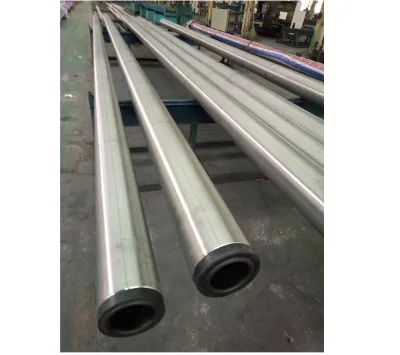

Precision Forged Slick Drill Collar for Consistent Downhole Weight Distribution
$1000.00 - $20000.00
MOQ: 1 Pieces

Non-Magnetic Flex Drill Collar for Well Drilling Forged Steel Drill Pipe
$1000.00 - $10000.00
MOQ: 1 Pieces

New Non-Magnetic Flex Drill Collar for Well Drilling Forged Steel Drill Pipe
$1000.00 - $30000.00
MOQ: 1 Pieces

API Standard Forged 3 1/2" Non-Magnetic Drill Collars Logging While Drilling (LWD)
$1000.00 - $10000.00
MOQ: 1 Pieces


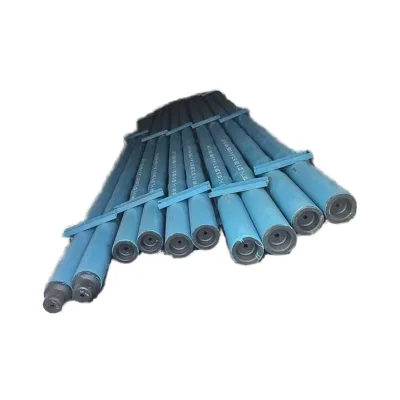
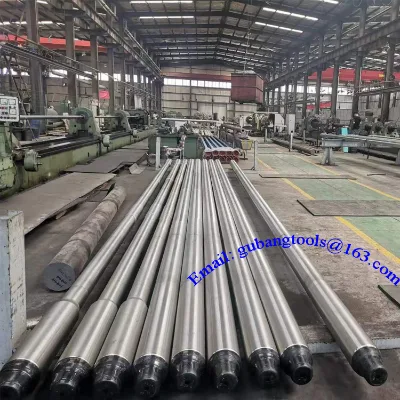


Non-Magnetic Drill Collar for Precision Oil and Gas Drilling Applications
$1200.00 - $8000.00
MOQ: 1 Pieces


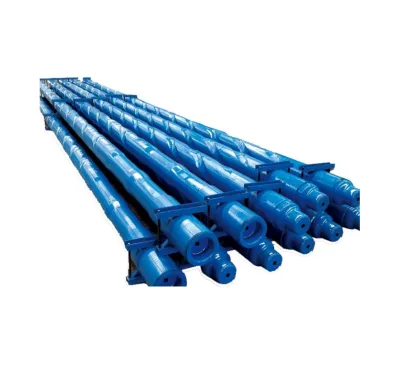


Comprehensive Sourcing Guide
Forged Drill Collar Sourcing Guide
Procuring forged drill collars requires a disciplined approach to balancing mechanical integrity with operational efficiency in demanding drilling environments. These heavy-duty components serve as the backbone of the Bottom Hole Assembly (BHA), providing the necessary weight on bit (WOB) to penetrate rock formations while stabilizing the drill string to prevent buckling and vibration. Buyers must recognize that the manufacturing process fundamentally dictates the product’s performance characteristics; forged units generally offer superior grain flow and impact resistance compared to cast alternatives, making them the preferred choice for high-stress applications such as HDD drilling, oil drilling, and coal mining. The sourcing strategy must therefore prioritize verification of the manufacturing method, ensuring that the supplier utilizes proper forging techniques followed by precision CNC milling to achieve the exact dimensional tolerances required for specific well conditions.
The global market for these tools is diverse, with suppliers primarily located in industrial hubs such as Henan and Shandong in China, exporting to regions including the Middle East, Russia, South America, and North America. Buyers should navigate this landscape by focusing on observable listing signals and technical specifications rather than generic marketing claims. Key indicators of a reliable supplier include the availability of customization options, clear packaging standards such as iron frames or seaworthy steel packaging, and transparent lead times, which are often cited around twenty days after deposit. Understanding these market dynamics allows procurement teams to set realistic expectations for delivery and to structure contracts that protect against delays, ensuring that the drilling operations remain on schedule without compromising on the quality of the critical downhole tools.
Product Scope and Observed Listing Signals
The current market listings for forged drill collars reveal a wide spectrum of product configurations, ranging from standard models like the East Heavy series to fully customizable solutions tailored to specific well requirements. Observed data indicates that products are available in various materials, including alloy, stainless steel, and carbon steel, each selected based on the corrosive nature of the drilling fluid and the mechanical stresses expected in the borehole. For instance, some listings highlight specific model numbers such as NC26 89.9mm or sizes like 88.9 mm, while others offer optional lengths and thread types, such as NC31 or 4 1/2 Reg, to match existing drill string components. This variability underscores the importance of verifying the exact specifications against the drilling plan, as a mismatch in thread type or diameter can lead to catastrophic connection failures during operations.
Weight and packaging are critical logistical factors that influence both shipping costs and on-site handling procedures. Listings show significant variation in weight, with some units weighing as little as 60 kg while others, designed for deeper or more demanding wells, can weigh up to 1500 kg. Packaging methods also differ, with suppliers offering standard export packages, steel frames with plastic covers, or iron frame packaging to ensure the tools arrive in pristine condition. Buyers must evaluate these logistical details early in the sourcing process to determine if their existing infrastructure can handle the weight and dimensions of the delivered goods. Additionally, the presence of video outgoing-inspection services and warranties ranging from three to six months provides a layer of assurance, allowing buyers to verify the product’s condition before it leaves the factory and to secure support in the event of early-life failures.
Technical Specifications to Verify
Dimensional accuracy and thread integrity are the most critical technical parameters to verify when sourcing forged drill collars. The outer diameter (OD), inner diameter (ID), and overall length must strictly adhere to API or custom standards to ensure compatibility with the rest of the drill string. For example, specific listings mention an OD of 196.9 mm and a standard length of 12190 mm, with optional lengths available for specialized applications. Buyers should request detailed engineering drawings and mill certificates that confirm these dimensions, paying close attention to the thread profile, which is often the weakest point in the assembly. Verifying that the threads are machined to precise tolerances using CNC milling processes helps prevent cross-threading and ensures a secure, leak-proof connection under high torque and tension loads.
Material composition and heat treatment processes directly impact the durability and fatigue life of the drill collar. While listings may specify materials such as alloy or carbon steel, buyers must verify the specific grade and the resulting mechanical properties, including yield strength, tensile strength, and impact toughness. The forging process should be confirmed to ensure that the grain structure of the metal is aligned with the tool’s axis, enhancing its resistance to shock and vibration. Additionally, surface treatments such as polishing are essential for reducing friction and preventing corrosion, particularly in corrosive drilling environments. Buyers should insist on documentation that details the heat treatment procedures and surface finish requirements, ensuring that the final product meets the rigorous demands of HDD drilling, oil mining, and other heavy-duty applications.
Compliance and Safety Documentation
Certification and compliance documentation are non-negotiable requirements for ensuring that forged drill collars meet international safety and quality standards. The API (American Petroleum Institute) certification is a primary indicator of compliance, signifying that the product has been manufactured and tested according to established industry norms. Buyers must verify that the supplier holds valid API certificates and that the specific product line is covered under this certification. This documentation provides assurance that the drill collar’s design, material, and manufacturing processes have been independently audited and approved, reducing the risk of equipment failure in the field. In the absence of API certification, buyers should seek alternative recognized standards or detailed third-party test reports that validate the product’s performance under simulated downhole conditions.
Quality control records and inspection reports provide additional layers of verification for the procurement team. Suppliers that offer video outgoing-inspection services allow buyers to visually confirm the product’s condition, including surface finish, thread quality, and overall integrity, before shipment. Buyers should request comprehensive inspection reports that include dimensional checks, material test results, and non-destructive testing (NDT) results, such as magnetic particle inspection or ultrasonic testing, to detect any internal flaws. These documents are essential for maintaining a robust quality management system and for troubleshooting any issues that may arise during drilling operations. By insisting on thorough documentation, buyers can mitigate risks associated with substandard products and ensure that their drilling operations proceed safely and efficiently.
Cost Drivers and Commercial Terms
The cost of forged drill collars is influenced by several key factors, including material prices, manufacturing complexity, and order volume. The choice of material, such as high-grade alloy steel versus standard carbon steel, significantly impacts the base cost, as does the extent of customization required for specific thread types or lengths. Buyers should note that while some listings suggest an MOQ of just one piece, others may require five pieces or negotiate based on volume, which can affect the unit price. Understanding these commercial terms is crucial for budgeting and for negotiating favorable pricing structures that align with the project’s financial constraints. Additionally, the lead time, often cited as twenty days after deposit, should be factored into the overall project timeline to avoid delays in drilling operations.
Payment terms and delivery conditions play a vital role in the financial risk management of the procurement process. Buyers should aim for clear and balanced payment terms, such as a deposit followed by payment upon completion of inspection or before shipment, to ensure that both parties are protected. The delivery time, described as days after deposit, should be explicitly defined in the contract to prevent ambiguities that could lead to disputes. Furthermore, buyers should consider the total cost of ownership, which includes shipping, handling, and potential maintenance costs, rather than focusing solely on the initial purchase price. By evaluating these commercial terms holistically, buyers can secure a deal that offers not only competitive pricing but also reliable delivery and support, ensuring the long-term success of their drilling projects.
Supplier Qualification and Quality Control
Evaluating supplier qualifications is a critical step in ensuring the reliability of the Forged Drill Collar supply chain. Buyers should assess the supplier’s manufacturing capabilities, including their access to advanced forging and CNC milling equipment, to ensure they can produce high-quality products consistently. The presence of a brand name, such as Robust, may indicate a level of market recognition and commitment to quality, but buyers should verify this through independent channels and customer references. Additionally, the supplier’s export experience and knowledge of international standards, such as API, are important indicators of their ability to meet the diverse needs of global clients. By conducting thorough due diligence, buyers can identify suppliers who are not only capable of producing the required products but also committed to maintaining high standards of quality and service.
Quality control processes should be rigorously evaluated to ensure that the supplier has robust systems in place to detect and prevent defects. Buyers should inquire about the supplier’s internal quality control procedures, including in-process inspections and final product testing, to ensure that every drill collar meets the specified requirements. The availability of a warranty, ranging from three to six months in observed listings, is a positive indicator of the supplier’s confidence in their product, but buyers should clarify the terms and conditions of the warranty to understand what is covered and what is excluded. By prioritizing suppliers with strong quality control systems and clear warranty policies, buyers can reduce the risk of receiving defective products and ensure that their drilling operations are supported by reliable, high-performance tools.
Long-Term Procurement Checks
Establishing long-term procurement relationships with Forged Drill Collar suppliers requires ongoing monitoring and evaluation of performance metrics. Buyers should track key performance indicators such as delivery times, product quality, and responsiveness to issues to ensure that the supplier continues to meet their expectations. Regular audits of the supplier’s quality control processes and manufacturing facilities can help identify potential issues before they impact production, allowing for proactive management of the supply chain. Additionally, buyers should maintain open communication with the supplier to discuss any changes in requirements or market conditions that may affect the procurement process. By fostering a collaborative relationship, buyers can benefit from the supplier’s expertise and insights, leading to continuous improvement and better value over time.
Continuous improvement and innovation in the drill collar market necessitate that buyers stay informed about new technologies and materials that may offer enhanced performance or cost savings. Buyers should engage with suppliers to explore opportunities for product upgrades, such as advanced coatings or improved thread designs, that can extend the life of the drill collar and reduce downtime. Additionally, buyers should monitor market trends and supplier developments to ensure that they are not locked into outdated or inefficient products. By remaining agile and open to change, buyers can optimize their procurement strategies and maintain a competitive edge in the drilling industry. This proactive approach ensures that the procurement function remains a strategic asset, contributing to the overall success and efficiency of the drilling operations.
FAQs
What materials are used for forged drill collars?
Forged drill collars are typically manufactured from alloy steel or carbon steel to ensure high strength and durability. Some variants may use stainless steel for specific corrosion resistance needs. The material choice depends on the drilling environment and pressure requirements, with alloy steel being common for heavy-duty applications in oil and coal mining.
What certifications do forged drill collars have?
These drill collars often carry API certification, ensuring they meet industry standards for quality and performance. This certification is crucial for buyers in the oil and gas sector who require reliable drilling tools. The API mark indicates that the manufacturing process, including forging and CNC milling, adheres to strict regulatory guidelines for safety and efficiency.
What is the lead time for forged drill collars?
The standard lead time for these forged drill collars is approximately 20 days. This timeframe allows for the completion of manufacturing processes such as forging, CNC milling, and polishing. Buyers should note that delivery times may vary based on customization requests and the specific packaging requirements, such as steel frame or iron frame packaging.
Can forged drill collars be customized?
Yes, customization is available for forged drill collars to meet specific project requirements. Buyers can request custom models, standard lengths, and thread types like NC31 or 4 1/2 Reg. The manufacturing process supports tailored specifications, including optional lengths and diameters, ensuring the tool fits the exact needs of HDD drilling, oil drilling, or well drilling operations.
What is the MOQ for forged drill collars?
The minimum order quantity for forged drill collars is flexible, starting at 1 piece. Some suppliers may offer options for 5 pieces or negotiate based on the order size. This low MOQ allows buyers to test quality or order small batches for specific drilling projects without committing to large volumes, making it suitable for various mining and drilling applications.
Where are forged drill collars manufactured?
Forged drill collars are primarily manufactured in China, with origins in regions like Henan and Shandong. These locations are known for their robust manufacturing capabilities in drilling tools. The products are exported to various global markets, including the Middle East, Russia, South America, and North America, indicating a wide distribution network and established supply chains.