Source CE Certified Bus Drop Grip for transit, rail, and coach upgrades
Compare 30 listings for CE Certified Bus Drop Grip options including stainless steel and plastic variants. Buyers can evaluate tensile strength, customization, and certifications like CE, RoHS, and ISO for transit, rail, and coach applications.
Key considerations
Products List


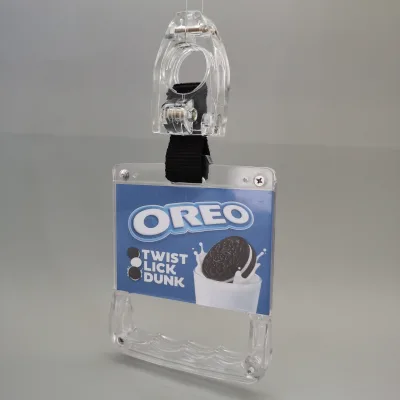
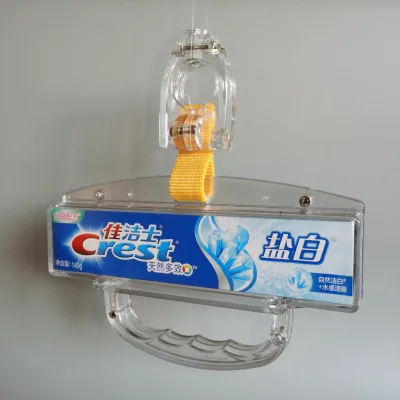
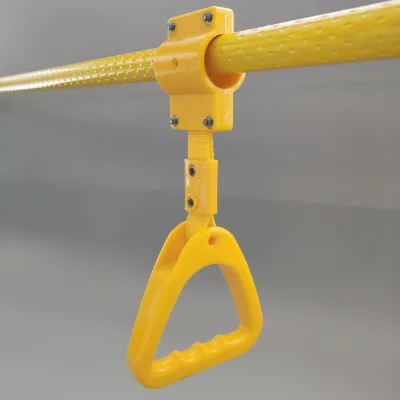
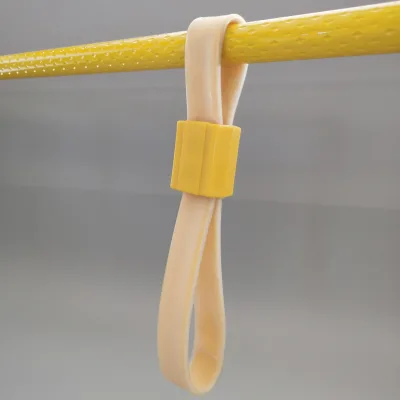


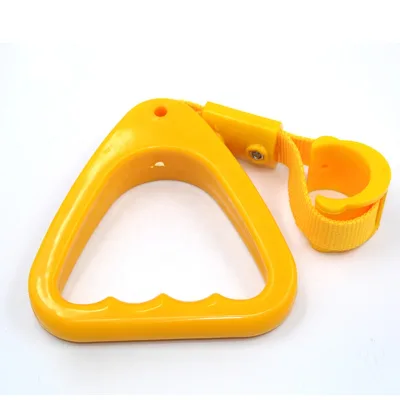
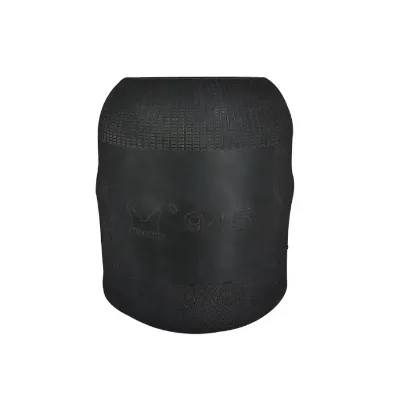
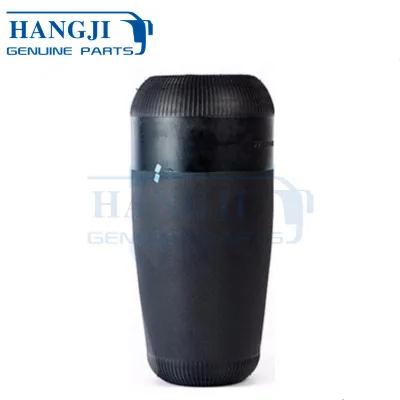
Top Quality Bus Accessories OEM Suspension air Spring Use for Chinese Bus
$57.12 - $87.51
MOQ: 1 Minimum
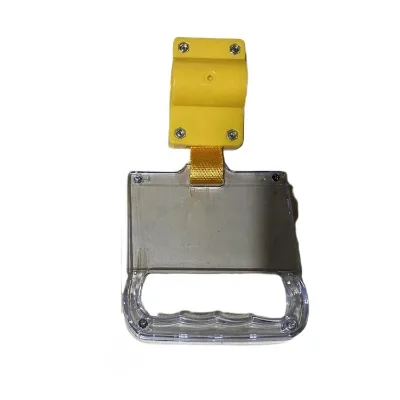
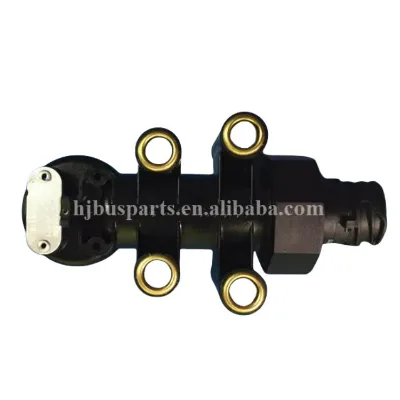
Coach Bus Parts Level Valve 4410500110 Leveling Valve China BUS Accessories
$21.08 - $23.09
MOQ: 2 pieces
Comprehensive Sourcing Guide
CE Certified Bus Drop Grip Sourcing Guide
Sourcing bus drop grips requires a disciplined approach that balances aesthetic integration with rigorous safety compliance. These components serve as critical handholds for passenger stability, particularly in high-traffic transit environments where sudden stops or turns are common. Buyers must prioritize products that offer both structural integrity and ergonomic design to ensure passenger safety and operator liability protection. The market offers a variety of materials, from stainless steel to plastic, each presenting distinct advantages regarding durability, maintenance, and cost. Understanding these material differences is the first step in selecting the right grip for specific fleet requirements.
The procurement process involves navigating a complex landscape of certifications and technical specifications. While many suppliers claim compliance with international standards, verifying these claims through documented evidence is essential. Buyers should focus on suppliers who provide transparent data regarding tensile strength, material composition, and testing protocols. This guide outlines the key considerations for sourcing bus drop grips, emphasizing the importance of verified certifications, robust technical specifications, and reliable supplier qualification processes. By adhering to these principles, procurement teams can mitigate risk and ensure the long-term reliability of their transit assets.
Product Scope and Observed Listing Signals
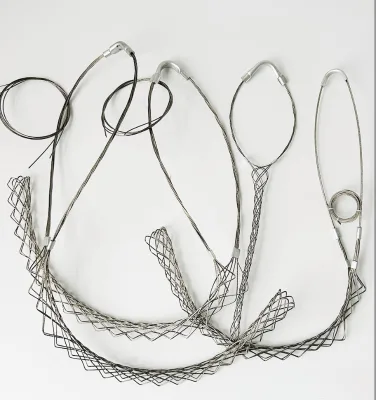
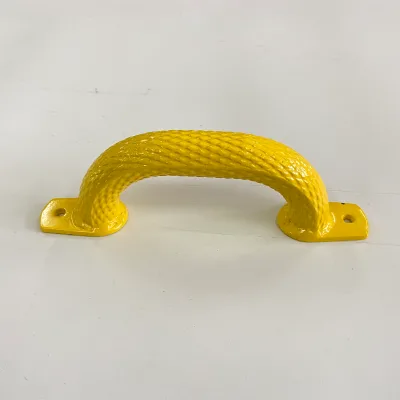
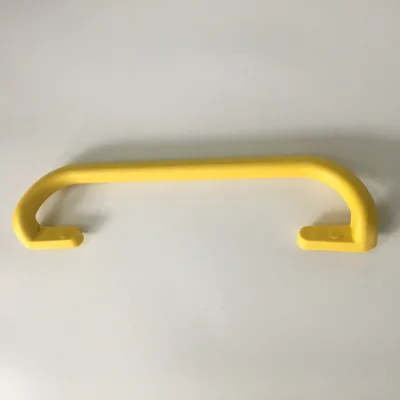
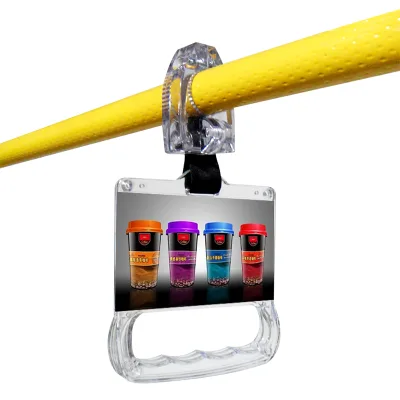
The current market for bus drop grips exhibits a wide range of product variations, reflecting diverse design preferences and functional requirements. Listings indicate the availability of pre-laced and wire mesh grip types, catering to different aesthetic and tactile needs. Material options prominently include 304 stainless steel, galvanized steel, and plastic, allowing buyers to select based on environmental exposure and maintenance capabilities. Stainless steel variants are often preferred for their corrosion resistance and modern appearance, while plastic options may offer cost savings and lighter weight. These material choices directly impact the longevity and performance of the grips in demanding transit environments.
Observed listing signals reveal significant variability in product models and packaging standards. Models such as HBDG, HG Series, FOSG, and HSBD-5373 suggest a fragmented market with numerous specialized designs. Packaging ranges from standard packages to cartons, with single package sizes varying considerably, indicating differences in bulk handling and shipping logistics. The presence of customization options, including OEM and ODM services, highlights the industry's flexibility in meeting specific fleet branding or ergonomic requirements. Buyers should carefully review these listing details to ensure compatibility with existing bus infrastructure and to identify suppliers capable of meeting custom specifications.
Technical Specifications to Verify
Tensile strength is a critical technical parameter that must be verified to ensure passenger safety. Observed data points to a tensile strength of 498.95 for certain stainless steel models, providing a baseline for structural integrity assessments. Buyers should request detailed engineering specifications for all candidate products, ensuring that the grips can withstand the dynamic loads imposed by passengers. This verification process should include understanding the load distribution mechanisms and the attachment methods used to secure the grips to the bus interior. Confirming these technical details helps prevent failures that could lead to injury or operational disruptions.
Material composition and model numbers provide essential insights into product quality and compatibility. The use of 304 stainless steel is a common indicator of high corrosion resistance, suitable for environments with high humidity or frequent cleaning. However, buyers must verify that the material grade matches the claimed specifications, as lower-grade alternatives may compromise durability. Model numbers such as DB-F214, DB-F223, and DB-BH503 serve as unique identifiers for cross-referencing with supplier catalogs and technical datasheets. Ensuring that the selected model aligns with the bus manufacturer's recommendations or retrofit guidelines is crucial for proper installation and performance.
Compliance and Safety Documentation
Certification verification is paramount when sourcing bus drop grips, as these components are subject to strict safety regulations. Listings indicate the presence of CE, RoHS, CCC, and ISO certifications, which serve as indicators of compliance with international quality and safety standards. Buyers must request valid certification documents and verify their authenticity with the issuing bodies. The CE mark, in particular, is essential for products intended for the European market, signifying conformity with health, safety, and environmental protection standards. Similarly, RoHS compliance ensures that the products are free from hazardous substances, contributing to environmental sustainability and worker safety.
Beyond certifications, buyers should inquire about specific safety standards and testing protocols. While general standards like EN 361 and EN 358 are mentioned in background contexts, their direct applicability to bus drop grips should be confirmed with suppliers. These standards often relate to personal protective equipment or fall protection, so buyers must ensure that the relevant transit-specific standards are being met. Documentation should include test reports detailing load testing, fatigue analysis, and material stress tests. This comprehensive documentation provides assurance that the grips have undergone rigorous evaluation and are suitable for high-traffic public transport applications.
Cost Drivers and Commercial Terms
Pricing in the bus drop grip market varies significantly based on material, customization, and order volume. Observed price ranges span from low-cost plastic options to premium stainless steel models, reflecting the diverse quality tiers available. Buyers should analyze the total cost of ownership, considering factors such as installation complexity, maintenance requirements, and expected lifespan. While lower initial costs may be attractive, they often come with trade-offs in durability and safety, potentially leading to higher long-term expenses. Understanding these cost drivers helps buyers make informed decisions that balance budget constraints with performance requirements.
Minimum order quantities (MOQs) and commercial terms also play a crucial role in procurement planning. Observed MOQs range from single units to thousands, accommodating both small-scale retrofits and large fleet upgrades. Buyers should negotiate terms that align with their inventory management strategies and cash flow capabilities. Customization services, such as OEM and ODM, may incur additional costs but offer significant value in terms of brand consistency and ergonomic optimization. Clear communication regarding lead times, shipping methods, and payment terms is essential to avoid delays and ensure smooth project execution.
Supplier Qualification and Quality Control
Supplier qualification is a critical step in mitigating procurement risks and ensuring product reliability. Buyers should assess suppliers based on their manufacturing capabilities, quality control processes, and track record in the transit industry. Suppliers offering OEM and ODM services demonstrate flexibility and technical expertise, which are valuable for custom projects. However, buyers must verify these claims through site audits or third-party inspections to ensure that the supplier's capabilities match their stated offerings. A robust quality control system, including incoming material inspections and final product testing, is essential for maintaining consistent product quality.
Quality control extends beyond the supplier's facility to include ongoing performance monitoring and feedback loops. Buyers should establish clear quality expectations and communicate them effectively to suppliers. Regular audits and performance reviews help identify potential issues early and foster continuous improvement. Suppliers who accept samples and provide detailed technical support are often more reliable partners for long-term collaborations. By prioritizing suppliers with strong quality management systems and transparent communication practices, buyers can build a resilient supply chain that supports their operational goals.
Long-Term Procurement Checks
Long-term procurement success depends on establishing strong relationships with suppliers and maintaining open lines of communication. Buyers should conduct periodic reviews of supplier performance, focusing on delivery reliability, product quality, and responsiveness to issues. These reviews help identify trends and areas for improvement, enabling proactive management of the supply chain. Suppliers who demonstrate a commitment to continuous improvement and customer satisfaction are valuable partners for long-term projects. Building these relationships fosters trust and collaboration, leading to better outcomes for both parties.
Continuous monitoring of market trends and technological advancements is also essential for staying competitive. Buyers should stay informed about new materials, designs, and compliance requirements that may impact their procurement strategies. Engaging with industry associations and attending trade shows can provide valuable insights and networking opportunities. By remaining agile and responsive to changes in the market, buyers can ensure that their bus drop grip procurement remains aligned with evolving safety standards and operational needs. This proactive approach helps mitigate risks and maximizes the value of procurement investments over time.
FAQs
What certifications do the bus drop grips have?
The products hold CE, RoHS, CCC, and ISO certifications. These standards ensure compliance with safety and environmental regulations for international markets, providing verified quality assurance for procurement teams.
Can I request customized specifications for these grips?
Yes, customization is available for these bus drop grips. Buyers can specify unique requirements while the manufacturer offers OEM and ODM services to meet specific design needs and functional demands.
Which materials are used to manufacture these grips?
The primary material is 304 Stainless Steel, with Galvanized Steel as an alternative option. Plastic variants are also listed, offering durability and resistance to corrosion for various bus interior applications.
How are the products packaged for shipment?
Products are shipped in standard packages or cartons depending on the specific model. Single package sizes vary, with weights ranging from 0.200 kg to 0.600 kg per item for efficient logistics handling.
What is the origin location of these bus grips?
The products originate from Jiangsu, China. This location is a known manufacturing hub, ensuring consistent production capacity and reliable supply chain management for bulk orders of these certified components.
Are samples accepted for quality verification before bulk orders?
Samples are accepted for buyers to verify product quality and specifications. This allows procurement teams to assess the tensile strength and finish before committing to larger quantities with defined minimum order quantities.