Source CE Certified Dental Suction Machine for Clinics, Hospitals, and Labs
Find and compare CE Certified Dental Suction Machine options from verified suppliers. Browse 30 models with varying power, vacuum levels, and noise ratings to find the right fit for your medical facility.
Key considerations
Products List

Silent Compact Dental Suction Machine with CE Approval and High Efficiency
$280.00 - $350.00
MOQ: 1 Pieces

CE Certificate Dental Mobile Suction Unit for 2PC Dental Unit (DS7501CS)
$321.00 - $654.00
MOQ: 1 Pieces


Dental Equipment Dental Suction Portable Strong Power Dental Suction Unit
$460.00 - $480.00
MOQ: 2 Sets


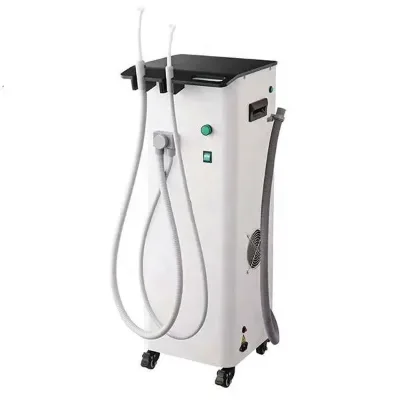


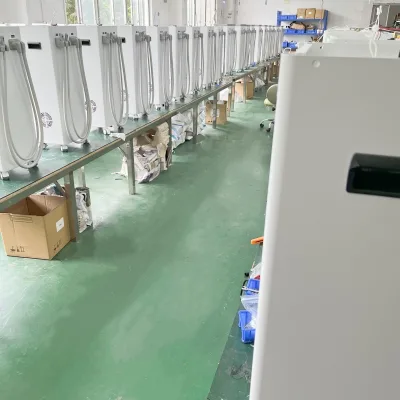


Dental Suction Systems Water-Free Central Suction Low Noise Strong Suction
$800.00 - $830.00
MOQ: 1 Pieces


Maintenance-Free Low Power Consumption Dental Suction Machine for 6 Chairs
$786.00 - $929.00
MOQ: 1 Pieces
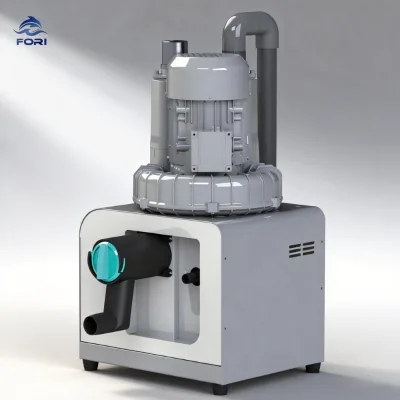


Comprehensive Sourcing Guide
CE Certified Dental Suction Machine Sourcing Guide
Procuring a CE Certified Dental Suction Machine requires a disciplined approach to verifying technical performance, regulatory compliance, and commercial viability. These systems are critical infrastructure in dental clinics, responsible for maintaining a sterile environment by removing aerosols, water, and debris generated during procedures. The presence of CE certification indicates that the manufacturer claims conformity with European health, safety, and environmental protection standards, which is a mandatory baseline for selling medical devices within the European Economic Area. However, buyers must treat this certification as a starting point for verification rather than a guarantee of quality, ensuring that the specific model matches the clinic’s operational demands.
The market for these units is diverse, ranging from portable, oil-free models to high-capacity industrial-grade systems. Buyers often encounter a wide spectrum of specifications, including varying vacuum pressures, noise levels, and power consumptions. Understanding the distinction between different model types, such as the RIXI-MDC, DS7501CS, and SCS series, is essential for aligning procurement with clinical workflow. This guide provides a structured framework for evaluating these machines, focusing on the technical attributes, compliance documentation, and supplier qualifications necessary to make an informed B2B purchasing decision.
Product Scope and Observed Listing Signals
The observed product landscape includes a variety of dental suction units designed for different clinical scales, from single-operator chairs to larger medical and dental units. Listings indicate a broad price range, typically spanning from $8 to $5,000 USD, which reflects significant differences in build quality, capacity, and included features. Minimum Order Quantities (MOQ) are generally flexible, ranging from 1 to 30 units, allowing clinics to purchase single replacements or small batches for new installations. This variability suggests that buyers should not assume uniformity across all listings and must carefully inspect the specific model details provided by each supplier.
Key product attributes observed in the market include customization availability, specific voltage configurations, and distinct physical dimensions. For instance, some models are explicitly labeled as portable, silent, and oil-free, catering to clinics with space constraints or strict noise regulations. Others are designed as robust dental units with higher power outputs, such as 1100W or 750W variants, suitable for high-volume practices. The gross weights of these machines vary considerably, from 25kg to 32kg, impacting shipping costs and installation requirements. Buyers must cross-reference these physical and electrical specifications with their clinic’s infrastructure to ensure compatibility.
Technical Specifications to Verify
Vacuum performance is the primary functional metric for dental suction machines, directly impacting the efficiency of debris removal and patient comfort. Observed specifications show a range of maximum vacuum levels, with some models achieving -110 mbar or -18 kPa, while others operate at -15 kPa. Buyers must verify that the vacuum pressure is sufficient for the intended procedures, as inadequate suction can lead to prolonged treatment times and increased risk of cross-contamination. It is crucial to confirm whether the vacuum rating is measured under load or at idle, as real-world performance often differs from theoretical maximums.
Noise levels and power consumption are equally critical for clinic environment management. Listings indicate noise outputs ranging from less than 50 dB to 69 dB, with corresponding power draws between 370W and 1100W. A unit operating at 69 dB may be disruptive in a quiet examination room, whereas a sub-50 dB model supports a more comfortable patient experience. Additionally, electrical compatibility must be verified, as units may support 220V/50Hz or 110V/60Hz configurations. Buyers should ensure that the selected machine’s current draw, such as 2.0A or 7.5A, aligns with the clinic’s electrical capacity to prevent circuit overloads.
Compliance and Safety Documentation
Regulatory compliance is non-negotiable for medical equipment, and the CE mark is a fundamental requirement for market access in Europe. Buyers must request the Declaration of Conformity and verify that the certification covers the specific model being purchased, not just the manufacturer’s general product line. The presence of additional certifications such as ISO 9001:2008, ISO 13485:2012, FDA, and SGS indicates a broader commitment to quality management systems and international standards. However, buyers should confirm the validity and scope of these certifications, as outdated standards or generic claims do not guarantee the safety of the specific unit.
Safety features and material construction also play a vital role in compliance and longevity. The observed products are primarily constructed from metal, which offers durability and ease of sterilization compared to plastic alternatives. Buyers should verify that the materials used are biocompatible and resistant to corrosion from dental chemicals and frequent cleaning. Furthermore, the absence of oil in certain models, labeled as "oil-free," reduces maintenance requirements and eliminates the risk of oil contamination in the suction line. Ensuring that the machine meets relevant electrical safety standards is essential to protect both staff and patients from potential hazards.
Cost Drivers and Commercial Terms
The total cost of ownership extends beyond the initial purchase price, encompassing shipping, installation, and long-term maintenance. Observed prices are negotiable, and buyers should leverage this flexibility to secure better terms, especially for bulk orders. Supply ability is reported at 1200 pieces per month, suggesting that suppliers have the capacity to handle large orders, but lead times of 15-20 working days should be factored into procurement planning. Delays in delivery can disrupt clinic operations, so buyers should establish clear communication channels and contingency plans for potential supply chain disruptions.
Payment terms and warranty coverage are key components of the commercial agreement. Common payment methods include T/T, PayPal, and L/C, offering varying levels of security for both parties. A standard warranty of 2 years is observed, which provides a baseline for post-purchase support. Buyers should clarify what the warranty covers, including parts, labor, and shipping costs for replacements. Additionally, the packaging method, whether carton or wooden case, affects the risk of damage during transit. Ensuring that the packaging is robust enough to protect the machine during international shipping is essential to avoid costly repairs or replacements.
Supplier Qualification and Quality Control
Supplier qualification is a critical step in mitigating procurement risk, requiring a thorough assessment of the manufacturer’s capabilities and reputation. Buyers should verify the supplier’s origin, with many listings indicating production in Jiangsu, China, a hub for medical device manufacturing. However, geographic origin alone does not guarantee quality, so buyers must request evidence of the supplier’s production capacity, quality control processes, and after-sales support infrastructure. Engaging with suppliers who provide detailed technical documentation and responsive customer service is indicative of a reliable partner.
Quality control measures should be integrated into the procurement process, including pre-shipment inspections and verification of serial numbers. Buyers should request test reports or performance data for the specific batch being ordered, ensuring that the units meet the advertised specifications. Establishing a clear protocol for handling defects or non-conforming products is essential, including procedures for returns, replacements, and technical support. Building a relationship with a supplier who prioritizes transparency and accountability can significantly reduce the risk of procurement issues and ensure long-term satisfaction with the equipment.
Long-Term Procurement Checks
Long-term success with dental suction machines depends on ongoing maintenance, spare parts availability, and regulatory updates. Buyers should establish a maintenance schedule that includes regular cleaning, filter replacement, and performance checks to ensure consistent vacuum levels and noise reduction. The availability of spare parts, such as motors, pumps, and filters, is crucial for minimizing downtime. Buyers should confirm with the supplier that spare parts are readily available and priced reasonably, ensuring that the machine can be kept in optimal condition throughout its lifespan.
Regulatory landscapes are dynamic, and buyers must stay informed about changes in certification requirements and safety standards. Periodic reviews of the machine’s compliance status are necessary, especially if the equipment is used in multiple jurisdictions. Additionally, monitoring technological advancements in suction technology can provide opportunities for upgrades or replacements that enhance clinic efficiency. By maintaining a proactive approach to procurement and maintenance, buyers can ensure that their dental suction systems continue to meet clinical needs and regulatory obligations over time.
FAQs
What certifications do these dental suction machines hold?
These machines hold CE certification and meet ISO9001:2008 and ISO13485:2012 standards. Some models also carry FDA and SGS approvals. This ensures compliance with international medical device regulations for safe operation in dental clinics.
How much does a CE Certified Dental Suction Machine cost?
The price is negotiable and varies based on the specific model and order quantity. Observed listings range from 8 to 5000 USD. Buyers should contact suppliers directly to receive a formal quotation tailored to their volume requirements.
Can I customize the specifications of this dental suction unit?
Yes, customization is available for these dental suction machines. Buyers can request specific adjustments to meet unique clinic needs. This flexibility allows for tailored solutions while maintaining the core high-rate and low-noise performance features.
What is the lead time for delivery of these machines?
The standard delivery time is 15 to 20 working days. This timeline applies to the production and shipping process from the origin in Jiangsu, China. Buyers should plan their procurement schedule accordingly to ensure timely arrival at their facility.
Which models offer the lowest noise levels for dental use?
Some models operate at a noise level of 50dB or less, while others range between 67dB and 69dB. The specific noise rating depends on the model selected, such as the RIXI-MDC or SCS series. Selecting the appropriate model ensures a quiet clinical environment.
What is the maximum vacuum pressure these machines provide?
Maximum vacuum pressure varies by model, with options reaching -110mmbar or -18kpa. The SCS-750L model provides -15kpa of suction power. These specifications ensure effective suction for various dental procedures requiring different pressure levels.
How much does one unit weigh for shipping purposes?
The net weight ranges from 26kg to 32kg depending on the specific model. The gross weight is approximately 25kg for some units. Packaging is typically in cartons or wooden cases, which affects the total shipping weight and dimensions.