Source CE Certified Cylinder Head Gasket for Car, Truck, Excavator
Find CE Certified Cylinder Head Gasket options for car, truck, and excavator applications. Compare 30 listings featuring various OEM numbers, materials like cast iron, and sealing styles to identify suitable parts for your machinery repair or manufacturing needs; compare the available evidence and request quotations based on your requirements.
Key considerations
Products List


Factory Supply Auto Accessories Generator Engine Part Cylinder Head Gasket
$80.00 - $1000.00
MOQ: 10 Pieces


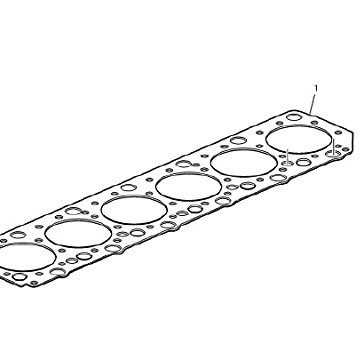


Comprehensive Sourcing Guide
CE Certified Cylinder Head Gasket Sourcing Guide
Procuring cylinder head gaskets requires a disciplined approach to technical verification and supplier qualification, particularly when navigating the complex landscape of international B2B trade. Buyers must recognize that "CE certified" is a specific regulatory claim that demands rigorous validation against the actual product specifications and the intended market of application. This guide provides a structured framework for evaluating listings, ensuring that the components selected meet the precise engineering requirements of heavy-duty engines while adhering to necessary compliance standards.
The sourcing process begins with a clear understanding of the product scope, which varies significantly based on engine type, application, and material composition. From the observed market data, it is evident that listings span a wide range of models, including those for cars, trucks, and excavators, with origins primarily in China. This diversity necessitates a careful review of each listing to ensure that the gasket matches the specific engine configuration, such as the OM 346 or ISUZU C240, rather than relying on generic descriptions that may lead to compatibility issues during installation.
Product Scope and Observed Listing Signals
The current market for cylinder head gaskets exhibits a broad spectrum of product attributes, reflecting the diverse needs of various industrial applications. Listings frequently highlight specific engine compatibility, such as the Om 346 or C9 engines, and indicate applications ranging from passenger cars to heavy-duty trucks and excavators. Buyers should pay close attention to these specific identifiers, as they serve as primary filters for narrowing down potential suppliers. The presence of OEM numbers, such as 346.016.01.20 or 3945803, further aids in verifying the exact part number required for a particular vehicle or machinery model, reducing the risk of ordering incorrect components.
Material composition and construction details are equally critical signals that define the quality and suitability of the gasket. Observed listings mention materials like cast iron for cylinder bodies and asbestus for liners, alongside complete cylinder heads, which suggests a focus on robust, heavy-duty solutions. Additionally, the style of the gasket, whether it is a flat gasket, sealing strip, or lock washer, must align with the specific sealing requirements of the engine block. Buyers should verify these material claims against trusted category knowledge to ensure that the gasket can withstand the thermal and mechanical stresses of the intended operating environment.
Technical Specifications to Verify
Technical verification is the cornerstone of successful procurement, requiring buyers to cross-reference listing details with engine manufacturer specifications. Key parameters to verify include the cylinder bore size, such as the observed 88.5mm, and the thickness of the gasket, which may be listed as 1.5mm. These dimensions are critical for ensuring a proper seal and preventing coolant or oil leaks. Buyers should also confirm the cooling method, such as water-cooled systems, and the arrangement pattern, like the L style, to ensure compatibility with the engine's design. Misalignment in these specifications can lead to catastrophic engine failure, making precise verification essential.
The model number and OEM reference are vital for ensuring part interchangeability and performance. Listings often provide multiple model identifiers, such as 1468555, 551573, or DAF, which must be matched against the engine's official documentation. Additionally, the type of gasket, whether it is a standard cylinder gasket or a specialized lock washer, must be confirmed. Buyers should request detailed technical drawings or cross-reference charts from suppliers to validate that the listed specifications match the actual product. This step is crucial for avoiding discrepancies that could arise from generic or outdated part numbers.
Compliance and Safety Documentation
Compliance with regional and international standards is a non-negotiable aspect of sourcing cylinder head gaskets, especially when dealing with CE certification claims. Buyers must verify that the supplier can provide valid CE certificates that correspond to the specific product and its intended use. It is important to note that CE marking is primarily relevant for products sold within the European Economic Area, and its applicability to certain industrial components may vary. Buyers should request copies of the certificates and check their validity with the issuing body to ensure that the supplier is not making unsubstantiated claims.
In addition to CE certification, other quality standards such as ISO 9001 may be referenced in listings, indicating a supplier's commitment to quality management systems. However, buyers should treat these claims with caution and verify them independently, as the presence of a logo does not guarantee compliance. The warranty terms, such as the observed 12-month warranty, also provide a layer of protection, but buyers should understand the scope of this warranty and the conditions under which it applies. Clear documentation of compliance and warranty terms is essential for mitigating risk and ensuring long-term reliability.
Cost Drivers and Commercial Terms
Cost determination in the cylinder head gasket market is influenced by a variety of factors, including material quality, manufacturing complexity, and order volume. The observed price range of $0.1 to $1000 USD reflects the diversity of products available, from simple sealing strips to complete cylinder heads. Buyers should analyze the cost structure to understand what drives the price, such as the use of high-quality materials or advanced manufacturing techniques. It is important to balance cost with quality, as cheaper options may compromise the durability and performance of the gasket, leading to higher long-term costs due to replacements and downtime.
Commercial terms, including minimum order quantities (MOQ) and packaging details, also play a significant role in the total cost of ownership. Listings show MOQs ranging from 1 to over 10,000 units, allowing for flexibility in order sizes. Packaging options, such as pallets, neutral packing, or customized branding, can affect logistics costs and storage requirements. Buyers should negotiate terms that align with their inventory management strategies and supply chain capabilities. Clear communication regarding payment terms, shipping methods, and lead times is essential to avoid unexpected costs and delays.
Supplier Qualification and Quality Control
Supplier qualification is a critical step in ensuring the reliability and consistency of cylinder head gasket supplies. Buyers should conduct thorough due diligence on potential suppliers, verifying their business licenses, production capabilities, and quality control processes. The observed listings indicate that many suppliers are located in China, with origins in cities like Jinan and Zhejiang. Buyers should assess the supplier's reputation, customer reviews, and track record in the industry to gauge their reliability. Additionally, requesting samples before placing large orders can help verify the quality and fit of the gaskets.
Quality control measures should be clearly defined and agreed upon with the supplier. This includes specifications for material testing, dimensional accuracy, and performance under stress. Buyers should inquire about the supplier's testing procedures, such as the observed "100% Professional Test," and request test reports or certificates of analysis. Implementing a robust quality control plan, including pre-shipment inspections and random sampling, can help identify and rectify defects before the products reach the buyer. Establishing a strong relationship with the supplier based on transparency and mutual trust is key to long-term success.
Long-Term Procurement Checks
Long-term procurement success depends on continuous monitoring and evaluation of supplier performance and product quality. Buyers should establish key performance indicators (KPIs) to track metrics such as delivery times, defect rates, and customer satisfaction. Regular audits and feedback sessions with suppliers can help identify areas for improvement and foster a collaborative relationship. Additionally, staying informed about industry trends and technological advancements can help buyers make informed decisions about future sourcing strategies. The dynamic nature of the market requires adaptability and a proactive approach to risk management.
Building a diversified supplier base can mitigate the risks associated with single-source dependency. Buyers should consider engaging with multiple suppliers to ensure continuity of supply and competitive pricing. Regularly reviewing and updating the supplier qualification criteria can help maintain high standards and drive continuous improvement. Furthermore, investing in relationship management and communication can enhance collaboration and innovation. By focusing on long-term partnerships rather than transactional relationships, buyers can secure a stable and reliable supply of high-quality cylinder head gaskets.
FAQs
What certifications are available for these gaskets?
The products carry ISO TSWarranty:12 Months certification. Some listings also indicate CE and ISO9001: Condition:New compliance. These certifications help verify quality standards for industrial applications. Buyers should confirm specific documentation with suppliers before finalizing orders to ensure regulatory alignment.
Can I request custom packaging for bulk orders?
Yes, customization is available for packaging requirements. Options include neutral packing, customized branding, or standard pallet arrangements. Suppliers offer flexibility to meet specific logistics needs. This ensures safe transport and brand visibility. Buyers should specify their preferred packing style during the inquiry process.
What is the typical MOQ for these items?
The observed MOQ range spans from 1 to 10017 units. This wide range accommodates both small trial orders and large industrial procurements. Buyers can often start with lower quantities to test quality. Higher volumes may unlock better pricing tiers. Always verify the exact MOQ with the specific supplier for your target model.
Which engine models are compatible with these gaskets?
Compatible engines include Om 346, C9, and ISUZU C240. Specific OEM numbers like 346.016.01.20 and 3945803 are listed. Applications cover cars, trucks, and excavators. Buyers must match their engine specifications precisely. Using the correct OEM number ensures proper fit and function for sealing and performance requirements.
Where are these products manufactured?
Products originate from Jinan and Zhejiang, China. These regions are known for industrial manufacturing capabilities. Buyers can source directly from these locations. Origin information helps assess logistics costs and lead times. Suppliers may offer different packing styles based on regional availability and customer preferences.
What materials are used in the cylinder components?
Cylinder body material is cast iron, and cylinder cap material is a complete cylinder head. Cylinder liner material is listed as asbestus. These materials provide durability for heavy-duty applications. Buyers should verify material specifications for their specific engine type to ensure compatibility and performance under operating conditions.