Source CE Certified Electric Coffee Grinder for Cafes, Hotels, Offices
Find 30 CE Certified Electric Coffee Grinder options for commercial and home use. Buyers can compare models like the Swf-700e and EK43, noting features such as adjustable grind speed and stainless steel housing to suit cafes, hotels, and offices.
Key considerations
Products List


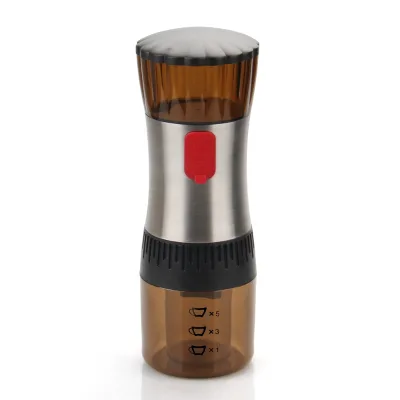
Electric Coffee Grinder with Stainless Steel Blades Automatic Coffee Bean Grinder
$13.78 - $14.36
MOQ: 1000 Pieces


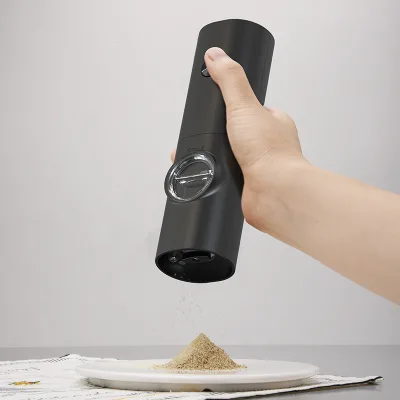
Competitive Price Multi-Functional Adjustable Electric Coffee Grinder Efficient Grinding
$860.00 - $1050.00
MOQ: 100 Pieces

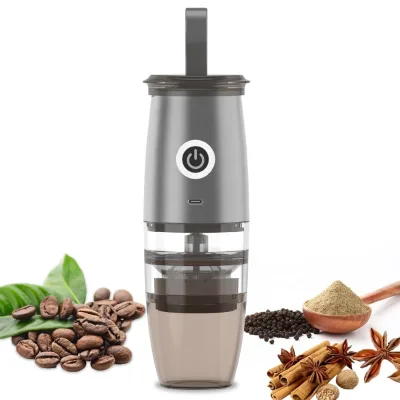
Single Double Shot Burr Coffee Grinder Touchscreen Electric Coffee Grinder
$380.00 - $550.00
MOQ: 100 Pieces

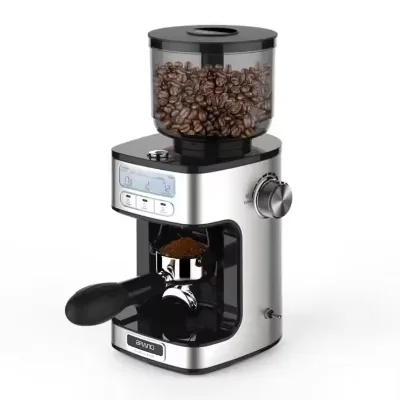
Household Commercial Automatic Coffee Grinder Electric Coffee Grinder
$380.00 - $710.00
MOQ: 100 Pieces





Comprehensive Sourcing Guide
Strategic Sourcing Guide for CE Certified Electric Coffee Grinders
Navigating the global market for commercial and residential coffee equipment requires a disciplined approach to verifying technical specifications, compliance status, and supply chain reliability. For buyers specifically targeting CE certified electric coffee grinders, the procurement process involves more than selecting a price point; it demands a rigorous analysis of product attributes, material integrity, and operational capabilities. The following guide synthesizes observed market data and verified product attributes to provide a framework for making informed purchasing decisions without relying on unverified claims or speculative market figures.
Understanding Technical Specifications and Product Attributes
The foundation of a successful procurement strategy lies in a precise understanding of the technical specifications that define the grinder's performance. In the current market, electric coffee grinders exhibit a wide variance in design, ranging from compact units suitable for home use to heavy-duty machines designed for high-volume commercial environments. A critical observation from available product data indicates that the housing material is a primary differentiator. Some units are constructed with stainless steel housing, offering durability and resistance to corrosion, which is essential for commercial settings where hygiene and longevity are paramount. Conversely, other models utilize aluminum or plastic housings, which may reduce weight and cost but require careful evaluation regarding thermal stability and impact resistance.
Power consumption and source are equally critical variables. The market data confirms the existence of units operating within a voltage range of 220V-240V, with power ratings varying significantly. Some high-performance commercial models operate at approximately 555-605W, while others designed for lower-volume applications may utilize power sources rated under 300W. Buyers must align these electrical requirements with their local infrastructure to ensure compatibility. Furthermore, the mechanism of grinding is a decisive factor. The category includes blade coffee grinders, which are distinct from burr grinders in their operation. Specific product listings highlight a burr size of 83mm, suggesting a specific class of burr-based machinery, while other entries explicitly categorize the product type as blade grinders. This distinction affects the consistency of the grind, which is vital for extraction quality.
The degree of grind is another specification that varies by model. Some units offer adjustable grind speed, allowing the operator to fine-tune the output for different brewing methods. Other models are listed with unadjustable speeds, limiting their versatility. The presence of power-off protection is a safety feature observed in some units, while others lack this mechanism entirely. Buyers should verify the presence of automatic filtration systems, as some commercial models include this feature to maintain cleanliness, whereas others do not. The physical dimensions and weight also play a role in logistics and installation. Observed dimensions range from compact units measuring roughly 190x316x615mm to larger units with packing dimensions of 57x39x28cm. The gross weight can vary from 14kg to nearly 20kg, influencing shipping costs and the structural requirements of the installation site.
Compliance and Certification Verification
For international trade, particularly into the European Union and other markets adopting similar standards, CE certification is a non-negotiable requirement for electric coffee grinders. The CE mark indicates that the manufacturer has assessed the product and meets EU safety, health, and environmental protection requirements. When sourcing, buyers must treat the presence of a CE certification as a verified fact only when explicitly documented in the product specifications. The provided data confirms that certain models carry the CE certification, validating their compliance with relevant directives. However, buyers must remain vigilant, as the mere mention of "CE" in marketing materials does not always equate to a valid, up-to-date certificate.
In addition to CE, other certifications may be present in the supply chain. Data indicates that some products carry the CIQ (China Inspection and Quarantine) certification, which is relevant for export quality control from China. While this is a positive indicator of origin compliance, it does not replace the need for CE verification if the destination market requires it. Buyers should request the specific certificate documents from the supplier to confirm the scope of the certification and the date of issuance. It is important to note that some background information may reference "rohs" or "Ce" in a lower-confidence context; these should not be treated as confirmed attributes without direct supplier verification. The procurement team must ensure that the specific model being ordered, such as the Swf-700e or EK43, is the one covered by the certification documentation provided.
Cost Drivers and Pricing Dynamics
The pricing of electric coffee grinders is influenced by a complex interplay of factors, including material costs, manufacturing complexity, and certification expenses. The observed price range in the market spans from approximately $2.74 to $1,050 USD. This vast disparity reflects the difference between basic, low-power units and high-end commercial machines with advanced features. The lower end of the price spectrum often corresponds to units with plastic or aluminum housings, lower wattage, and fewer safety features like power-off protection. In contrast, the higher price points are associated with stainless steel construction, higher power ratings, adjustable grind speeds, and comprehensive certifications.
Minimum Order Quantity (MOQ) is another significant cost driver. The market data shows an MOQ range from 1 unit to 3,000 units. Buyers purchasing small quantities may face higher per-unit costs due to the lack of economies of scale, while bulk orders can significantly reduce the unit price. However, high MOQs may tie up capital and require substantial storage capacity. The packaging type also impacts cost; some units are shipped in standard export plywood cartons, while others use white or color boxes. The choice of packaging affects the final landed cost, as heavier or more robust packaging increases shipping weight and volume. Additionally, the customization availability listed in some product attributes can influence the price, as bespoke features often incur additional setup and production costs.
Typical Applications and Usage Scenarios
The application of electric coffee grinders dictates the necessary specifications and durability requirements. The market data categorizes these machines into distinct usage scenarios, including commercial, home, hotel, restaurant, and office environments. Commercial applications demand robust machines capable of continuous operation. Units designed for commercial use often feature stainless steel housings, higher power ratings, and automatic filtration systems to handle high volumes efficiently. The gross weight of these commercial units, often around 14kg or more, suggests a heavy-duty build designed to withstand the rigors of a busy kitchen or café.
Conversely, home use and office applications may prioritize compactness and ease of use over raw power. Some models are explicitly marketed for home use with capacities under 5 cups, indicating a smaller bean hopper and lower power consumption. These units may lack features like automatic filtration or power-off protection, as the operational demands are lower. The versatility of some models is highlighted by their dual usage designation, suitable for both home and commercial settings. Buyers must carefully match the product's capacity and power rating to their specific operational needs. For instance, a unit with a hopper capacity of 1.2kg or 1100g is suitable for medium-volume operations, whereas smaller capacities may suffice for individual or small office use. The color and aesthetic design, often listed as "as shown," also play a role in selection for retail or hospitality environments where visual appeal is important.
Supplier Evaluation and Quality Control
Evaluating suppliers for electric coffee grinders requires a focus on transparency, documentation, and adherence to specifications. Since the product origin is identified as China for the observed listings, buyers should be aware of the specific manufacturing standards and quality control processes employed in that region. A reliable supplier will provide clear documentation regarding the model numbers, such as Swf-600ad, G83et, or M20, and ensure that the physical attributes match the description. The presence of specific features like power-off protection or adjustable grind speed should be verified against the actual product samples before finalizing large orders.
Quality control should extend beyond the initial product inspection to include packaging and shipping integrity. The data indicates that products are packed in cartons, with some specified as fixed in standard export plywood cartons to ensure protection during transit. Buyers should verify that the packaging dimensions, such as 580x280x470mm, align with the shipping constraints and that the gross weight figures, like 14.4kg or 19.9kg, are accurate for logistics planning. Furthermore, the availability of customization is a key indicator of a supplier's flexibility and capability. Suppliers offering customization can tailor the product to specific requirements, but this process requires clear communication and defined quality standards to ensure the final product meets expectations.
Long-Term Procurement Considerations
Sourcing electric coffee grinders is not a one-time transaction but a long-term relationship that impacts operational efficiency and customer satisfaction. Buyers should consider the availability of spare parts and the longevity of the product. The material composition, such as stainless steel versus plastic, directly influences the lifespan of the grinder. Stainless steel models are generally more durable and easier to clean, making them a better investment for high-traffic environments. The presence of certifications like CE and CIQ also serves as a proxy for the manufacturer's commitment to quality and safety standards, which can reduce the risk of product failures and liability issues.
Sustainability is another emerging consideration in procurement. Some product attributes highlight features such as "Sustainable" and "Stocked," indicating that the supplier may offer environmentally friendly options or maintain a reliable inventory to prevent supply chain disruptions. Buyers should inquire about the energy efficiency of the units, particularly for models with higher wattage, as this can impact long-term operational costs. Additionally, the lead time and production capacity of the supplier are critical factors. While specific lead times are not provided in the data, the MOQ range suggests that suppliers have varying levels of production flexibility. Establishing a clear communication channel with the supplier to monitor production schedules and inventory levels is essential for maintaining a steady supply of coffee grinders.
Comparative Analysis of Key Product Attributes
To facilitate decision-making, the following table summarizes the key attributes observed in the market for electric coffee grinders. This comparison highlights the diversity in specifications and helps buyers identify the most suitable options for their specific needs.
| Attribute Category | High-End / Commercial Spec | Mid-Range / Versatile Spec | Entry-Level / Home Spec |
|---|---|---|---|
| Housing Material | Stainless Steel | Aluminum | Plastic |
| Power Source | Electric (555-605W) | Electric (Variable) | Electric (<300W) |
| Certification | CE, CIQ | CE | CE (Verify) |
| Grind Speed | Adjustable | Adjustable | Unadjustable |
| Safety Features | Power-off Protection | Power-off Protection | Without Power-off Protection |
| Filtration | Automatic Filtration | Automatic Filtration | Without Automatic Filtration |
| Application | Commercial | Commercial, Home, Hotel | Home, Office |
| Capacity | 1.2kg / 1100g | Variable | Under 5 Cups |
| Weight (Gross) | ~19.9kg | ~14kg | Variable |
| Packaging | Plywood Carton | Carton | White or Color Box |
This table underscores the importance of matching the product specifications to the intended use case. While high-end commercial units offer superior durability and features, they come with a higher cost and weight. Entry-level models provide a cost-effective solution for lower-volume applications but may lack the robustness required for continuous commercial use. By carefully evaluating these attributes, buyers can make informed decisions that balance cost, performance, and compliance requirements.
In conclusion, sourcing CE certified electric coffee grinders requires a meticulous approach to verifying specifications, ensuring compliance, and evaluating supplier capabilities. By focusing on the tangible attributes provided in the product data and avoiding unverified claims, buyers can secure high-quality equipment that meets their operational needs and regulatory standards. The diversity in the market offers options for every budget and application, provided that the selection process is grounded in factual evidence and rigorous due diligence.
FAQs
What certifications are available for these electric coffee grinders?
Some models carry CE certification, while others have CIQ certification. Buyers must verify the specific certificate documents for the ordered model to ensure compliance with destination market safety and environmental protection requirements.
Which housing materials are used for commercial coffee grinders?
Stainless steel housing is used for commercial units to ensure durability and hygiene. Other models may utilize aluminum or plastic housings, which reduce weight but require careful evaluation regarding thermal stability and impact resistance.
Can I find grinders with adjustable grind speed and power-off protection?
Yes, some models feature adjustable grind speed and power-off protection for enhanced safety. However, other units are listed with unadjustable speeds and lack power-off protection, so buyers must verify these attributes before purchase.
What is the typical power consumption for these electric coffee grinders?
Power ratings vary significantly, with some commercial models operating at 555-605W. Lower-volume units may utilize power sources rated under 300W, so buyers must align these electrical requirements with their local infrastructure.
How do hopper capacities differ between home and commercial models?
Hopper capacities range from under 5 cups for home use to 1.2kg or 1100g for medium-volume operations. Buyers should match the capacity to their specific operational needs to ensure efficient bean grinding.
What packaging types are used for shipping these coffee grinders?
Products are packed in cartons, with some specified as fixed in standard export plywood cartons. Other units use white or color boxes, and packaging dimensions vary to protect the product during transit.