Source CE Certified Inflatable Swim Ring for adults, kids, and women
Find 30 CE Certified Inflatable Swim Ring options from verified Chinese manufacturers. Buyers can compare PVC thickness, sizes, and customization features for children, women, and men before requesting quotes.
Key considerations
Products List
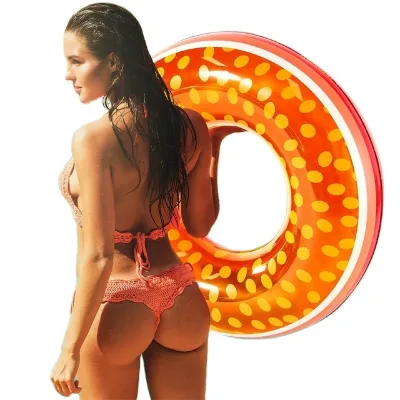
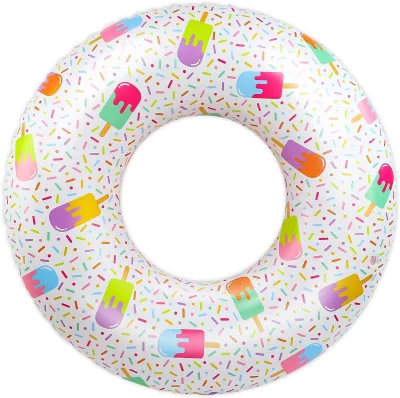
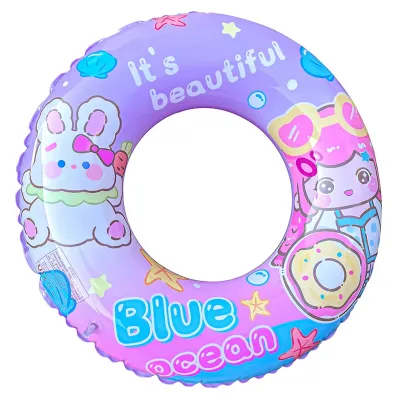
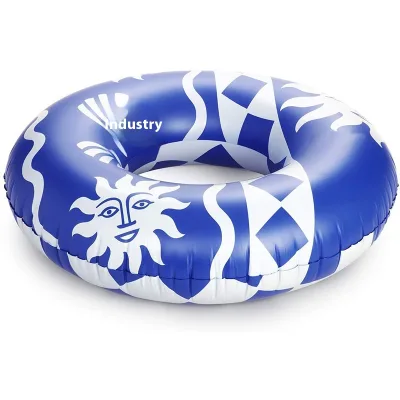
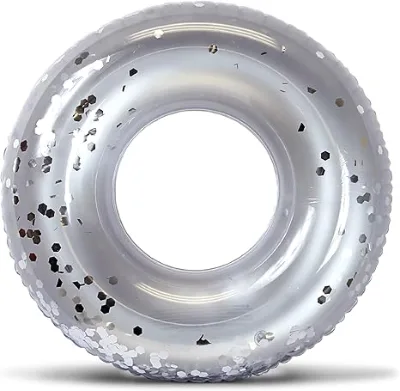
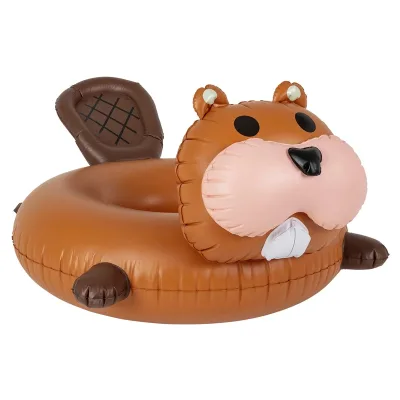
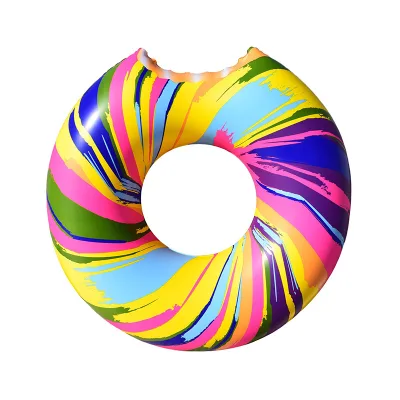
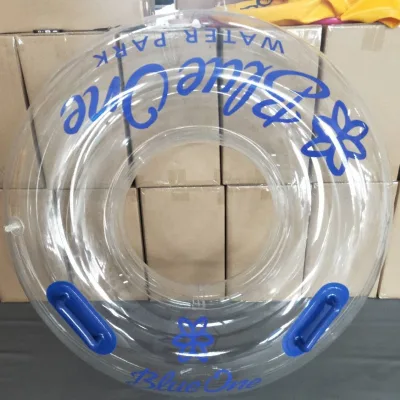
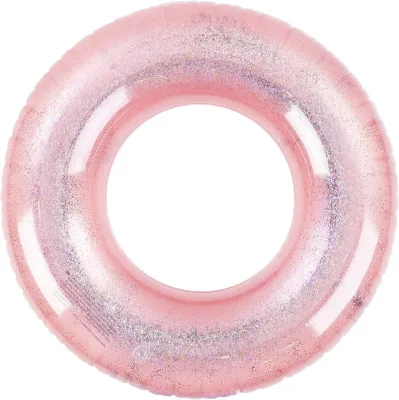
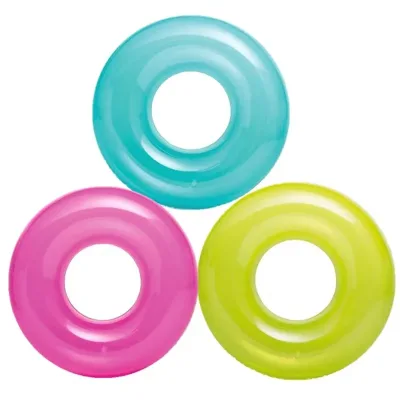
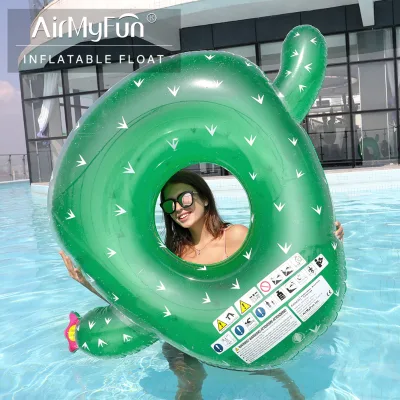
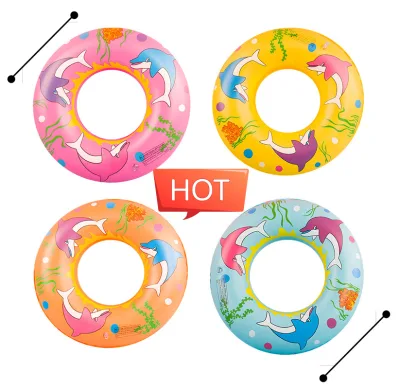
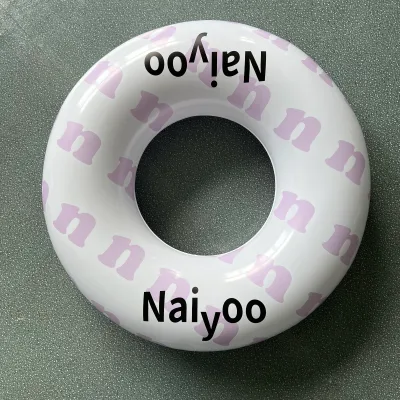


Professional High Quality Inflatable Swimming Rings for Kids and Adults
$1.00 - $3.00
MOQ: 1000 Pieces


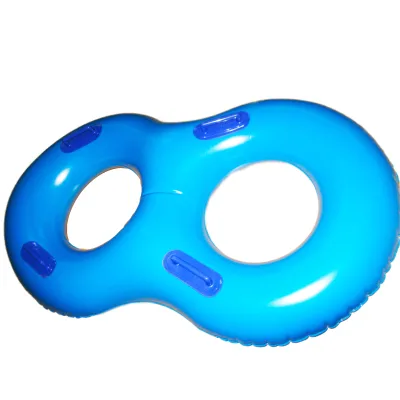
Double Water tube Inflatable Swimming Ring with Double Tube for Water Park
$20.00 - $40.00
MOQ: 50 Pieces
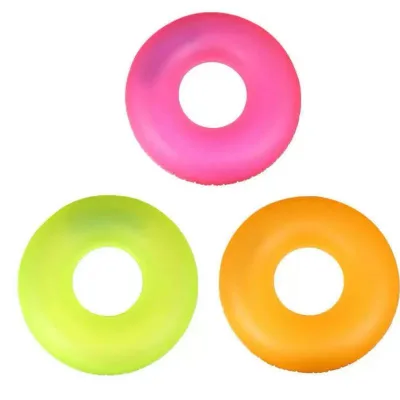


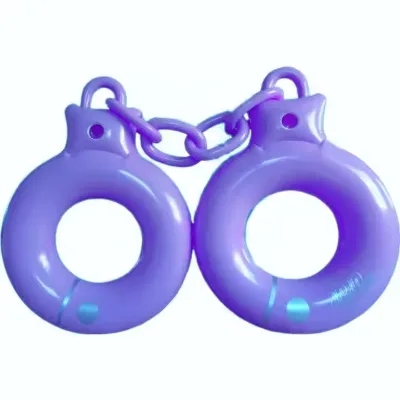
Outdoor Inflatable Double-Layer Swimming Ring for Family Fun and Relaxation
$1.31 - $1.43
MOQ: 50 Pieces
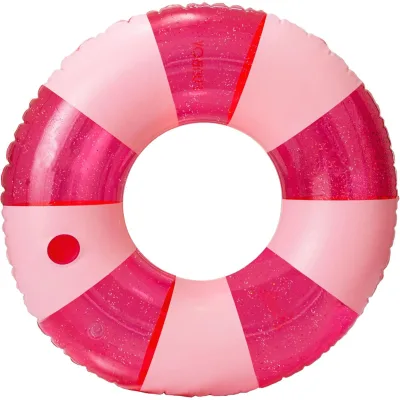

Comprehensive Sourcing Guide
Strategic Sourcing Guide for Certified Inflatable Swim Rings
Understanding Product Specifications and Technical Attributes
When sourcing inflatable swim rings, buyers must first distinguish between the various technical configurations available in the market. The core product is defined as an inflatable swimming ring, often categorized specifically as a swimming float ring or an adult inflatable swimming ring. The primary material composition observed in high-quality listings is PVC, with a specific thickness of 0.18mm noted for durability. It is critical to verify whether the PVC is phthalates-free, as this is a significant differentiator for safety and regulatory compliance, particularly for products intended for children.
The physical dimensions of these rings vary significantly based on the intended user demographic. Specifications indicate sizes ranging from 20 inches to 90 centimeters, with options available for customized adult or kids rings. Some listings specify exact diameters such as 60cm, 70cm, 80cm, and 90cm, while others offer fully customized sizing. The shape is predominantly round, designed to provide buoyancy and stability. The single package size for these units can vary from compact 15x15x10 cm configurations to larger 25x20x10 cm boxes, depending on the inflation state and packaging density.
Weight is another critical specification for logistics planning. Observed single gross weights range from 0.400 kg to 2.000 kg, with an average around 0.500 kg to 1.000 kg. This variance affects shipping costs and freight calculations. The product is designed to be inflated, a key feature that allows for compact storage and transport. The color options observed include white and multi-color variations, though buyers should confirm specific color availability during the negotiation phase. The product is generally suitable for children, women, and men, with some listings specifically targeting women or children as the primary applicable people.
Compliance Verification and Certification Standards
The keyword "CE certified" implies a need for rigorous adherence to European safety standards, yet the available data presents a nuanced picture of certification status. While general background knowledge suggests CE and RoHS certifications are common for this category, the specific product facts provided list EN71-2-3 and a testing report as the explicit certifications. EN71 is a European standard for the safety of toys, and parts 2 and 3 specifically address flammability and physical and mechanical properties, as well as chemical properties.
Buyers must exercise caution when interpreting certification claims. The presence of a "Testing report" alongside EN71-2-3 suggests that the manufacturer has undergone third-party verification, but the specific scope of that report must be confirmed. It is important to note that while EN 71-8 is a relevant standard for swimming pools and water slides, it is listed here as low-confidence background information and should not be asserted as a guaranteed attribute of every listed product. Similarly, REACH compliance is a background consideration but requires explicit confirmation from the supplier rather than assumption.
To ensure a product is truly CE certified, the buyer must request the Declaration of Conformity (DoC) and the full test reports from the supplier. The DoC must explicitly reference the applicable standards, such as EN 71-1, EN 71-2, and EN 71-3, and must be signed by an authorized representative within the European Union. If the product is intended for the Chinese market or other regions, local standards may apply, but for export to Europe, the CE mark is mandatory. Buyers should verify that the "Phthalates Free" claim is backed by the specific chemical analysis in the testing report, as this is a common point of failure in compliance audits.
Cost Drivers and Pricing Dynamics
The pricing for inflatable swim rings is influenced by a complex interplay of material costs, customization levels, and order volume. The observed price range in the market spans from $0.59 to $70 USD. This wide disparity is not indicative of a single product type but rather reflects differences in size, material thickness, branding, and order quantity. The lower end of the spectrum likely corresponds to basic, smaller rings with minimal customization and high-volume orders, while the upper end may include luxury styles, larger adult sizes, or rings with complex printing and branding.
Material costs are a primary driver. The use of 0.18mm phthalates-free PVC is more expensive than standard PVC or thinner gauges. Buyers should expect a price premium for this safety feature. Additionally, the "luxury" style attribute suggests higher-end finishes, which can increase the unit cost. Customization is another significant cost factor. The availability of a "Customized Logo" and "Customized Size" allows for brand differentiation but adds to the production complexity and cost.
Order volume plays a crucial role in the final unit price. The Minimum Order Quantity (MOQ) varies widely, with observed values ranging from 1 piece to 4,000,000 pieces. However, specific product facts highlight MOQs of 1000 pcs, 3000 pcs, and 3000pcs. Orders below these thresholds may incur higher per-unit costs or may not be accepted at all. The supply ability of 100,000 pieces per month indicates that suppliers have the capacity to handle large orders, but buyers should confirm if this capacity is available for their specific timeline.
Typical Applications and Target Demographics
Inflatable swim rings serve diverse applications across different user groups. The product facts explicitly list "Child," "Women," and "Men" as applicable people, indicating a broad market appeal. However, specific listings target distinct segments. For instance, some products are described as "inflatable woman" rings, suggesting designs tailored to adult aesthetics or specific buoyancy needs. Other listings focus on "Child" safety, emphasizing the importance of EN71 compliance and phthalates-free materials.
The "Swimming Season" attribute highlights the seasonal nature of demand. Procurement planning must account for this seasonality to ensure stock availability during peak periods. The product is designed for recreational swimming, offering buoyancy support and safety in pools, lakes, or calm ocean waters. The "round" shape provides stability, making it suitable for beginners and children who require extra support.
For commercial buyers, the versatility of the product allows for application in hotels, resorts, water parks, and rental services. The "luxury" style may be particularly relevant for high-end resorts looking to enhance their guest experience. The "OEM" (Original Equipment Manufacturer) acceptance indicates that these products can be rebranded for private label sales, making them suitable for retailers looking to create their own product lines.
Supplier Evaluation and Operational Capabilities
Evaluating a supplier requires a deep dive into their operational capabilities and logistical readiness. The place of origin for the observed products is Zhejiang, China, a region known for its manufacturing infrastructure. The port of dispatch is typically Ningbo or Shanghai, which are major shipping hubs facilitating efficient export logistics. Buyers should verify the supplier's actual port usage, as this can impact freight costs and transit times.
Lead times are a critical factor in supplier selection. The observed delivery times range from 15-30 days to 35-50 days after PPS (production plan sample) approval. This variance suggests that lead times depend on order complexity, material availability, and production scheduling. Buyers must clarify the specific lead time for their order size and customization requirements to avoid supply chain disruptions.
The packaging details provide insight into the supplier's attention to quality and logistics. The standard packaging involves individual color boxes, with inner packaging often being "No" (meaning direct box packing) and outer packaging consisting of 6 pieces per carton. This configuration affects the number of cartons required for shipping and the efficiency of warehouse storage. The single gross weight of 0.500 kg to 2.000 kg per unit must be factored into freight calculations.
When evaluating suppliers, buyers should look for evidence of consistent quality control. The "High-quality" attribute is a common claim, but it must be substantiated by the supplier's quality assurance processes. Requesting samples before placing a bulk order is essential to verify the material thickness, stitching quality, and inflation durability. The ability to provide a "Testing report" and "Certificates" like EN71-2-3 is a strong indicator of a compliant and reliable supplier.
Quality Control and Long-Term Procurement Considerations
Ensuring long-term success in sourcing inflatable swim rings requires a robust quality control (QC) strategy. The material thickness of 0.18mm is a key quality indicator, but it must be consistent across the entire production batch. Buyers should implement a QC protocol that includes random sampling and pressure testing to ensure the rings hold air and do not leak. The "Phthalates Free" claim must be verified through batch testing, as material composition can vary between production runs.
Packaging integrity is another area of focus. The color box packaging must be durable enough to protect the product during transit. The outer carton configuration of 6 pieces per carton should be tested for stacking strength to prevent damage in the shipping container. Any damage to the packaging can lead to customer returns and reputational damage.
For long-term procurement, building a relationship with a supplier who offers OEM services and customized logos is beneficial. This allows for brand consistency and product differentiation. However, buyers must ensure that the supplier has the capacity to maintain quality standards as order volumes grow. The supply ability of 100,000 pieces per month is a positive sign, but buyers should confirm that this capacity does not compromise quality during peak seasons.
Finally, buyers should consider the environmental impact of their procurement. The use of PVC, while durable, raises sustainability concerns. Exploring suppliers who offer recycled materials or more eco-friendly alternatives can align with corporate social responsibility goals. Additionally, maintaining a buffer stock to account for the "Swimming Season" demand fluctuations is a prudent strategy to avoid stockouts during peak periods. By focusing on these technical, compliance, and operational factors, buyers can secure a reliable supply of high-quality inflatable swim rings that meet market demands and regulatory requirements.
FAQs
What certifications do these inflatable swim rings have?
The products hold EN71-2-3 certification and include a testing report. This ensures compliance with safety standards for toys, covering flammability and chemical properties, though specific CE documentation requires direct supplier verification.
How thick is the PVC material used for these rings?
The material thickness is specified as 0.18mm. Some listings explicitly state this is phthalates-free PVC, which is a critical safety feature for products intended for children and general recreational use.
Can I order customized sizes and logos for these rings?
Yes, customized sizes and logos are accepted for these products. Buyers can request specific dimensions ranging from 20 inches to 90 centimeters or fully customized options, along with personalized branding on the rings.
What is the minimum order quantity for these swim rings?
The minimum order quantity varies, with observed values of 1000 pieces and 3000 pieces. Some listings indicate an MOQ of 1 piece, but standard bulk orders typically start at 3000 units to secure pricing.
Where are these inflatable swim rings manufactured and shipped from?
These products originate from Zhejiang, China, and are dispatched from Ningbo or Shanghai ports. This location is a known manufacturing hub, facilitating efficient logistics for international buyers seeking bulk orders.
How long does delivery take after sample approval?
Delivery times range from 15 to 50 days after production plan sample approval. The specific lead time depends on order complexity, with some listings citing 15-30 days and others 35-50 days for larger batches.