Source CE Certified Inflatable Cheering Palm for events
Find 30 listings for CE Certified Inflatable Cheering Palm products from verified suppliers. Buyers can compare specs, prices, and customization options for use in concerts, sports games, and outdoor events.
Key considerations
Products List
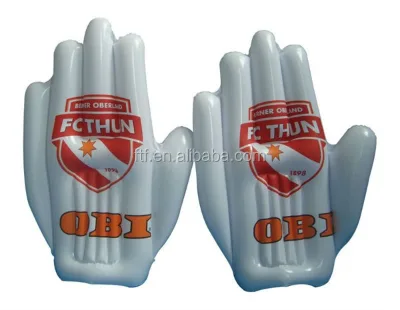
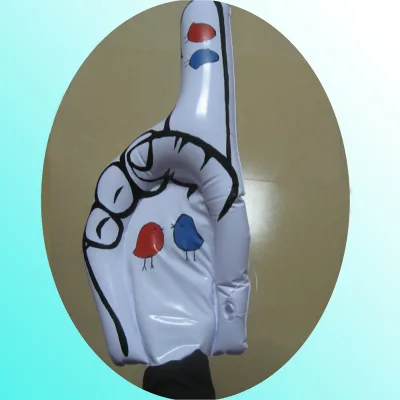
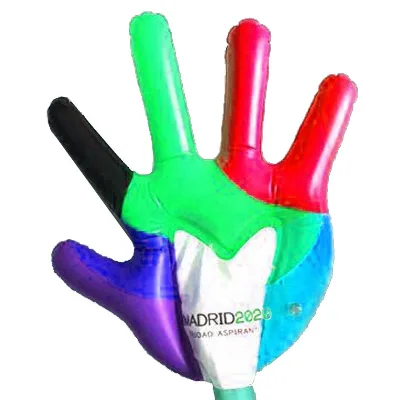
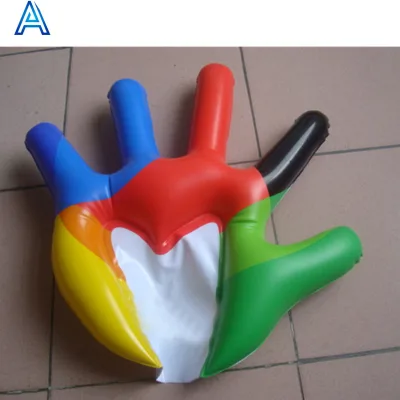
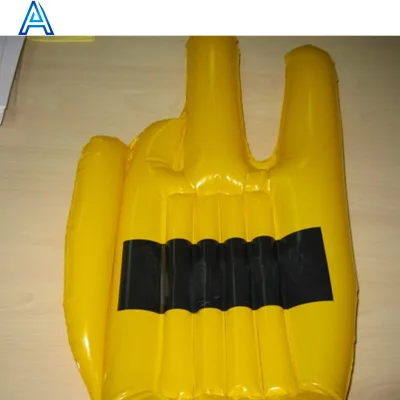
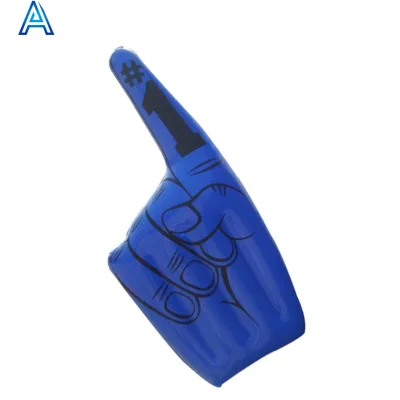
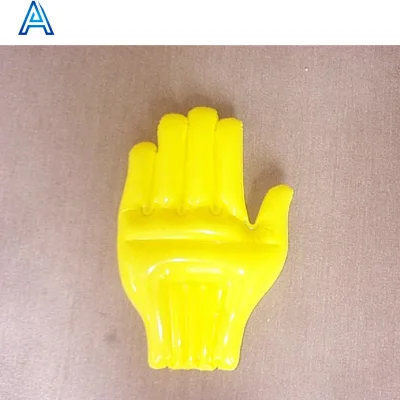
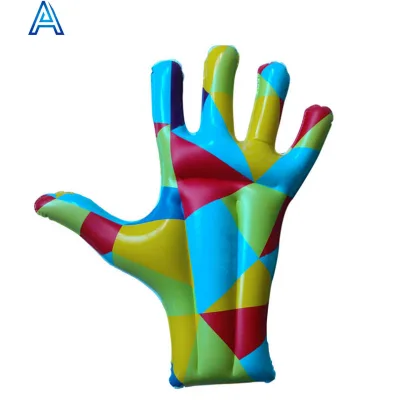
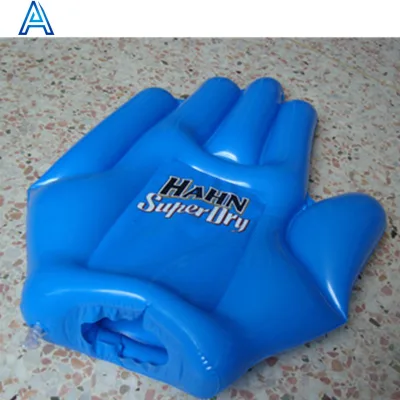
2025 New Year Concerts Fans Cheering Inflatable Pvc Hand for Advertising
$6.17 - $20.63
MOQ: 500 Minimum
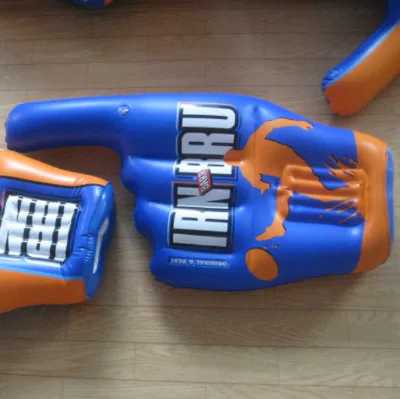
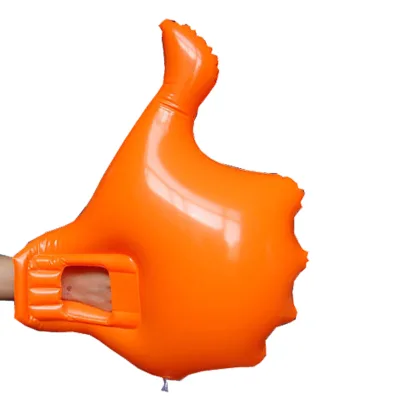
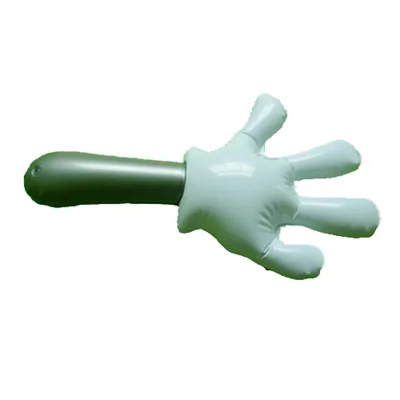
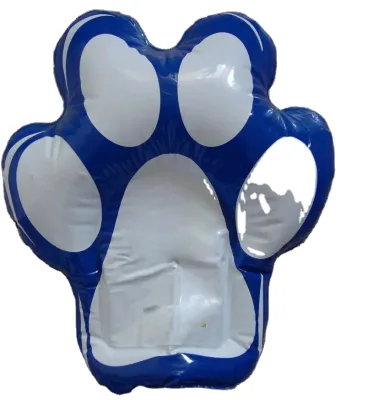
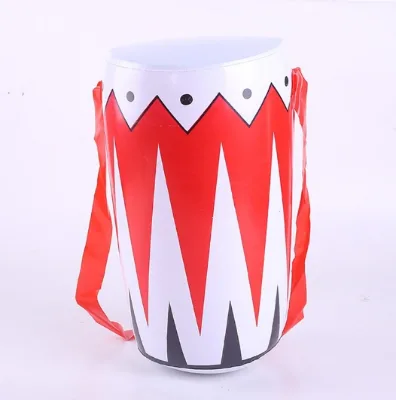


Promotional Inflatable Hand Cheering Clapper Toy for Sports Game with Custom Logo
$0.40 - $1.00
MOQ: 1000 Pieces




Comprehensive Sourcing Guide
Strategic Sourcing Guide for CE Certified Inflatable Cheering Pals
Procuring specialized promotional items such as inflatable cheering palms requires a disciplined approach that balances aesthetic appeal with rigorous safety compliance. The core keyword "CE Certified Inflatable Cheering Palm" points to a specific segment of the promotional toy market where visual impact and regulatory adherence are equally critical. Buyers must navigate a landscape defined by diverse material compositions, varying inflation mechanisms, and strict certification requirements. This guide outlines the essential technical, compliance, and operational factors necessary for a successful procurement strategy, ensuring that the final product meets both marketing objectives and safety standards.
Technical Specifications and Material Composition
The foundational aspect of sourcing an inflatable cheering palm lies in understanding the technical specifications that define its performance and durability. Based on available market data, these products are predominantly constructed from durable, flexible materials such as PVC, Nylon, Polyester, and Vinyl. The specific thickness of the material is a critical determinant of the product's longevity and resistance to punctures. High-quality variants often utilize PVC sheets ranging from 0.18mm to 0.20mm, which provide a balance between weight and structural integrity. This material selection is not merely about cost; it directly influences the product's ability to maintain its shape under the pressure of inflation while remaining lightweight for easy transport.
The physical dimensions of the inflated product are equally important for branding and visibility. Observed specifications indicate that the inflated size typically ranges between 50 cm in length, with some variations falling within the 4-6 feet or 6-8 feet range depending on the specific model and intended use. The single package size when deflated is compact, often measuring around 12x8x8 cm or 28x28x33 cm, which significantly impacts logistics and storage costs. The closure type is frequently heat-sealed, a manufacturing technique that ensures airtight integrity and prevents leakage over time.
Inflation methods vary, with electric air pumps being the standard mechanism for rapid deployment. However, a unique attribute of certain models is the capability to operate without continuous electricity once inflated, relying on the sealed air volume to maintain structure. The product weight is generally low, with single unit weights observed around 0.1 kg to 0.15 kg, facilitating bulk shipping. The color options are extensive, ranging from single-color white to multi-color designs, allowing for customization that aligns with corporate branding or event themes. The printing methods available include silk screen and digital printing, which are essential for applying logos and graphics that remain vibrant during use.
Compliance and Certification Verification
The term "CE certified" in the core keyword implies a mandatory adherence to European safety standards, yet the verification process requires careful scrutiny. While some product listings explicitly mention certificates including EN71 and ASTM, the presence of a CE mark is not automatically guaranteed by a single listing. Buyers must verify that the specific batch of products carries valid certification documentation. The EN71 standard is particularly relevant for toys intended for children, covering mechanical and physical properties, flammability, and chemical migration. Similarly, ASTM standards provide a framework for safety that is widely recognized in North America and often adopted globally.
It is crucial to distinguish between general product certifications and specific compliance for the target market. For instance, while some background information references EN14960, this standard is specific to inflatable play equipment and may not apply to small handheld cheering palms unless they are classified as large-scale play structures. Therefore, buyers should not assume that a general "CE" claim covers all regulatory requirements. Instead, the procurement strategy must involve requesting the actual test reports and certificates from the supplier. These documents should be current and issued by an accredited third-party laboratory.
The certification process also extends to the materials used. The PVC and vinyl components must be free from harmful substances, which is often validated through the EN71 chemical testing. Buyers should ensure that the supplier can provide a Declaration of Conformity (DoC) that explicitly lists the standards met by the specific model number, such as FHD014M or FBE487Y10. Without these documents, the risk of customs delays or market rejection increases significantly. The "Eco-Friendly" attribute mentioned in some listings suggests that the materials may meet specific environmental standards, but this should be cross-referenced with the supplier's technical data sheet to confirm the exact nature of the eco-friendly claim.
Cost Drivers and Pricing Dynamics
Understanding the cost structure of inflatable cheering palms is essential for budgeting and negotiation. The observed price range in the market spans from $0.08 to $199.57, a wide disparity that reflects differences in material quality, customization complexity, and order volume. The primary cost driver is the material thickness and type; thicker PVC or specialized nylon blends will command a higher price point than standard vinyl. Additionally, the complexity of the printing design plays a significant role. Silk screen printing is generally more cost-effective for large, solid-color logos, while digital printing allows for complex, multi-color graphics but incurs higher setup and per-unit costs.
Minimum Order Quantity (MOQ) is another critical factor influencing the unit price. While some suppliers may offer lower MOQs, the typical range observed is between 500 and 5000 pieces, with specific listings indicating an MOQ of 1000 pieces. Ordering above the standard MOQ often results in a lower per-unit cost due to economies of scale in production and material purchasing. The customization of the logo and the inclusion of specific features, such as custom packaging or unique inflation mechanisms, will also add to the overall cost.
Shipping and logistics represent a significant portion of the total landed cost. The single gross weight of the product, which can range from 0.150 kg to 6.570 kg depending on the packaging configuration, affects freight charges. Buyers must consider the shipping method, whether by air or by boat, as this choice drastically impacts the timeline and cost. Air freight is faster but more expensive, suitable for urgent orders, while sea freight is more economical for large volumes but requires longer lead times. The origin of the product, typically Guangdong, China, offers competitive manufacturing costs but necessitates careful calculation of import duties and taxes based on the destination country's regulations.
Typical Applications and Usage Scenarios
Inflatable cheering palms are versatile promotional tools designed for a wide array of applications. Their primary use case is in event-based marketing, where they serve as high-visibility props to engage audiences. Common scenarios include concerts, sports games, and corporate events where the product can be used to cheer on teams or celebrate milestones. The "fantasy" and "advertising" themes associated with these products make them ideal for creating a festive atmosphere. The product is designed for both indoor and outdoor use, provided that the environmental conditions do not exceed the material's tolerance limits.
The target audience for these products is broad, ranging from children aged 5-7 years to teenagers and adults aged 14 years and up. This wide age range allows for their use in family-oriented events as well as adult-focused gatherings. The "Unisex" gender classification ensures that the product is suitable for all attendees, regardless of gender. The usage extends beyond simple cheering; these items are often used as promotional gifts to enhance brand recall. The ability to customize the logo means that companies can distribute these items as souvenirs, effectively turning the audience into brand ambassadors.
The product's portability and ease of use make it suitable for various occasions. Whether used in a stadium, a trade show booth, or a private party, the inflatable palm offers a unique way to capture attention. The "cheering in events" attribute highlights its function as a tool for audience participation. Buyers should consider the specific context of their event when selecting the size and design. For large venues, the larger dimensions (4-6 feet or 6-8 feet) may be more appropriate to ensure visibility from a distance, while smaller sizes (50 cm) are better for close-range interactions and personal distribution.
Supplier Evaluation and Selection Criteria
Selecting the right supplier is a critical step in the procurement process. Buyers should prioritize suppliers who demonstrate transparency in their manufacturing capabilities and compliance documentation. Key evaluation criteria include the supplier's location, which is often Guangdong, China, and their ability to provide OEM/ODM services. The availability of customization options, such as custom logos and specific color schemes, is a strong indicator of a supplier's flexibility and commitment to meeting buyer needs.
The supplier's track record in handling certifications is paramount. Buyers should verify the supplier's history of producing CE-certified products and their willingness to share test reports. A reliable supplier will have a robust quality control system in place to ensure that every batch meets the specified standards. The ability to accept sample orders is another positive indicator, allowing buyers to physically inspect the product quality before committing to a large order.
Communication and responsiveness are also vital. Suppliers who provide clear information about lead times, shipping methods, and packaging details are easier to work with. The observed delivery time of 7-20 days suggests a relatively quick turnaround, but buyers should confirm this with the specific supplier to avoid delays. Additionally, the supplier's experience with international shipping, including the ability to ship by air or boat to various global destinations, is essential for ensuring timely delivery.
Quality Control and Long-Term Procurement Considerations
Implementing a rigorous quality control (QC) process is essential to mitigate risks associated with bulk orders. Buyers should establish clear acceptance criteria based on the technical specifications, such as material thickness, inflation pressure, and print quality. Conducting pre-shipment inspections is highly recommended to identify any defects before the goods leave the factory. This includes checking for air leaks, verifying the strength of the heat-sealed closures, and ensuring that the printed logos are aligned and vibrant.
Long-term procurement considerations involve building a sustainable relationship with the supplier. This includes negotiating favorable terms for repeat orders, such as volume discounts and flexible MOQs. Buyers should also consider the environmental impact of the products, given the "Eco-Friendly" attribute mentioned in some listings. Ensuring that the materials used are recyclable or biodegradable can align with corporate sustainability goals.
The durability of the product is a key factor in long-term satisfaction. Buyers should assess the product's resistance to wear and tear, especially if it is intended for repeated use in multiple events. The choice of material and the quality of the inflation pump are critical in this regard. Additionally, buyers should plan for storage and maintenance, ensuring that the deflated products are stored in a cool, dry place to prevent material degradation.
Comparative Analysis of Product Attributes
To facilitate decision-making, the following table summarizes the key attributes observed in the market for inflatable cheering palms. This comparison highlights the variations in specifications that buyers should consider when evaluating potential suppliers.
| Attribute | Standard Observation | Variations & Notes |
|---|---|---|
| Material | PVC, Nylon, Polyester, Vinyl | Thickness ranges from 0.18mm to 0.20mm; specific grades affect durability. |
| Inflated Size | 50 cm (approx. 20 inches) | Larger models range from 4-6 ft to 6-8 ft; custom sizes available. |
| Certification | EN71, ASTM, CE (claimed) | Verify specific test reports; EN14960 may not apply to all models. |
| Printing | Silk Screen, Digital | Digital allows complex graphics; Silk screen is cost-effective for solids. |
| MOQ | 1000 pcs (typical) | Range observed from 500 to 5000; higher volumes reduce unit cost. |
| Lead Time | 7-20 days | Depends on order size and customization complexity. |
| Inflation | Electric Air Pump | Some models claim operation without continuous electricity. |
| Weight | 0.1 kg - 0.15 kg (net) | Gross weight varies by packaging; impacts shipping costs. |
| Age Group | 5-7 Years, 14 Years & up | Ensure product safety matches the intended demographic. |
By adhering to these guidelines and maintaining a focus on evidence-based decision-making, buyers can successfully source high-quality, compliant inflatable cheering palms that meet their specific marketing and operational needs. The combination of technical precision, regulatory diligence, and strategic supplier selection ensures a procurement process that is both efficient and effective.
FAQs
What certifications do these inflatable cheering palms have?
Products typically hold EN71 and ASTM certificates to ensure safety compliance. Some listings also mention general certificates, but buyers must verify specific batch documentation for CE marking before purchase.
Which material thickness is standard for these inflatable toys?
The standard material thickness ranges from 0.18mm to 0.20mm PVC. This thickness balances durability with lightweight portability while meeting EN71 safety requirements for toy construction.
Can I customize the logo using silk screen or digital printing?
Yes, both silk screen and digital printing options are available for logo customization. Buyers can request specific graphic designs to align with their brand or event theme requirements.
What is the typical minimum order quantity for these items?
The typical minimum order quantity is 1000 pieces, though ranges between 500 and 5000 are observed. Specific suppliers may have different thresholds, so confirming the exact MOQ is essential.
How long does delivery take after placing an order?
Delivery time generally ranges from 7 to 20 days depending on order volume and shipping method. Buyers should confirm the specific lead time with the supplier before finalizing the purchase.
What is the inflated size of the cheering palm?
The inflated size is typically 50 cm long, with some models reaching 4 to 6 feet. Custom sizes are also available to meet specific event visibility or branding needs.
Where are these products manufactured?
These products originate from Guangdong, China. This location is a known hub for manufacturing inflatable toys and promotional gifts with established export capabilities.