Source CE Certified Rescue Firefighting Tripod for Air, Aquatic, and Land
Find and compare 30 CE Certified Rescue Firefighting Tripod options for professional equipment use. Evaluate specifications like operating load, winch wire length, and material strength to select the right tripod for air, aquatic, or land applications.
Key considerations
Products List


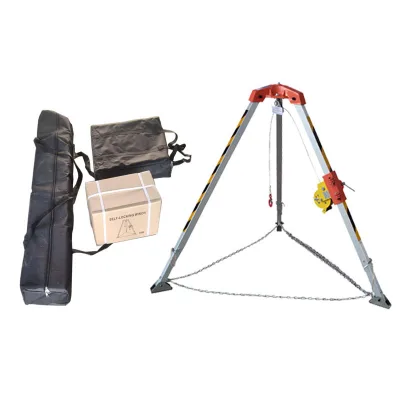


China Manufacturer CE Certificated Aluminum Emergency Rescue Tripod with 750kgs
$280.00 - $350.00
MOQ: 10 Pieces


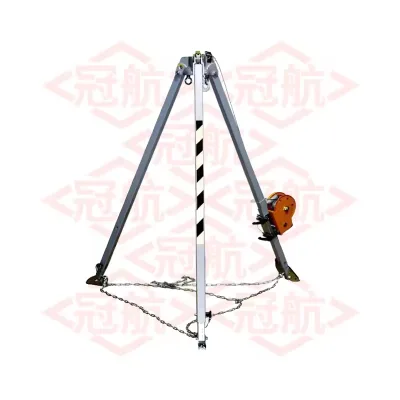
Fireman Fire Safety Fire Rescue Tripod with Ce Standard
$100.00 - $10000.00
MOQ: 1 Pieces
Shandong China Coal Industrial & Mining Supplies Group Co., Ltd.


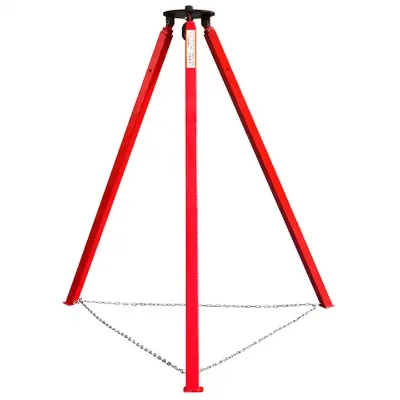
High Quality China Coal Emergency Rescue Tripod
$150.00 - $160.00
MOQ: 1 Pieces
Shandong China Coal Industrial & Mining Supplies Group Co., Ltd.


Comprehensive Sourcing Guide
CE Certified Rescue Firefighting Tripod Sourcing Guide
Procuring a CE certified rescue tripod for firefighting and industrial safety applications requires a disciplined approach to verifying technical integrity and regulatory compliance. These systems are critical life-safety assets, designed to provide stable anchor points for vertical rescue operations in confined spaces, industrial sites, and emergency response scenarios. The core keyword "CE Certified Rescue Firefighting Tripod" signals a specific intersection of European regulatory adherence and heavy-duty mechanical performance. Buyers must understand that certification is not merely a label but a verification of design, manufacturing quality, and material strength against established safety norms. This guide outlines the essential verification steps, technical parameters, and commercial considerations necessary to secure reliable equipment that meets the rigorous demands of professional rescue teams.
The market for these tripods is characterized by a range of configurations, from standard three-point fixed modes to customizable setups tailored for specific operational environments. Observed listings indicate a diverse product landscape, with models ranging from basic steel wire rope assemblies to advanced systems like the "Tripod Evo" featuring integrated winches and specialized safety belts. The presence of CE certification suggests that the manufacturer has declared conformity with relevant European health, safety, and environmental protection standards. However, the diversity in specifications—from operating loads of 400kg to breaking loads exceeding 1200kg—means that buyers cannot assume uniform performance across all certified products. A thorough evaluation of individual product attributes is required to ensure the selected tripod aligns with the specific weight, height, and environmental requirements of the intended rescue operations.
Product Scope and Observed Listing Signals
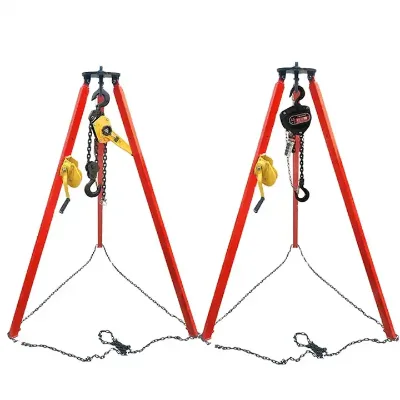
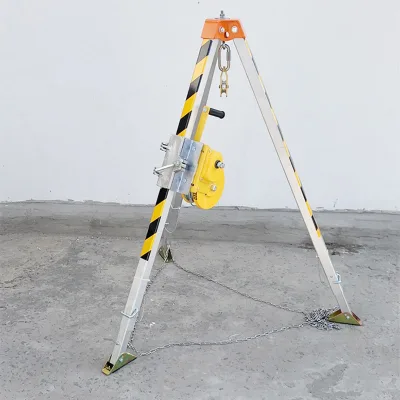
The product scope for rescue tripods encompasses a variety of structural designs and accessory configurations, primarily focused on vertical access and rescue. Common types include the "Lift Rescue Tripod" and "Tripod Evo" models, which are often constructed from high-strength steel wire rope and robust metal frames. These systems are typically designed for adult use in professional equipment contexts, suitable for air, aquatic, field, and land applications. The observed listings highlight key physical attributes such as closed lengths around 130cm and extension lengths up to 228cm, with a length scope that allows for adjustable height configurations. The inclusion of accessories like safety belts made from polyester or polyamide ester, and safety ropes with high breaking strength, indicates a comprehensive system approach rather than a standalone structural component.
Listing signals reveal significant variation in packaging and origin, which can impact logistics and total cost of ownership. Many products originate from Shandong, China, and are packed in wooden crates or customized packaging to protect the equipment during transit. Dimensions such as 1752323cm for packing are frequently cited, alongside weights that can range from approximately 17.3kg for the tripod structure to heavier assemblies including winches. The presence of both "Yellow" and "Blue" color options suggests customization availability, which may be relevant for visual identification in complex rescue scenes. Buyers should note that while CE certification is a common claim, the specific model numbers and detailed specifications, such as winch wire length of 25m or mechanical advantage ratios, vary significantly between suppliers and require careful cross-referencing with the actual product datasheets.
Technical Specifications to Verify
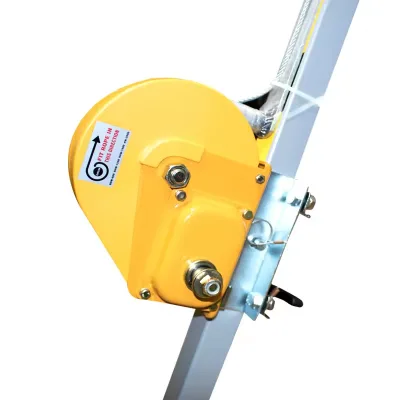
Verifying the mechanical load capacities is the most critical technical step in the procurement process. Buyers must distinguish between the operating load, which is the safe working limit, and the breaking load, which indicates the ultimate failure point. For instance, some observed models specify an operating load of 400kg with a breaking load of 1200kg, while others may list a rated load of 1100 Lbs. It is essential to confirm the maximum prevent breaking force, which can be cited in kilonewtons (kN) or pounds (lbs), such as 22kN or 4944.94lbs for steel wire rope components. The winch system, if included, requires separate verification of its own operating load (e.g., 180kg) and breaking load (e.g., 1800kg), as these components often have different safety factors and wear characteristics compared to the tripod legs.
Dimensional and material specifications must be aligned with the physical constraints of the rescue environment. The tripod's length scope, ranging from 134cm to 214cm in some models, determines the vertical reach and stability footprint. Buyers should verify the wire diameter, often around 5mm, and the total wire length, which can be 25m or specified in inches like 1170in for certain winch configurations. The fixed mode, whether two-point or three-point, affects the stability and setup complexity. Additionally, the material composition of safety belts and ropes, such as polyester or polyamide ester, influences durability and resistance to environmental factors. Confirming these details ensures that the equipment will perform reliably under the specific stress conditions of the intended rescue operations.
Compliance and Safety Documentation
CE certification is a mandatory requirement for selling and using rescue equipment within the European Economic Area, indicating that the product meets essential health and safety requirements. Buyers must request the Declaration of Conformity (DoC) and verify that it covers the specific model and serial number range being purchased. The presence of ISO certification, often listed alongside CE, suggests adherence to international quality management standards, which can be an indicator of consistent manufacturing processes. However, certification alone does not guarantee performance; it is a baseline requirement. Buyers should ensure that the certification documentation explicitly references the relevant harmonized standards for personal protective equipment and lifting devices, ensuring that the design and testing protocols align with current regulatory expectations.
Beyond certification, comprehensive safety documentation is vital for operational readiness and liability management. This includes detailed user manuals, maintenance schedules, and inspection checklists that guide users in the proper setup, use, and storage of the tripod. Documentation should clearly define the safe working load limits, recommended anchor points, and procedures for emergency descent or retrieval. Buyers should also verify that the supplier provides evidence of third-party testing or internal quality control records that validate the claimed breaking loads and mechanical advantages. Access to clear, multilingual safety instructions is crucial for training rescue personnel and ensuring that the equipment is used correctly in high-stress emergency situations, thereby minimizing the risk of accident or equipment failure.
Cost Drivers and Commercial Terms
The price range for CE certified rescue tripods is broad, reflecting variations in materials, complexity, and included accessories. Observed listings show prices ranging from approximately $90.21 to $10,000, driven by factors such as the inclusion of integrated winches, the quality of steel wire ropes, and the level of customization available. Higher-priced units often feature advanced mechanisms, such as 12:1 mechanical advantage winches, and come with comprehensive accessory kits including high-strength safety belts and ropes. The minimum order quantity (MOQ) can vary, with some suppliers offering single-unit purchases while others may require bulk orders for customized configurations. Buyers should evaluate the total value proposition, considering not just the unit price but also the durability, warranty, and support services included in the commercial terms.
Commercial terms also encompass packaging, shipping, and after-sales support. Products are typically packed in wooden crates or customized packaging to prevent damage during transit, which can affect shipping costs and handling requirements. Lead times may vary based on customization needs and production schedules, so buyers should clarify delivery expectations upfront. Warranty policies and availability of spare parts, such as replacement winch cables or leg locks, are critical considerations for long-term procurement. Buyers should negotiate terms that include clear definitions of liability, return policies for defective items, and access to technical support. Understanding these commercial dynamics helps in budgeting accurately and ensuring that the procurement process aligns with the operational timeline and financial constraints of the organization.
Supplier Qualification and Quality Control
Selecting a qualified supplier is paramount to ensuring the reliability and safety of rescue equipment. Buyers should prioritize manufacturers who demonstrate a robust quality management system, evidenced by ISO certification and consistent production standards. Verification of the supplier's ability to provide accurate and up-to-date CE certification documentation is essential. It is advisable to request samples or conduct factory audits to assess the manufacturing processes, material sourcing, and final inspection protocols. Suppliers with a proven track record in the safety equipment industry are more likely to deliver products that meet the stringent requirements of professional rescue operations. Building a relationship with a reputable supplier can also facilitate better support, training, and potential customization options for future procurement needs.
Quality control measures should be integrated into the procurement process to mitigate risks associated with manufacturing defects. Buyers should specify incoming inspection criteria and require certificates of conformity for each batch of equipment delivered. Implementing a regular inspection and maintenance schedule, as recommended by the supplier, is crucial for extending the lifespan of the tripod and ensuring its readiness for emergency use. Training for procurement and safety personnel on how to verify equipment integrity and identify signs of wear or damage is also important. By establishing clear quality control protocols and maintaining open communication with the supplier, organizations can ensure that their rescue tripods remain reliable and compliant throughout their service life.
Long-Term Procurement Checks
Long-term procurement success depends on continuous monitoring of equipment performance and regulatory changes. Rescue standards and certification requirements may evolve, necessitating periodic reviews of the existing fleet to ensure ongoing compliance. Buyers should establish a lifecycle management plan that includes regular inspections, preventive maintenance, and timely replacement of worn components. Tracking the usage hours and operational history of each tripod can help predict maintenance needs and identify potential issues before they lead to failure. Additionally, staying informed about advancements in rescue technology and materials can inform future procurement decisions, allowing organizations to upgrade to more efficient or durable systems as needed.
Feedback from end-users, such as rescue teams and safety officers, is invaluable for assessing the practical performance of the equipment. Regular debriefs after drills or actual rescue operations can highlight areas for improvement in design, usability, or maintenance procedures. This feedback loop should be shared with the supplier to drive product improvements and ensure that future purchases better meet operational needs. By maintaining a proactive approach to equipment management and supplier engagement, organizations can ensure that their rescue tripods remain effective, compliant, and ready to save lives in critical situations. This strategic perspective transforms procurement from a transactional activity into a core component of organizational safety and resilience.
FAQs
What certifications does the rescue tripod have?
The rescue tripod holds CE and ISO certifications for safety compliance. These certifications ensure the equipment meets international standards for professional rescue operations in air, aquatic, field, and land environments.
How much weight can the tripod support?
The tripod supports an operating load of 400kg with a breaking load of 1200kg. The winch component separately handles an operating load of 180kg and a breaking load of 1800kg for safe lifting operations.
Can the tripod be customized for specific needs?
Yes, customization is available for this rescue tripod model. Buyers can request specific configurations to suit their professional equipment requirements while maintaining the core structural integrity and safety features.
What is the weight of the tripod unit?
The tripod unit weighs 17.3kg for the main structure. The winch component adds an additional 13kg, making the total system weight manageable for transport and deployment in various rescue scenarios.
What materials are used for the safety ropes?
The safety ropes are made of high-strength wire with a diameter of 5mm. The safety belts utilize polyester material, ensuring durability and strength of at least 23kN for secure user attachment.
Where is this rescue tripod manufactured?
This rescue tripod is manufactured in Shandong, China. The product origin is confirmed as China, ensuring supply chain transparency for buyers seeking reliable sources for professional firefighting and rescue equipment.
What is the extension length of the tripod?
The tripod extends to a length of 228cm from a closed length of 130cm. The length scope ranges from 134cm to 214cm, providing adjustable height for different rescue access requirements.