Source CE Certified Rotary Selector Switch for Electrical, Communication, and Audio
Find and compare 30 CE Certified Rotary Selector Switch options from Chinese manufacturers. These switches support electrical appliances, communication devices, and audio equipment, featuring various certifications like ISO and RoHS for reliable industrial and consumer applications; compare the available evidence and request quotations based on your requirements.
Key considerations
Products List


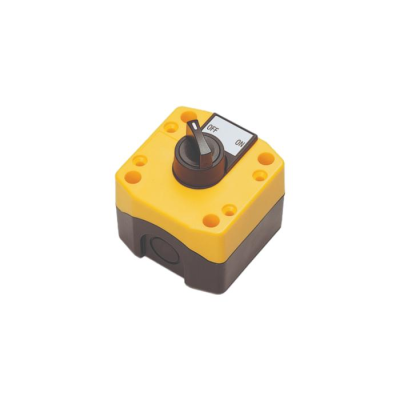


Comprehensive Sourcing Guide
CE Certified Rotary Selector Switch Sourcing Guide
Procuring CE certified rotary selector switches requires distinguishing between general electrical appliances and specialized communication or digital product applications. The observed market data indicates a diverse range of models, from the LW26 universal transfer switch to specialized MINI ROTARY DIP switches, each serving distinct operational needs. Buyers must carefully align their specific application requirements, such as emergency style operation or self-locking structures, with the available product attributes to ensure functional compatibility.
Verification of the certification status is critical, as the supply chain presents varying levels of compliance documentation including ISO, RoHS, and CCC standards alongside the mandatory CE mark. While some listings explicitly state high-current capabilities or waterproof IP68 ratings, others focus on capacitive principles or specific contact types like Type A. Sourcing teams should prioritize suppliers who can provide clear evidence of these certifications for the specific model variant intended for their industrial or electronics deployment.
Product Scope and Observed Listing Signals
The current market inventory reveals a wide spectrum of rotary switch configurations, ranging from single-button emergency styles to multi-control switches designed for complex industrial environments. Listings frequently highlight specific structural features such as mushroom-head designs or power-built-in types, which dictate the physical integration and user interaction protocols. Buyers should scrutinize these structural details to ensure the selected switch meets the mechanical constraints of their assembly line or control panel design.
Commercial signals in the listings indicate that pricing is often negotiable, with observed ranges spanning from 0.1 to 42 USD depending on the complexity and volume. Minimum order quantities vary significantly, from single units to ten thousand pieces, suggesting flexibility for both prototyping and mass production scenarios. Procurement strategies must account for these variable MOQs and packing formats, such as tube, tape, reel, or carton, to optimize logistics and inventory management costs effectively.
Technical Specifications to Verify
Technical due diligence must focus on the electrical parameters, specifically verifying the operation voltage and electric current ratings against the intended load. The data shows products rated for high voltage and high current applications, alongside others designed for lower power digital products or toys. Confirming the specific contact type, such as normal open or dual-pole two-position configurations, is essential to prevent circuit failures and ensure the switch operates safely within the system's electrical limits.
Mechanical specifications including the number of switches, wiring requirements, and detection methods also require rigorous validation. Some models utilize retro-reflective modes or specific wiring configurations like null line and live line, which must match the existing infrastructure. Additionally, the standard type, whether SMT, through-hole terminal, or customized, dictates the manufacturing process and assembly compatibility, making it a non-negotiable factor in the selection process for any engineering team.
Compliance and Safety Documentation
Ensuring that the CE mark is supported by a valid Declaration of Conformity is the primary safety requirement for entering the European market. The observed listings mention multiple certifications including ISO, RoHS, and CCC, but buyers must confirm that the specific batch of rotary switches carries the correct documentation for the target application. Relying on general claims without verifying the specific certificate number and scope can lead to regulatory non-compliance and potential market access barriers.
Safety standards such as IP68 waterproof ratings and protection types like self-locking mechanisms must be validated through independent test reports or manufacturer data sheets. While some products claim high protection levels, these attributes should be cross-referenced with the actual usage environment, such as industrial settings or outdoor installations. Procurement teams should request detailed test results for fire resistance, electrical endurance, and mechanical durability to substantiate the safety claims made in the product listings.
Cost Drivers and Commercial Terms
The final cost of rotary selector switches is heavily influenced by the level of customization, certification complexity, and the specific technical specifications required. Models featuring custom standards, high-current capacities, or specialized structures like mushroom-head designs typically command higher prices than standard off-the-shelf units. Buyers should analyze the trade-off between customization costs and the long-term value of a switch that perfectly matches their operational requirements to avoid unnecessary expenditure.
Commercial terms regarding payment, lead times, and shipping logistics vary widely across the observed supplier base, with some offering flexible negotiation on price and others adhering to strict MOQs. The packing method, whether in boxes, bags, or reels, also impacts the total landed cost and handling efficiency. Sourcing managers must negotiate clear terms that account for these variables, ensuring that the total cost of ownership includes all necessary logistics and compliance-related expenses.
Supplier Qualification and Quality Control
Supplier qualification should prioritize manufacturers who explicitly state their origin and production capabilities, such as those based in China Zhejiang, to ensure supply chain transparency. The presence of manufacturer status in the listings suggests a direct relationship with the production facility, which can facilitate better quality control and faster response times for technical inquiries. Buyers should verify the supplier's ability to maintain consistent quality across different batches, especially when dealing with high-volume orders.
Quality control protocols must include regular audits of the production line and verification of the certification documents for each shipment. Given the diversity of products from communication switches to electrical appliances, suppliers must demonstrate a robust system for testing electrical current, voltage, and mechanical operation. Establishing a clear quality agreement that defines acceptance criteria for defects, packaging integrity, and documentation accuracy is vital for maintaining product reliability.
Long-Term Procurement Checks
Sustaining a reliable supply of CE certified rotary switches requires ongoing monitoring of supplier performance and product consistency over time. Buyers should implement a system for tracking defect rates and verifying that subsequent batches continue to meet the original technical and compliance specifications. Regular re-verification of certifications is necessary, as regulatory standards and manufacturer capabilities can evolve, potentially affecting the validity of the CE mark on future orders.
Strategic procurement also involves building a relationship with suppliers who can adapt to changing market demands and technical requirements. As applications expand into new areas like audio equipment or advanced digital products, the ability of the supplier to provide updated models or custom solutions becomes a key competitive advantage. Establishing a long-term partnership ensures access to the latest innovations and maintains a stable supply chain for critical components in complex electrical systems.
FAQs
What certifications are available for ce certified rotary selector switches?
These switches typically hold ISO, CE, RoHS, CCC, and UL certifications. This ensures compliance with international safety and environmental standards. Buyers can verify specific documents to meet regional regulatory requirements for industrial and electrical appliance applications.
Can I customize the specifications of these rotary switches?
Yes, customization is available for many models. Manufacturers offer options for different contact types, wiring configurations, and structural designs. This allows buyers to tailor the switch to specific electrical appliance or communication device requirements effectively.
What is the typical MOQ for these rotary switches?
The minimum order quantity ranges from 1 to 10,000 units. This flexibility supports both small prototype orders and large-scale industrial production runs. Buyers should confirm exact MOQs with suppliers based on the specific model and packaging needs.
Where are these rotary switches manufactured?
These products are primarily manufactured in China, with significant production in Zhejiang province. This region is known for its robust electronics manufacturing infrastructure. Buyers can leverage this location for efficient sourcing and supply chain management.
What types of applications use these rotary switches?
They are used in electrical appliances, communication devices, digital products, and audio equipment. The switches support various operations like emergency style or self-locking. This versatility makes them suitable for industrial, electronics, and consumer product applications.