Source Combination Seat Adjustment Switch for Trucks, Buses, and Heavy Equipment
Explore 30 verified listings for the CE Combination Seat Adjustment Switch tailored for truck drivers, bus operators, and heavy machinery fleets. Buyers can compare model numbers like SSA6 and SA17, MOQs, and delivery times to find the right fit for their fleet needs.
Key considerations
Products List
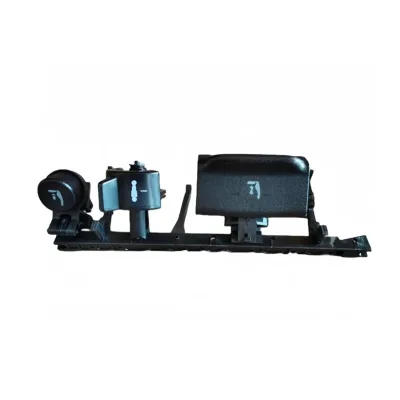
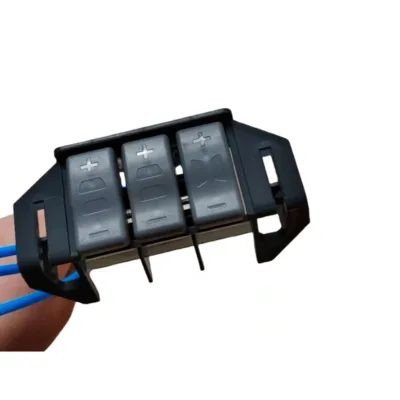
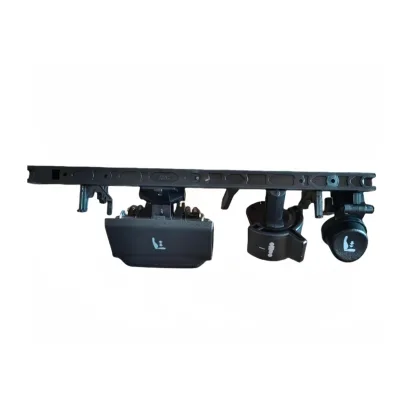
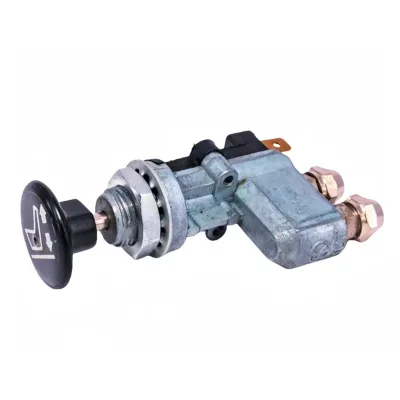
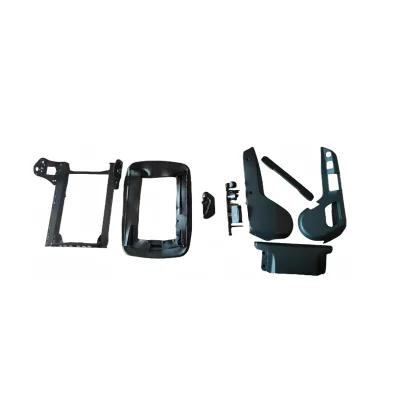
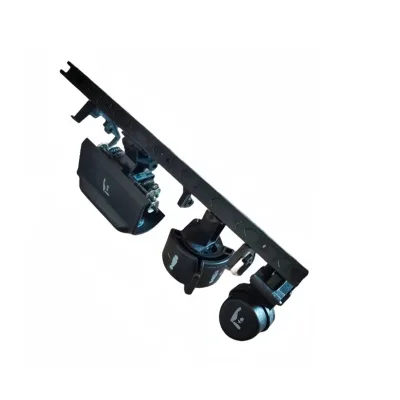
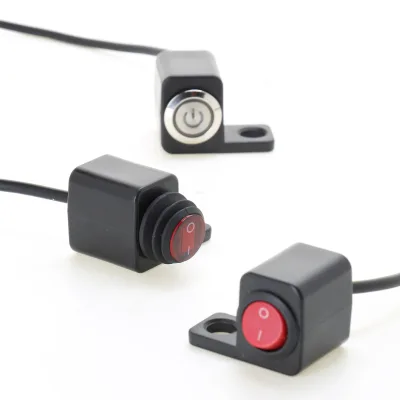
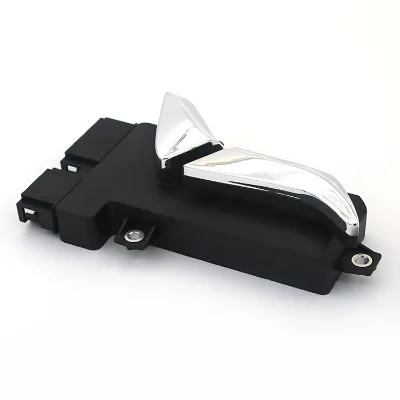


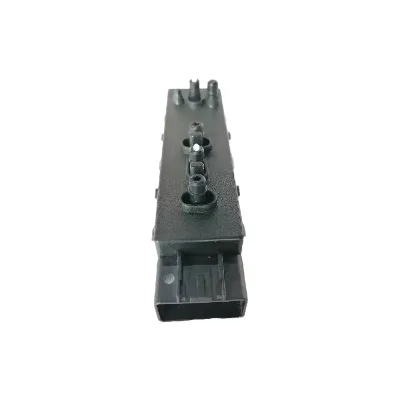


Replacement Forklift Seat with Adjustable Angle Back, Micro Switch and Slide Rail
$71.00 - $72.50
MOQ: 30 Pieces


Comprehensive Sourcing Guide
Strategic Sourcing Guide for Combination Seat Adjustment Switches
Understanding Product Variants and Technical Specifications
When sourcing a combination seat adjustment switch, buyers must first navigate the diverse landscape of available product configurations. The market offers a spectrum of devices ranging from universal fitment units to specialized components designed for heavy-duty applications. A primary observation in the current supply chain involves switches labeled as "Combination Adjustment Switches" which are often categorized under seat parts for trucks and heavy machinery. These units are frequently designed with a "Universal" car fitment attribute, suggesting they can be adapted to various vehicle models without requiring extensive modification, though verification of specific mounting points remains essential.
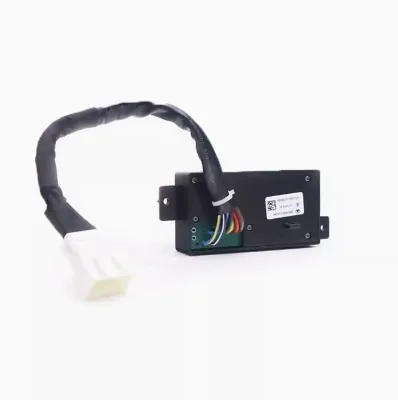
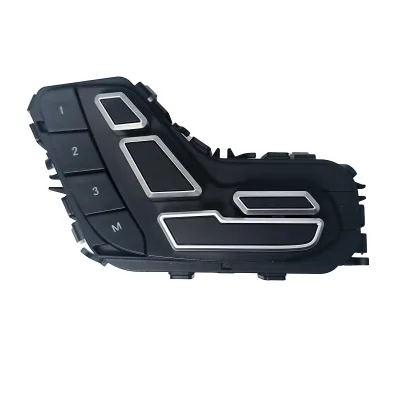
Technical specifications vary significantly between product listings. Some units are identified by model numbers such as SSA6, SA17, SA131, SSA5, and SSA3. These alphanumeric identifiers often correspond to specific internal circuitry or button configurations. For instance, certain listings describe a "Three button switch for truck air seat," which implies a specific interface for controlling air suspension systems in driver seats. This distinction is critical for procurement professionals, as a switch designed for a standard mechanical seat may not function correctly with an air suspension system. The physical dimensions also vary; observed single package sizes range from 50x40x30 cm to 10x310x10 cm, indicating that some products are sold as individual components while others may be bundled or packaged for bulk transport.
Color and design aesthetics are secondary to functionality but still require attention. Available options include "black and white" finishes, solid black units, or colors that match the original equipment manufacturer (OEM) photos exactly. The design style is typically described as "Single Color with No Pattern," ensuring a professional and uniform appearance within the vehicle cabin. The material composition is broadly categorized as "Other," which necessitates a deeper inquiry into the specific polymers or metals used in the housing and internal contacts to ensure durability against vibration and temperature fluctuations common in trucking environments.
Compliance, Certification, and Regulatory Verification
One of the most critical aspects of sourcing automotive electrical components is verifying compliance with international safety and quality standards. While the keyword "CE" often appears in search queries for European markets, buyers must exercise caution regarding the actual certification status of specific units. In the current supply data, "CE" is listed as a low-confidence background item, meaning it cannot be asserted as a guaranteed attribute for every listed product without direct verification from the manufacturer.
Procurement teams should not assume that a product listing implies full regulatory compliance. Instead, the buyer must request specific documentation, such as a Declaration of Conformity or test reports from accredited laboratories. The automotive industry relies heavily on standards like ISO 26262 for functional safety, though specific mention of this standard in the provided context is absent. Therefore, the buyer's responsibility is to ask the supplier to confirm if the product meets the specific regulatory requirements of the destination market, whether that is the European Union, North America, or Asia.
The "Quality: 100% Tested" attribute found in several listings is a positive indicator of internal quality control processes. However, this statement refers to the manufacturer's internal testing rather than an external third-party certification. To mitigate risk, buyers should inquire about the specific parameters tested, such as electrical continuity, insulation resistance, and cycle life. For air suspension switches, testing under pressure and vibration conditions is particularly important to prevent failure during operation. Relying solely on the "CE" keyword in a search engine without verifying the actual certificate can lead to non-compliant shipments, resulting in customs delays or legal liabilities.
Cost Drivers and Pricing Structure Analysis
The pricing for combination seat adjustment switches is influenced by a complex array of factors, including material costs, manufacturing complexity, and logistics. The observed price range in the market spans from $0.05 to $3,700 USD. This vast disparity indicates that the term "switch" covers everything from simple replacement buttons to complete, integrated control modules with advanced electronics. The lower end of the spectrum likely represents basic mechanical components or single units, while the higher end may include fully assembled systems with integrated sensors or specialized packaging.
Minimum Order Quantity (MOQ) is another significant cost driver. The observed MOQ range is between 1 and 1,000 units. A supplier offering an MOQ of 10 pieces allows for small-batch testing and low-risk procurement, which is ideal for initial sourcing phases. Conversely, an MOQ of 1,000 units suggests a focus on bulk manufacturing and may offer lower per-unit costs but requires significant capital commitment. Buyers must balance their inventory needs against the cash flow implications of high MOQs.
Logistics and packaging also impact the final landed cost. The single gross weight of some units is recorded at 5.000 kg, and package sizes vary widely. Shipping costs for heavy or bulky items can erode the savings gained from a low unit price. Additionally, the "Accept all kind of payments" attribute suggests flexibility in financial transactions, but buyers should still evaluate the payment terms, such as letters of credit or advance payments, to manage financial risk. The "Delivery time" of 7-15 days is a standard lead time for many suppliers, but this can fluctuate based on raw material availability and production scheduling.
Typical Applications and Industry Use Cases
Combination seat adjustment switches are primarily utilized in the commercial transportation and heavy-duty vehicle sectors. The "Type" attribute frequently identifies these products as "Seat Parts" or "Interior Kits," specifically tailored for "Air Suspension Driver Seats." This application is common in long-haul trucking, where driver comfort is directly linked to safety and fatigue reduction. The switches allow operators to adjust the seat height, tilt, and suspension firmness via air pressure controls, which is essential for maintaining a stable driving position over long distances.
The "Applicable models" listed include "Truck seat, air suspension seat, heavy duty seat," confirming that these components are not typically found in standard passenger cars but rather in specialized vehicles designed for rugged use. The "Key words" associated with these products, such as "Truck driver seat air control switch" and "Three button air suspension switch for heavy duty," further reinforce their niche application. Buyers sourcing these items should ensure that the switch is compatible with the specific air suspension system of their fleet. Mismatched components can lead to system failures, air leaks, or improper seat positioning, which poses a safety hazard.
Furthermore, the "Service Industry" is noted as "All," suggesting that while the primary market is trucking, these switches might be adaptable to other heavy machinery or specialized vehicles. However, the "Car Fitment: Universal" attribute should be interpreted with caution. While a switch might physically fit multiple models, the electrical interface and control logic must match the vehicle's wiring harness and ECU. Buyers should verify the "OEM STANDARD" size and specifications to ensure seamless integration with existing vehicle systems.
Supplier Evaluation and Procurement Capabilities
Selecting the right supplier is paramount when dealing with automotive components. The supply chain data reveals several service attributes that can guide supplier selection. Many suppliers offer "Agent purchasing" services, acting as intermediaries to source products from platforms like 1688. This model can be beneficial for buyers who need access to a wider range of Chinese manufacturers but lack local language skills or logistics networks. These agents often provide "Storage services," "inspection and packaging," and "Customs clearance services," which add value by streamlining the import process.
The "Industry experience years" of 4 is a metric that buyers should consider, though it is not a definitive measure of quality. A supplier with four years of experience may have established relationships with manufacturers and a better understanding of quality control processes. The "After-sales Service" offering "Repeat purchase" support indicates a focus on long-term relationships rather than one-off transactions. Buyers should evaluate the responsiveness of the supplier's support team and their ability to handle returns or replacements in case of defects.
Geographic location is another factor. The "Place of Origin" and "Country of Manufacture" are consistently listed as "Shaanxi, China" or simply "China." While this provides a baseline for logistics planning, buyers should verify the specific factory location to assess the supply chain's resilience. Suppliers located in industrial hubs may have better access to raw materials and skilled labor. The "Competitive Advantages" of storage and inspection services suggest that these suppliers are well-equipped to handle quality assurance before shipment, reducing the risk of receiving defective goods.
Quality Control and Long-Term Procurement Strategy
Ensuring consistent quality is a continuous process that extends beyond the initial purchase. The "Quality: 100% Tested" claim is a strong starting point, but buyers should implement their own quality control protocols. This includes requesting pre-shipment inspection reports, conducting random sampling upon receipt, and performing functional tests on the switches. For air suspension switches, testing the button response and air pressure regulation is essential to verify that the component performs as expected under load.
Long-term procurement considerations involve building a reliable supply chain that can scale with business needs. The "Service Type: Agent purchasing" and "Agency purchasing service scope: Global" indicate that suppliers are capable of handling international orders, which is crucial for global fleets. Buyers should establish clear communication channels and define quality standards in their contracts. The "Package" types, ranging from "Carton" to "Neutral package/Customization," offer flexibility for branding and logistics, but the buyer must ensure that the packaging protects the switches from damage during transit.
Finally, buyers should monitor the "Delivery time" and "Lead time" closely. A consistent 7-15 day delivery window is desirable, but delays can disrupt operations. Establishing a relationship with a supplier who can provide accurate lead time estimates and communicate proactively about potential delays is key to maintaining operational efficiency. By combining rigorous quality checks with strategic supplier relationships, buyers can secure a steady supply of high-quality combination seat adjustment switches that meet the demanding requirements of the heavy-duty vehicle industry.
FAQs
What is the minimum order quantity for these switches?
The minimum order quantity is 10 pieces for most listed items. Some suppliers may offer an MOQ of 1 unit, but the standard requirement observed is 10 pcs to initiate a purchase order.
Can I get these switches delivered within two weeks?
Yes, the standard delivery time is 7 to 15 days from the supplier. This lead time applies to the production and shipping process for the combination adjustment switches found in the current listings.
Which model numbers are available for truck air seats?
Available model numbers include SSA6, SA17, SA131, SSA5, and SSA3. These specific identifiers correspond to different configurations like three-button switches designed for heavy-duty truck air suspension systems.
How are the products packaged for shipment?
Products are typically shipped in carton boxes or neutral packages. Some listings specify a single package size of 50x40x30 cm with a gross weight of 5 kg, while others offer customization options.
Where are these seat adjustment switches manufactured?
The place of origin and country of manufacture are listed as Shaanxi, China. All observed product listings consistently indicate that the manufacturing takes place within this specific region of China.
What quality assurance is provided for these switches?
The products are described as 100% tested before shipment. This internal quality control measure ensures that the switches function correctly, though external third-party certification status varies by supplier.