Source CE Class I Finger Splint for Hospital, Sports, and Injury Care
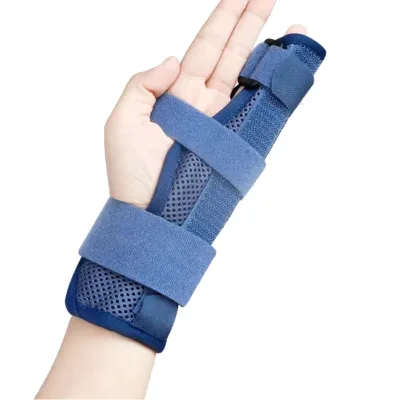
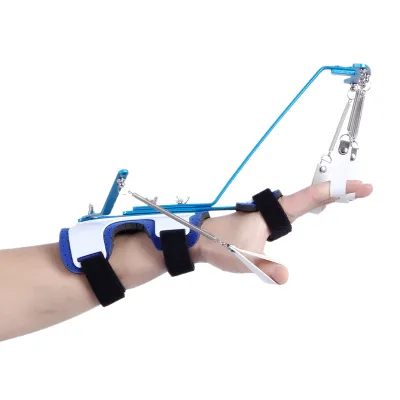
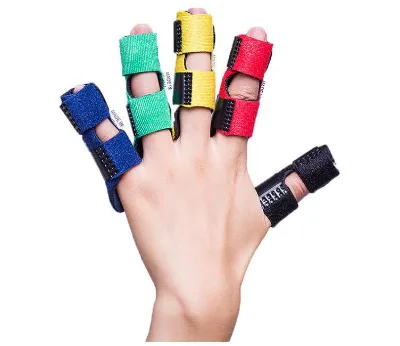
Find 30 CE Class I Finger Splint options for hospital, sports, and injury care. Compare specs, materials, and MOQs from Chinese manufacturers to source reliable finger support solutions. These products include textile fixation belts and dynamic braces for sprains and fractures.
Key considerations
Products List
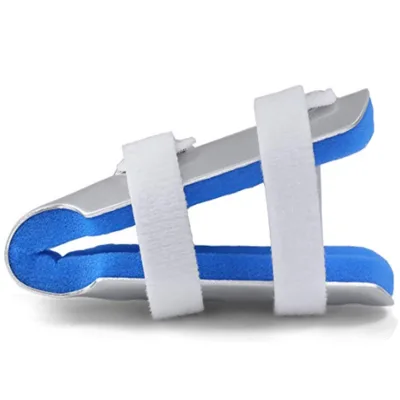
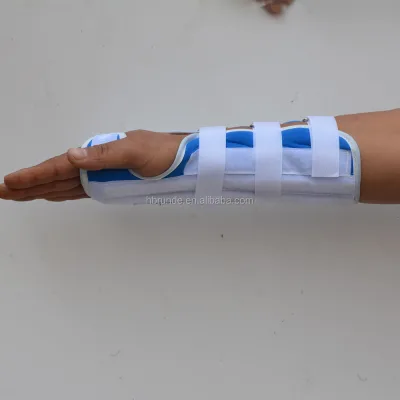
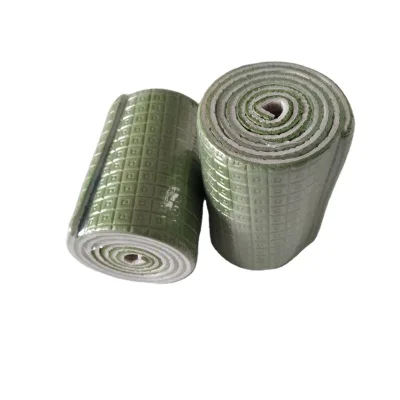
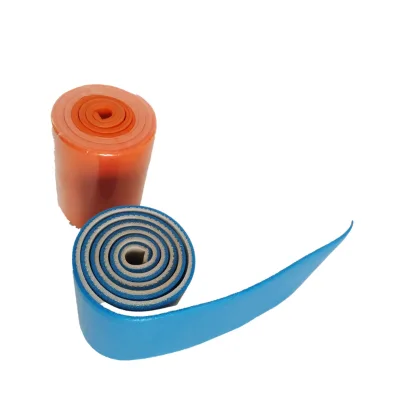
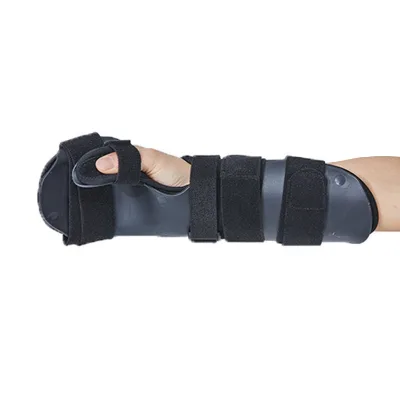


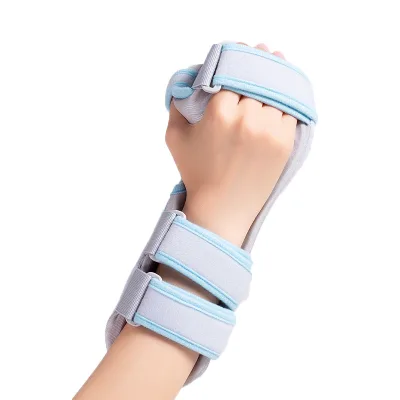
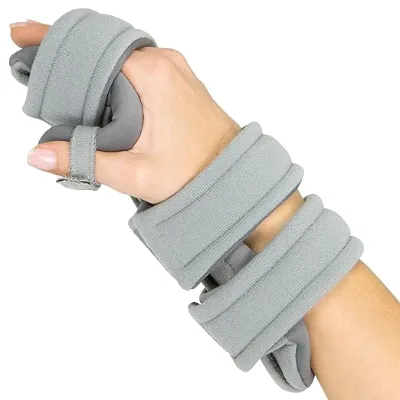
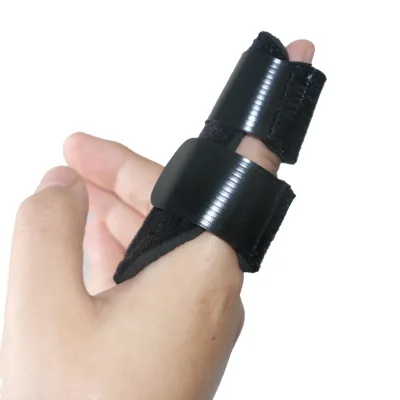
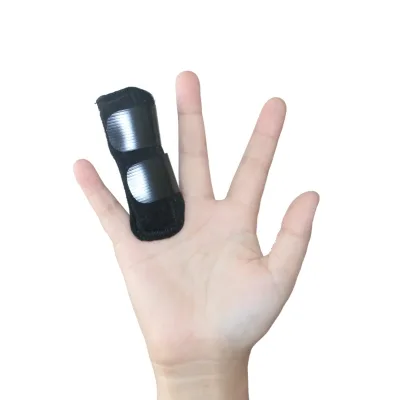
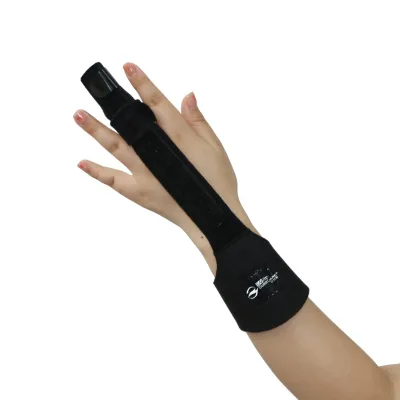
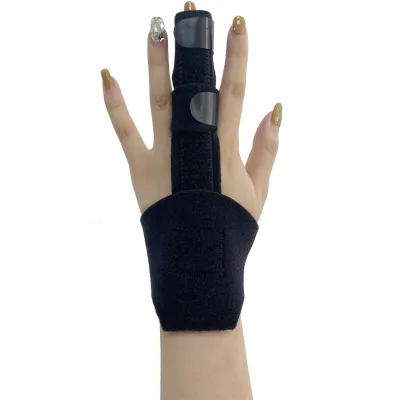
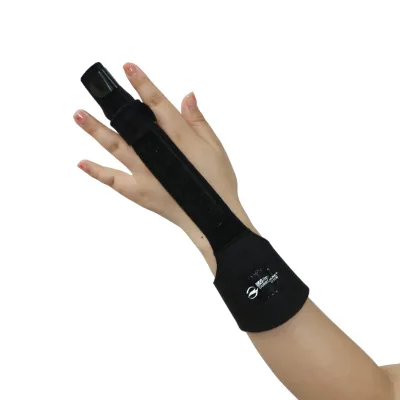


Comprehensive Sourcing Guide
CE Class I Finger Splint Sourcing Guide
Procuring Class I finger splints requires a disciplined approach to verifying device classification and material safety. Buyers must distinguish between static immobilization braces and dynamic rehabilitation supports, as each serves distinct clinical needs. The observed market includes textile-based fixation belts and customizable orthotic devices, often sourced from major manufacturing hubs in China. Understanding the specific function, whether for sprained fingers or volar plate injuries, is the first step in defining technical requirements.
Sourcing decisions should also account for the variability in product attributes such as size, color, and material composition. Listings frequently indicate options for OEM branding and customizable features, which can impact production timelines and minimum order quantities. Buyers need to establish clear specifications early to avoid mismatches between clinical expectations and supplier capabilities. This guide outlines the critical verification steps for technical compliance, commercial terms, and supplier quality assurance.
Product Scope and Observed Listing Signals
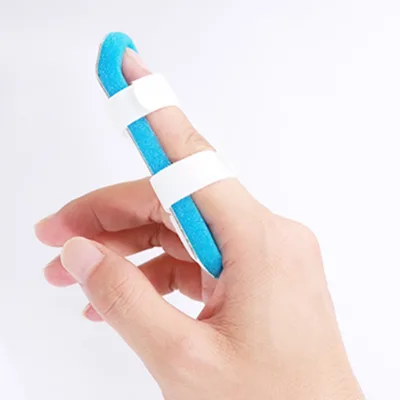
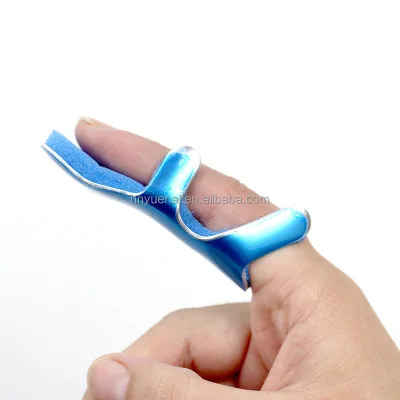
The current market landscape for finger splints reveals a diverse range of products categorized under physical therapy equipment and sports protection. Observed listings highlight items such as finger fixation belts made from textile materials, designed for easy operation in hospital or home settings. These products often feature simple packaging like OPP bags and cartons, indicating a focus on cost-effective logistics. Buyers should note that while some items are labeled as sports finger protectors, others are explicitly classified as medical instruments for immobilizing stable fractures or sprains.
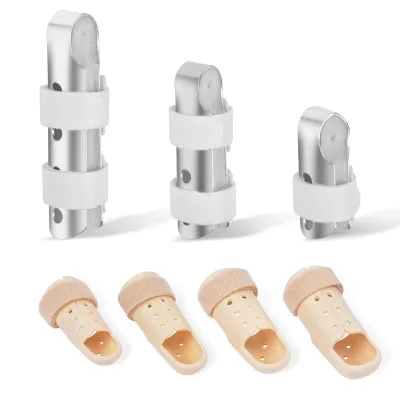
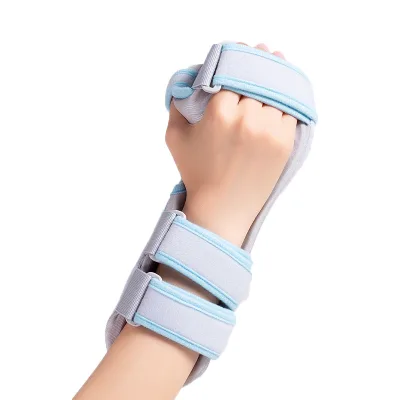
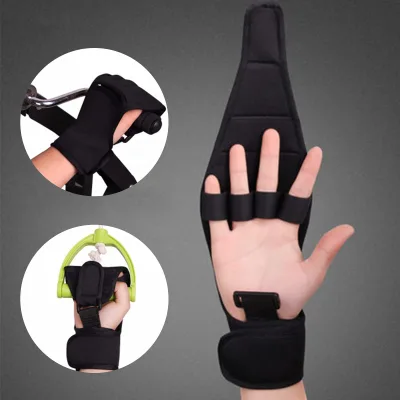
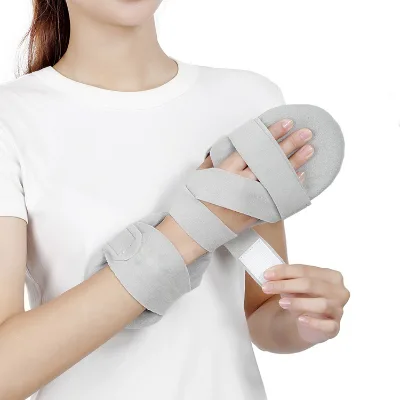
Technical observations also point to the existence of dynamic hand and finger braces, which may incorporate different materials such as PP, fabric, and foam. These devices often target hand and wrist injuries, offering breathable and portable solutions for rehabilitation. The presence of both static and dynamic options suggests that buyers must carefully evaluate the intended use case. Some listings indicate electric power sources, which is unusual for simple splints and warrants further clarification to ensure the product matches the required therapeutic function.
Technical Specifications to Verify
Verifying technical specifications is essential to ensure the splint meets clinical requirements for fit and function. Buyers should confirm the available size ranges, as observed listings indicate options such as S, M, and L, or specific dimensions like S and L. The material composition is another critical factor, with common options including textile, aluminum, sponge, and customizable blends. It is important to verify whether the splint provides rigid support or flexible compression, as this directly impacts patient comfort and recovery outcomes.
Additional technical details include the instrument classification, which should be confirmed as Class I for low-risk devices. Buyers must also check for specific model numbers and single package dimensions to plan storage and shipping efficiently. Features such as breathability and ease of operation are key selling points that should be validated through product samples. Ensuring that the product indications align with the intended medical use, such as immobilizing sprained fingers, is crucial for regulatory compliance and patient safety.
Compliance and Safety Documentation
Compliance with international standards is a non-negotiable aspect of sourcing medical devices. Buyers must request valid certification documents, such as CE marking and ISO 13485, to verify that the manufacturer adheres to quality management systems for medical devices. The presence of ISO 9001 certification may also indicate a robust general quality management framework, but the specific medical device standard is paramount. It is essential to confirm that the certifications are current and cover the specific product model being procured.
Documentation should also include detailed product labeling and instructions for use, which must comply with regional regulatory requirements. Buyers should verify that the product name, model number, and manufacturer details are clearly stated on the packaging. Additionally, checking for any specific warnings or contraindications listed in the product documentation is vital for safe clinical application. Ensuring that all compliance documents are authentic and issued by recognized bodies protects the buyer from legal and reputational risks.
Cost Drivers and Commercial Terms
Cost structures for finger splints are influenced by material choices, customization levels, and order volumes. Observed minimum order quantities (MOQs) vary significantly, ranging from small batches to large industrial orders, which affects unit pricing. Buyers should negotiate terms that align with their inventory management strategy, considering the shelf life and storage costs associated with textile and foam-based products. Understanding the pricing tiers for different sizes and colors can help in optimizing procurement budgets.
Commercial terms also include warranty periods and after-sales support, which are critical for long-term supplier relationships. Listings often indicate a one-year warranty and online technical support, which should be formally included in the purchase agreement. Buyers should clarify responsibilities for defective products and return policies to mitigate financial risk. Additionally, confirming the payment terms and lead times ensures smooth transaction processing and timely delivery of medical supplies.
Supplier Qualification and Quality Control
Supplier qualification involves assessing the manufacturer’s production capabilities and quality control processes. Buyers should verify the place of origin, as observed listings indicate manufacturing in regions like Hebei, Fujian, and Guangdong, each with different industrial strengths. It is important to conduct audits or request third-party inspection reports to ensure that production standards are consistently met. Suppliers offering OEM and ODM services should demonstrate robust design and engineering capabilities to support custom requirements.
Quality control measures should include incoming material inspections, in-process checks, and final product testing. Buyers should request sample approvals before committing to large orders to verify fit, durability, and comfort. Establishing clear communication channels for addressing quality issues is essential for maintaining product integrity. Suppliers with a history of reliable performance and positive feedback are preferable for long-term procurement partnerships.
Long-Term Procurement Checks
Long-term procurement success depends on continuous monitoring of supplier performance and product quality. Buyers should establish key performance indicators (KPIs) for delivery times, defect rates, and customer satisfaction to evaluate supplier reliability. Regular reviews of certification status and regulatory updates ensure ongoing compliance with changing market requirements. Maintaining a diversified supplier base can mitigate risks associated with supply chain disruptions or quality failures.
Feedback from clinical users and end-patients is invaluable for refining product specifications and improving future orders. Buyers should actively seek input on comfort, ease of use, and therapeutic effectiveness to drive product development. Building strong relationships with suppliers fosters collaboration on innovation and cost-saving initiatives. By prioritizing transparency and continuous improvement, buyers can secure a stable supply of high-quality finger splints for their medical needs.
FAQs
What certifications does the finger splint hold?
The product holds ISO13485 and CE certifications as documented in the specifications. These certifications confirm compliance with medical device standards for Class I instruments used in hospital and physiotherapy settings for sprained finger treatment.
Which sizes are available for this finger fixation belt?
Available sizes include S, M, and L to fit various finger dimensions. The product is designed as a textile finger support suitable for immobilizing sprained fingers, volar plate injuries, and stable finger fractures in clinical environments.
Can I request a custom logo on the finger splint?
Yes, the manufacturer accepts custom logos and OEM or ODM requests. Buyers can specify their branding needs while the product remains a Class I instrument made from textile materials for effective finger support and rehabilitation purposes.
What is the minimum order quantity for this product?
The minimum order quantity is 50 pieces for standard orders. Some listings indicate an MOQ of 1000 pieces depending on the specific supplier configuration, but the primary requirement for this Class I finger splint is 50 units.
How is the finger splint packaged for shipment?
Each item is packed in an OPP bag and then placed into a carton for protection. This packaging method ensures the textile finger support remains clean and undamaged during transit to hospitals or physiotherapy clinics worldwide.
What is the warranty period for this finger brace?
The product comes with a one-year warranty covering manufacturing defects. This warranty applies to the Class I instrument used for immobilizing sprained fingers and stable fractures, ensuring reliability for medical professionals and patients alike.
Where is the finger splint manufactured?
The product originates from manufacturing facilities in Hebei, Fujian, and Guangdong provinces in China. These locations produce the textile finger support designed for easy operation and effective treatment of hand and wrist injuries in clinical settings.