Source CE Manual Strength Gym Equipment for gyms, homes, and schools
Explore 30 listings of CE Manual Strength Gym Equipment suitable for commercial gyms, home setups, and training facilities. Buyers can compare specifications like weight capacity, materials, and certifications to find durable options for strength training.
Key considerations
Products List
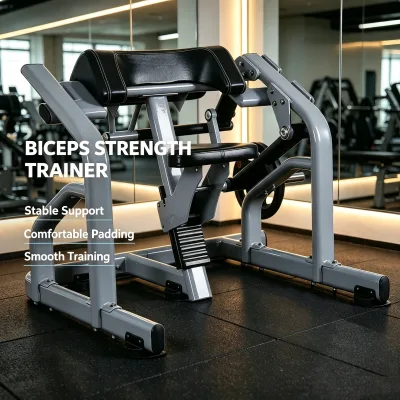
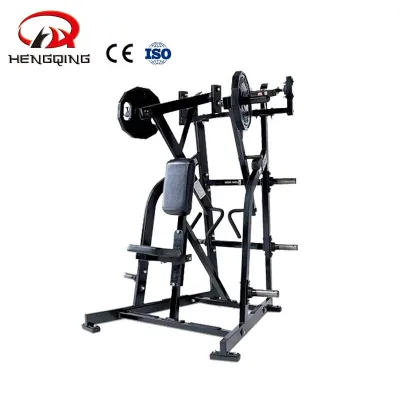


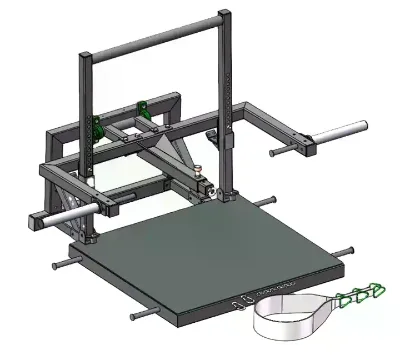


High Quality Fitness Equipment Abdominal Training Commercial Gym Equipment
$874.00 - $1024.00
MOQ: 26 Pieces
Comprehensive Sourcing Guide
Strategic Sourcing Guide for CE Manual Strength Gym Equipment
Understanding the Product Category and Technical Specifications
When sourcing manual strength gym equipment, buyers must first distinguish between the broad category of fitness machinery and the specific operational mechanics of manual resistance systems. The core keyword "CE Manual Strength Gym Equipment" refers to non-motorized, weight-stack or plate-loaded apparatus designed for strength training, where the user provides the kinetic energy rather than an electric motor. Based on observed market data, these units are frequently categorized under specific functional attributes such as "Exercise Muscle," "Strength Training," and "Body Building." The primary mechanical components typically involve steel frames, high-quality PU leather upholstery, and robust weight stacks or plate-loading mechanisms.
Technical specifications vary significantly across different models, requiring precise verification before procurement. For instance, observed listings indicate specific model numbers such as "3014," "HCLT-1017," and "HQ-H3039," each representing distinct configurations like biceps exercises, low rows, or integrated gym trainers. Physical dimensions are critical for facility planning; a standard unit may measure approximately 1500x1358x988mm, while single package sizes can reach 166x70x80 cm. The structural integrity relies heavily on the material composition, with steel being the predominant choice for frames to ensure durability under high stress. Weight capacity is another vital specification, with observed maximum user weights reaching 200kg, ensuring the equipment can accommodate a wide range of athletes from recreational users to professional bodybuilders. The color options are often customizable, ranging from standard silver, red, gray, yellow, and black to specific client requests, allowing for brand alignment in commercial settings.
Compliance Verification and Certification Standards
The inclusion of "CE" in the search query highlights the importance of regulatory compliance for equipment entering the European market and other regions that recognize CE marking. While the CE mark is a mandatory conformity indicator for many products sold within the European Economic Area, buyers must verify that the certification is genuine and applicable to the specific machinery. Observed data confirms that suppliers often list "CE ISO" certifications for their strength training equipment. However, the presence of a certification label does not automatically guarantee that every unit in a supplier's catalog meets the standard; it is an observation of the supplier's claims rather than a universal fact for all listed items.
Buyers should request valid certification documents directly from the manufacturer, specifically looking for the ISO standards referenced alongside CE. The documentation must clearly state the scope of the certification, ensuring it covers the specific model number being purchased. For manual strength equipment, the relevant standards often pertain to safety, mechanical integrity, and electrical safety (if any electronic components are present, though manual units are primarily mechanical). The HS Code 9506911900 is a standard classification for general sports equipment, which can assist in customs clearance, but the specific compliance requirements for CE marking must be validated against the latest EU directives. It is essential to treat certification as a dynamic attribute that requires active verification rather than a static feature of the product listing.
Cost Drivers and Pricing Structure Analysis
The pricing of manual strength gym equipment is influenced by a complex interplay of factors, including material costs, manufacturing complexity, and logistical expenses. The observed price range in the market spans from $0.8 to $1230, a vast disparity that reflects differences in product type, quality, and order volume. This range suggests that the lower end of the spectrum may represent accessories, smaller components, or single-item selling units, while the higher end likely corresponds to large, integrated gym trainers or heavy-duty commercial units.
Several key drivers affect the final cost. The material composition, specifically the use of steel and high-quality PU leather, significantly impacts the base price. Larger units with higher weight capacities, such as those supporting up to 200kg, generally command higher prices due to the increased material usage and engineering required for stability. Packaging is another cost factor; equipment shipped in wood cases or polywood cases incurs higher logistics costs compared to palletized shipping, but offers superior protection during international transit. The "Single gross weight" of 190.0 kg for certain units indicates substantial shipping volume, which directly influences freight charges. Additionally, customization options, such as logo printing and color selection, add to the production cost. Buyers should analyze the total landed cost, including freight and duties, rather than focusing solely on the unit price, as the shipping of heavy steel equipment can be a significant portion of the total expenditure.
Typical Applications and Usage Scenarios
Manual strength gym equipment serves a diverse range of applications, from commercial fitness centers to home gyms and educational institutions. The observed data indicates that these products are designed for "Universal" application, making them suitable for "Gym, Home," "Fitness Center," "Commercial Gym," and "School Gym" environments. The intended users span "Male" and "Female" demographics, with an "Age Group" of "Adult," ensuring versatility in user base. The specific activities supported include "Gym & training" and "Weight lifting," covering a broad spectrum of strength training exercises.
Different models cater to specific training needs. For example, units labeled as "biceps exercise" or "Low Row" target specific muscle groups, while "Integrated Gym Trainer" models offer a comprehensive solution for full-body workouts. The "Power Source" being "Manual" ensures that the equipment is reliable in settings where power outages might occur or where noise reduction is a priority, as these units do not generate the hum of electric motors. This makes them ideal for "Park" settings or residential areas where noise sensitivity is a concern. The "Activity" classification of "Weight lifting" confirms that these machines are built to withstand the dynamic forces generated during heavy resistance training, providing a stable platform for users to build muscle and improve strength.
Supplier Evaluation and Sourcing Strategy
Selecting the right supplier is a critical step in the procurement process, particularly for heavy industrial equipment like gym machinery. Buyers should evaluate suppliers based on their capacity to meet specific order requirements, including "Small Orders" acceptance, which is noted as "Accepted" in some listings. The "MOQ" (Minimum Order Quantity) ranges from 1 Set to 200, offering flexibility for both small boutique gyms and large commercial chains. The "Place of Origin" is consistently identified as "Shandong, China," a region known for its manufacturing capabilities in sports equipment.
When evaluating suppliers, buyers should verify the "Brand Name" and "Logo" customization capabilities. Some suppliers offer "OEM" services or specific brand names like "DGZ" or "HQ," while others allow for "Customized Logo Available." This flexibility is crucial for buyers looking to brand equipment for their specific facilities. The "Warranty" period is another key metric; a 3-year warranty is observed in the market, indicating a manufacturer's confidence in their product's durability. Buyers should also check the "Capacity" of the supplier, noting that some listings describe capacity as "Other," which requires direct inquiry to understand production capabilities. It is essential to avoid relying on a single source and to maintain a diversified supplier base to mitigate risks associated with supply chain disruptions.
Quality Control and Long-Term Procurement Considerations
Ensuring the long-term reliability of manual strength gym equipment requires a robust quality control (QC) strategy. The "Feature" of being "Durable" is a common claim, but it must be validated through physical inspection and testing. Buyers should verify the construction quality of the steel frames and the integrity of the PU leather upholstery, which are prone to wear and tear in high-traffic commercial environments. The "Single package size" and "Packing" methods, such as "wood case" or "Plywood Case," play a vital role in protecting the equipment during transit. Damaged packaging can lead to structural compromises that are not immediately visible but may affect performance over time.
Long-term procurement considerations include the availability of spare parts and the ease of maintenance. The "Model Number" serves as a unique identifier for ordering replacement parts, so maintaining accurate records of the specific models purchased is essential. The "Max User Weight" of 200kg suggests a high-stress environment, and regular inspections of the weight stacks, cables, and upholstery are necessary to ensure safety. Buyers should also consider the "Color" options, as fading or discoloration over time can affect the aesthetic appeal of the facility. Finally, the "Customization" aspect should be planned carefully, as changes to the initial design can impact future maintenance and part availability. By focusing on these quality and longevity factors, buyers can ensure that their investment in manual strength gym equipment remains a valuable asset for years to come.
FAQs
What certifications do CE Manual Strength Gym Equipment suppliers provide?
Suppliers often list CE and ISO certifications for their strength training equipment. Buyers must verify that the certification documents are genuine and specifically cover the model number being purchased, as the presence of a label does not guarantee every unit meets the standard.
Which model numbers are available for CE Manual Strength Gym Equipment?
Observed listings include specific model numbers such as 3014, HCLT-1017, and HQ-H3039. These models represent distinct configurations like biceps exercises, low rows, or integrated gym trainers, each with unique dimensions and weight capacities for different training needs.
How much does CE Manual Strength Gym Equipment cost per unit?
The observed price range spans from 0.8 to 1230 USD depending on the product type. Lower prices may represent accessories or single items, while higher costs correspond to large integrated gym trainers or heavy-duty commercial units with significant steel and leather components.
Can I order small quantities of CE Manual Strength Gym Equipment?
Yes, small orders are accepted with a minimum order quantity ranging from 1 Set to 200. This flexibility allows boutique gyms to purchase single units while larger commercial chains can order in bulk to meet their facility requirements efficiently.
What is the maximum user weight capacity for CE Manual Strength Gym Equipment?
The maximum user weight capacity observed is 200kg for several listed models. This high capacity ensures the equipment can accommodate a wide range of athletes from recreational users to professional bodybuilders without compromising structural stability during heavy resistance training.
Where are CE Manual Strength Gym Equipment manufacturers located?
The place of origin for these products is consistently identified as Shandong, China. This region is known for its manufacturing capabilities in sports equipment, offering a concentration of factories that produce steel-framed strength training apparatus for global export.
How long is the warranty period for CE Manual Strength Gym Equipment?
A 3-year warranty is observed in the market for these strength training units. This warranty period indicates the manufacturer's confidence in the product's durability, covering potential defects in the steel frames and PU leather upholstery during normal commercial use.