Source CE Portable Digital Mammography Machine for Clinics
Find and compare 30 CE Portable Digital Mammography Machine options from verified Chinese manufacturers. Evaluate specifications like high-frequency inverters, flat panel detectors, and power ratings to select the right imaging diagnostic equipment for your radiography department needs.
Key considerations
Products List

Medical Imaging Equipment Mammography X Ray System Portable Digital Mammography Machine
$35000.00 - $37000.00
MOQ: 1 Pieces


Breast Cancer Images Equipment Medical Digital Mammography Machine
$60000.00 - $85000.00
MOQ: 1 Pieces


Medical High Frequency Radiology X Ray Equipment Digital Mammography Machine
$80000.00 - $94300.00
MOQ: 1 Pieces


Medical Digital Mamografo Equipment X-ray Machine Mammography System
$50000.00 - $57000.00
MOQ: 1 Pieces

Medical X Ray Guangzhou, China Portable Equipment Digital Mammography Machine
$30299.00 - $89990.00
MOQ: 1 Pieces

X Ray Imaging Diagnostic Guangzhou, China Portable Equipment Digital Mammography Machine
$30299.00 - $89990.00
MOQ: 1 Pieces


High Quality Guangzhou, China X Ray Equipment Portable Price Digital Mammography Machine
$30299.00 - $89990.00
MOQ: 1 Pieces

Mamografo Medical Mammographie Machine Prix Digital X Ray Mammography Machine
$30299.00 - $89990.00
MOQ: 1 Pieces

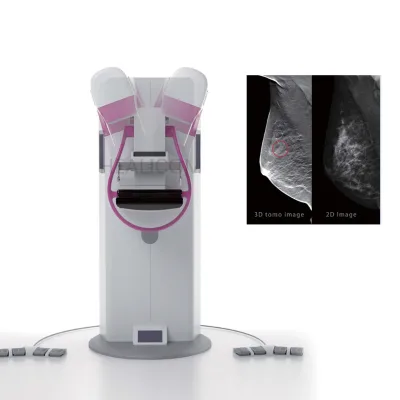


for Screening Units Energy-Efficient High-Resolution Digital Mammography Machine
$13500.00 - $27000.00
MOQ: 1 Pieces


Portable Mammography Digital Breast X Ray Machine Moniteur Mammographie
$20000.00 - $40197.00
MOQ: 1 Pieces


Digital Mammography X-ray Machine with Flat Panel Detector for Breast Imaging
$17000.00 - $44000.00
MOQ: 1 Pieces

Breast Disease Affordable Portable Mobile 3D Mammography X Ray Machine
$23100.00 - $46150.00
MOQ: 1 unit

Portable Affordable Breast Disease Mobile 3D Diagnostic Mammography X Ray Machine
$78900.00 - $157700.00
MOQ: 1 unit

Digital Mammography Machine with Flat Panel Detector Imaging for Breast Cancer
$19900.00 - $41990.00
MOQ: 1 Pieces
Comprehensive Sourcing Guide
CE Portable Digital Mammography Machine Sourcing Guide
Procuring a CE-certified portable digital mammography machine requires a disciplined approach that balances clinical imaging requirements with logistical constraints. Buyers must recognize that while the term "portable" suggests ease of transport, these systems often involve substantial weight and complex calibration procedures. The observed market data indicates a wide variance in product specifications, ranging from analog-based units to advanced flat-panel digital detectors. Consequently, the primary challenge for procurement teams is distinguishing between true portable diagnostic tools and stationary units marketed with mobility features. Understanding the specific technical architecture, such as the generator type and detector technology, is essential before initiating supplier negotiations.
The sourcing landscape for these devices is characterized by a high degree of customization and a broad price spectrum. Listings show prices ranging from approximately $100 to over $265,000, reflecting differences in technology maturity, brand reputation, and included accessories. Furthermore, the minimum order quantity (MOQ) is frequently listed as one unit, which simplifies the acquisition process for individual clinics or hospitals but necessitates rigorous due diligence on a per-unit basis. Buyers should not assume that all listed units meet the same clinical standards; instead, they must verify each model’s specific capabilities, such as focal spot size and tube current, to ensure alignment with their diagnostic needs.
Product Scope and Observed Listing Signals
The product scope for digital mammography machines encompasses a variety of configurations, including analog mammography systems and fully digital radiography units. Observed listings reveal models such as the LXR-2800 and LM-98B, which may utilize high-frequency inverters operating at 80kHz. These systems are designed for use in X-ray rooms and radiography departments, serving adult, pediatric, and elderly populations. The presence of specific attributes like "Non-Customized" alongside "Customization Available" indicates that suppliers offer both standard off-the-shelf configurations and tailored solutions. Buyers must carefully review the product name and type to determine if the unit is strictly for mammography or if it serves a broader radiography function, as this impacts clinical utility and regulatory classification.
Logistical and physical attributes also play a critical role in defining the product scope. Many units are described with a "Large" scale and significant weight, such as a gross weight of 300kg for certain models, which challenges the notion of true portability. Packing methods vary from standard packing to wooden cases and cartons, suggesting that shipping requirements differ significantly between suppliers. Additionally, the material composition, including the use of latex in certain components, and the color scheme, typically white, are standard industry norms. Buyers should note that while some listings mention "Digital Medical Radiography" as a function, others may refer to analog mechanisms, requiring a clear distinction between image acquisition technologies during the selection process.
Technical Specifications to Verify
Technical verification begins with the imaging detector and its associated parameters. High-confidence facts indicate the presence of flat panel digital detectors using Cesium Iodide (CsI) technology, with a detector size of 240mm x 300mm and a pixel matrix of 4096 x 3072. These specifications are critical for ensuring high-resolution images necessary for early cancer detection. Buyers must verify if these specifications apply to the specific model they are considering, as other models like the HDM-700D or HM-1000A may have different capabilities. The focal spot size is another vital parameter, with dual focus options of 0.1mm and 0.3mm observed in some listings. This dual focus capability allows for flexibility in imaging different breast sizes and densities, enhancing diagnostic accuracy.
Power and operational specifications are equally important for facility planning. The observed power ratings range from 5kw to 6kw, with input power typically being single-phase 220VAC at 50/60Hz. This information is crucial for determining if the existing electrical infrastructure in the target facility can support the equipment. The tube current range, observed between 10mA and 650mA, and the mas range of 10 to 500mas, define the exposure capabilities of the machine. Buyers should also check the vertical movement range, which is listed as 580mm in some models, and the rotation degrees, which can range from +175 to -180 degrees. These mechanical specifications determine the range of motion and patient positioning options, directly impacting workflow efficiency and patient comfort.
Compliance and Safety Documentation
Compliance with international standards is non-negotiable for medical imaging equipment. The CE certification is a primary requirement for selling and operating in the European market, and it is explicitly mentioned in the observed facts. Buyers must ensure that the CE mark is accompanied by a valid Declaration of Conformity and that the device meets the relevant Essential Requirements for Medical Devices. Additionally, ISO certification, specifically ISO 13485 for quality management systems, is a trusted category standard that indicates a supplier’s commitment to consistent manufacturing and quality control. While some listings mention "ISOCE" or "CE, ISO," buyers should request specific certificate numbers and verify their validity with the issuing bodies to avoid fraudulent claims.
Safety documentation extends beyond certifications to include user manuals, service guides, and safety warnings. The classification of the equipment as "Imaging Diagnostic Equipment" and "X Ray Equipment" implies strict adherence to radiation safety standards. Buyers should verify that the machine includes necessary safety interlocks, warning lights, and shielding to protect both patients and operators from unnecessary radiation exposure. The material composition, such as the use of latex, should also be reviewed for potential allergic reactions in patients or staff. Ensuring that all safety documentation is provided in the local language and that the equipment complies with local radiation protection regulations is a critical step in the procurement process.
Cost Drivers and Commercial Terms
The cost of a digital mammography machine is influenced by several factors, including the technology level, brand, and included accessories. The observed price range of $100 to $265,589 highlights the significant variance in market offerings. Lower-priced items may represent basic components or older analog technologies, while higher-priced units likely include advanced digital detectors, software suites, and comprehensive warranty packages. Buyers should be cautious of prices that seem unusually low, as they may indicate refurbished units, incomplete packages, or potential quality issues. Understanding the breakdown of costs, including the price of the detector, generator, and software, is essential for making an informed comparison between suppliers.
Commercial terms such as MOQ, lead time, and payment terms also impact the total cost of ownership. While the observed MOQ is often one unit, buyers should negotiate for volume discounts if purchasing multiple units or accessories. Lead times can vary significantly depending on the supplier’s inventory and the customization level required. Buyers should clarify whether the quoted price includes shipping, insurance, and installation services, as these can add substantial costs. Additionally, the availability of spare parts and the duration of the warranty should be considered when evaluating the overall value proposition. Clear communication regarding these terms helps prevent unexpected expenses and ensures a smooth procurement process.
Supplier Qualification and Quality Control
Supplier qualification is a critical step in mitigating procurement risks. Buyers should verify the supplier’s business license, manufacturing capabilities, and export experience. The observed origin of many units is China, with specific mentions of Jiangsu province. While this indicates a manufacturing hub, buyers should conduct on-site audits or request third-party verification reports to assess the supplier’s quality control processes. Checking for past performance, customer references, and case studies can provide insights into the supplier’s reliability and after-sales support. Suppliers who offer customized logos and packaging may have more flexible manufacturing processes, but this should not compromise the quality of the core imaging components.
Quality control measures should be integrated into the procurement contract. Buyers should specify acceptance criteria, including performance tests for image quality, resolution, and radiation output. The use of standardized packing, such as wooden cases or cartons, should be verified to ensure safe transportation. Additionally, buyers should require a pre-shipment inspection report from an independent third party to confirm that the equipment meets the agreed-upon specifications. Establishing a clear process for handling defects or non-conformities is also essential. This includes defining responsibilities for repairs, replacements, and refunds, ensuring that the buyer is protected in case of quality issues.
Long-Term Procurement Checks
Long-term procurement success depends on robust after-sales support and maintenance planning. Buyers should evaluate the supplier’s technical support capabilities, including the availability of remote diagnostics, on-site service, and training programs. The complexity of digital mammography machines requires specialized knowledge for maintenance and troubleshooting. Suppliers who offer comprehensive training for medical staff and technicians can significantly reduce downtime and improve operational efficiency. Additionally, buyers should assess the availability of spare parts and the supplier’s inventory management system to ensure timely access to critical components.
Regulatory compliance and updates are also long-term considerations. Medical device regulations evolve, and suppliers must keep their products up to date with the latest standards. Buyers should inquire about the supplier’s policy for software updates and firmware upgrades, which are essential for maintaining image quality and security. Furthermore, the end-of-life support for the equipment should be discussed, including options for recycling or disposal. By establishing a long-term partnership with a reliable supplier, buyers can ensure the continued performance and compliance of their digital mammography machines, ultimately supporting better patient care and diagnostic outcomes.
FAQs
What certifications does the analog mammography machine have?
The machine holds CE certification and ISO standards for safety. Some models also display ISOCE marks. These certifications ensure compliance with international medical device regulations for safe operation in radiography departments.
Can the machine be customized for specific hospital needs?
Customization is available for logos and specific configurations. However, the base product is listed as non-customized. Buyers should contact suppliers directly to confirm if specific customization requests can be accommodated for their facility.
Which generator type powers this digital mammography system?
The system utilizes a High Frequency Inverter 80kHz generator type. This technology ensures stable power delivery for consistent imaging. It supports a power rating of 6kw or 6kVA depending on the specific model configuration.
How large is the vertical movement range of the unit?
The vertical movement range is 580mm. This allows for flexible positioning of the patient table and tube head. It accommodates various patient sizes including adults, children, and the elderly effectively.
What is the focal spot size for the X-ray tube?
The focal spot size is dual focus with 0.1mm and 0.3mm options. This provides high-resolution imaging capabilities. The small focal point operates within a range of 20-35kv for detailed diagnostic results.
Where are these medical X-ray machines manufactured?
The products originate from China, specifically Jiangsu. Some listings indicate standard packing while others use wooden cases. Buyers should verify the specific origin and packaging details for each supplier before placing an order.