Source CE RoHS FCC LED Bulb for Landscape, Indoor, and Accent Lighting
Source CE RoHS FCC LED Bulb options from 30 verified listings. Compare specifications including 85-265V input, 3-year warranty, and IP ratings for landscape accent, indoor, and spot lighting applications; compare the available evidence and request quotations based on your requirements.
Updated
Key considerations
Products List



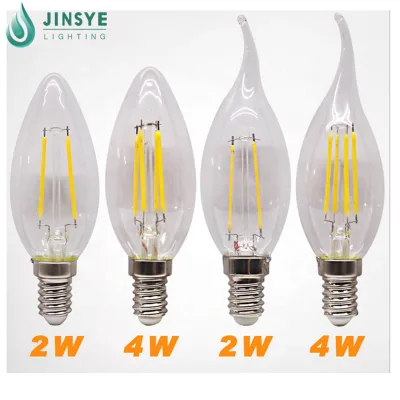
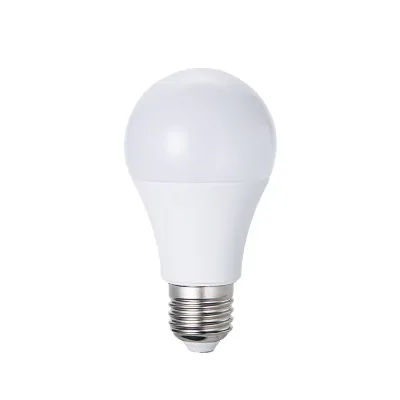


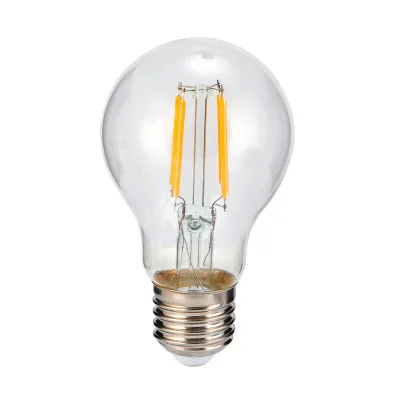


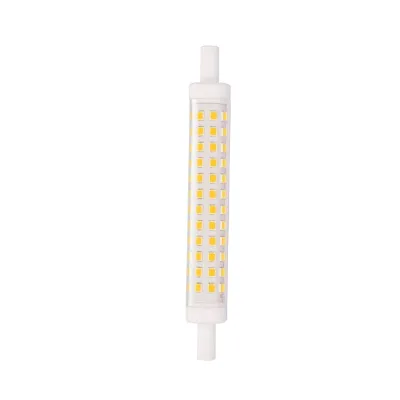

Comprehensive Sourcing Guide
CE RoHS FCC LED Bulb Sourcing Guide
Procuring LED bulbs that meet stringent international standards requires a disciplined approach to verifying technical specifications and compliance documentation. Buyers must navigate a complex landscape where marketing claims often outpace actual product capabilities, particularly when sourcing from regions with varying regulatory enforcement. The core keyword highlights three critical certification pillars: CE for European market access, RoHS for hazardous substance restrictions, and FCC for electromagnetic compatibility in North America. Understanding the intersection of these standards is vital for ensuring that the lighting solutions you select are not only functional but also legally compliant for your target markets. This guide provides a structured framework for evaluating suppliers and products based on observable data points rather than unverified assertions.
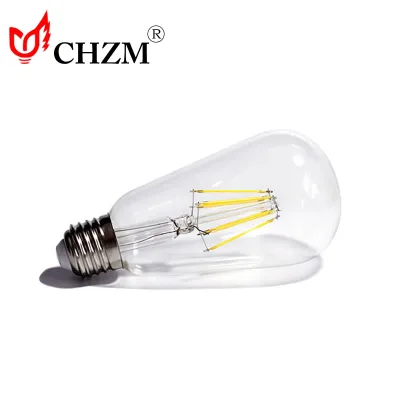
Successful sourcing begins with recognizing the diversity of available LED products, which range from basic filament bulbs to high-power landscape accent lights. The market offers significant variation in input voltage, lumen flux, and color temperature, necessitating careful alignment with your specific application requirements. For instance, some products support a wide input voltage range of 85-265V, while others are limited to 220-240V, impacting their suitability for different regional grids. Similarly, lumen outputs can vary dramatically from 240lm to over 8000lm, dictating the appropriate use case for indoor versus outdoor lighting. By focusing on these tangible attributes, buyers can filter out irrelevant options and concentrate on suppliers who demonstrate transparency in their product listings and technical datasheets.
Product Scope and Observed Listing Signals
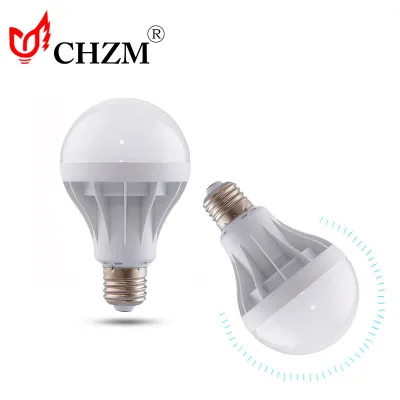
The current market landscape for LED lighting reveals a wide spectrum of product types, including standard A-shape bulbs, COB sources, and specialized landscape accent lights. Observed listings indicate that customization is widely available, allowing buyers to tailor products to specific branding or functional needs. Input voltage ranges are diverse, with some products supporting 85-265V for global compatibility, while others are designed for specific regions like 100-240V or 220-240V. This variation requires buyers to carefully match the product’s electrical specifications with their local infrastructure to prevent compatibility issues or premature failure. Understanding these baseline signals helps in narrowing down the supplier pool to those who can meet your precise technical demands.
Lighting performance metrics also show significant diversity, with lumen flux ranging from 240lm for low-intensity applications to 900lm or even 1800-8000lm for high-brightness needs. Color rendering indices (Ra) vary, with some products offering Ra 80 for accurate color representation, while others provide Ra 50, which may be suitable for general illumination but less ideal for detailed tasks. Additionally, features like color scanning, gradual changing, and remote control switching add layers of functionality that must be verified against your project requirements. Buyers should prioritize products that clearly state these attributes, as vague descriptions often mask underlying quality issues or limited performance capabilities in the final delivered goods.
Technical Specifications to Verify
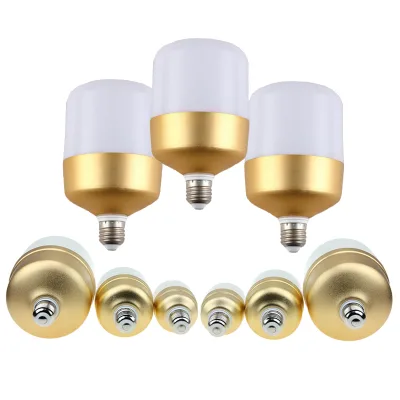
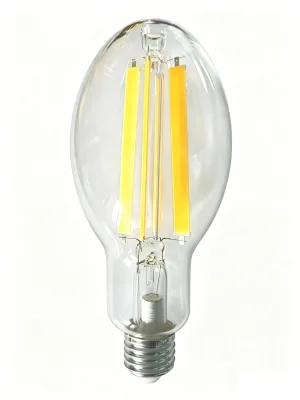
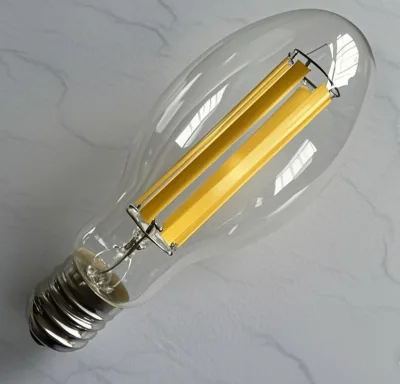
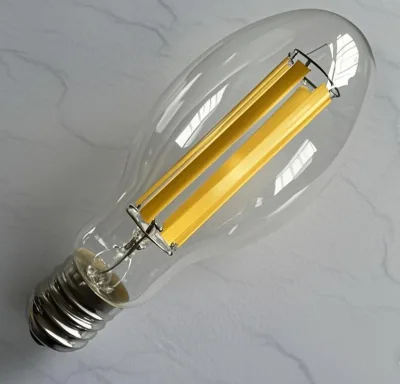
When evaluating LED bulbs, verifying the light source technology is crucial for ensuring long-term performance and efficiency. Products may utilize COB (Chip on Board) technology or high-power LED configurations, each offering distinct advantages in terms of heat dissipation and light distribution. Buyers should confirm the base type, such as E27, E14, or B22, to ensure compatibility with existing fixtures. Furthermore, the material composition of the lamp body, often PC or a combination of PC and glass, impacts durability and heat management. These physical attributes directly influence the product’s lifespan, which can range from 30,000 to 50,000 hours, making it essential to select materials that withstand your operational environment.
Electrical specifications must be scrutinized to ensure optimal performance and safety. Input voltage ranges should be clearly defined, with some products supporting 85-265V for broad applicability, while others are limited to 220-240V. Power factor is another critical metric, with values like 0.5 or 0.9 indicating the efficiency of power usage. Lumen efficacy, typically ranging from 80-100lm/W or up to 110lm/W, determines how much light is produced per watt of energy consumed. Buyers should also check the working temperature range, which can span from -25°C to 60°C, to ensure the product can operate reliably in your specific climate conditions without degradation in performance.
Compliance and Safety Documentation
Compliance with international standards is non-negotiable for global trade, and buyers must verify that suppliers provide valid certification documents. The CE mark indicates conformity with health, safety, and environmental protection standards for products sold within the European Economic Area. RoHS certification ensures that the product is free from specific hazardous materials, which is critical for environmental sustainability and regulatory compliance in many markets. While FCC certification is mentioned in the keyword, buyers should specifically request evidence of electromagnetic compatibility testing to ensure the product does not interfere with other electronic devices. These certifications are not merely badges but legal requirements that protect both the buyer and the end-user from potential liabilities.
Beyond basic certifications, buyers should inquire about additional quality assurance measures and testing protocols. Some suppliers offer products with CCC, SGS, and UL certifications, which provide an extra layer of assurance regarding safety and quality. It is also important to verify if the product undergoes rigorous quality checks, such as being inspected by experienced QC personnel before shipment. Documentation should include detailed test reports that confirm the product’s performance against stated specifications, including lumen output, color temperature, and lifespan. Buyers should insist on these documents to mitigate the risk of receiving non-compliant or substandard products that could lead to costly returns or legal issues.
Cost Drivers and Commercial Terms
Understanding the factors that influence pricing is essential for effective budget management and supplier negotiation. The cost of LED bulbs is driven by several variables, including the quality of the LED chips, the complexity of the driver circuit, and the materials used in the housing. Products with higher lumen efficacy, better color rendering indices, and longer lifespans typically command higher prices. Additionally, customization options, such as specific branding or unique packaging, can add to the overall cost. Buyers should request detailed quotations that break down these components to understand where their money is being spent and to identify opportunities for cost optimization without compromising quality.
Commercial terms, including minimum order quantities (MOQ) and lead times, also play a significant role in the total cost of ownership. Observed MOQs range from 50 to 5000 units, allowing for flexibility depending on the buyer’s volume requirements. Lead times can vary from 15 to 35 days after order confirmation, impacting inventory management and cash flow. Buyers should negotiate clear terms regarding payment methods, shipping responsibilities, and warranty coverage. A standard warranty of 3 years is common, but buyers should verify the terms and conditions to ensure that defects are covered adequately. Understanding these commercial dynamics helps in building a sustainable supply chain that balances cost efficiency with reliability.
Supplier Qualification and Quality Control
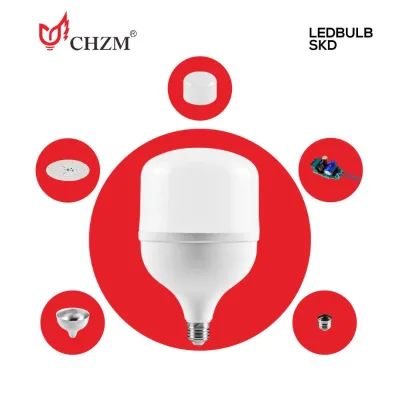
Evaluating supplier qualifications is a critical step in mitigating procurement risks and ensuring consistent product quality. Buyers should verify the supplier’s manufacturing capabilities, including their production capacity and quality control processes. Suppliers that offer OEM services demonstrate flexibility and a willingness to collaborate on custom projects, which can be advantageous for brand differentiation. It is also important to check the supplier’s track record and reputation in the industry, looking for evidence of long-term partnerships and positive customer feedback. A supplier’s ability to provide comprehensive lighting solutions, including circuitry design, indicates a higher level of technical expertise and support.
Quality control measures should be rigorously assessed to ensure that every product meets the specified standards. Buyers should inquire about the supplier’s inspection protocols, including whether all products are checked by experienced QC personnel before shipment. Documentation of these checks, such as batch test reports or random sampling results, provides assurance of consistency. Additionally, buyers should verify the supplier’s packaging standards, which should be seaworthy to protect products during transit. Clear communication channels and responsive customer service are also indicators of a reliable supplier. By prioritizing suppliers with robust quality control systems, buyers can reduce the risk of defects and ensure a smooth procurement process.
Long-Term Procurement Checks
Establishing long-term procurement relationships requires ongoing monitoring and evaluation of supplier performance and product reliability. Buyers should implement regular audits and quality checks to ensure that the products continue to meet the agreed-upon specifications over time. Feedback from end-users regarding product performance, such as lifespan and brightness retention, should be collected and analyzed to identify any emerging issues. Maintaining open communication with suppliers allows for timely resolution of any discrepancies or concerns. This proactive approach helps in building a resilient supply chain that can adapt to changing market conditions and customer expectations.
Continuous improvement should be a shared goal between the buyer and the supplier, with regular reviews of technical specifications and compliance requirements. As regulations evolve, suppliers must stay updated on new standards and certifications, such as updates to CE or RoHS directives. Buyers should encourage suppliers to invest in R&D to enhance product efficiency and sustainability. By fostering a collaborative relationship focused on long-term value, buyers can secure a steady supply of high-quality LED bulbs that support their business objectives. This strategic approach ensures that procurement efforts contribute to overall business success and customer satisfaction.
FAQs
How long is the warranty period for these LED bulbs?
The listed warranty is 3 years, so buyers can plan replacements and support schedules around that coverage. Some product entries also state a lifespan of 30,000 hours or longer, and one entry lists 50,000 hours. Actual longevity depends on usage conditions such as operating temperature, switching frequency, and voltage stability. Confirm warranty terms and claim procedures directly with the supplier before placing an order.
What certifications do the LED bulbs carry?
The listed products reference several certifications, including CE, RoHS, CCC, EMC, and LVD, and one entry also mentions SGS and UL standards. Certification coverage varies by product and factory, so you should request the actual certificate copies and validity dates for the specific model you intend to buy. This is especially important when your destination market requires documented FCC or CE RoHS compliance for LED bulb imports.
Can I order customized LED bulbs with my own brand or packaging?
Customization is available on the listed products, and OEM service is explicitly welcomed, which typically covers branding, labeling, and packaging adjustments. Packing options include carton boxes and standard seaworthy packing, so discuss which format suits your shipment. Some entries also mention lighting and circuitry design services. Request a written confirmation of customization scope, sample approval steps, and any effect on lead time before confirming production.
What is the typical delivery time after an order is confirmed?
The stated delivery date is 15 to 35 days after the order is confirmed. The final timing depends on order quantity, customization requirements, and production scheduling at the factory. For urgent projects, ask suppliers to confirm current capacity and earliest production slots before you commit. Also factor in shipping time to your destination port, since sea freight can add several weeks beyond the production window.
What are the input voltage and luminous efficiency specifications?
Input voltage options in the listings include 85-265V, 100-240V, and 220-240V, so you can match the product to your local power grid. Luminous efficiency figures range from 80-100 lm/W up to 110 lm/W, with lumen flux entries from 240 lm to 1800-8000 lm depending on the model. Check the exact specification sheet for the model you select, since values differ across the product range.
Which base types and color temperatures are available?
The listings show base options of E27, E14, and B22, with one entry noting a full range of holders, so most standard fixtures can be matched. Color temperature entries include 6000K daylight alert, 5000K daylight, and 4100K neutral white. Some products also support color scanning and gradual changing modes with remote control switching. Confirm the exact base type, CCT, and dimming support, since one entry lists no dimmer support.