Source Frosted T8 LED Tube Light for Offices, Warehouses, Schools
Compare 30 Frosted T8 LED Tube Light options from verified Chinese manufacturers. Buyers can evaluate specifications like 9W to 22W power, 30,000-hour lifespan, and CE RoHS certifications to find suitable indoor lighting solutions; compare the available evidence and request quotations based on your requirements.
Key considerations
Products List

$1.00 - $1.10
MOQ: 5000 Pieces


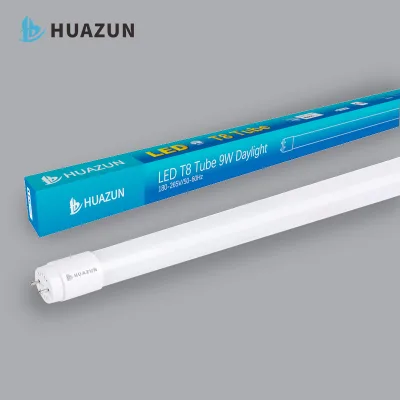


$2.00 - $2.15
MOQ: 5000 Pieces

Comprehensive Sourcing Guide
Frosted T8 LED Tube Light Sourcing Guide
Sourcing frosted T8 LED tube lights requires a disciplined approach to balancing optical performance, electrical safety, and supply chain reliability. Buyers must navigate a market where product attributes vary significantly across suppliers, even when the core form factor remains consistent. The frosted shade material is a critical differentiator, influencing light distribution and glare control in indoor environments. Understanding the specific technical parameters and compliance requirements is essential for making informed procurement decisions that align with project specifications and regulatory standards.
This guide provides evidence-based procurement strategies for evaluating frosted T8 LED tube lights. It focuses on verifying technical specifications, ensuring compliance with safety standards, and managing commercial terms effectively. By adhering to these guidelines, buyers can mitigate risks associated with inconsistent product quality and non-compliant shipments. The objective is to equip procurement professionals with the knowledge to select reliable suppliers and secure products that meet their operational needs without compromising on safety or performance.
Product Scope and Observed Listing Signals
The observed product landscape for frosted T8 LED tube lights reveals a diverse range of options, with prices typically spanning from $0.02 to $20 per unit. This wide variance suggests significant differences in component quality, brand positioning, and included services. Minimum order quantities (MOQs) also vary, ranging from single units to 5,000 pieces, catering to both small-scale replacements and large-scale commercial installations. Buyers should carefully assess these signals to determine the most suitable supplier tier for their specific volume requirements and budget constraints.
Key product attributes observed include power ratings of 9W, 12W, 18W, and 22W, with lengths commonly available in 0.9m and 1.2m configurations. The use of Epistar LED chips and SMD technology is prevalent, indicating a focus on reliable light sources. Lifespans are often cited around 30,000 hours, and warranties typically range from two to three years. These factors collectively influence the total cost of ownership and should be weighed against initial purchase prices to ensure long-term value and operational continuity for the end user.
Technical Specifications to Verify
Verifying technical specifications is paramount to ensuring the selected LED tubes meet performance expectations. Buyers should confirm the input voltage range, which typically spans 100-240V, ensuring compatibility with various global electrical systems. Power factor (PF) values around 0.9 are desirable for energy efficiency and grid stability. Additionally, the luminous efficacy, often reported between 90-120 lm/W, directly impacts energy consumption and lighting quality. These parameters must be validated through product datasheets or direct supplier communication to avoid discrepancies.
The beam angle and color rendering index (CRI) are also critical technical considerations. A beam angle of 300 degrees is common for wide-area illumination, while CRI values typically range from 75 to over 80, affecting color accuracy. The shade material, often polycarbonate (PC), should be verified for its diffusion properties and durability. Furthermore, the lamp holder/base type, such as G13, must be compatible with existing fixtures. Ensuring these specifications align with project requirements prevents installation issues and ensures optimal lighting performance in the intended environment.
Compliance and Safety Documentation
Compliance with international safety and environmental standards is non-negotiable for LED tube lights. Certifications such as CE, RoHS, EMC, and LVD are frequently listed, indicating adherence to European and global safety regulations. Buyers must verify the authenticity of these certifications and ensure they cover the specific product models being procured. Additional certifications like CCC, UL, and SAA may be required depending on the target market, highlighting the importance of region-specific compliance checks.
Documentation should also include detailed test reports and material safety data sheets. These documents provide evidence of product safety and environmental impact, supporting due diligence processes. Buyers should request copies of these documents during the supplier qualification phase. Ensuring that all necessary certifications are in place mitigates legal risks and facilitates smooth customs clearance. Regular audits of supplier compliance records can further enhance supply chain integrity and product reliability.
Cost Drivers and Commercial Terms
Understanding the cost drivers behind frosted T8 LED tube lights helps buyers negotiate better commercial terms. Key factors include the quality of LED chips, the efficiency of the driver circuit, and the durability of the housing material. Higher-quality components typically result in longer lifespans and better performance, justifying a higher initial cost. Buyers should evaluate the total cost of ownership, including energy savings and maintenance costs, rather than focusing solely on the unit price.
Commercial terms such as payment methods, shipping conditions, and warranty policies significantly impact the procurement process. Clear agreements on defect rates and replacement procedures are essential for managing risk. Buyers should also consider the impact of MOQs on cash flow and inventory management. Negotiating flexible terms can provide greater operational agility. Transparent communication with suppliers regarding pricing structures and additional fees ensures there are no hidden costs, fostering a trustworthy and efficient procurement relationship.
Supplier Qualification and Quality Control
Supplier qualification is a critical step in ensuring the reliability of Frosted T8 LED Tube Light supplies. Buyers should assess suppliers based on their manufacturing capabilities, quality control processes, and track record. Factories with ISO certifications and robust QC systems are preferable, as they demonstrate a commitment to consistent product quality. Site visits or third-party audits can provide valuable insights into production practices and facility conditions.
Quality control measures should include incoming material inspections, in-process checks, and final product testing. Buyers should request sample batches for evaluation before committing to large orders. Establishing clear quality standards and acceptance criteria in contracts helps manage expectations. Regular performance reviews of suppliers can identify areas for improvement and ensure ongoing compliance. Building strong relationships with qualified suppliers enhances supply chain resilience and product consistency.
Long-Term Procurement Checks
Long-term procurement success depends on continuous monitoring and evaluation of supplier performance. Buyers should establish key performance indicators (KPIs) to track product quality, delivery times, and customer service. Regular feedback loops with suppliers facilitate continuous improvement and address emerging issues promptly. Maintaining a diversified supplier base can mitigate risks associated with single-source dependencies and supply chain disruptions.
Staying informed about industry trends and technological advancements is also crucial. New LED technologies and efficiency standards may render existing products obsolete. Buyers should regularly review their procurement strategies to align with evolving market conditions and regulatory requirements. Investing in supplier development and collaboration can drive innovation and cost savings. By proactively managing these aspects, buyers can ensure a sustainable and efficient procurement process for frosted T8 LED tube lights.
FAQs
What is the lifespan of a Frosted T8 LED Tube Light?
The lifespan is 30000 hours. This duration ensures long-term reliability for indoor lighting applications. The frosted PC shade diffuses light effectively while protecting the SMD chips. Regular maintenance is minimal due to the durable Al+PC material construction. This makes it suitable for continuous commercial use without frequent replacements.
Which certifications are available for Frosted T8 LED Tube Light?
Available certifications include EMC, LVD, CE, and RoHS. Some models also hold ISO, CCC, and UL marks. These standards ensure safety and electromagnetic compatibility for global markets. Buyers should verify specific documentation for their target region. Compliance with these regulations facilitates smoother customs clearance and market entry.
Can frosted t8 led tube lights be customized?
Yes, customization is available for these products. Buyers can request specific wattages like 9W, 12W, 18W, or 22W. Custom packaging options such as color boxes or PE foam tubes exist. Lampshade variations like clear or milk finishes are also possible. Contact suppliers directly to discuss specific design or branding requirements for your project.
What is the input voltage range for Frosted T8 LED Tube Light?
The input voltage range is 100-240V. This wide range supports global compatibility with standard AC power. Some specific models may operate at 220V. The high power factor of 0.9 ensures efficient energy usage. This versatility allows installation in various international electrical systems without additional transformers.
How is the Frosted T8 LED Tube Light packed?
Packing methods include color boxes, carton boxes, PE foam tubes, and paper tube rolls. Some items are packed in cotton or directly in the box. These methods protect the fragile PC shade and SMD components during transit. Proper packaging ensures the product arrives undamaged. Buyers should specify their preferred packaging style to meet logistics requirements.
What is the beam angle of a Frosted T8 LED Tube Light?
The beam angle is 300 degrees. This wide dispersion provides uniform illumination for indoor spaces. The frosted PC shade helps reduce glare and hotspots. Combined with a CRI of 75 or Ra above 80, it renders colors naturally. This makes it ideal for offices, schools, and retail environments requiring consistent lighting.