Sensor Switch LED Corn Bulb Suppliers and Manufacturers
Compare 27 verified suppliers offering Sensor Switch LED Corn Bulb with ISO 9001 certification and varying lead times from 7 to 150 days. Review response times, MOQs, and pricing to select a factory or trading company for your next order.
Updated
Suppliers List

Jiaxing Sinolamp Electronic Technology Co., Ltd.
- Verified by CTI
- Trading Company,Manufacturer/Factory,Group Corporation
- China Zhejiang
- Lead time23 days
- Avg. response≤ 9h
Main productsLED Bulb Light, LED Panel Light, LED Tube Light, Decorative Lamps, Rechargeable LED Bulb, Smart LED Bulb, Outdoor LED Light, Energy Saving Bulb
Main marketsSouth America,Eastern Europe,Mid East,North America,Southeast Asia,Eastern Asia,Oceania,Western Europe,Africa

Hangzhou Pumpkin Electric Appliance Co., Ltd.
- Trading Company,Manufacturer/Factory
- China Zhejiang
- Lead time150 days
- Avg. response≤ 13h
Main productsLED Bulb, LED Lamp, Energy Saving Lamp, LED Panel Light, LED Tube Light, LED Flood Light, LED Street Light, LED Solar Light, LED Filament, LED Batten Light
Main marketsSouth America,Eastern Europe,Mid East,Southeast Asia,Eastern Asia,Western Europe,Africa
Huizhou Boy Lighting Technology Co., Limited
- Manufacturer, Trading Company
- Guangdong, China
- Lead time7 days
- Avg. response≤ 3h
Main productsLED Spotlight,LED G4 G9 Bulbs,LED E14 E12 Bulbs,LED Filament Bulbs,LED Smart Light
Main marketsWestern Europe(30.00%), North America(20.00%), Northern Europe(10.00%), South America(10.00%), Southern Europe(10.00%), Eastern Europe(10.00%), South Asia(5.00%), Mid East(5.00%)

Shanghai Lanyou Lighting Co., Ltd.
- Verified by CTI
- Trading Company
- China Anhui
- Lead time15 days
- Avg. response≤ 6h
Main productsLED Channel Letters, Acrylic Signs, Metal Sign Letters, Wayfinding Signs, Outdoor Signage
Main marketsSouth America,Africa,Southeast Asia/ Mideast,East Asia(Japan/ South Korea),Europe,Australia,North America


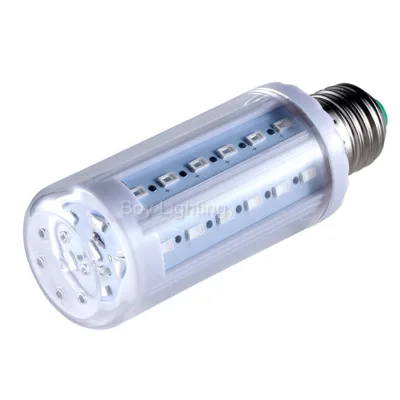
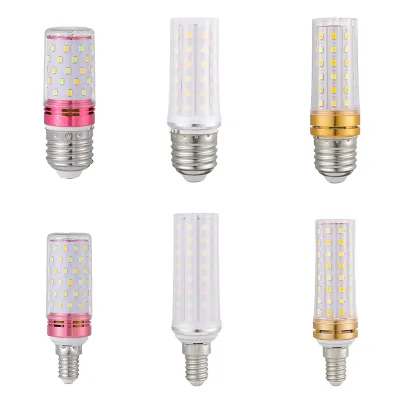
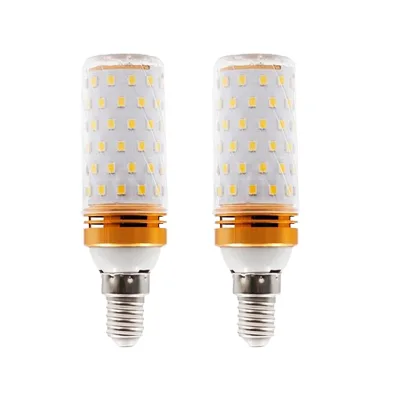
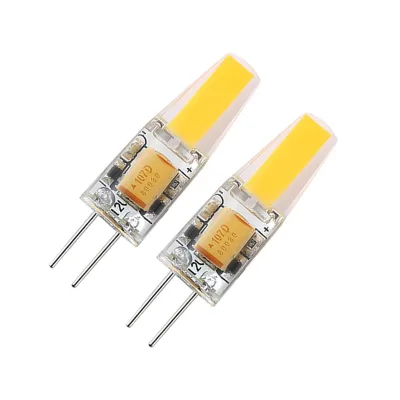
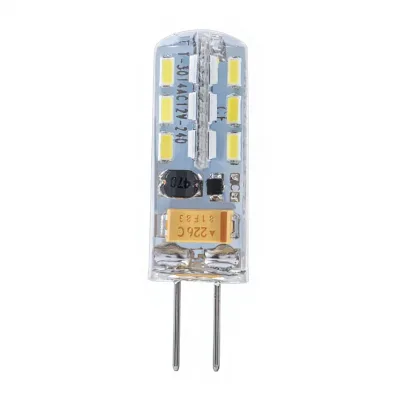
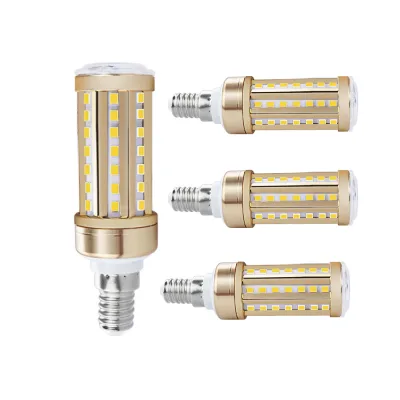
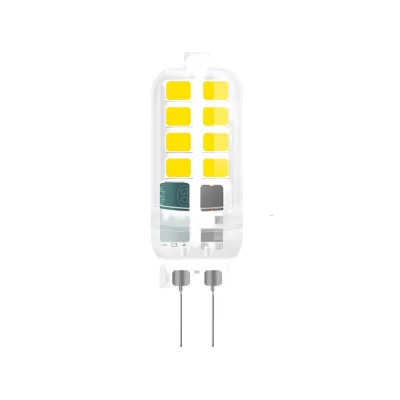
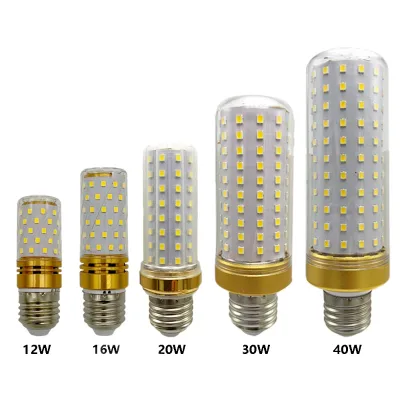
E14/E12/E17/E27/Ba15/B15D G4 G9 AC85V AC220V SMD LED Lamp Candle Light LED Corn Bulb
$0.48 - $0.50
MOQ: 1000 Pieces

Yiwu Coyoled Import And Export Co., Ltd.
- Trading Company
- Zhejiang, China
- Lead time10 days
- Avg. response≤ 5h
Main productssolar street light,wall light,led solar street light,led light,led flood light
Main marketsSouth America(30.00%), Mid East(30.00%), North America(20.00%), Central America(5.00%), Eastern Asia(5.00%), Eastern Europe(5.00%), Africa(5.00%)
- Verified by SGS Group
- Manufacturer, Trading Company
- Lead time20 days
- Avg. response≤ 6h
Main productsLED Bulb, LED Filament Bulb, LED Desk Night Light, LED Strip Light, LED Solar Light
Main marketsWestern Europe(20%), North America(15%), Eastern Asia(15%)
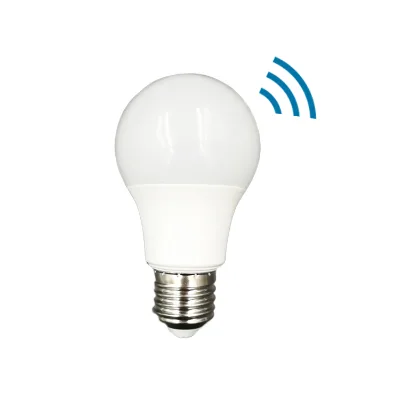
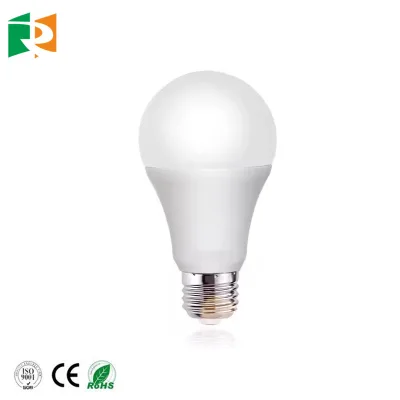
Energy Saving Intelligent Sensor Led Light Bulb E27 B22 A60 Led Bulbs 5w 10w Motion Sensor Led Bulb
$1.96 - $2.15
MOQ: 200 pieces
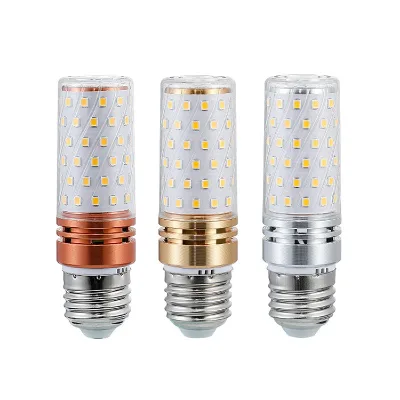
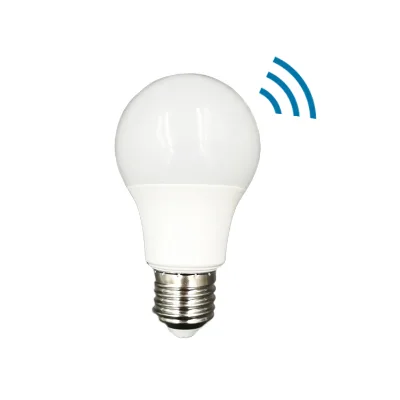
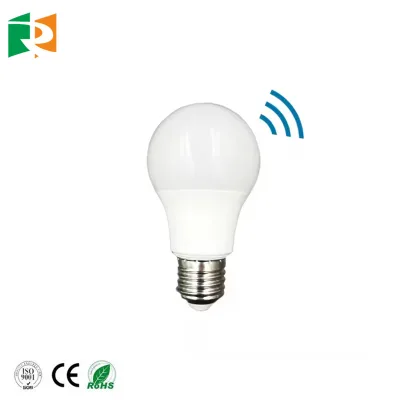
New E27/B22 10W 110v 220v Microwave Radar Motion Sensor Smart Lamp Led Bulb
$2.10 - $2.31
MOQ: 200 pieces

Fuzhou Colshine Electric Co., Ltd.
- Verified by SGS
- Trading Company,Manufacturer/Factory
- China Fujian
- Lead time23 days
- Avg. response≤ 14h
Main productsLED Corn Light, LED Street Light, LED Yard Light, LED Dusk to Dawn Light, Sauna Lamp, Pendant Light, Porcelain Lampholder, Metal Lampholder, Halogen Lampholder, Retro Switch & Socket
Main marketsSouth America,Eastern Europe,Mid East,North America,Southeast Asia,Eastern Asia,Oceania,Western Europe,Africa
Hubei Derun Lighting Appliance Co., Ltd.
- Verified by TüVRheinland
- Manufacturer, Trading Company
- Lead time30 days
- Avg. response≤ 2h
Main productsLED Flood Light, LED Bulb, LED Tube Light, Halogen Bulb, Incandescent Bulb
Main marketsAfrica(17%), South America(15%), Eastern Europe(15%)
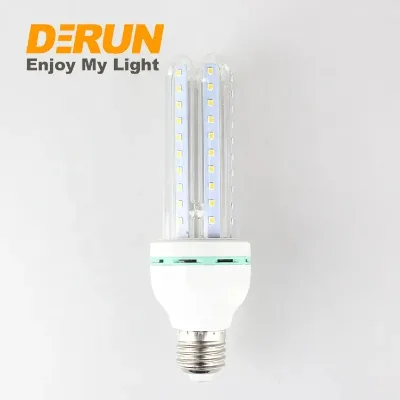
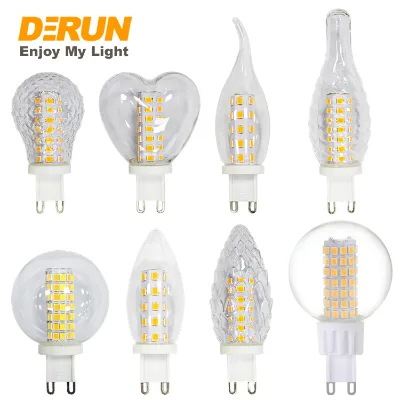
$0.8728 - $0.9745
MOQ: 500 pieces
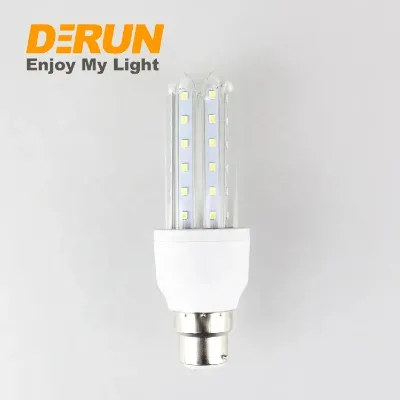
CE Rohs 2U 3U Spiral B22 E27 Saver Energy 5W 7W 9W 12W LED Corn Bulb With 2835 SMD , LED-CORN
$0.7245 - $0.8189
MOQ: 500 pieces
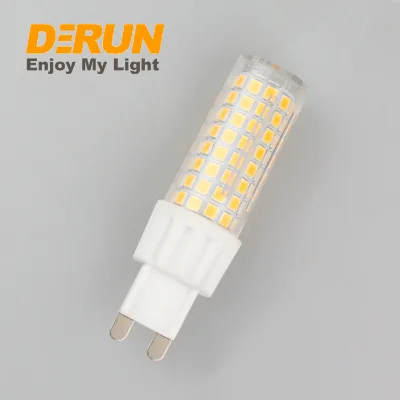
$0.95 - $1.27
MOQ: 1000 pieces

Jiaxing Dongsheng Lighting Co., Ltd
- Verified by SGS
- Trading Company,Manufacturer/Factory
- China Zhejiang
- Lead time38 days
- Avg. response≤ 3h
Main productsLED Panel Light, Lighting, LED Light, Fan Lamp, Ceiling Light, LED Lighting, LED Ceiling Light, Panel Light, LED Backlight, Ceiling Light Fixture
Main marketsSouth America,Eastern Europe,Mid East,North America,Southeast Asia,Eastern Asia,Oceania,Western Europe,Africa

$0.20 - $2.00
MOQ: 500 Pieces

$0.20 - $2.00
MOQ: 500 Pieces

$0.20 - $2.00
MOQ: 500 Pieces

Guangzhou Yi Can Lighting Co.,Ltd
- Verified by TUVRHEINLAND
- Trading Company,Manufacturer/Factory
- China Guangdong
- Lead time15 days
- Avg. response≤ 8h
Main productsSolar Street Light, Solar Flood Light, Solar Ceiling Light, Solar Garden Light, Solar Rubber Light, Solar UFO Light, Solar Hight Bay, LED Track Light, LED Downlight, LED Tube
Main marketsSouth America,Eastern Europe,Mid East,North America,Western Europe


LED Corn Lamp Energy Saving Lamp E27 110lm/W 9W LED Retrofit Corn LED Bulb
$3.00 - $6.00
MOQ: 1 Pieces


Haining Shengming Illuminate Wiring Co., Ltd.
- Manufacturer
- Zhejiang, China
- Lead time15 days
- Avg. response≤ 2h
Main productsEdison Bulb,LED light bulb,C7 night light,LED Article lamp,C7 night light lamb
Main marketsWestern Europe(12.50%), Eastern Asia(12.50%), Mid East(12.50%), Africa(12.50%), Southeast Asia(12.50%), Eastern Europe(12.50%), South America(12.50%), North America(12.50%)
Dongguan Aosheng Lighting Electrical Appliance Co., Ltd.
- Manufacturer, Trading Company
- Guangdong, China
- Lead time30 days
- Avg. response≤ 9h
Main productsPet light bulb,Aviation Lamps,LED Indicator Lamps,Oven Bulb,LED Lamps
Main marketsNorth America(35.00%), Southern Europe(10.00%), Northern Europe(10.00%), Western Europe(10.00%), Southeast Asia(10.00%), Domestic Market(10.00%), South America(10.00%), Eastern Europe(5.00%)

HEFEI LONG RIVER ELECTRICAL CO., LTD.
- Trading Company
- China Anhui
- Lead time23 days
- Avg. response≤ 5h
Main productsDoorbell, Alarm, LED Sensor Bulb, Cable Ties, Cable Clips, Dry Cell, School Bell, Fire Bell, LED Bulb
Main marketsSouth America,Eastern Europe,Mid East,North America,Southeast Asia,Eastern Asia,Oceania,Western Europe,Africa
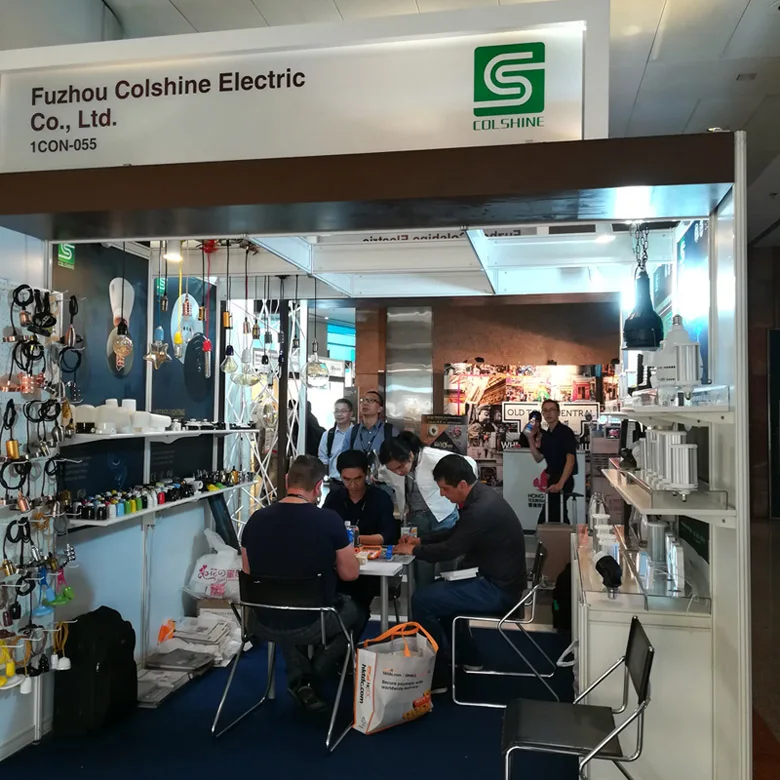
Fuzhou Colshine Electric Co., Ltd.
- Manufacturer, Trading Company
- Fujian, China
- Lead time30 days
- Avg. response≤ 6h
Main productsLed Corn Bulbs,Led High Bays,Sauna Lamp,Retro Switch and Socket,Pendant Light
Main marketsEastern Europe(20.00%), Western Europe(20.00%), Southern Europe(20.00%), Northern Europe(15.00%), South America(10.00%), North America(10.00%), Central America(5.00%)
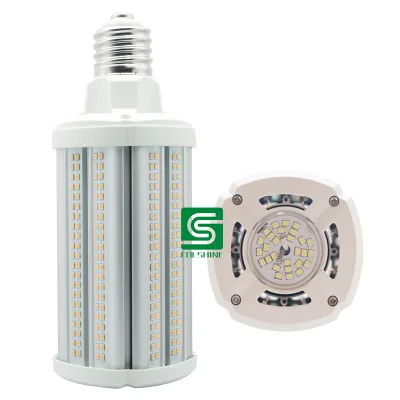
E27 LED Corn Light Bulb for Garage Barn Workshop Warehouse Factory High Bay
$8.00 - $30.00
MOQ: 1000 Minimum
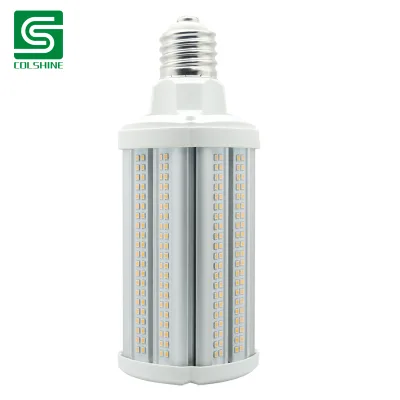
Hot Sell Outdoor 100 Watt LED Corn Light Internal Driver Light Bulb Manufacturers
$14.3562 - $42.0403
MOQ: 1 Minimum
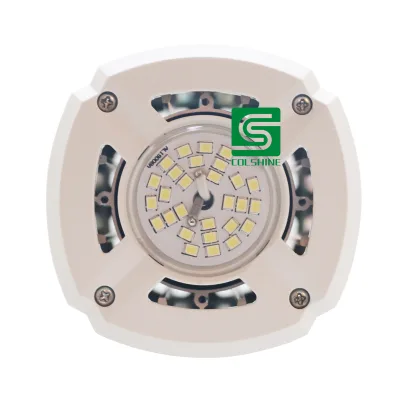
$10.00 - $20.00
MOQ: 1000 Minimum
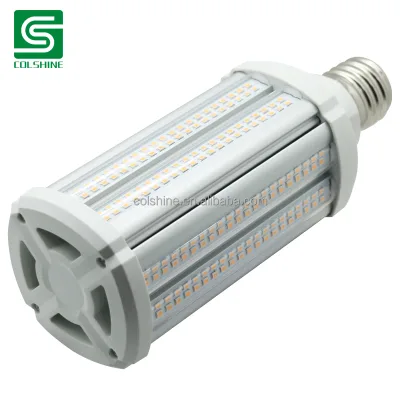
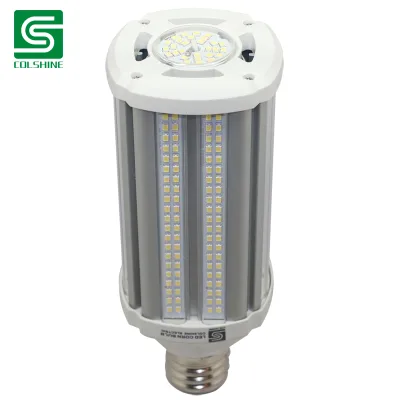
High Lumen LED Corn Bulb E26/E27 Energy Saving Replacement for Outdoor Industrial Flood Lights
$12.3218 - $16.4281
MOQ: 300 Minimum
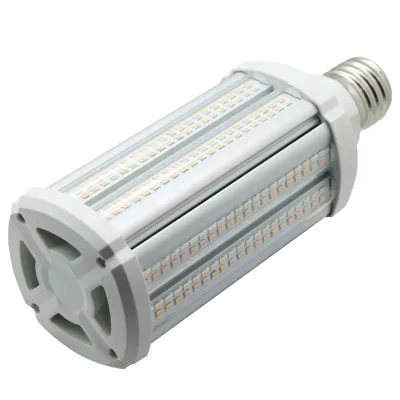
New Design 360 Degree LED Corn Light Bulb 36W/48W/60W With ETL CETL CE Certificates
$8.2036 - $16.4056
MOQ: 1 Minimum
Heyuan Boyi Lighting Technology CO.,Limited
- Manufacturer, Trading Company
- Guangdong, China
- Lead time7 days
- Avg. response≤ 6h
Main productsLED Bulb,Decoration Light,LED E14 E12 Bulbs,LED G4 G9 Bulbs,LED Filament Bulbs
Main marketsWestern Europe(50.00%), North America(30.00%), South America(10.00%), Northern Europe(5.00%), Eastern Europe(5.00%)

Jiangmen Gepsen Lighting Electric Co., Ltd.
- Combined
- China Guangdong
- Lead time30 days
- Avg. response≤ 3h
Main productsLED Bulb, LED Panel Lamp, LED Strip Light, LED Tube, LED Flood Lamp, LED Ceiling Light, LED Filament /Candle Light, LED Down Light, Energy Saving Light
Main marketsSouth America,Africa,Southeast Asia/ Mideast
Jiangxi Huirong Lighting Co., Ltd.
- Manufacturer, Trading Company
- Jiangxi, China
- Lead time30 days
- Avg. response≤ 11h
Main productsBIS led panel light,led downlight,led bulb,led rechargeable light,cfl energency saving lamp
Main marketsDomestic Market(50.00%), Mid East(25.00%), North America(5.00%), South Asia(5.00%), Western Europe(5.00%), Eastern Asia(5.00%), Africa(5.00%)

Changsha Binghan Technology Co., Ltd.
- Manufacturer, Trading Company
- Hunan, China
- Lead time3 days
- Avg. response≤ 9h
Main productsLed pendant lamp,Led chandelier light,LED Bulb Lights,LED Down Lights,LED Flood Lights
Main marketsEastern Europe(30.00%), South America(25.00%), Western Europe(20.00%), North America(15.00%), Mid East(5.00%), Southern Europe(3.00%), Northern Europe(2.00%)

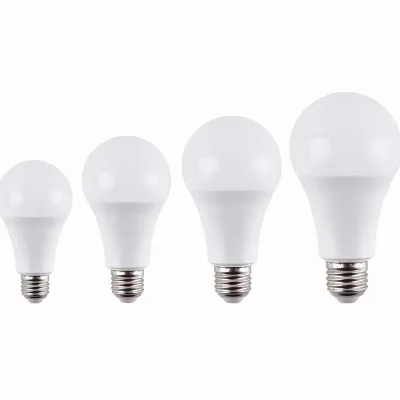
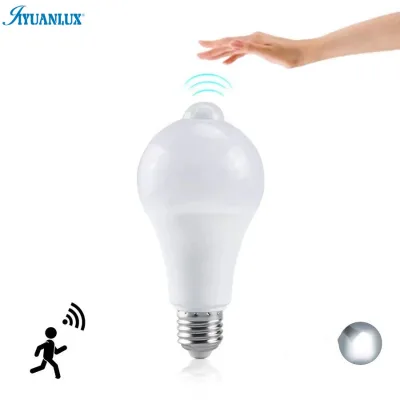
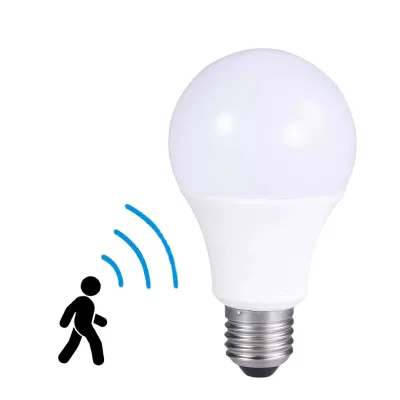
High Quality E27 7w 9w 12w 220v PF0.5 RA80 Motion Sensor Led Bulb Light From China Factory
$1.6407 - $1.9401
MOQ: 5000 pieces

Huzhou Lindal Lighting & Electrical Co., Ltd.
- Verified by CTI
- Trading Company,Manufacturer/Factory
- China Zhejiang
- Lead time45 days
- Avg. response≤ 3h
Main productsLED Tri-Proof Light, LED Waterproof Lighting Fixture, LED Panel Light, LED Ceiling Light, LED Bulkhead, LED Emergency Light, LED Tube, LED Bulb, LED Highbay Light
Main marketsSouth America,Eastern Europe,Mid East,North America,Southeast Asia,Eastern Asia,Oceania,Western Europe,Africa
Lianyungang Huayao Lighting Equipment Co., Ltd.
- Verified by SGS Group
- Manufacturer
- Jiangsu, China
- Lead time20 days
- Avg. response≤ 2h
Main productsLed Bulb, Led Filament Bulb, LED Strip Light With Controller & Plug
Main marketsWestern Europe(20.00%), Eastern Europe(20.00%), South America(15.00%), South Asia(5.00%), North America(5.00%), Eastern Asia(5.00%), Central America(5.00%), Northern Europe(5.00%), Mid East(5.00%), Southeast Asia(5.00%), Africa(4.00%), Domestic Market(1.00%)
Shenzhen Sky Lighting Technology Limited
- Manufacturer
- Guangdong, China
- Lead time7 days
- Avg. response≤ 5h
Main productsLED R7S Light,LED AR111,LED G12 lamp,LED CORN bulb,LED 2G11 lighting
Main marketsWestern Europe(40.00%), North America(20.00%), Northern Europe(20.00%), Southern Europe(10.00%), Southeast Asia(5.00%), Eastern Europe(5.00%)
Hubei Derun Lighting Appliance Co., Ltd.
- Manufacturer, Trading Company
- Lead time旺季: "1 - 3000":45,"> 3000":"To be negotiated", 淡季: "1 - 3000":45,"> 3000":"To be negotiated"
- Avg. response≤ 2h
Main productsLED Flood Light, LED Bulb, LED Tube Light, Halogen Bulb, Incandescent Bulb
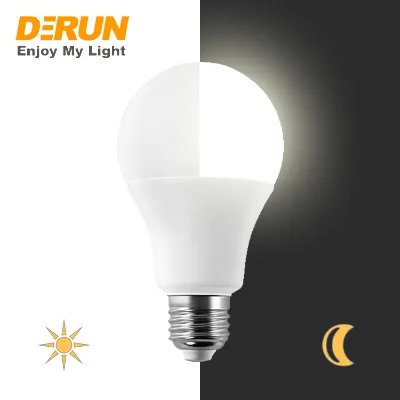
$1.46 - $2.50
MOQ: 500 pieces
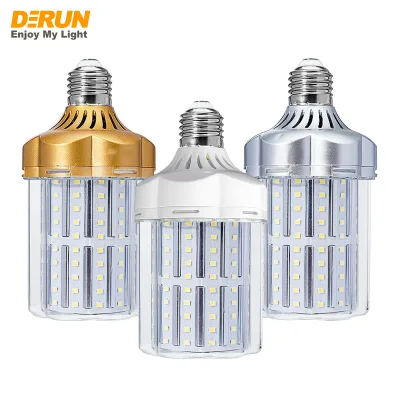
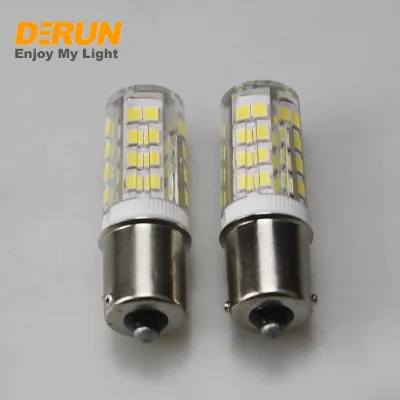
$0.7171 - $1.229
MOQ: 2 Minimum

- Manufacturer/Factory
- China Guangdong
- Lead time15 days
- Avg. response≤ 10h
Main productsLED Flood Light, LED High Bay Light, LED Street Light, Solar LED Street Light, High Mast LED Stadium Light, LED Canopy Light, LED Light Factory, LED Floodlight, UFO LED High Bay Lighting
Main marketsSouth America,Eastern Europe,Mid East,North America,Southeast Asia,Eastern Asia,Oceania,Western Europe,Africa

Jinggoal International Limited
- Verified by BV
- Manufacturer/Factory
- China Guangdong
- Lead time23 days
- Avg. response≤ 12h
Main productsGift, Pen, Wall Clock, Travel Adapters, Book Wire Binding & Machine, Lock, Table Lamp, LED, Keychain, Alarm
Main marketsSouth America,Eastern Europe,North America,Southeast Asia,Eastern Asia,Oceania,Western Europe,Africa
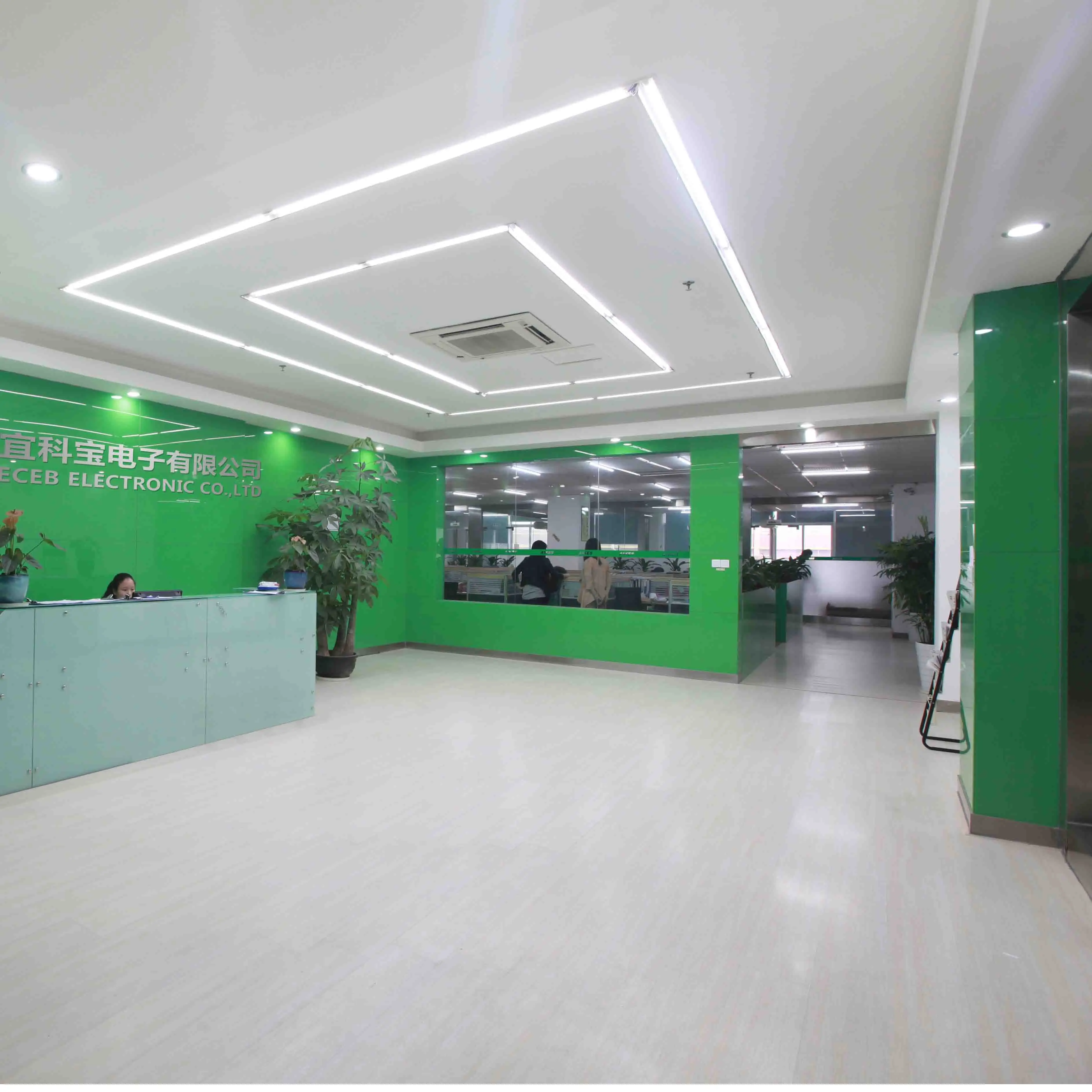
Zhuhai Yikebao Electronic Co., Ltd.
- Manufacturer, Trading Company
- Guangdong, China
- Lead time7 days
- Avg. response≤ 3h
Main productsled bulb,led spot light,led strip light,commercial light,g4 led lamp
Main marketsSouth America(25.00%), North America(25.00%), Eastern Europe(20.00%), Southern Europe(10.00%), Northern Europe(10.00%), Western Europe(10.00%)
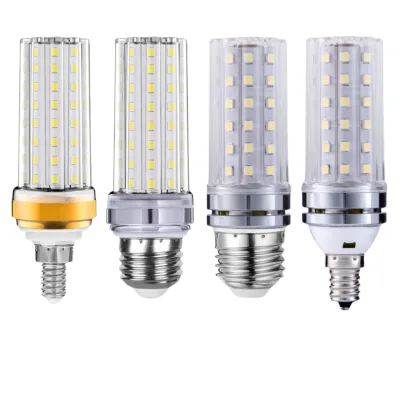
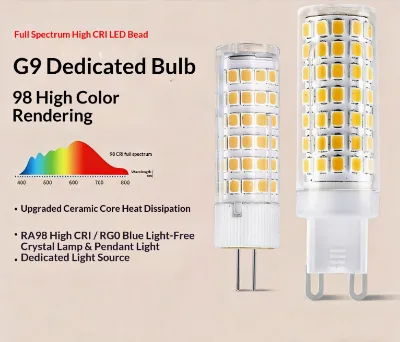
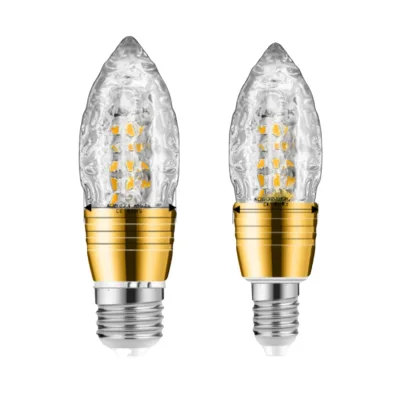
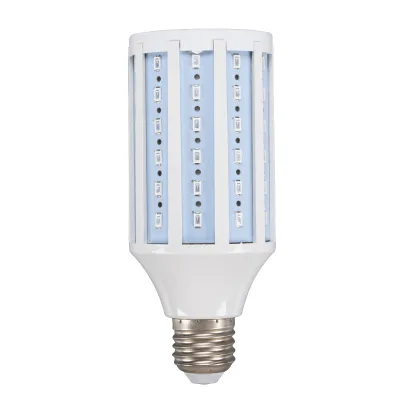
$1.1901 - $12.1003
MOQ: 50 Minimum
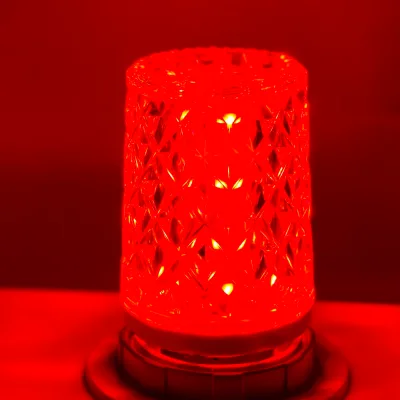

- Trading Company
- Hong Kong S.A.R.
- Lead time15 days
- Avg. response≤ 1h
Main productsLED G4 Lamp,LED G9 Lamp,LED E14 Lamp,LED BA15 Lamp,LED SWITHC
Main marketsWestern Europe(40.00%), North America(40.00%), Southern Europe(10.00%), Northern Europe(6.00%), South Asia(3.00%), Eastern Asia(1.00%)
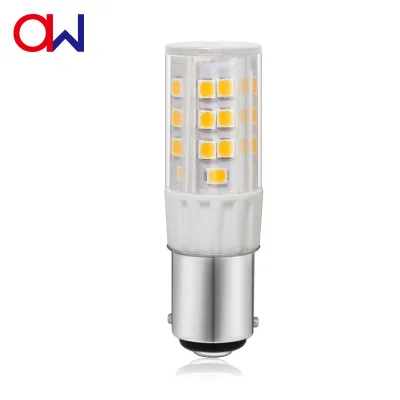
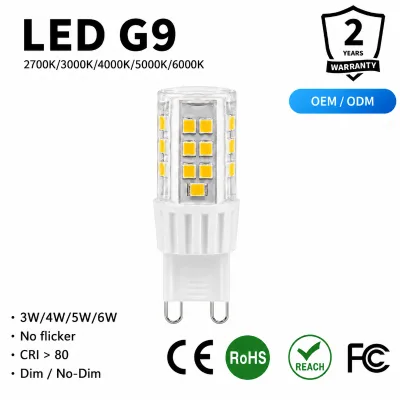
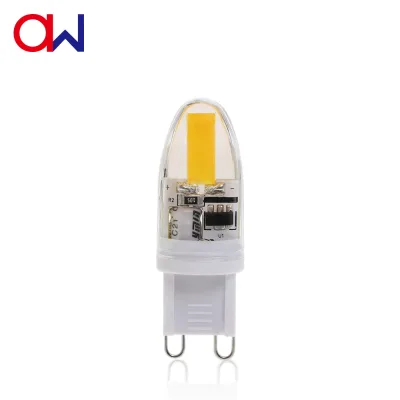
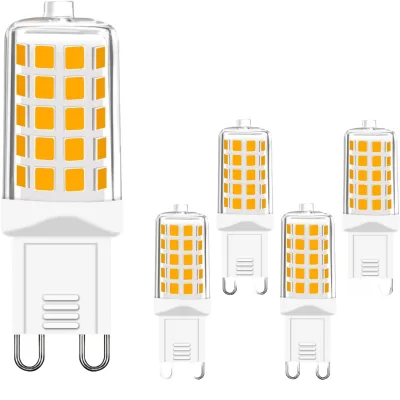
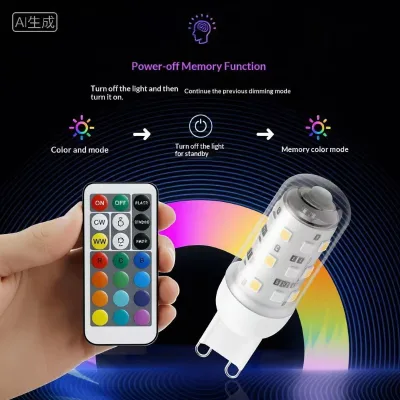
Factory Priced G9 Dimming LED Corn Lamp Bulb Energy Saving Indoor Lighting AC110V/220V Power Supply
$0.9251 - $1.2335
MOQ: 10 Minimum

Shenzhen Focus Lighting Co., Ltd.
- Verified by TUVRHEINLAND
- Manufacturer/Factory
- China Guangdong
- Lead time15 days
- Avg. response≤ 4h
Main productsMagnetic LED Track Lighting, LED Light Bulb LED Corn Light, LED Spot Light LED Downlight, LED Spotlight LED Track Light, LED Sensor Light Highbay LED High Bay Light, PAR20 PAR30 PAR38 LED Spotlight, LED Interior/Outdoor Lighting, LED Outdoor Lighting, LED Street Light LED Highmast Light, LED Flood Light
Main marketsSouth America,Eastern Europe,Mid East,North America,Western Europe












Comprehensive Sourcing Guide
Sensor Switch LED Corn Bulb Supplier Concentration and Factory Types
The current supplier landscape for Sensor Switch LED Corn Bulb products reveals a distinct geographic concentration in China, with specific manufacturing hubs identified in Zhejiang and Guangdong provinces. These regions serve as primary centers for lighting production, offering buyers access to established industrial clusters that specialize in LED components and smart lighting solutions. Suppliers in these areas often operate as a mix of trading companies, manufacturer/factories, and group corporations, providing varying levels of vertical integration and supply chain control. This diversity in company types allows buyers to choose partners based on their specific needs for direct factory pricing versus the flexibility and product breadth offered by trading entities. Understanding this structural composition is crucial for evaluating the reliability and scalability of potential suppliers, as the operational model directly impacts production capacity, quality control processes, and communication efficiency.
Within these manufacturing clusters, suppliers demonstrate a wide range of capabilities, from original equipment manufacturing (OEM) and original design manufacturing (ODM) to maintaining their own brands. Many suppliers list main products that include LED bulbs, LED lamps, energy-saving lamps, and various smart lighting devices, indicating a broad technical proficiency in LED technology. The presence of both trading companies and manufacturers suggests that buyers can find partners who either produce the sensor switch led corn bulbs in-house or source them from a network of specialized factories. This structural variety means that while some suppliers may offer lower prices due to direct manufacturing, others might provide better customer service and faster response times due to their trading focus. Buyers must carefully assess which model aligns with their procurement strategy, considering factors such as order volume, customization requirements, and the need for direct technical support during the sourcing process.
How to Verify Sensor Switch LED Corn Bulb Suppliers
Verifying the legitimacy and capability of Sensor Switch LED Corn Bulb suppliers requires a multi-layered approach that goes beyond simple profile reviews. Buyers should prioritize suppliers who have undergone third-party verification processes, such as CTI certification, which provides an additional layer of trust regarding the supplier's business operations and product quality. It is essential to check for relevant system certifications, such as ISO 9001 or ISO 9000, which indicate that the supplier adheres to standardized quality management systems. These certifications are particularly important for Sensor Switch LED Corn Bulb products, as they ensure consistent manufacturing processes and reliable quality control measures. Additionally, buyers should examine the supplier's response time, as a quicker response often correlates with better customer service and more efficient communication throughout the procurement cycle. A supplier with a response time of under ten hours may be more reliable for addressing urgent inquiries or resolving issues that arise during production.
Beyond certifications and response metrics, buyers must scrutinize the specific product details and technical specifications provided by the supplier. For sensor switch led corn bulbs, it is critical to verify attributes such as input voltage, luminous efficiency, power factor, and lifespan, as these factors directly impact product performance and compatibility with different markets. Suppliers should provide clear information on customization options, including available wattages, base types, and packaging configurations. Buyers should also look for evidence of past production experience, such as model numbers and detailed product attributes, to assess the supplier's technical expertise. Furthermore, verifying the supplier's location and ensuring it matches the claimed manufacturing base can help prevent discrepancies in shipping and logistics. By combining verification of business credentials with a thorough review of technical product data, buyers can significantly reduce the risk of partnering with unreliable suppliers and ensure a smoother sourcing experience for Sensor Switch LED Corn Bulb products.
What to Compare Across Sensor Switch LED Corn Bulb Suppliers
When evaluating multiple suppliers for Sensor Switch LED Corn Bulb products, buyers must compare several key dimensions to identify the most suitable partner. Lead time is a critical factor, as it directly impacts inventory management and order fulfillment speed. Suppliers may offer lead times ranging from a few days to several months, depending on their production capacity and current order backlog. Buyers should also compare minimum order quantities (MOQ), as some suppliers may require larger orders to achieve competitive pricing, while others may accommodate smaller trial orders. Response time is another important metric, as it reflects the supplier's availability and willingness to engage in timely communication. Additionally, buyers should assess the range of main products offered by each supplier, as a broader product portfolio may indicate greater technical versatility and the ability to provide complementary lighting solutions.
Price is, of course, a significant consideration, but it should be evaluated in conjunction with other factors such as quality, certification, and service level. Buyers should compare price ranges for similar products, keeping in mind that lower prices may sometimes correlate with reduced quality or fewer value-added services. It is also important to compare the customization capabilities of each supplier, including options for branding, packaging, and technical specifications. Suppliers that offer both OEM and ODM services may provide greater flexibility for buyers looking to differentiate their products in the market. Furthermore, buyers should compare the warranty terms and after-sales support offered by each supplier, as these factors can significantly impact the long-term success of the procurement relationship. By systematically comparing these dimensions, buyers can make informed decisions that balance cost, quality, and service, ultimately selecting a supplier that best meets their specific sourcing requirements for Sensor Switch LED Corn Bulb products.
Common Sensor Switch LED Corn Bulb Sourcing Risks
Sourcing Sensor Switch LED Corn Bulb products from international suppliers introduces several potential risks that buyers must proactively manage. One significant risk is the discrepancy between product specifications and actual delivered goods, particularly regarding technical attributes such as luminous flux, power factor, and lifespan. Buyers may encounter products that do not meet the claimed performance standards, leading to customer dissatisfaction and potential returns. Another risk is the variability in quality control practices among different suppliers, which can result in inconsistent product quality across batches. This inconsistency can be particularly problematic for Sensor Switch LED Corn Bulb products, as defects in the motion sensor component or LED driver can render the entire unit non-functional. Additionally, buyers may face challenges related to communication barriers and cultural differences, which can lead to misunderstandings regarding order details, customization requirements, and delivery schedules.
Logistical risks are also prevalent in international sourcing, including delays in shipping, customs clearance issues, and potential damage to goods during transit. Buyers must be aware of the lead times provided by suppliers and account for potential delays in their planning. Furthermore, there is a risk of intellectual property infringement if buyers work with suppliers who do not respect proprietary designs or branding. Buyers should ensure that their suppliers have robust intellectual property protection measures in place and that contracts clearly define ownership rights. Another risk is the financial instability of suppliers, which can lead to order cancellations or failure to deliver. To mitigate these risks, buyers should conduct thorough due diligence, request samples for testing, and establish clear communication channels with their suppliers. By identifying and addressing these common risks early in the sourcing process, buyers can protect their interests and ensure a successful procurement experience for Sensor Switch LED Corn Bulb products.
Sensor Switch LED Corn Bulb Regional Sourcing and Logistics
The geographic location of suppliers plays a crucial role in determining logistics costs, delivery times, and overall supply chain efficiency for Sensor Switch LED Corn Bulb products. Suppliers located in China, particularly in provinces like Zhejiang and Guangdong, offer access to well-developed manufacturing infrastructure and efficient logistics networks. These regions are known for their concentration of lighting manufacturers and trading companies, providing buyers with a wide selection of options. However, buyers must consider the specific logistics implications of sourcing from these locations, including shipping distances, port availability, and customs procedures. Understanding the regional logistics landscape can help buyers optimize their supply chain and reduce transportation costs. Additionally, buyers should be aware of any regional trade agreements or tariffs that may impact the final cost of imported goods.
Logistics planning should also account for the packaging and handling requirements of Sensor Switch LED Corn Bulb products, which may be fragile and require careful protection during transit. Buyers should verify that suppliers use appropriate packaging materials, such as color boxes and corrugated cartons, to minimize the risk of damage. Furthermore, buyers should consider the impact of seasonal fluctuations on logistics, as peak production periods may lead to longer lead times and higher shipping costs. It is also important to evaluate the supplier's experience with international shipping and their ability to handle documentation and compliance requirements. By carefully assessing the regional sourcing and logistics factors, buyers can make informed decisions that balance cost, speed, and reliability. This holistic approach to logistics planning ensures that the supply chain for Sensor Switch LED Corn Bulb products operates smoothly and efficiently, meeting the needs of both the buyer and the end consumer.
Sensor Switch LED Corn Bulb Commercial Terms and Order Planning
Effective order planning for Sensor Switch LED Corn Bulb products requires a thorough understanding of commercial terms and payment structures. Buyers should negotiate clear terms regarding pricing, payment methods, and delivery schedules to avoid misunderstandings and financial disputes. It is essential to establish a pricing structure that reflects the volume of the order, with discounts available for larger quantities. Buyers should also consider the implications of currency fluctuations and exchange rates on the final cost of goods. Additionally, buyers should verify the supplier's ability to provide necessary documentation, such as invoices, packing lists, and certificates of origin, to facilitate smooth customs clearance. Understanding these commercial terms is crucial for maintaining a healthy cash flow and ensuring that orders are processed efficiently.
Order planning should also include strategies for managing inventory and replenishment cycles, taking into account the lead times provided by suppliers. Buyers should establish a buffer stock to account for potential delays or unexpected demand spikes. Furthermore, buyers should consider the warranty terms and after-sales support offered by suppliers, as these factors can impact the long-term cost of ownership. It is important to have a clear process for handling defects or returns, including responsibilities for shipping costs and replacement products. By developing a comprehensive order planning strategy that incorporates commercial terms, inventory management, and after-sales support, buyers can optimize their procurement process for Sensor Switch LED Corn Bulb products. This strategic approach ensures that buyers can meet market demand while minimizing risks and maximizing profitability, ultimately leading to a more successful and sustainable sourcing relationship.
FAQs
What is the typical lead time for sensor LED corn bulbs?
Manufacturers in China generally require 7 to 150 days for production, depending on order volume and customization needs. Suppliers in Guangdong often offer faster turnaround times around 7 days, while those in Zhejiang may take up to 23 days or longer for larger batches. Buyers should confirm specific schedules with the supplier before placing orders.
What is the minimum order quantity for motion sensor bulbs?
The minimum order quantity is typically 3000 units for standard motion sensor LED bulbs. This threshold ensures efficient production runs for factories offering OEM or ODM services. Buyers seeking smaller quantities may need to negotiate directly with trading companies or look for stock items, though standard MOQs remain consistent across most verified suppliers.
What certifications do these LED suppliers hold?
Most verified suppliers hold ISO 9001 or ISO 9000 system certifications, ensuring quality management standards are met. Some suppliers are verified by CTI for additional reliability. Buyers should request current certification documents to verify compliance with international safety and quality standards before finalizing procurement agreements for bulk LED lighting purchases.
What is the price range for 5W LED corn bulbs?
Prices for 5W LED corn bulbs typically range from $0.56 to $0.74 per unit. Higher wattage options, such as 20W or 30W models, cost between $2.00 and $3.80. Motion sensor variants may range from $1.16 to $1.27. Prices vary based on customization, packaging, and order volume, so buyers should request detailed quotes.
How quickly do suppliers respond to inquiries?
Response times vary significantly, ranging from 3 hours to 12.70 hours. Suppliers in Guangdong often respond faster, averaging 3 hours, while others may take up to 12.70 hours. Quick response times indicate active sales teams and efficient communication channels, which are crucial for resolving technical questions and negotiating terms during the sourcing process.
What warranty is provided for motion sensor LED bulbs?
Standard warranties for motion sensor LED bulbs are typically 2 years. This coverage applies to manufacturing defects and performance issues under normal usage conditions. Buyers should verify specific warranty terms, including claim procedures and coverage limits, with the supplier to ensure adequate protection for their investment in smart lighting solutions.