Source CE Steel Sheet Straightening Machine for Floor Wall Roof
Find 30 CE Steel Sheet Straightening Machine options from Cangzhou suppliers. Compare models like ZW-4X1500 and ZL-4X1600 with varying thickness capacities and automation features for floor, wall, and roof applications; compare the available evidence and request quotations based on your requirements.
Key considerations
Products List


Metal Sheet Straightening Machine Automotive Parts Straightening Machine
$12000.00 - $16000.00
MOQ: 1 Sets

New Motor Straightener Cutter Straightening Machine Metal Sheet Straightening Machine
$12000.00 - $16000.00
MOQ: 1 Sets


Sheet Leveling Metal Coil Straightening Steel Plate Straightening Machine
$12000.00 - $16000.00
MOQ: 1 Sets


High Precision Metal Steel Sheet Leveler and Straightener Machine
$150000.00 - $200000.00
MOQ: 1 Pieces


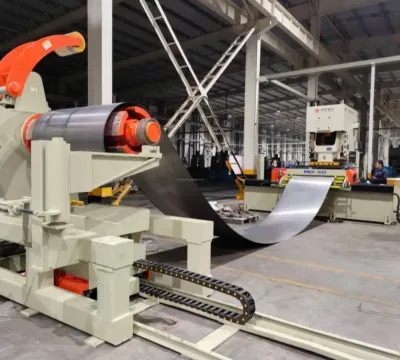

3-8mm Sheet Straightening Machine Steel Wire Rod Straightening and Cutting Machine
$4450.00 - $4500.00
MOQ: 1 Pieces


Rapid Flat Steel Plate Straightening and Cutting Machine Production Line
$23000.00 - $24000.00
MOQ: 1 Sets


H-Beam Hydraulic Type Straightening Machine
$10000.00 - $20000.00
MOQ: 1 Sets
Wuxi Datang Welding & Cutting Mechanical Equipment Co., Ltd.

Automatic Steel Sheet Plate Coiled Metal Straightening and Cutting Machine
$30000.00 - $38000.00
MOQ: 1 Sets

Construction Works H Beam Steel Plate Straightening Machine for Metal Sheet
$15000.00 - $20000.00
MOQ: 1 Pieces
Comprehensive Sourcing Guide
CE Steel Sheet Straightening Machine Sourcing Guide
Procuring a CE-certified steel sheet straightening machine requires careful evaluation of mechanical capabilities and compliance documentation. Buyers must verify that the equipment meets European safety directives, ensuring the machinery is suitable for industrial environments within the EU market. The presence of CE and ISO certifications indicates adherence to specific manufacturing and quality standards, which is critical for risk mitigation and operational legality.
The observed market signals suggest a diverse range of models, from general-purpose plate straighteners to specialized automotive parts straightening machines. These units often feature electric or hydraulic power sources, with automation levels varying by model. Understanding the specific transmission method and drive type, such as chain or gearbox systems, helps align the purchase with existing production workflows and maintenance capabilities.
Product Scope and Observed Listing Signals
The current market listings indicate a wide price range, reflecting variations in capacity, automation, and material handling capabilities. Buyers should note that observed prices span from approximately $836 to $300,000, suggesting significant differences in machine scale and complexity. This variance underscores the importance of defining precise production requirements before engaging with suppliers, as entry-level units may lack the precision needed for high-tolerance applications.
Listed products frequently highlight customization options, allowing for tailored solutions based on specific material widths and thicknesses. Common configurations include models designed for materials up to 2000mm wide and 20mm thick, catering to heavy-duty industrial needs. The availability of customized production lengths and widths further supports specialized manufacturing processes, ensuring the machinery integrates seamlessly into diverse facility layouts.
Technical Specifications to Verify
Key technical parameters include production thickness, length, and width capabilities, which must align with your raw material inventory. Typical specifications observed range from 1-30mm in thickness and up to 999m in length, with widths extending to 2500mm. Verifying these dimensions against your operational needs prevents bottlenecks and ensures the machine can handle your specific steel sheet formats without modification.
Leveling accuracy and material handling features are critical for maintaining product quality. Specifications such as leveling accuracy of 1 mm/M2 or 1.5mm/M2 indicate the precision of the straightening process. Additionally, confirming the protection level, such as IP40, and the forging forming method, like mold forging, helps assess the machine's durability and suitability for continuous high-efficiency operation in demanding industrial settings.
Compliance and Safety Documentation
Ensuring the machine carries valid CE and ISO certifications is non-negotiable for legal operation in many international markets. These certifications confirm that the equipment meets essential health, safety, and environmental protection requirements. Buyers should request original certification documents and verify their authenticity with the issuing bodies to avoid compliance risks during customs clearance or facility inspections.
Safety features and operational controls must also be thoroughly reviewed. The presence of automation features and specific drive types, such as hydraulic pressure systems, impacts both safety protocols and maintenance schedules. Confirming that the machine includes appropriate guarding, emergency stops, and clear operational manuals ensures that your team can operate the equipment safely and efficiently from day one.
Cost Drivers and Commercial Terms
Several factors influence the final cost of a straightening machine, including material composition, automation level, and customization requirements. Units made from iron, aluminum, or stainless steel may vary in price due to material costs and manufacturing complexity. Buyers should also consider the warranty terms, with many suppliers offering a 12-month warranty, which can reduce long-term maintenance expenses.
Packaging and shipping terms significantly affect the total landed cost. Standard export packages or seaworthy packaging are common, but buyers must clarify who bears the cost of freight and insurance. Understanding the minimum order quantity (MOQ), which is often listed as 1 unit, allows for flexible procurement strategies, whether purchasing a single machine for a pilot line or multiple units for expanded capacity.
Supplier Qualification and Quality Control
Evaluating supplier credibility is essential for securing reliable equipment. Buyers should verify the supplier's origin, with many manufacturers based in regions like Cangzhou, China, known for industrial machinery production. Assessing the supplier's track record, customer reviews, and after-sales support capabilities helps ensure long-term partnership stability and access to spare parts when needed.
Quality control processes should be transparent and rigorous. Suppliers should provide detailed inspection reports and testing procedures for each machine before shipment. Confirming that the production process includes strict quality checks on leveling accuracy and structural integrity ensures that the delivered machine meets the specified performance standards and reduces the risk of post-purchase defects.
Long-Term Procurement Checks
Establishing a robust maintenance plan is crucial for maximizing the lifespan of your straightening machine. Regular inspection of hydraulic systems, electrical components, and mechanical wear parts prevents unexpected downtime and extends operational life. Buyers should negotiate clear terms for technical support and training to ensure their staff can perform routine maintenance effectively.
Continuous monitoring of performance metrics helps identify potential issues early. Tracking leveling accuracy over time and monitoring energy consumption can signal when components need replacement or adjustment. By maintaining detailed records of machine performance and maintenance activities, buyers can optimize operational efficiency and make informed decisions about future upgrades or replacements.
FAQs
What certifications do these machines have?
These machines hold ISO and CE certifications to ensure safety and quality compliance. The product attributes confirm that both ISO and CE standards are met for the straightening machinery. This ensures the equipment meets international requirements for industrial use in various settings.
Can I get a customized straightening machine?
Yes, customization is available for these straightening machines to meet specific production needs. The product attributes explicitly state that customization options are available for buyers. This allows clients to tailor the machine specifications to their unique manufacturing requirements effectively.
What is the warranty period for the machine?
The warranty period for this equipment is twelve months from the date of purchase. This coverage ensures protection against manufacturing defects during the initial operational phase. Buyers can rely on this standard warranty for peace of mind regarding the machine's reliability.
How is the machine powered and driven?
The machine operates using hydraulic pressure as its primary power source for efficient operation. It utilizes a chain or gear box drive system to ensure smooth transmission of force. This combination provides high efficiency and reliable performance for various metal sheet straightening tasks.
What are the maximum material dimensions it handles?
The machine can process materials with widths up to 2000mm and thicknesses up to 20mm. Specific models support varying dimensions, such as 1500mm width with 4mm thickness or 1600mm width with 3.5mm thickness. These capabilities cover a wide range of industrial metal sheet processing needs.
Where are these machines manufactured and shipped from?
These machines originate from Cangzhou, China, and are packaged in standard export or seaworthy packages. The production location ensures adherence to specific manufacturing standards while facilitating global shipping. Buyers can expect secure packaging designed for long-distance transport to international destinations.