Find CE Waterproof Surgery Dental Headlight for Clinics, Salons, and Oral Surgery
Source 30 CE Waterproof Surgery Dental Headlight units from verified Chinese manufacturers. Compare models with adjustable brightness, lithium battery options, and varying warranty periods for oral surgery, salon, and general medical applications.
Key considerations
Products List


Dental Equipment Dental Lamp Medical Lamp Surgical Light Dental Headlight
$100.00 - $168.00
MOQ: 1 Pieces


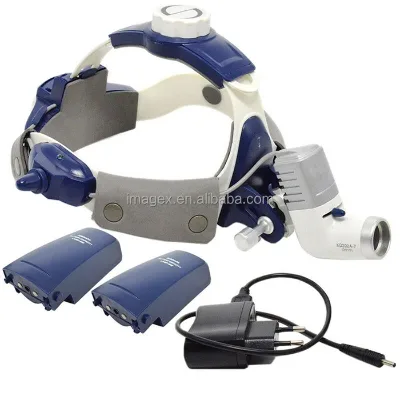


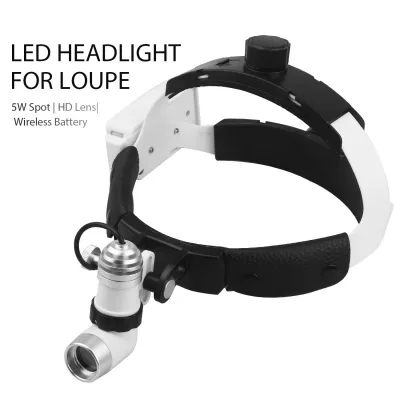
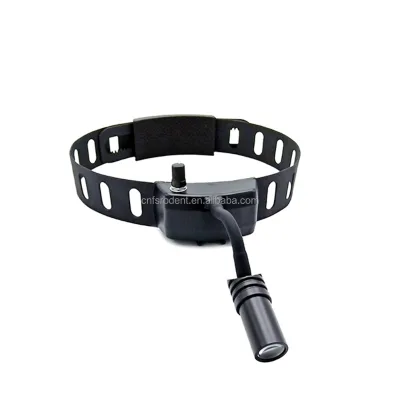
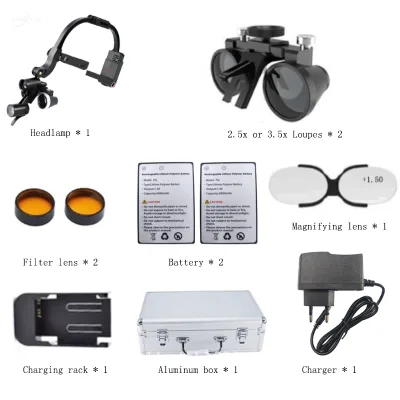


Comprehensive Sourcing Guide
Strategic Sourcing Guide for CE-Certified Waterproof Dental Headlights
Procuring medical-grade lighting equipment requires a rigorous approach that balances technical performance with regulatory compliance. For buyers specifically targeting a CE-certified waterproof surgery dental headlight, the sourcing process must navigate a complex landscape of material specifications, electrical safety standards, and operational durability. The core objective is to secure a device that maintains high luminance in sterile environments while withstanding the rigors of surgical procedures. This guide outlines the critical factors for evaluating suppliers and products, ensuring that procurement decisions are grounded in verifiable data rather than marketing assertions.
Technical Specifications and Performance Metrics
When evaluating a dental headlight, the primary focus must be on the optical and electrical characteristics that define its utility in oral surgery. The observed market data indicates a diverse range of models, each with distinct specifications regarding light intensity, color temperature, and power consumption. A critical parameter for any surgical headlight is light intensity, which determines the visibility of the surgical field. Available data points show specific units delivering intensities of 65,000 lux, while other models are rated at 15,000 lux or greater. Buyers must verify that the selected unit meets the specific luminance requirements of their surgical procedures, as lower intensity units may compromise precision in deep cavity work.
The color temperature is another essential technical attribute. The data suggests a range of 4,500K to 5,500K, which is generally considered optimal for medical applications as it provides a neutral white light that renders tissue colors accurately. This range minimizes eye strain during prolonged procedures. Furthermore, the bulb life is a significant cost driver over the product's lifecycle. Observed specifications list lifetimes ranging from 20,000 hours to 50,000 hours. A unit with a 50,000-hour lifespan, such as the Micare JD2200 model, offers superior long-term value compared to units with shorter rated lives, reducing the frequency of bulb replacements and maintenance downtime.
Power systems vary significantly between models. Some units operate on a DC 3.7V working voltage, while others may utilize different power sources. The charging time is a practical consideration for clinical workflows; observed data indicates a standard charging duration of approximately 4 hours. Additionally, the working hour capability is crucial for uninterrupted surgery. Specifications note a working duration of 10 hours or more, ensuring that the device can support long procedures without interruption. The light spot size is also adjustable in certain models, allowing the surgeon to switch between a focused beam for detail work and a broader beam for general illumination.
Material Composition and Waterproof Integrity
The physical construction of the headlight dictates its durability and resistance to sterilization processes. The material composition is a primary indicator of quality. The provided facts identify PVC as a common material used in these devices. While PVC offers flexibility and cost-effectiveness, buyers must ensure that the specific PVC formulation used is medical-grade and resistant to degradation from common surgical disinfectants. The waterproof nature of the device is paramount in a surgical setting where exposure to fluids, blood, and sterilization agents is routine.
To achieve the necessary waterproof rating, the product design must incorporate sealed joints and robust housing. The observed product models include various color options such as Red, Black, Blue, Silver, and White+Black, which may indicate different housing materials or coating types. The "Waterproof" attribute in the keyword implies an IP rating, though specific IP numbers are not explicitly listed in the provided facts. Therefore, buyers must request and verify the specific Ingress Protection (IP) rating from the supplier. A high IP rating (such as IPX4 or higher) is necessary to ensure the device can withstand splashes and immersion in cleaning solutions without internal component failure.
The packaging also reflects the intended handling and storage conditions. Some models are shipped in a "Carton Box of Outside," while others, particularly more portable or premium units, come in an "Aluminum Case." An aluminum case suggests a higher level of protection against physical impact and may indicate a more robust internal construction. The standard dimensions for packaging vary, with observed sizes ranging from 18x17x9cm to 31x24x21cm. These dimensions are useful for logistics planning but do not directly correlate to the device's operational waterproofing.
Compliance and Certification Verification
Regulatory compliance is non-negotiable in the medical device sector. The core keyword explicitly requires a "CE" certification, and the provided facts confirm that several models carry the CE mark. However, the presence of a CE mark alone is insufficient; buyers must verify the scope of this certification. Some product entries list additional certifications, including ISO and RoHS. The RoHS (Restriction of Hazardous Substances) certification is particularly relevant for environmental compliance and the safety of materials used in the device.
The data also references standards such as ISO 13485, IEC 60601-1, and IEC 60601-1-2. While these are listed as background information and not explicitly confirmed for every listed product, they represent the typical framework for medical electrical equipment. IEC 60601-1 covers the general safety and essential performance of medical electrical equipment, while IEC 60601-1-2 addresses electromagnetic compatibility (EMC). Buyers should demand that the supplier provides a valid EU Declaration of Conformity that specifically references these standards if the device is marketed as medical electrical equipment.
It is critical to distinguish between the certification of the product and the certification of the manufacturing facility. A CE mark on the device indicates that the product meets EU safety standards, but it does not automatically guarantee that the factory holds ISO 13485 certification. Buyers should explicitly request evidence of the manufacturer's quality management system certification to ensure consistent production quality. The origin of the products is listed as China, with specific mentions of Shanghai, China (Mainland). While this is a major manufacturing hub, the location itself does not determine compliance; the specific factory's audit history and documentation are the true indicators of regulatory adherence.
Cost Drivers and Pricing Structure
The pricing for dental headlights varies widely, with an observed range from $12 to $713.44 USD. This broad spectrum indicates significant differences in quality, feature sets, and brand positioning. The lower end of the price range likely corresponds to basic models with standard specifications, while the higher end reflects units with advanced features such as longer battery life, higher lux output, or premium materials. The Minimum Order Quantity (MOQ) is observed to range from 1 to 10 units, offering flexibility for both individual clinics and larger distributors.
Several factors drive the cost of these devices. First, the battery technology is a major cost component. Units utilizing Lithium Batteries with a 50,000-hour bulb life and 10-hour working duration command a higher price than those with shorter lifespans. Second, the complexity of the optical system, including adjustable light spot sizes and high-intensity LEDs, adds to the manufacturing cost. Third, the packaging and accessories, such as the inclusion of an aluminum case versus a standard carton box, influence the final price.
Buyers should be wary of prices that seem too low to be realistic for a CE-certified medical device. Extremely low prices may indicate a lack of genuine certification or the use of substandard materials that could fail during sterilization. Conversely, the highest-priced units should be evaluated against their specific performance metrics to ensure the premium cost is justified by tangible benefits like extended warranty periods or superior light intensity. The warranty terms, ranging from 6 months to 1 year, also serve as a proxy for manufacturer confidence and should be factored into the total cost of ownership calculation.
Supplier Evaluation and Quality Assurance
Selecting the right supplier is as important as selecting the right product. The observed data lists multiple product models, including DY-004-H, DY-010F, DY-503, and JD2200, suggesting a supplier with a diverse portfolio. A reliable supplier should be able to provide detailed technical datasheets for each model, clearly distinguishing between the specifications of different units. The ability to offer customization is a valuable attribute, as indicated by the "Customization: Available" fact. This allows clinics to tailor the device to their specific ergonomic needs or branding requirements.
Quality control processes must be transparent. Buyers should inquire about the supplier's internal testing protocols, particularly regarding waterproofing and electrical safety. While specific test results are not provided in the facts, a reputable supplier will have a history of passing third-party audits and maintaining consistent quality. The "OEM: Yes" attribute indicates that the supplier is capable of manufacturing products under the buyer's brand, which is a strong indicator of manufacturing capability and flexibility.
When evaluating suppliers, buyers should verify the authenticity of the CE certification. This involves checking the notified body number on the Declaration of Conformity and ensuring that the product model number matches the certified documentation. The supplier should also provide clear information on the warranty terms and the process for handling claims. A 1-year warranty is standard, but some models offer a 6-month warranty; buyers should understand the implications of these differences in terms of support and replacement policies.
Long-Term Procurement and Operational Considerations
The long-term viability of a dental headlight procurement depends on the availability of spare parts and the ease of maintenance. The battery is a consumable component that will eventually need replacement. Suppliers that offer a supply chain for replacement batteries and bulbs are preferable to those that do not. The "Lifetime of LED" and "Bulb Life" specifications are critical for planning these replacements. A unit with a 50,000-hour bulb life will require fewer replacements over a decade of use compared to a unit with a 20,000-hour life.
The application scope of the device is another consideration. The data indicates that these lights are applicable for "Oral Surgery" and "Salon" settings. While the primary focus is on surgical applications, the versatility for salon use may be a secondary benefit for multi-purpose clinics. The "Portable" attribute suggests that the device is designed for mobility, which is essential for dental practitioners who move between different treatment rooms or operate in various locations.
Finally, buyers should consider the environmental impact and disposal of the device. The RoHS certification ensures that the product does not contain hazardous substances, facilitating safer disposal. The packaging materials, such as the aluminum case or carton box, should also be evaluated for their recyclability. By focusing on these long-term factors, buyers can ensure that their procurement decision supports sustainable and efficient clinical operations. The combination of high-certification standards, robust technical specifications, and reliable supplier support forms the foundation of a successful sourcing strategy for CE-certified waterproof surgery dental headlights.
FAQs
What certifications do these dental headlights carry?
Many models carry CE certification, with some also including ISO and RoHS marks. Buyers should verify the specific certification scope for each product model to ensure compliance with medical device regulations in their target market.
Which material is commonly used for the headlight housing?
PVC is a common material identified for these devices, offering flexibility and cost-effectiveness. However, buyers must confirm that the specific PVC formulation is medical-grade and resistant to surgical disinfectants to ensure durability.
How long does the LED bulb typically last?
Observed specifications list lifetimes ranging from 20,000 hours to 50,000 hours. Models like the Micare JD2200 offer a 50,000-hour lifespan, providing superior long-term value compared to units with shorter rated lives.
Can the light intensity be adjusted during surgery?
Yes, certain models feature adjustable light spot sizes and brightness levels. This allows surgeons to switch between a focused beam for detail work and a broader beam for general illumination depending on the procedure.
What is the standard working voltage for these units?
Some units operate on a DC 3.7V working voltage, utilizing a lithium battery for power. This configuration supports a working duration of at least 10 hours, ensuring uninterrupted performance during long surgical procedures.
Which packaging options are available for shipping?
Products are shipped in either a standard carton box or a protective aluminum case. The aluminum case suggests a higher level of protection against physical impact and may indicate a more robust internal construction.
Is customization available for these dental headlight models?
Customization is available for buyers requiring specific modifications or branding. This attribute allows clinics to tailor the device to their ergonomic needs or apply their own brand logo to the product.