Source Centella Oil Moisturizing Facial Cleanser for Acne, Pores, and Dry Skin
Find 30 verified suppliers offering Centella Oil Moisturizing Facial Cleanser formulations. Compare OEM/ODM options, certifications like GMP and FDA, and bulk pricing for deep cleansing and whitening benefits; compare the available evidence and request quotations based on your requirements.
Updated
Key considerations
Products List


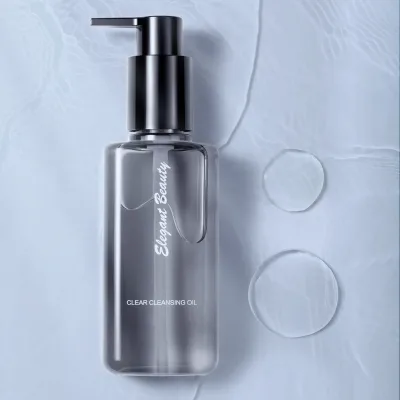
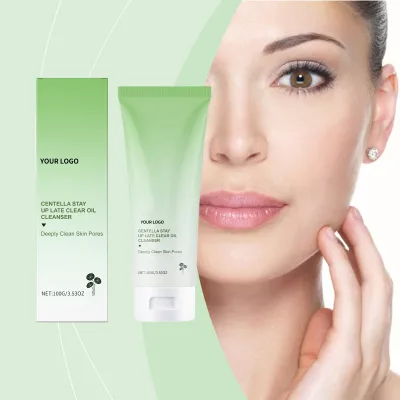


Pre Cleanse Cleansing Balm Oil Cleanser for Face Oil Based Face Cleanser
$0.35 - $0.50
MOQ: 10000 Pieces
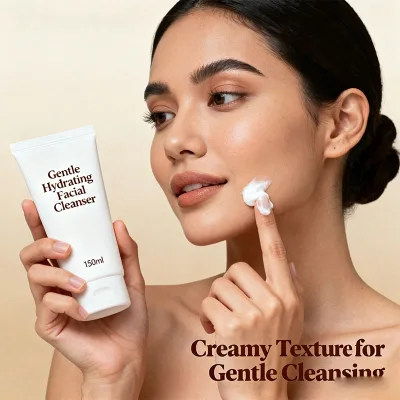


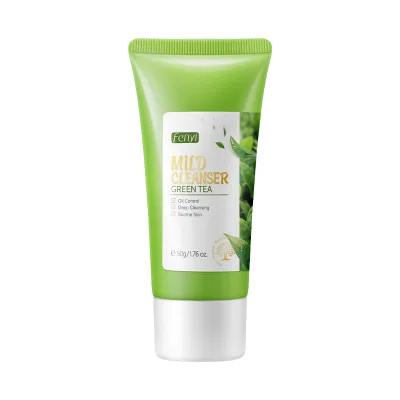

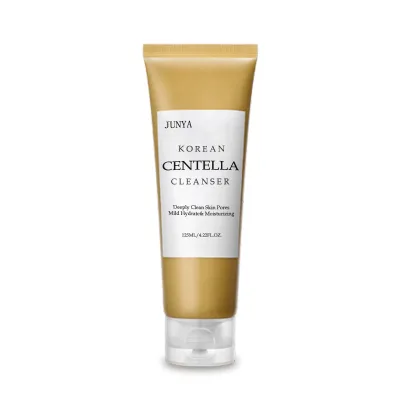
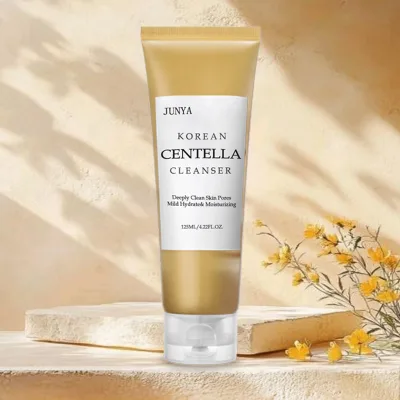
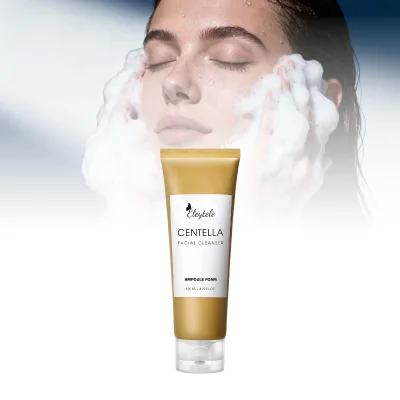
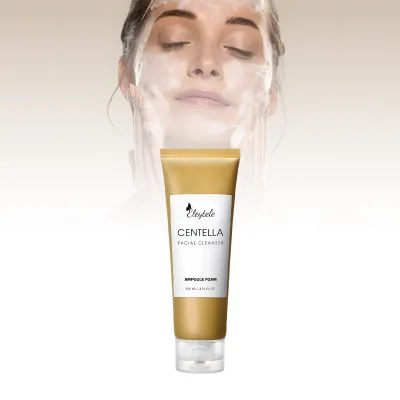

Comprehensive Sourcing Guide
Centella Oil Moisturizing Facial Cleanser Sourcing Guide
Sourcing centella oil moisturizing facial cleansers requires a nuanced understanding of the intersection between herbal actives and emollient bases. The observed market data indicates a diverse range of formulations, with some products explicitly listing Centella Asiatica as a primary functional component alongside cleansing oils. Buyers must distinguish between products that use centella as a marketing keyword and those that deliver substantive botanical efficacy. The presence of complementary ingredients such as shea butter, glycerin, and emu oil suggests a focus on barrier repair and deep hydration, which is critical for maintaining skin integrity during the cleansing process.
Procurement teams should prioritize suppliers who demonstrate transparency in their ingredient sourcing and formulation stability. The available product listings reveal a strong emphasis on OEM and ODM services, indicating that many manufacturers are equipped to customize formulations for specific brand identities. This flexibility allows buyers to tailor the balance between the cleansing power of oils and the soothing properties of centella extracts. Understanding these formulation variables is essential for selecting a partner who can meet both functional performance requirements and aesthetic expectations for the final consumer product.
Product Scope and Observed Listing Signals
The current market landscape for facial cleansers includes a variety of forms, ranging from oils and lotions to gels and muds, each offering distinct user experiences. Observed listings highlight products with features such as deep cleansing, moisturizing, and acne treatment, often combining these benefits with lightening or firming effects. The core keyword suggests a hybrid product that leverages the emulsifying properties of oils for makeup removal while incorporating centella for soothing and moisturizing benefits. Buyers should carefully review product descriptions to ensure the formulation aligns with the intended skin type and cleansing efficacy, as some listings may emphasize one aspect over another.
Key attributes observed in the market include customization availability, which allows for tailored packaging and ingredient profiles. The presence of certifications such as FDA, GMP, and MSDS in some listings provides a baseline for quality assurance, though buyers must verify the specific applicability of these certifications to their target markets. Additionally, the shelf life of three years observed in several products indicates stable formulations that can withstand longer supply chain durations. These signals help buyers assess the maturity and reliability of the product offerings, ensuring that the selected cleanser meets both regulatory and commercial standards.
Technical Specifications to Verify
Technical verification begins with confirming the physical form and packaging standards of the cleanser. Observed specifications include volumes such as 100ml and 150g, as well as packaging types like cartons and customer-specific requirements. Buyers must ensure that the chosen format aligns with their distribution channels and consumer preferences, whether that be pump bottles for oils or tubes for gels. The standard dimensions and weights listed in some products provide a reference for logistics planning, but actual specifications should be confirmed with the supplier to avoid discrepancies in shipping and storage calculations.
Ingredient composition is another critical technical parameter that requires detailed verification. While some products list main ingredients like dead sea salt, shea butter, and aloe vera, others highlight centella and emu oil. Buyers should request full ingredient lists to assess the concentration of active components and ensure there are no allergens or restricted substances. The presence of features such as pore cleaning and blackhead removal suggests specific surfactant systems, which should be evaluated for compatibility with sensitive skin types. Verifying these technical details ensures that the final product delivers the promised benefits without compromising safety or efficacy.
Compliance and Safety Documentation
Compliance documentation is a non-negotiable aspect of sourcing facial cleansers, particularly those marketed with cosmetic claims. The observed listings mention certifications such as CE, GMP, and MSDS, which indicate adherence to certain manufacturing and safety standards. Buyers must verify that these certifications are valid and applicable to the specific product and destination market. For instance, FDA registration may be required for products sold in the United States, while CE marking is essential for European markets. Ensuring that the supplier holds the necessary approvals helps mitigate regulatory risks and facilitates smoother customs clearance.
Safety data sheets and product safety assessments are also critical components of the compliance package. These documents provide detailed information on ingredient safety, potential hazards, and handling instructions. Buyers should request these documents early in the sourcing process to identify any potential red flags or additional testing requirements. Additionally, verifying that the manufacturer follows Good Manufacturing Practices (GMP) ensures that the production environment meets hygiene and quality control standards. This diligence is essential for maintaining product integrity and protecting brand reputation from potential safety-related issues.
Cost Drivers and Commercial Terms
Cost structures for facial cleansers are influenced by several factors, including ingredient quality, packaging complexity, and order volume. The observed price range of $0.2 to $4 per unit suggests significant variation based on formulation sophistication and brand positioning. Buyers should analyze the cost breakdown to understand how much is attributed to raw materials versus manufacturing and logistics. High-quality botanical extracts like centella and emu oil may increase material costs, while custom packaging solutions can add to the overall expense. Understanding these drivers helps in negotiating favorable terms and budgeting accurately for the procurement project.
Minimum Order Quantities (MOQs) and lead times are key commercial terms that impact supply chain flexibility. Observed MOQs range from 3 to 10,000 pieces, offering options for both small-scale testing and large-scale production runs. Buyers should align their order quantities with their sales forecasts to avoid excess inventory or stockouts. Lead times, while not explicitly detailed in all listings, are typically influenced by production capacity and customization requirements. Establishing clear communication regarding these terms ensures that the supplier can meet delivery expectations and supports efficient inventory management.
Supplier Qualification and Quality Control
Supplier qualification involves assessing the manufacturer’s experience, production capabilities, and quality management systems. The observed listings highlight suppliers with 15 years of experience, indicating a level of industry expertise and stability. Buyers should verify the supplier’s track record through references, audits, or third-party evaluations. A robust quality control process is essential for ensuring consistent product quality, particularly for formulations involving multiple active ingredients. Suppliers with OEM/ODM capabilities should demonstrate flexibility and responsiveness to custom requests, which is crucial for brand differentiation.
Quality control measures should include raw material testing, in-process checks, and final product inspections. Buyers should inquire about the supplier’s testing protocols for microbial contamination, heavy metals, and stability. Additionally, verifying that the manufacturer adheres to international standards such as ISO 22716 for cosmetic GMP can provide confidence in the production process. Establishing a clear quality agreement with the supplier defines expectations for defect rates, corrective actions, and continuous improvement. This proactive approach to quality management helps minimize risks and ensures that the final product meets the brand’s standards.
Long-Term Procurement Checks
Long-term procurement success depends on continuous monitoring of supplier performance and market trends. Buyers should establish key performance indicators (KPIs) for delivery reliability, product quality, and responsiveness to issues. Regular audits and performance reviews help identify areas for improvement and ensure that the supplier remains aligned with the brand’s evolving needs. Additionally, staying informed about regulatory changes and consumer preferences allows for proactive adjustments to sourcing strategies. This ongoing engagement fosters a resilient supply chain capable of adapting to market dynamics.
Sustainability and ethical sourcing are increasingly important considerations for long-term procurement. Buyers should evaluate the supplier’s practices regarding ingredient sourcing, packaging waste, and environmental impact. Certifications related to sustainability can provide assurance that the supplier is committed to responsible business practices. Furthermore, building a collaborative relationship with the supplier can lead to innovation and cost-saving opportunities over time. By prioritizing these long-term checks, buyers can secure a competitive advantage and contribute to a more sustainable beauty industry.
FAQs
What certifications do the cleansing oils hold?
The products hold FDA, GMP, and MSDS certifications. Some listings also include CE certification. These documents verify safety and manufacturing standards for global buyers seeking compliant cosmetic ingredients.
Which main ingredients are used in the cleansers?
Formulations often contain Dead Sea Salt, Shea Butter, Aloe Vera, and Emu oil. Some variants include Glycerin, Green Tea, or Pearl. These natural components support deep cleansing and moisturizing functions effectively.
Can I request custom packaging for my brand?
Yes, customization is available for packaging requirements. Buyers can specify carton sizes or other packing needs. OEM and ODM private label services allow full branding control for distinct market positioning.
What is the minimum order quantity for bulk purchase?
The minimum order quantity ranges from 3 to 10,000 pieces depending on the specific product. Some items require 1,000 pieces as a baseline. Buyers should verify exact MOQs for their selected models.
How long is the shelf life of these products?
The shelf life is typically three years from the manufacturing date. This duration ensures product stability and efficacy during storage and distribution. Proper storage conditions are recommended to maintain quality.
Where are these facial cleansers manufactured?
Products originate from Guangdong and Shanghai in China. These regions are established hubs for cosmetic manufacturing. Buyers can expect efficient logistics and established supply chains from these specific locations.
What features do the moisturizing cleansers offer?
Features include acne treatment, deep cleansing, firming, and lightening. Many products also provide pore cleaning and anti-wrinkle benefits. These functions address multiple skin concerns in a single daily routine step.