Source Centrifugal Rotary Spray Drying Equipment for Food, Chemical, and Pharmaceutical
Find 30 Centrifugal Rotary Spray Drying Equipment units from verified Chinese manufacturers. Compare specifications including power supply, drying medium, and atomization types for food, chemical, and pharmaceutical applications.
Key considerations
Products List


High Speed Centrifugal Spray Drying Equipment for Drying Chemical Solution
$4000.00 - $150000.00
MOQ: 1 Pieces


High Quality Centrifugal Spray Drying Machinery
$14000.00 - $90000.00
MOQ: 1 Sets
Shanghai Yiqi Pharmaceutical Machinery Group Company Limited

Drying Equipment & Pharmaceutical Spray Dryer Machine
$15000.00 - $16000.00
MOQ: 1 Sets
Shanghai Yiqi Pharmaceutical Machinery Group Company Limited


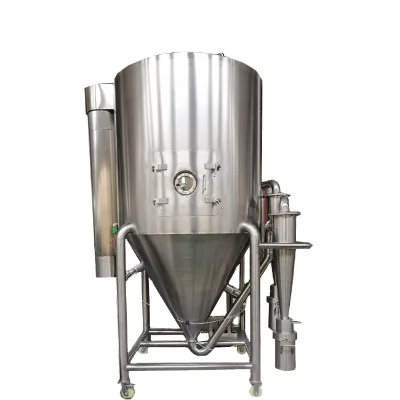


Comprehensive Sourcing Guide
Strategic Sourcing Guide for Centrifugal Rotary Spray Drying Equipment
Procuring industrial drying systems requires a rigorous approach to technical alignment, regulatory compliance, and supplier capability assessment. For buyers investigating Centrifugal Rotary Spray Drying Equipment, the primary objective is to secure machinery that ensures consistent product quality while maintaining operational efficiency. The market offers a variety of configurations, ranging from single-drum setups to complex multi-stage systems. This guide synthesizes available product attributes and industry standards to provide a structured framework for evaluating potential procurement opportunities. Buyers must navigate a landscape where specifications such as power supply, atomization methods, and flow dynamics vary significantly between models. Understanding these nuances is critical before initiating any commercial engagement.
Technical Specifications and Operational Parameters
The core of any centrifugal spray drying system lies in its mechanical and thermal specifications. When evaluating equipment, the first step is to verify the power supply requirements, as industrial units often operate on specific voltage frequencies. Available data indicates that certain models are designed for a 380V 50Hz power supply, while others may accommodate a broader range from 110V to 415V. This variance necessitates a careful review of the facility's electrical infrastructure to ensure compatibility. The physical footprint of the machinery is equally significant; dimensions can range from compact units to large-scale installations measuring up to 4600mm in length, 4200mm in width, and 7000mm in height. Buyers should confirm the exact dimensional requirements against their available floor space and ceiling clearance.
The drying mechanism itself is defined by the type of atomization and the flow pattern within the chamber. Centrifugal spray dryers typically utilize a rotary atomizer, also known as a centrifugal sprayer, to disperse liquid feed into fine droplets. This method is distinct from pressure atomization, which relies on high-pressure pumps. The flow configuration within the drying chamber can be parallel, cross, or contra-flow. Each configuration offers different thermal efficiency profiles and residence times. For instance, contra-flow systems are often preferred for heat-sensitive materials, while parallel flow may be suitable for rapid drying applications. The inlet temperature is a critical control parameter, with some systems offering automatic control ranges between 140 and 350 degrees Celsius. The outlet temperature, typically maintained between 80 and 90 degrees Celsius, is a key indicator of the final product's moisture content and thermal history.
Compliance, Certification, and Regulatory Standards
Navigating the regulatory landscape is a non-negotiable aspect of sourcing industrial drying equipment. Compliance ensures that the machinery meets safety, environmental, and quality standards required for operation in various jurisdictions. The industry commonly references standards such as CE, GMP, and SGS. While specific certification status for individual units should be verified directly with the supplier, the presence of these standards in product documentation is a strong indicator of adherence to international safety and quality protocols. GMP (Good Manufacturing Practice) compliance is particularly vital for equipment destined for the pharmaceutical and food industries, as it dictates the design and operation requirements to prevent contamination.
Buyers must also scrutinize the material status and the intended application of the equipment. The machinery is often designed to handle materials in various states, including bulk, strap, cream, solution, and powder. The final appearance of the dried sample is typically described as liquid spray drying, resulting in a powder material status. It is essential to verify that the equipment's construction materials are compatible with the specific chemicals or food products being processed. Furthermore, the operational method, whether intermittent or continuous, must align with the production schedule. Some units are classified as atmospheric dryers, operating under standard pressure conditions, while others may have specialized pressure requirements. The origin of the equipment, often cited as regions like Zhejiang, Huzhou, or Jiangsu Changzhou in China, can influence the availability of local support and spare parts, though this should be confirmed on a case-by-case basis.
Cost Drivers and Economic Considerations
The total cost of ownership for centrifugal spray drying equipment is influenced by several factors beyond the initial purchase price. The observed price range in the market can be extensive, spanning from nominal values to significant six-figure amounts, reflecting differences in capacity, automation levels, and customization. A primary cost driver is the heat source. Systems may be configured to utilize natural gas, coal gas, electricity, fuel, or steam. The choice of heat source impacts both the capital expenditure and the ongoing operational costs. For example, electric heating systems may have lower installation costs but higher energy expenses, whereas gas-fired systems might offer better efficiency for large-scale operations.
Customization is another significant factor affecting cost. The availability of customization options allows buyers to tailor the equipment to specific process requirements, such as adjusting the roller number, changing the cloth membrane forms, or modifying the control methods. The control method is a critical cost component; advanced systems often feature PLC automatic digital control panels that enhance precision and reduce manual intervention. The packing method, whether in a wooden case, wooden box, or in bulk, also contributes to the logistics cost. Additionally, the weight of the equipment, which can reach up to 2920kg, necessitates specialized shipping and handling arrangements. Buyers should request detailed cost breakdowns that include installation, commissioning, and training to avoid hidden expenses.
Typical Applications and Industry Suitability
Centrifugal Rotary Spray Drying Equipment is versatile and finds application across multiple sectors, including food, chemical, and pharmaceutical industries. The specific application dictates the required specifications. In the foodstuff industry, the equipment is often used to produce powders from liquid concentrates, ensuring high nutrient retention and rapid drying. The chemical industry utilizes these systems for drying solvents, pigments, and other chemical compounds, where the ability to handle corrosive or reactive materials is paramount. The pharmaceutical sector demands the highest level of hygiene and control, making GMP-compliant units essential for producing active pharmaceutical ingredients and excipients.
The performance of the dryer is often measured by the powder restoring rate, with high-quality systems claiming rates of more than 95 percent. This metric is crucial for economic efficiency, as it directly impacts the yield of the final product. The movement way, typically spraying, ensures uniform distribution of the liquid feed within the drying chamber. The structure of the dryer, often described as a spraying drier or drum drying equipment, must be robust enough to withstand the thermal and mechanical stresses of continuous operation. Buyers should assess the equipment's suitability for their specific product characteristics, such as viscosity, surface tension, and thermal sensitivity, to ensure optimal drying results.
Supplier Evaluation and Quality Assurance
Evaluating suppliers requires a comprehensive review of their technical capabilities, production history, and quality assurance processes. The supplier's location, such as Huzhou, China, or other manufacturing hubs, can provide insights into their logistical capabilities and potential lead times. However, specific lead time figures should not be assumed without direct confirmation. The condition of the equipment, typically listed as new, should be verified through factory audits or third-party inspections. Buyers should also inquire about the supplier's experience with similar projects and their ability to provide after-sales support.
Quality control is integral to the procurement process. The equipment should undergo rigorous testing to ensure it meets the specified performance criteria. This includes verifying the accuracy of temperature controls, the efficiency of the atomization process, and the integrity of the structural components. The standard of the equipment, often referenced as CE, GMP, or SGS, should be validated through official documentation. Buyers should also consider the supplier's ability to provide spare parts and technical assistance, as this is critical for maintaining long-term operational efficiency. The appearance of the dried sample and the material status of the feed should be consistent with the supplier's claims, and any deviations should be addressed before finalizing the purchase.
Long-Term Procurement and Maintenance Strategy
Sourcing centrifugal spray drying equipment is not a one-time transaction but the beginning of a long-term operational relationship. Buyers should develop a maintenance strategy that includes regular inspections, calibration, and component replacement. The operational method, whether intermittent or continuous, will influence the maintenance schedule. Systems with PLC automatic digital control panels may require specialized software updates and technical expertise. The heat source system, whether gas, electric, or steam, requires specific maintenance protocols to ensure safety and efficiency.
The environmental impact of the equipment should also be considered. The drying medium, often superheated steam, and the flow configuration can affect energy consumption and emissions. Buyers should evaluate the equipment's energy efficiency and its alignment with sustainability goals. The packing method, such as wooden cases or bulk shipping, should be optimized to minimize waste and environmental impact. Finally, the buyer should establish clear communication channels with the supplier for ongoing support, ensuring that any operational issues are resolved promptly. By adopting a proactive approach to procurement and maintenance, buyers can maximize the value and longevity of their Centrifugal Rotary Spray Drying Equipment investments.
FAQs
What atomization methods are available for this equipment?
Centrifugal Rotary Spray Drying Equipment typically utilizes rotary atomization or pressure atomization methods. The specific method depends on the model, such as the LPG-Series which uses a centrifugal sprayer, while other configurations may employ pressure atomization for different feed characteristics.
Can the equipment handle different heat sources?
Yes, the machinery supports multiple heat sources including natural gas, coal gas, electricity, fuel, and steam. This flexibility allows buyers to select the most suitable energy option based on facility infrastructure and operational cost requirements.
What is the typical power supply requirement for these units?
Industrial units often operate on a 380V 50Hz power supply, though some models accommodate a broader range from 110V to 415V. Buyers must verify their facility's electrical infrastructure to ensure compatibility with the specific voltage and frequency of the selected dryer.
Which certifications are commonly associated with this equipment?
Common standards referenced for this equipment include CE, GMP, and SGS. These certifications indicate adherence to international safety and quality protocols, which is particularly vital for applications in the pharmaceutical and food industries requiring strict hygiene compliance.
How is the drying process controlled in these systems?
Advanced systems feature PLC automatic digital control panels for precise operation. Inlet temperatures can be automatically controlled within ranges like 140 to 350 degrees Celsius, ensuring consistent drying results and efficient thermal management for various material types.
What are the standard dimensions for large spray dryers?
Large-scale installations can measure up to 4600mm in length, 4200mm in width, and 7000mm in height. Buyers should confirm exact dimensional requirements against their available floor space and ceiling clearance before procurement to ensure proper installation.
What is the expected powder restoring rate for this equipment?
High-quality systems often claim a powder restoring rate of more than 95 percent. This metric is crucial for economic efficiency as it directly impacts the yield of the final product and minimizes material waste during the drying process.