Source Centrifugal Pump for Water Treatment, Irrigation, and HVAC
Find 30 Centrifugal Pump listings from verified Chinese manufacturers. Buyers can compare specifications like pressure ratings, impeller types, and materials to select the right unit for industrial or municipal applications.
Key considerations
Products List


$50.00 - $1000.00
MOQ: 10 units



$500.00 - $50000.00
MOQ: 1 Pieces


Comprehensive Sourcing Guide
Centrifugal Pump Sourcing Guide
Sourcing centrifugal pumps requires a disciplined approach to aligning technical performance with commercial viability. These pumps are fundamental components in fluid handling systems, relying on rotational energy to move liquids through impeller-driven mechanisms. Buyers must navigate a diverse market where specifications vary significantly based on application, material compatibility, and pressure requirements. The following guide provides evidence-based procurement strategies to ensure that selected pumps meet operational demands while maintaining compliance and cost efficiency.
Product Scope and Observed Listing Signals
The market for centrifugal pumps presents a wide spectrum of configurations, ranging from compact, single-stage units to complex, high-pressure industrial systems. Observed listings indicate a price range from $1 to $50,000, reflecting the disparity between small-scale sanitary pumps and large industrial machinery. Minimum Order Quantities (MOQs) typically span from 1 to 500 units, allowing flexibility for both prototype testing and bulk procurement. Buyers should interpret these signals as indicators of market segmentation, where specialized applications command higher prices and stricter volume commitments.
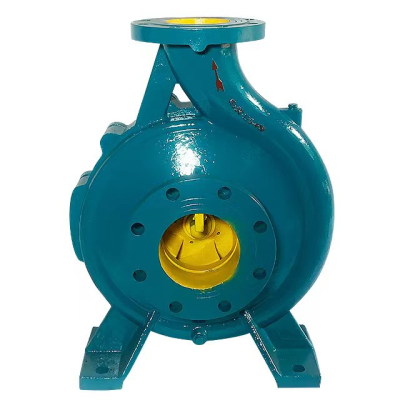
Product attributes reveal distinct operational characteristics, including motor-driven types, horizontal and vertical shaft orientations, and various casing designs such as vertical joint surfaces and horizontal split pumps. Impeller configurations vary from single-suction to closed designs, with working pressures classified as either middle or high pressure. These variations dictate the pump’s suitability for specific tasks, such as transferring clean water, handling biofuels, or supporting HVAC systems. Understanding these structural differences is essential for matching the right pump to the intended fluid dynamics and system pressure requirements.
Technical Specifications to Verify
Verifying technical specifications is critical to ensuring pump compatibility with existing infrastructure. Key attributes to confirm include the driving type, which is predominantly motor-driven, and the position of the pump shaft, which can be either horizontal or vertical depending on installation constraints. The impeller design, whether single-suction or closed, directly impacts flow rate and head pressure. Buyers must also assess the working pressure classification, distinguishing between middle-pressure and high-pressure models, to prevent system failure due to over-pressurization or inadequate performance.
Material selection and sealing mechanisms are equally important for longevity and leak prevention. Common materials include cast iron, cast steel, and stainless steel, chosen based on the corrosiveness and temperature of the fluid being pumped. Sealing forms, such as packing seals or mechanical seals, must be verified to ensure they match the fluid’s properties and environmental conditions. Additionally, lubrication forms, like thin oil lubrication, and transmission methods, including direct drive or belt drive, should be confirmed to align with maintenance capabilities and energy efficiency goals.
Compliance and Safety Documentation
Compliance with international standards is a non-negotiable aspect of Centrifugal Pump procurement. Many suppliers adhere to ISO standards, which provide a baseline for quality management and performance testing. Certifications such as CE and ISO are frequently cited, indicating that the products meet European safety and environmental regulations. Buyers should request valid certification documents to verify that the pumps have undergone rigorous testing and meet the required safety thresholds for their intended market.
Hygienic and sanitary levels are particularly relevant for pumps used in food, beverage, or pharmaceutical applications. Products labeled with a sanitary hygienic level and designed for health-related transfers must comply with strict cleanliness standards. Buyers should verify that the pump’s internal surfaces are smooth and free from crevices where contaminants could accumulate. Additionally, customization options, including OEM and ODM support, should be evaluated to ensure that any specialized compliance requirements can be met without compromising the pump’s structural integrity.
Cost Drivers and Commercial Terms
Several factors influence the total cost of ownership for centrifugal pumps, including material quality, pressure rating, and customization requirements. High-pressure pumps and those made from stainless steel typically command higher prices due to the increased manufacturing complexity and material costs. Buyers should also consider the warranty terms, which often range around one year, as a reflection of the manufacturer’s confidence in their product’s durability. Longer warranty periods may indicate higher quality but could come at a premium price.
Packaging and logistics play a significant role in the final cost, with options ranging from standard wooden packing to export woodcases. These protective measures are essential to prevent damage during transit, especially for heavy or delicate components. Buyers should negotiate clear terms regarding packaging standards and shipping responsibilities to avoid unexpected costs. Additionally, supply ability, such as 500 sets per month, should be assessed to ensure that the supplier can meet delivery timelines without compromising quality or incurring rush fees.
Supplier Qualification and Quality Control
Evaluating supplier qualifications is essential to mitigate risks associated with poor manufacturing practices. Buyers should verify the supplier’s place of origin, with many manufacturers located in regions like Hebei, China, or Changsha, Hunan. These locations often have established industrial clusters, but buyers must conduct due diligence to ensure that the specific supplier adheres to consistent quality standards. Requesting references or case studies from similar industries can provide insights into the supplier’s reliability and performance history.
Quality control processes should be transparent and well-documented. Buyers should inquire about the supplier’s testing procedures, including pressure tests and material inspections, to ensure that each pump meets the specified performance criteria. Customization support, such as OEM and ODM services, indicates a supplier’s flexibility and technical capability. However, buyers must ensure that any custom modifications do not void existing certifications or compromise the pump’s safety features. Regular audits and third-party inspections can further validate the supplier’s commitment to quality.
Long-Term Procurement Checks
Long-term procurement success depends on establishing a robust relationship with suppliers and implementing continuous improvement strategies. Buyers should monitor supplier performance metrics, such as delivery times, defect rates, and after-sales support responsiveness. Regular feedback loops can help identify areas for improvement and foster a collaborative environment. Additionally, staying updated on industry trends and technological advancements can help buyers make informed decisions about future upgrades or replacements.
Maintenance and spare parts availability are critical for minimizing downtime and extending the lifespan of centrifugal pumps. Buyers should ensure that the supplier offers a comprehensive range of spare parts, including impellers, seals, and bearings, to facilitate quick repairs. Training programs for maintenance staff can also enhance the efficiency of pump operations and reduce the risk of premature failure. By prioritizing long-term partnerships and proactive maintenance, buyers can achieve significant cost savings and operational reliability over the life of the equipment.
FAQs
What types of centrifugal pumps are available?
Available types include single-suction, vertical, and horizontal pumps with closed impellers. Some models feature middle or high working pressure ratings and are designed for sanitary applications with customizable options.
Can I get custom centrifugal pumps?
Yes, customization is available for specifications like material and model. You can request specific configurations such as cast iron or stainless steel casings to meet unique industrial or agricultural needs.
What certifications do these pumps have?
Many units carry CE and ISO certifications to ensure quality and safety standards. These certifications apply to models like the CDLF4-4 series and support compliance for international trade requirements.
How are the pumps packaged for shipping?
Pumps are typically packed in export wooden cases or standard wooden boxes. This packaging ensures protection during transit and is suitable for various shipping methods to global destinations.
What is the warranty period for these pumps?
The standard warranty period is one year for most Centrifugal Pump models. This coverage applies to manufacturing defects and ensures reliability for industrial and commercial applications.
Which materials are used for pump construction?
Materials include cast iron, cast steel, and stainless steel based on your needs. These options provide durability and resistance to corrosion for diverse fluid handling applications.
What is the supply capacity for orders?
The supply ability is 500 sets per month for standard models. This capacity supports bulk orders while maintaining consistent quality and timely delivery schedules for buyers.