Source Ceramic Cut Candle Jar for Home, Retail, and Events
Compare 30 Ceramic Cut Candle Jar options from verified Chinese manufacturers. Buyers can evaluate volume sizes, custom logo capabilities, and packaging styles to find the right supplier for bulk orders.
Key considerations
Products List


Wholesale 8oz Matte Round Bottom Ceramic Candle Container Ceramic Candle Jar with Lid
$0.35 - $0.65
MOQ: 1000 Pieces


Customize Ceramic Candle Jar Colorful Bulk Ceramic Candle Jar with Logo Print
$0.35 - $2.00
MOQ: 3000 Pieces


Upper Lower Colors Candle Container Antislip Smooth Two Types Ceramic Candle Jars
$0.80 - $1.45
MOQ: 1000 Pieces

Hot Selling Empty Sprayed Colored Candle Container Ceramic Candle Jars with Lids
$0.80 - $1.20
MOQ: 2000 Pieces

Broken Gold Electroplating Candle Jar Straight Bottom Colorful Glass Candle Jar
$0.50 - $2.00
MOQ: 3000 Pieces
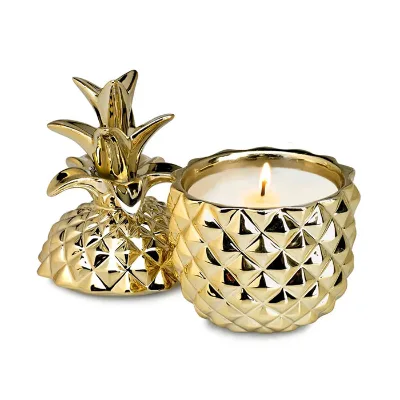


Comprehensive Sourcing Guide
Strategic Sourcing Guide for Ceramic Cut Candle Jars
The global market for home fragrance packaging has seen a significant shift toward premium, sustainable, and aesthetically versatile containers. Among these, the Ceramic Cut Candle Jar represents a specific niche where form, function, and regulatory compliance intersect. For procurement professionals, sourcing these items requires a nuanced understanding of material properties, manufacturing capabilities, and supply chain logistics. This guide provides a comprehensive framework for evaluating suppliers and products based on verified industry data and standard procurement practices, ensuring that buyers can make informed decisions without relying on unverified marketing claims.
Technical Specifications and Material Composition
When evaluating ceramic candle jars, the primary technical focus must be on the material composition and dimensional accuracy. The core product category identified in current market listings is the "Ceramic Candle Jar," which often features specific volume capacities ranging from 8oz to 18oz. In metric terms, these correspond to standard capacities such as 240ml, 250ml, 300ml, 500ml, and 1000ml. Buyers must verify that the listed volume matches the internal capacity required for their specific wax formulations, as the "cut" aspect of the jar often implies a specific rim profile or decorative edge that affects the usable volume.
The material itself is critical for heat resistance and safety. High-quality ceramic jars used for candles are typically lead-free and eco-friendly, ensuring that no toxic substances leach into the wax or release harmful fumes when heated. The surface decoration is another key specification; common processes include the application of decal papers or specialized glazes, such as gold pear color glaze, which add aesthetic value but must be tested for thermal stability. The product models observed in the market, such as IDAF1105-74, IDAC210818008, and various TPCC series models, indicate that manufacturers offer distinct designs tailored to different branding needs.
Furthermore, the structural integrity of the jar is paramount. The product is designed to withstand the heat generated by a burning candle without cracking or shattering. Buyers should request technical data sheets that confirm the thermal shock resistance of the ceramic body. While some listings mention "Food Storage" as a usage attribute, the primary application for these specific models is clearly defined as candle containers, specifically for soy candles and luxury empty ceramic jars. The distinction between food-grade and candle-grade ceramics can be subtle, so explicit confirmation of the intended use is necessary to ensure compliance with safety standards.
Compliance, Certification, and Regulatory Standards
Navigating the regulatory landscape for ceramic products is essential for international trade. The Harmonized System (H.S.) Code for these items is typically classified under 7010902000, which covers glass or ceramic containers for the transport or packaging of goods. However, compliance goes beyond classification codes. Buyers must verify that the ceramic jars meet specific safety certifications, particularly regarding lead and cadmium content, which are common concerns in ceramic glazes.
One of the high-confidence facts available in the market data is the mention of "Scs" certification. While the specific scope of this certification should be verified with the supplier, it generally indicates a commitment to sustainability or safety standards. Additionally, the attribute "Eco-Friendly Lead Free" is a critical selling point that must be substantiated with laboratory test results. Buyers should not rely solely on the supplier's claim but should request third-party testing reports that adhere to international standards such as FDA regulations for food contact materials (even if used for candles, as a proxy for safety) or specific EU directives for ceramic ware.
The "Inspection: Applicable" attribute suggests that third-party quality inspections are a standard part of the procurement process for these goods. This is a vital control point for buyers to ensure that the final shipment matches the approved samples and meets all regulatory requirements. Without proper certification, products may be rejected at customs or face recalls in the destination market. Therefore, the verification of lead-free status and the validity of any sustainability certifications should be a non-negotiable step in the supplier qualification process.
Cost Drivers and Pricing Dynamics
Understanding the cost structure of ceramic candle jars is crucial for budgeting and negotiation. The observed price range in the market spans from $0.35 to $3.38 USD per unit. This wide variance is driven by several factors, including the complexity of the design, the volume of the order, and the level of customization required. The Minimum Order Quantity (MOQ) is a significant cost driver, with observed ranges varying from 100 to 3000 pieces. A higher MOQ, such as 3000 PCS, often correlates with a lower unit price, while smaller orders may incur a premium.
Customization is another major cost factor. Attributes such as "Custom Logo Accepted," "Customized Round Glass Jar" (often used interchangeably in marketing for ceramic jars), and "Customized Box" packaging add to the production cost. The application of complex surface decorations, like gold pear color glaze or specific decal papers, requires additional labor and quality control steps, which increases the final price. Conversely, standard models with minimal decoration will fall on the lower end of the price spectrum.
The payment terms, typically T/T (Telegraphic Transfer), also influence the financial dynamics of the transaction. Buyers should consider the impact of payment terms on cash flow and risk management. Additionally, the availability of free samples, though often subject to delivery costs, allows buyers to assess quality before committing to large orders, which can mitigate the risk of costly errors. The "More Than 15 Years Experience" attribute of certain suppliers suggests that established manufacturers may offer better pricing stability and value, though this should be weighed against the specific needs of the current project.
Typical Applications and Market Usage
The primary application for ceramic cut candle jars is in the home fragrance industry, specifically for soy candles and luxury candle products. The product description explicitly mentions "Soy Candle Luxury Empty Ceramic Decal Candle Jar," indicating a strong alignment with the premium candle market. These jars are designed to enhance the visual appeal of the candle, often serving as a key differentiator for brands targeting high-end consumers.
Beyond traditional candle usage, the "Food Storage" attribute suggests that some of these ceramic jars may have dual-purpose utility, although this is likely secondary to their primary function. The versatility of the product allows for use in various settings, from retail gift shops to wholesale distributors. The "Customized Round Glass Jar" keyword, while seemingly contradictory to "ceramic," highlights the marketing tendency to group similar container types, reinforcing the need for buyers to clarify material specifications.
The packaging options, including "Carton," "Color Box," "PVC Box," and "Window" packaging, indicate that these jars are often sold as finished retail products. The "Individual Gift Box" option suggests that the jars are frequently marketed as standalone gifts or part of a curated set. This versatility in application means that buyers must consider not only the jar itself but also the packaging requirements of their target market. The ability to customize the logo and color further expands the potential applications, allowing brands to create unique identities for their candle lines.
Supplier Evaluation and Quality Control
Selecting the right supplier is perhaps the most critical step in the procurement process. The market data indicates that suppliers are located in China, with specific mentions of Hunan as a production hub. This regional concentration suggests a mature supply chain with specialized expertise in ceramic manufacturing. However, buyers must conduct thorough due diligence to ensure that the supplier has the capacity to meet their specific volume and quality requirements.
Key evaluation criteria should include the supplier's experience, as indicated by the "More Than 15 Years Experience" attribute. This longevity often correlates with consistent quality and reliable production schedules. The availability of "Free Samples" and "Stocking Samples" (though delivery costs may apply) allows buyers to physically inspect the product for defects, finish quality, and dimensional accuracy. The "Custom Sample" option, which is "to Be Negotiated," provides flexibility for unique design requirements.
Quality control should be integrated into every stage of the procurement process. The "Inspection: Applicable" attribute confirms that third-party inspections are feasible and recommended. Buyers should establish clear quality standards, including checks for surface defects, glaze consistency, and structural integrity. The "Pallet or Carton Packaging" and "Normal Safety Export Box" options indicate that suppliers are aware of the need for secure shipping, but buyers should verify that the packaging is sufficient to prevent breakage during transit. Regular communication and clear documentation of quality expectations are essential to maintain high standards throughout the production run.
Long-Term Procurement Considerations
Sourcing ceramic candle jars is not a one-time transaction but a long-term strategic partnership. Buyers should consider the scalability of the supplier's production capabilities. The observed MOQ ranges from 100 to 3000 pieces, which offers flexibility for startups and established brands alike. However, as demand grows, the ability to scale production without compromising quality or lead times becomes crucial.
Sustainability is another long-term consideration. The "Eco-Friendly Lead Free" attribute aligns with growing consumer demand for environmentally responsible products. Buyers should prioritize suppliers who demonstrate a commitment to sustainable practices, such as using recycled materials or energy-efficient manufacturing processes. The "Scs" certification mentioned in the data supports this trend, but buyers should verify the specific criteria and scope of such certifications.
Finally, the relationship with the supplier should be built on trust and transparency. Clear communication regarding payment terms, lead times, and quality standards is essential. The "T/T" payment term is standard, but buyers should negotiate terms that protect their interests while ensuring the supplier has the necessary cash flow to operate. By focusing on these long-term factors, buyers can secure a reliable supply chain that supports their brand's growth and reputation in the competitive home fragrance market.
FAQs
What volume capacities are available for ceramic cut candle jars?
Available volumes range from 8oz to 18oz, which correspond to 240ml, 250ml, 300ml, 500ml, and 1000ml. These capacities are designed to accommodate various wax formulations while maintaining structural integrity for candle use.
Can I request a custom logo on the ceramic candle jar?
Yes, custom logos are accepted and can be applied using decal papers or specialized glazes like gold pear color. Buyers should note that customization may affect the unit price and requires negotiation for sample costs.
What is the minimum order quantity for these ceramic jars?
The minimum order quantity typically ranges from 100 to 3000 pieces depending on the specific model and customization level. Standard models often have an MOQ of 1000 pieces, while larger or custom orders may require 3000 pieces.
Are these ceramic jars certified as lead-free and eco-friendly?
The products are described as eco-friendly and lead-free, with some listings mentioning SCS certification. Buyers should verify third-party test results to ensure compliance with safety standards for thermal stability and material safety.
How are the ceramic candle jars packaged for shipping?
Jars are packed in cartons, color boxes, or palletized shipments to ensure safety during transit. Options include normal safety export boxes, individual gift boxes, or PVC boxes with windows, depending on the specific product model.
What payment terms are standard for ordering these jars?
The standard payment term is T/T, or Telegraphic Transfer. This method is widely used for international trade and allows for secure transactions between buyers and suppliers based in China.
Can I get a free sample before placing a bulk order?
Free stocking samples are available, though the buyer usually covers delivery costs. Custom samples may be negotiated separately, allowing buyers to verify quality and design before committing to a larger purchase.