Source Chainsaw Carburetor for Brushcutters, Chainsaws, and Garden Tools
Find 30 verified listings for Chainsaw Carburetor compatible with Husqvarna and Stihl models. Buyers can compare specifications, certifications, and pricing for agricultural and garden applications. Options include heavy duty and durable parts with various packing methods and delivery times from Zhejiang and Fujian suppliers.
Key considerations
Products List


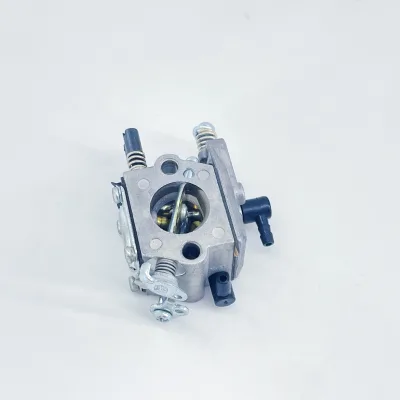
Carburetor Replace Husq 281/288 Chainsaw
$1.99 - $19.99
MOQ: 399 Pieces
Ningbo Eastar Electromechanical Industrial Trading Co., Ltd.


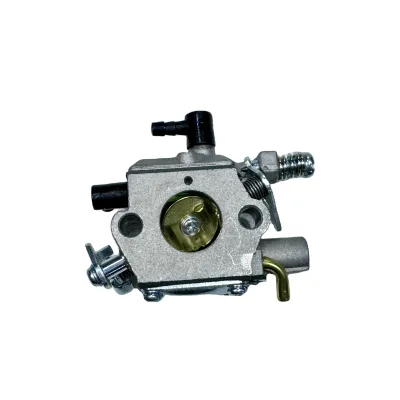
044 Ms440 046 Ms460 HD Carburetor Carb
$7.59 - $8.09
MOQ: 299 Pieces
Ningbo Eastar Electromechanical Industrial Trading Co., Ltd.
Comprehensive Sourcing Guide
Chainsaw Carburetor Sourcing Guide
Sourcing replacement carburetors for chainsaws requires a disciplined approach to technical compatibility and supply chain reliability. Buyers must navigate a market where generic components often claim broad applicability, yet precise fitment is critical for engine performance. The observed product landscape includes models such as HU136, HU137, HU340, YK3800, MS250, C016, C024, and specific part numbers like 503380022 and 503250010. These identifiers suggest a diverse inventory catering to various engine displacements, ranging from 2500 to 38CC configurations. Procurement teams should treat these model numbers as primary verification points rather than generic descriptors.
The commercial environment for these components is characterized by flexible manufacturing options and varied logistical frameworks. Suppliers frequently offer OEM and ODM customization, allowing buyers to brand parts or adjust specifications for specific market needs. Shipping methods include sea, air, and train transport, indicating that lead times and volume commitments will significantly influence total landed costs. With observed minimum order quantities ranging from one to 399 units, buyers can scale orders based on immediate demand or long-term inventory strategies. Understanding these commercial variables is essential for negotiating favorable terms and ensuring consistent supply continuity.
Product Scope and Observed Listing Signals
The current market signals indicate a strong emphasis on material durability and functional versatility. Products are constructed primarily from iron and aluminum, materials chosen for their resistance to heat and mechanical stress in high-RPM environments. Color options such as white, blue, green, orange, red, yellow, and light yellow suggest aesthetic customization is available, though functional integrity remains the primary concern. The presence of "Heavy Duty" and "Durable" attributes highlights that buyers should prioritize components designed for rigorous agricultural and garden applications. These signals help distinguish between low-cost, short-life parts and those built for professional or commercial use.
Packaging and branding flexibility are prominent features in the observed listings, reflecting the needs of both individual repairers and large-scale distributors. Options range from simple OPP bags and blister cards to customized white boxes and safety cartons. This variety allows buyers to optimize storage efficiency and retail presentation. Furthermore, the availability of logo customization through OEM/ODM services enables brands to maintain a cohesive product identity. Buyers should evaluate packaging options not just for protection during transit but also for their impact on brand perception and unboxing experience in the end-user market.
Technical Specifications to Verify
Verifying technical fitment is the most critical step in preventing costly returns and operational downtime. Buyers must cross-reference the carburetor model number with the specific chainsaw engine model, such as MS240, MS260, or 2500 series engines. The observed data highlights specific fitment requirements, including 38CC and 2500 engine types, which dictate the physical dimensions and mounting interfaces of the carburetor. Discrepancies in these specifications can lead to improper fuel delivery, poor idle stability, or complete engine failure. Therefore, precise model matching is non-negotiable for successful procurement.
Beyond physical fitment, performance standards and weight specifications provide insight into component quality and efficiency. The observed standard of 200g and net weight of 51g for certain parts suggest a range of component densities, which may correlate with material thickness and internal component complexity. Buyers should verify that the carburetor meets the required airflow and fuel mixture standards for their specific engine displacement. Additionally, confirming that the product is designed for the intended application, whether general agriculture or professional forestry, ensures that the component can withstand the operational stresses of its intended use without premature degradation.
Compliance and Safety Documentation
Regulatory compliance is a foundational requirement for importing and selling chainsaw components in global markets. The observed certifications include CCC, ISO, CE, and RoHS, which indicate adherence to specific regional and international safety and environmental standards. CE certification is particularly crucial for European markets, ensuring that the product meets essential health and safety requirements. RoHS compliance confirms that the component is free from specific hazardous substances, which is increasingly important for environmental regulations and corporate sustainability goals. Buyers must request valid certification documents to verify that these claims are substantiated by accredited testing bodies.
Safety documentation extends beyond certifications to include clear usage and maintenance guidelines. Although not explicitly detailed in the observed data, proper documentation should accompany the carburetor to ensure correct installation and tuning. This includes torque specifications for mounting bolts, fuel line connection diagrams, and adjustment procedures for idle and high-speed screws. Providing comprehensive safety information helps end-users avoid accidents caused by improper installation or misuse. Buyers should ensure that suppliers provide multilingual manuals or digital resources to support global distribution and reduce liability risks associated with improper use.
Cost Drivers and Commercial Terms
Several factors influence the final cost of chainsaw carburetors, including material composition, certification requirements, and order volume. The use of iron and aluminum, along with complex internal mechanisms, contributes to the base manufacturing cost. Certifications such as ISO and CE add to compliance expenses, which are often passed on to the buyer. Minimum order quantities ranging from 1 to 399 units allow for flexible purchasing, but larger volumes may secure better unit pricing. Buyers should analyze the total cost of ownership, including shipping and potential customs duties, rather than focusing solely on the unit price.
Lead times and payment terms are significant commercial variables that affect cash flow and inventory management. Observed lead times of 30 days for production and 5-15 days for delivery after confirmation suggest a moderate production cycle. Buyers must align these timelines with their sales forecasts to avoid stockouts or excess inventory. Production capacity of 100,000 pieces per month indicates that suppliers have the infrastructure to handle large orders, but buyers should confirm availability during peak seasons. Negotiating favorable payment terms, such as partial upfront payments and balance upon shipment, can mitigate financial risk and improve working capital efficiency.
Supplier Qualification and Quality Control
Supplier qualification requires a thorough assessment of manufacturing capabilities and quality assurance processes. The observed production capacity of 100,000 pieces per month suggests that suppliers have established production lines and supply chains. Buyers should verify the supplier's ability to maintain consistent quality across large batches. Quality control measures, such as 100% inspection, are critical for identifying defects before shipment. This practice reduces the risk of receiving defective units and ensures that every component meets the specified performance standards. Buyers should request quality control reports or audit results to validate these claims.
Origin and logistical infrastructure also play a role in supplier reliability. Products originate from Zhejiang and Fuding, Fujian Province, regions known for their manufacturing expertise in power tools and components. Buyers should assess the supplier's logistical capabilities, including their experience with international shipping and customs clearance. Reliable suppliers will have established relationships with freight forwarders and can provide tracking information for all shipments. Additionally, suppliers offering a 12-month warranty demonstrate confidence in their product quality and provide buyers with recourse in case of premature failure. This warranty period is a key indicator of long-term product reliability.
Long-Term Procurement Checks
Establishing long-term procurement relationships requires ongoing monitoring of product performance and supplier responsiveness. Buyers should track warranty claims and return rates to identify any recurring quality issues. Consistent performance over time is a strong indicator of supplier reliability and product durability. Regular communication with suppliers regarding new models, such as the HU340 or YK3800, ensures that buyers have access to the latest technology and improvements. Suppliers who actively update their product lines demonstrate a commitment to innovation and market relevance.
Sustainability and ethical sourcing practices are increasingly important for long-term business success. Buyers should verify that suppliers adhere to environmental regulations and labor standards, as indicated by certifications like RoHS and ISO. Transparent supply chains reduce reputational risk and align with corporate social responsibility goals. Additionally, buyers should evaluate the supplier's ability to scale production in response to market demand fluctuations. A supplier with a proven track record of meeting delivery deadlines and maintaining quality standards is essential for building a resilient and competitive supply chain. Continuous evaluation ensures that procurement strategies remain aligned with business objectives.
FAQs
What certifications do the chainsaw carburetors have?
The products hold CCC, ISO, CE, and RoHS certifications. These standards ensure safety and environmental compliance for international buyers. You can verify these documents before placing orders to meet local regulatory requirements for industrial equipment.
Which materials are used for the carburetor construction?
Manufacturers use Iron and Aluminum for construction. These materials provide durability and resistance to wear during heavy-duty operations. The choice depends on the specific model requirements and the intended application for brushcutters or chainsaws.
Can I request custom branding on the products?
Yes, customization is available for logos and packaging. Buyers can choose OEM or ODM services to brand items with their own designs. This option allows businesses to create unique product lines while maintaining high quality standards.
What is the typical lead time for delivery?
The standard lead time is 30 days after order confirmation. Some specific items may be delivered within 5 to 15 days depending on stock availability. Production capacity reaches 100,000 pieces per month to support large volume orders efficiently.
Where are these carburetors manufactured and shipped from?
Products originate from Zhejiang and Fuding, Fujian Province in China. Shipping is available via sea, air, or train to global destinations. This logistics flexibility ensures timely delivery regardless of the buyer's location or specific shipping requirements.
What warranty is provided for these carburetor parts?
A 12-month warranty covers the products against manufacturing defects. Quality control includes 100% inspection before shipment to ensure reliability. This guarantee protects buyers and ensures the parts function correctly for agriculture and garden applications.