Source Face ID Smart Storage Locker for Airport, School, and Gym
Explore 30 listings for Face ID Smart Storage Locker units designed for secure access in airports, schools, and gyms. Buyers can compare models like SL79 and SL380, noting features such as electronic keypad locks, cold rolled steel construction, and customizable dimensions for various facility needs.
Key considerations
Products List


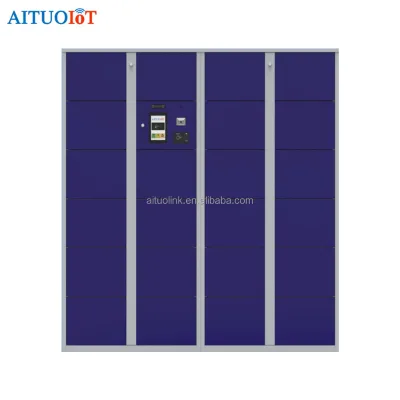
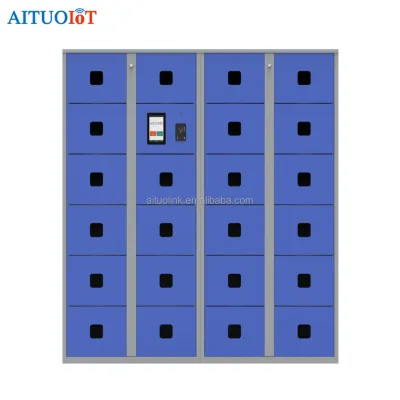


Smart Face Recognition Security Locker for Plywood Storage Solutions
$1000.00 - $5000.00
MOQ: 1 Pieces


Comprehensive Sourcing Guide
Strategic Sourcing Guide for Face ID Smart Storage Lockers
Understanding the Product Category and Core Specifications
The modern procurement landscape for secure storage solutions has shifted significantly toward biometric integration, with face ID smart storage lockers emerging as a high-demand category for sectors requiring high-throughput access and enhanced security. When sourcing these units, buyers must first distinguish between general smart cabinets and those specifically engineered with facial recognition capabilities. The observed product attributes indicate a diverse range of configurations, including models identified by specific codes such as SL79, SL380, SL81, SL82, SL56, SL65, OR-SL-BS12, and HH-SCD002. These identifiers suggest that manufacturers offer modular systems rather than a single monolithic product, allowing for customization based on facility needs.
The physical construction of these lockers is a primary consideration for durability and longevity. The supplied data highlights that the primary materials used are Cold Rolled Steel Plate and Galvanized Sheet, with some variants utilizing Stainless Steel. This material selection is critical for environments exposed to moisture or heavy usage, such as swimming pools, gyms, and airports. The thickness of the steel is a variable specification, observed in the range of 0.4mm to 1.2mm. Buyers should note that while some units are specified at 0.6-1.2mm, others may be listed as thin as 0.4mm. This variance directly impacts the structural integrity and security level of the locker. A thickness of 1.2mm generally offers superior resistance to forced entry compared to 0.4mm, making the selection of the appropriate gauge dependent on the security risk profile of the intended installation site.
The dimensions of these units are equally standardized yet flexible. Common specifications observed include a height of 1800mm, with widths ranging from 850mm to 900mm and depths between 450mm and 500mm. Specific standard dimensions noted include H1800W850D460mm and H1980W900D500mm. The "Combined Type" structure allows for modular expansion, enabling facilities to stack or arrange units to fit specific spatial constraints. The installation method is predominantly floor-mounted, which provides stability and prevents tipping, a crucial safety feature in high-traffic areas like schools and hospitals. The open type mechanisms vary, with some units utilizing push-pulling actions while others feature electronic barcode or keypad locks. For the specific "face ID" requirement, buyers must verify that the electronic locking mechanism supports biometric integration, as the standard listings mention electronic keypad locks and combination locks as common features.
Compliance, Certification, and Security Standards
In the realm of smart storage, compliance is not merely a regulatory checkbox but a fundamental aspect of operational safety and data privacy. While the supplied product facts mention a "Grade A" standard and an origin in China, specifically Henan, buyers must conduct rigorous due diligence regarding international certifications. The term "Grade A" is an internal classification and does not automatically equate to recognized international safety or quality standards such as ISO 9001 for quality management or ISO 27001 for information security. Since the core keyword involves face ID technology, the procurement of these units triggers significant data privacy considerations. The facial recognition data is biometric information, which is subject to strict regulations in many jurisdictions, including the GDPR in Europe and various state-level laws in the United States.
Buyers must verify that the supplier can provide evidence of compliance with local data protection laws. The product listing notes "OEM & ODM Accepted" and "Note: OEM & ODM Accepted," indicating that manufacturers are willing to customize the software and hardware. This customization capability is a double-edged sword; while it allows for tailored solutions, it also introduces the risk of non-compliant software configurations if not managed correctly. The buyer should request documentation confirming that the facial recognition algorithm processes data locally on the device rather than transmitting it to an unsecured cloud server, unless the cloud infrastructure meets specific security certifications.
Furthermore, the electrical and fire safety standards of the locker units must be verified. The units are constructed from metal, which is non-combustible, but the internal electronic components, including the face ID sensors and locking mechanisms, must meet relevant electrical safety standards. In many markets, this requires certifications like CE, UL, or ETL. The absence of explicit certification data in the provided product facts means that the buyer cannot assume compliance based on the listing alone. It is essential to request third-party test reports for the electronic components to ensure they do not pose a fire hazard or an electrical shock risk. The "Durable, Scratch Resistant, Rust Resistant" features mentioned are valuable, but they should be backed by independent test results rather than manufacturer claims.
Cost Drivers and Pricing Dynamics
The pricing for face ID smart storage lockers is influenced by a complex interplay of material costs, technological integration, and order volume. The observed price range in the market spans from $80 to $5,000 USD. This wide disparity is not indicative of quality variance alone but reflects the differences in unit configuration, material thickness, and the sophistication of the locking mechanism. A unit priced at the lower end of the spectrum likely utilizes thinner steel (0.4mm), fewer compartments, or a simpler electronic lock without advanced biometric features. Conversely, the higher price points likely correspond to units with thicker steel (1.2mm), stainless steel construction, larger dimensions, and integrated face ID systems with robust encryption.
The Minimum Order Quantity (MOQ) is another significant cost driver. The observed MOQ range is between 1 and 200 units. Suppliers with a lower MOQ of 1 unit may charge a premium per unit to cover setup and shipping costs, making them suitable for small-scale pilot projects or single-unit replacements. However, for large-scale deployments in airports, hospitals, or schools, negotiating an MOQ closer to 200 units can significantly reduce the per-unit cost. The specific listing mentions an MOQ of 20PCS, which suggests a middle ground for medium-sized orders. Buyers should be aware that the "Custom Color" and "Customized" options, while adding value, may incur additional tooling or setup fees, especially if the order quantity is below the threshold for mass production.
Shipping and packaging also contribute to the total cost of ownership. The product notes indicate that packing can be "as You Request" or "Carton," with shipping options available. For international procurement, the origin in Henan, China, implies that freight costs will be a variable factor dependent on the Incoterms agreed upon. Buyers should calculate the landed cost, including duties and taxes, rather than focusing solely on the FOB price. The "30 Years Experience" advantage claimed by some suppliers may correlate with more efficient manufacturing processes, potentially offering better value, but this claim requires verification through customer references and past project portfolios.
Typical Applications and Usage Scenarios
The versatility of smart storage lockers allows them to be deployed across a wide array of environments, each with unique security and accessibility requirements. The observed usage categories include Living Rooms, Bedrooms, Offices, Schools, and Studies, indicating a potential for residential and light commercial use. However, the application list extends significantly to high-security and high-traffic public spaces such as Airports, Hospitals, Gyms, Clubs, and Swimming Pools.
In airport environments, the demand for speed and hygiene is paramount. Face ID technology eliminates the need for physical keys or cards, reducing contact points and streamlining the check-in process for travelers storing luggage or personal items. The "Durable" and "Rust Resistant" features are particularly relevant for airport settings where units may be exposed to varying humidity levels and heavy usage. Similarly, in hospital settings, the lockers serve as secure storage for staff belongings or patient items. The "Modern" style and "Custom Color" options allow these units to blend seamlessly with clinical aesthetics while providing the necessary security for sensitive areas.
For educational institutions like schools and universities, the lockers provide a secure solution for students to store laptops, books, and personal items. The "Electronic Barcode Lockers" and "Electronic Keypad Lock" options offer flexibility in access control, allowing administrators to manage access via codes or biometrics. In recreational facilities such as gyms and swimming pools, the "Rust Resistant" attribute is critical due to the high humidity and water exposure. The "Floor Mount" installation ensures stability in wet environments, preventing accidents. The "Storage Solution" function is central to all these applications, providing a reliable method for managing personal property in shared spaces.
Supplier Evaluation and Manufacturing Capabilities
Evaluating a supplier for face ID smart storage lockers requires a deep dive into their manufacturing capabilities and track record. The provided facts indicate that the products originate from China, specifically Henan, and that the manufacturers accept OEM and ODM orders. This suggests a flexible production model capable of customizing products for specific client needs. However, the presence of "30 Years Experience" as a claimed advantage necessitates verification. Buyers should request a list of past projects, specifically those involving biometric integration, to confirm the supplier's expertise in this niche.
The ability to customize is a key differentiator. The "Custom Color," "Customized" attributes, and "prod_packing: as You Request" indicate that suppliers are willing to adapt the product to the buyer's branding and logistical requirements. When evaluating suppliers, buyers should assess their R&D capabilities, particularly regarding the face ID technology. Does the supplier develop the software in-house, or do they integrate third-party modules? In-house development often implies better long-term support and the ability to update security protocols as threats evolve.
Quality control processes are another critical evaluation metric. The "Grade A" standard mentioned in the product facts is a starting point, but buyers should inquire about the supplier's internal quality assurance protocols. Do they conduct 100% testing of the electronic locking mechanisms? What is their rejection rate for defective units? The "Combined Type" structure and "Folded" options suggest a modular design that must be assembled with precision. Buyers should request photos or videos of the assembly process to ensure that the craftsmanship meets their standards. Additionally, the "Product Range" covering Office Buildings and Flat Houses indicates a broad market reach, which can be a positive sign of market validation, but buyers should seek references from clients in similar industries to their own.
Quality Control and Long-Term Procurement Considerations
Ensuring the long-term reliability of face ID smart storage lockers requires a proactive approach to quality control and maintenance planning. The observed specifications, such as the thickness range of 0.4mm to 1.2mm and the use of Cold Rolled Steel or Stainless Steel, provide a baseline for durability. However, the longevity of the electronic components, particularly the face ID sensors and locking mechanisms, is equally important. Buyers should verify the expected lifespan of these components and the availability of spare parts. The "Note: OEM & ODM Accepted" feature suggests that the supplier may be able to provide custom spare parts, but this should be confirmed in the contract.
Maintenance is a critical aspect of long-term procurement. The "Electronic Keypad Lock" and "Face ID" systems require regular software updates to patch security vulnerabilities. Buyers should establish a clear agreement with the supplier regarding software support and update frequency. The "Installation: Floor Mount" requirement means that the initial installation must be precise to ensure the lockers remain stable over time. Any misalignment can lead to mechanical failure or security breaches.
Furthermore, the "Scratch Resistant" and "Rust Resistant" features are marketing claims that must be validated through long-term usage data. Buyers should request case studies or testimonials from existing clients who have used these units in harsh environments for several years. The "MOQ: 20PCS" and the wide price range suggest that buyers have flexibility in scaling their orders, but they must balance the initial investment with the total cost of ownership. A lower initial cost might result in higher maintenance costs if the materials or electronics are of inferior quality.
In conclusion, sourcing face ID smart storage lockers involves a careful balance of technical specifications, compliance requirements, cost considerations, and supplier capabilities. By leveraging the observed product facts and conducting thorough due diligence, buyers can secure high-quality storage solutions that meet the diverse needs of modern facilities. The key is to move beyond the surface-level attributes and verify the underlying quality, security, and support structures that ensure the long-term success of the procurement project.
FAQs
What materials are used for face id smart storage lockers?
These lockers are primarily constructed from cold rolled steel plate, galvanized sheet, or stainless steel. The steel thickness varies between 0.4mm and 1.2mm depending on the specific model and security requirements.
Which lock types are available for these smart storage units?
Available locking mechanisms include electronic keypad locks, combination locks, key locks, pad locks, cam locks, and code locks. Some models specifically feature electronic barcode lockers for enhanced access control.
Can these lockers be customized for specific facility needs?
Yes, customization is available for color, dimensions, and packaging to suit specific client requests. Manufacturers accept OEM and ODM orders to tailor the product range and features for different applications.
What are the standard dimensions for these storage cabinets?
Common dimensions include a height of 1800mm, width of 850mm, and depth of 460mm. Other standard sizes vary slightly, such as 1980mm in height with 900mm width and 500mm depth.
Where are these smart cabinets typically installed?
These units are designed for floor mounting to ensure stability in high-traffic areas. They are suitable for diverse locations including airports, hospitals, schools, gyms, clubs, and swimming pools.
What is the minimum order quantity for purchasing these lockers?
The minimum order quantity ranges from 1 to 200 units depending on the supplier and customization level. Some specific listings indicate a standard MOQ of 20 pieces for general orders.
How durable are these metal storage lockers in wet environments?
The lockers are built to be durable, scratch resistant, and rust resistant to withstand various conditions. Stainless steel variants and galvanized sheets are particularly effective for humid areas like swimming pools.