Source Chameleon Flakes Nail Polish for Nails, Resin, and Craft
Explore 30 listings for Chameleon Flakes Nail Polish, featuring transparent aurora color-shifting pigments in various particle sizes. Compare specifications from Chinese manufacturers to find suitable inorganic pigments for nail gel, resin art, and craft applications; compare the available evidence and request quotations based on your requirements.
Key considerations
Products List




Comprehensive Sourcing Guide
Chameleon Flakes Nail Polish Sourcing Guide
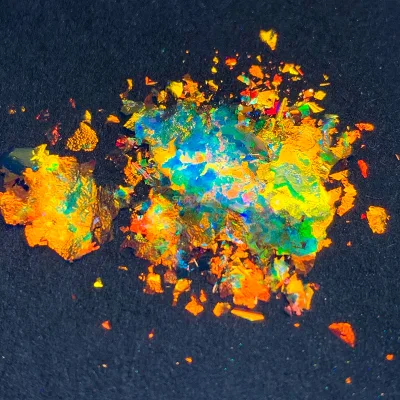
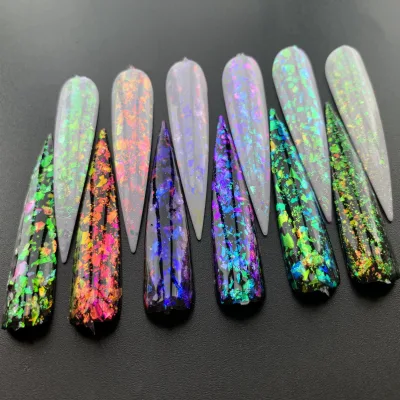
Procuring chameleon flakes for nail polish requires distinguishing between general cosmetic pigments and specialized optical effect materials. The market offers products described as transparent flakes with aurora color-shifting properties, specifically designed for applications like nail gel polish, resin casting, and general craft projects. Buyers must verify that the listed particle size, typically ranging from 100 to 2000 micrometers, aligns with the desired visual texture and application method for their specific formulation.
Commercial listings often present these items as inorganic pigments with a distinct style of color change observed from different viewing angles. While some suppliers list the material as synthetic, the core functionality relies on the physical structure of the flakes rather than a chemical reaction. Sourcing decisions should prioritize suppliers who explicitly define the product form as irregular flakes or transparent flakes, ensuring the optical effect matches the intended aesthetic for professional nail art or cosmetic manufacturing.
Product Scope and Observed Listing Signals
Buyers should expect to encounter product names such as "Eye Shadow Opal Flakes Pigment" or "Chameleon flakes eyeshadow" when searching for these materials. The observed listings frequently highlight a series of transparent chameleon effects, with specific model numbers like GSH01L-07L or CA821 through CA826 indicating different color variations. These variations often shift between colors like yellow, blue, red, and green, providing a dynamic visual experience that is critical for high-end nail polish formulations.
The physical presentation of these goods varies significantly across different supplier listings, with single package sizes ranging from 10x10x10 cm to 20x20x20 cm. This inconsistency in packaging dimensions suggests that buyers must carefully review the gross weight and volume specifications before placing an order. Understanding whether the product is sold as a single item or in bulk quantities is essential for logistics planning, as the selling units and packaging formats directly impact shipping costs and storage requirements.
Technical Specifications to Verify
The particle size distribution is a critical technical parameter that determines how the flakes behave within a nail polish base. Observed specifications indicate ranges such as 100-1500 micrometers or 100-2000 micrometers, which influence the final finish and the intensity of the color-shifting effect. Buyers must confirm the exact micron range required for their specific application, as larger flakes may settle differently or create a coarser texture compared to finer particles in the same product line.
Solubility and material composition are equally vital for formulation stability. These flakes are generally insoluble and classified as inorganic or synthetic pigments, meaning they do not dissolve but suspend within the polish matrix. Verification of the material type ensures compatibility with resin and gel systems, preventing issues like clumping or separation. Additionally, the shape of the flakes, often described as irregular, plays a significant role in how light reflects off the surface, creating the desired aurora or chameleon effect.
Compliance and Safety Documentation
Safety documentation is a non-negotiable requirement when sourcing cosmetic-grade pigments for nail applications. Reputable suppliers typically provide Material Safety Data Sheets (MSDS) and Certificates of Analysis (COA) to verify the chemical composition and safety profile of the product. These documents are essential for ensuring that the chameleon flakes meet regulatory standards for cosmetic use and do not contain prohibited substances that could harm consumers or violate import regulations.
Beyond basic safety sheets, buyers should look for additional technical data sheets (TDS) that detail the physical properties and handling instructions. Some listings mention certifications like ETC, which may include further environmental or quality assurances. It is crucial to confirm that the provided documentation is current and specific to the batch being purchased, as the absence of a valid MSDS or COA can lead to significant compliance risks and potential rejection of the product by regulatory bodies.
Cost Drivers and Commercial Terms
Pricing for chameleon flakes can vary widely, with observed ranges extending from nominal amounts to several hundred dollars depending on the quantity and specific color series. The minimum order quantity (MOQ) is a primary cost driver, with some suppliers requiring orders as low as 10 grams per color, while others may have higher thresholds. Buyers need to calculate the total landed cost, including shipping and potential customs duties, to determine the true economic viability of the purchase.
Payment terms and delivery timelines also significantly influence the commercial agreement. Common payment methods include T/T, PayPal, and Western Union, offering flexibility for different buyer preferences. Lead times can range from within three days to seven to nine working days, depending on the supplier's inventory status and location. Understanding these commercial variables helps buyers manage cash flow and ensure that the product arrives in time for their production schedules or marketing campaigns.
Supplier Qualification and Quality Control
Supplier qualification involves verifying the place of origin and the consistency of their product offerings. Many listings indicate a place of origin in Guangdong, China, a region known for its manufacturing capabilities in cosmetic ingredients. Buyers should assess the supplier's ability to maintain consistent quality across different batches, as variations in particle size or color intensity can affect the final product's performance and consumer satisfaction.
Quality control measures should be explicitly discussed during the negotiation phase. Buyers must inquire about the supplier's internal testing protocols and whether they offer samples for evaluation before committing to a larger order. The availability of customization options allows buyers to tailor the product to their specific needs, but this requires a high level of trust in the supplier's ability to execute precise specifications. Establishing a clear quality assurance framework is essential for maintaining brand integrity.
Long-Term Procurement Checks
Sustaining a reliable supply chain for chameleon flakes requires ongoing monitoring of supplier performance and product consistency. Buyers should regularly review the technical data and safety documentation to ensure that the product continues to meet evolving regulatory standards. This proactive approach helps mitigate risks associated with supply chain disruptions or changes in material composition that could impact the final nail polish formulation.
Building a long-term relationship with a qualified supplier can lead to better pricing and priority treatment during high-demand periods. Buyers should maintain open communication regarding future needs and potential customization requests to ensure the supplier can scale production accordingly. Regular audits of the supplier's quality control processes and adherence to agreed-upon specifications will help maintain the high standards required for professional cosmetic products in a competitive market.
FAQs
What is the particle size range for these chameleon flakes?
The particle size ranges from 100 to 2000 micrometers, with specific batches available in 100-1500 micrometers. This irregular flake shape allows for versatile application in nail polish and resin crafts. The transparent format ensures the color-shifting effect remains visible and vibrant across different viewing angles.
Can I order samples before purchasing bulk quantities?
Yes, samples can be negotiated directly with the supplier. This allows buyers to verify the aurora color change effect and texture before committing to larger orders. The minimum order quantity is typically 10 grams per color, making it easy to test specific shades like CA821 through CA826.
What certifications are provided for these cosmetic pigments?
The product comes with MSDS, COA, and TDS documentation to ensure safety and quality compliance. These technical data sheets verify the material is non-toxic and environmentally friendly. Buyers can rely on these certifications for regulatory requirements when using the flakes in cosmetic applications like nail gel polish.
How long does delivery take after payment?
Delivery time is typically 7 to 9 working days, though some sources indicate a lead time within 3 days. Payment can be made via T/T, PayPal, or Western Union. This relatively fast turnaround supports efficient inventory management for businesses sourcing chameleon flakes for nail polish and craft resin projects.
Which colors are available in the transparent chameleon series?
Available colors include yellow, blue, red, and green, specifically identified as CA821 through CA826. These flakes exhibit a color-shifting pattern from different viewing angles. The inorganic pigment style ensures durability and vibrant aurora effects when mixed into nail polish, resin, or other craft applications.
Is customization available for these chameleon flakes?
Customization is available to meet specific buyer requirements. The supplier offers flexible options for packaging and potentially particle size adjustments within the observed ranges. Buyers can negotiate sample availability and order quantities, ensuring the product fits their specific nail polish or resin craft manufacturing needs effectively.