Source Chinese Fresh Potato with Soil for Chips, Fries, and Stews
Compare 30 listings for Chinese Fresh Potato with Soil sourced from Shandong. Options include round, obround, and oval varieties with shelf lives up to half a year, packed in mesh bags or cartons for global export; compare the available evidence and request quotations based on your requirements.
Key considerations
Products List


Comprehensive Sourcing Guide
Chinese Fresh Potato with Soil Sourcing Guide
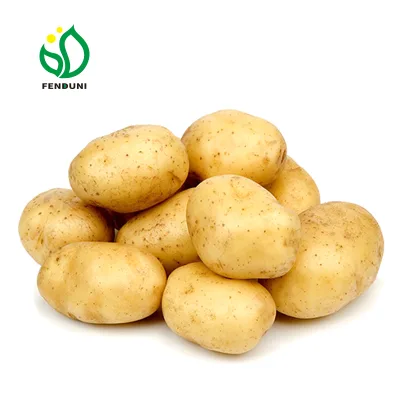
Sourcing fresh potatoes from China requires careful attention to the specific maturation cycles and physical characteristics observed in current listings. Buyers should verify whether the supplier offers early, medium, or late-maturing varieties, as these directly impact harvest timing and market availability. The observed product data indicates a range of shapes including round, obround, and oval forms, which suggests that procurement teams must define their preferred geometry before engaging with potential vendors to ensure the final product matches culinary or processing requirements.
Commercial terms for these agricultural goods often involve significant flexibility in packaging and shipping methods. Listings show options ranging from bulk mesh bags to cartons, with weights varying from 10kg to 20kg per unit. Transportation is typically arranged via sea or road, and storage conditions are critical, with many suppliers specifying cold storage or temperatures between 0-2 degrees Celsius to maintain freshness. Procurement professionals must align their logistics capabilities with these specific storage and transit requirements to prevent spoilage during the supply chain.
Product Scope and Observed Listing Signals
The market for Chinese fresh potatoes presents a diverse array of product models and size specifications that buyers must navigate carefully. Current listings display models ranging from specific codes like WN-06 to generic descriptions such as Fresh Potato, with size standards varying from 50g up to 300g or larger. This variation implies that a single order might encompass multiple size grades, requiring buyers to clearly specify their desired weight ranges, such as 100-150g or 200g and up, to avoid receiving mixed or non-compliant shipments.
Observations of the product scope also reveal distinct packaging strategies that influence handling and storage efficiency. Suppliers frequently offer bulk packing in mesh bags or cartons, with some listing custom packaging options to meet specific client needs. The presence of both "Fresh" and "Frozen" attributes in the data suggests that buyers must explicitly confirm the state of the product, as the shelf life and storage temperature requirements differ drastically between fresh tubers intended for immediate food use and frozen products designed for long-term preservation.
Technical Specifications to Verify
Buyers must rigorously verify the physical dimensions and grading standards of the potatoes to ensure they meet processing or retail specifications. The observed data includes specific size ranges like 8.0cm or weight bands such as 150-300g, but these are not universal standards for all suppliers. Procurement teams should request detailed size charts for each lot, as the "All sizes" designation in some listings indicates a lack of uniformity that could disrupt automated sorting or packaging lines in the buyer's facility.
Storage and shelf life parameters are equally critical technical factors that require immediate confirmation before finalizing any purchase agreement. While some listings cite a shelf life of half a year or even over twelve months, these figures often depend on the specific storage method employed, such as cold storage or frozen conditions. Buyers need to validate the actual storage temperature, which is noted as 0-2 degrees Celsius for fresh varieties, to ensure the supply chain maintains the necessary thermal conditions to prevent sprouting or decay during transit.
Compliance and Safety Documentation
Ensuring that imported potatoes meet international safety standards is a primary concern for any procurement operation involving agricultural goods. The available data highlights that some suppliers hold HACCP and ISO 9001:2000 certifications, which are essential for demonstrating a commitment to food safety management systems. However, buyers should not assume all listed products carry these credentials and must explicitly request current certification documents to verify that the specific batch being sourced adheres to these rigorous safety protocols.
Beyond general certifications, buyers must also address phytosanitary requirements and soil regulations, particularly given the core keyword focus on potatoes with soil. While the provided facts mention the product origin as Shandong and China, they do not explicitly detail soil removal processes or phytosanitary certificates. It is imperative for buyers to confirm that the supplier has the necessary documentation to clear customs, as many importing countries strictly prohibit soil contamination to prevent the introduction of pests and diseases.
Cost Drivers and Commercial Terms
The cost structure for Chinese fresh potatoes is heavily influenced by the minimum order quantities and the specific packaging configurations selected by the buyer. Observed data indicates a wide range of MOQs, from as low as 1 ton to as high as 1450 tons, with some specific listings requiring a 10-ton minimum. This variability means that smaller buyers may face higher per-unit costs or limited supplier options, while larger volume purchasers can negotiate more favorable terms based on the scale of their commitment.
Pricing and payment terms are further complicated by the diverse export markets and the specific model codes associated with different product grades. The listings show a broad price range in USD, suggesting that costs fluctuate based on variety, size, and seasonality. Buyers should clarify whether the quoted price includes all packaging materials, such as mesh bags or cartons, and confirm if the price is fixed for the duration of the contract or subject to market volatility, as agricultural commodities are inherently prone to price shifts.
Supplier Qualification and Quality Control
Evaluating supplier qualifications requires a deep dive into their production capabilities and their ability to maintain consistent quality across different harvest cycles. The data mentions specific brands like Luckyfoods and various product models, indicating that some suppliers have established reputations and standardized production lines. However, buyers must verify that the supplier can consistently deliver the "Grade A" or "Grade 1" quality observed in the listings, rather than relying on marketing claims that may not apply to every shipment.
Quality control processes should extend beyond the initial inspection to include monitoring during the transit phase, given the perishable nature of fresh potatoes. Since the observed transit methods include sea or road transport, buyers need to ensure that the supplier has robust protocols for temperature monitoring and humidity control throughout the journey. It is advisable to request third-party inspection reports or sample testing results to validate that the potatoes arrive in the expected condition, free from rot or excessive damage.
Long-Term Procurement Checks
Establishing a long-term procurement relationship with Chinese potato suppliers involves regular audits of their storage facilities and harvest schedules. The observed data points to specific storage temperatures and methods, but these conditions must be maintained consistently over time to guarantee product integrity. Buyers should schedule periodic visits or remote audits to verify that the cold storage infrastructure remains operational and that the supplier adheres to the agreed-upon storage temperatures of 0-2 degrees Celsius.
Continuous monitoring of variety performance and market trends is also essential for maintaining a resilient supply chain. As the data indicates the availability of early, medium, and late-maturing varieties, buyers should track how these different cycles affect supply stability and pricing throughout the year. By maintaining a diverse portfolio of suppliers and varieties, procurement teams can mitigate risks associated with seasonal shortages or unexpected disruptions in the agricultural sector.
FAQs
What varieties of fresh potatoes are available from Shandong suppliers?
Suppliers offer early, medium, and late maturing varieties of fresh potatoes. These tubers are typically round, obround, or oval in shape. The produce is classified as Grade A or Grade 1, ensuring consistent quality for international buyers seeking reliable agricultural sources.
Can I customize the packaging for bulk fresh potato orders?
Yes, customization is available for packaging requirements. Options include bulk packing in 20kg mesh bags or 10kg cartons. Buyers can also request specific bag and carton combinations to suit their logistics needs, ensuring the fresh potatoes remain protected during transit.
What are the standard weight specifications for fresh potato exports?
Standard specifications range from 50g to over 300g per tuber. Common size categories include 80-150g, 100-200g, and 150-250g. These dimensions allow buyers to select the exact size required for their processing lines or retail distribution channels effectively.
How should fresh potatoes be stored to maintain quality?
Fresh potatoes require cold storage at temperatures between 0-2 degrees Celsius. This method preserves the tubers for up to half a year. Proper storage prevents sprouting and ensures the produce remains fresh and suitable for food purposes throughout the supply chain.
Which certifications do Chinese fresh potato suppliers typically hold?
Many suppliers hold HACCP and ISO9001:2000 certifications. These standards verify that the production and handling processes meet international quality and safety requirements. Buyers can rely on these credentials when sourcing fresh potatoes for global export markets and strict regulatory environments.
What is the typical minimum order quantity for fresh potatoes?
The minimum order quantity varies, with some suppliers requiring 10 tons. Other listings indicate an MOQ of 1 unit, allowing for flexible purchasing. Buyers should verify specific MOQs with vendors to align their order volume with supplier capacity and logistics planning.