Source China Utility Vehicle for Farm, Construction, and Mining
Explore 30 listings of China Utility Vehicle options including gas and electric models with varying capacities and speeds. Buyers can compare specifications like fuel type, transmission, and cargo load to find the right equipment for their needs; compare the available evidence and request quotations based on your requirements.
Key considerations
Products List


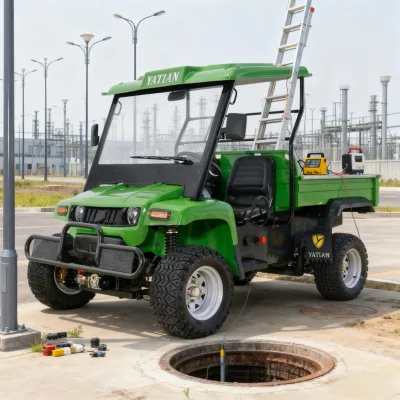


All-Terrain Utility Vehicle with Powerful Gasoing Engine and Cargo Bucket
$1348.00 - $1399.00
MOQ: 1 Pieces


Comprehensive Sourcing Guide
China Utility Vehicle Sourcing Guide
Sourcing utility vehicles from China requires a disciplined approach to distinguishing between gas-powered workhorses and electric models designed for specific operational environments. Buyers must first define their primary use case, whether it involves heavy cargo transport, agricultural tasks, or last-mile logistics, as this decision dictates the entire technical specification profile. The market offers a diverse range of configurations, from traditional internal combustion engines to advanced permanent magnet synchronous motor systems, each with distinct maintenance and operational implications. Understanding these fundamental differences is the first step in aligning procurement goals with supplier capabilities.
The second critical step involves evaluating the supplier’s ability to provide customization and compliance documentation that matches the target market’s regulatory requirements. Many manufacturers offer flexible customization options, allowing buyers to tailor vehicle dimensions, cargo capacities, and powertrain types to specific operational needs. However, this flexibility must be balanced against the need for standardized certifications such as EPA or EEC, which are often mandatory for legal operation in key export markets. Buyers should prioritize suppliers who demonstrate a clear track record in meeting these regulatory standards while maintaining consistent quality control across their production lines.
Product Scope and Observed Listing Signals
The current market landscape for Chinese utility vehicles reveals a wide spectrum of product types, ranging from gas-powered models with 400CC displacement to electric variants equipped with 72V 140AH battery systems. Observed listing signals indicate that manufacturers are catering to both traditional off-road applications and modern urban logistics needs. For instance, gas-powered models like the UTV450X feature automatic transmissions and hydraulic disc brakes, targeting rugged terrain and heavy-duty tasks. In contrast, electric models such as the EV100X 4X4 emphasize quiet operation and zero emissions, making them suitable for indoor or environmentally sensitive areas. These distinct product categories require buyers to carefully assess their operational environment before making a selection.
Price and minimum order quantity (MOQ) ranges further illustrate the diversity of the supply base. Listings show prices ranging from $1 to $280,000, reflecting the vast difference between basic utility carts and complex, fully equipped work vehicles. MOQs typically range from 1 to 100 units, offering flexibility for both small-scale pilots and large fleet deployments. Buyers should note that higher-priced units often include advanced features such as electronic fuel injection, larger cargo beds, and specialized suspension systems. Understanding these price and volume dynamics helps in budgeting accurately and negotiating favorable terms with suppliers who may offer discounts for larger orders.
Technical Specifications to Verify
When evaluating technical specifications, buyers must verify critical parameters such as engine displacement, battery capacity, and cargo load limits to ensure they match operational demands. Gas-powered models often specify a 400CC engine with a compression ratio of 10:01, providing robust power for heavy loads. Electric models, on the other hand, rely on rated power outputs like 10KW and battery capacities such as 72V 140AH, which directly influence range and performance. It is essential to confirm the actual range under single-driver conditions, as advertised figures may vary based on terrain and payload. Verifying these core performance metrics prevents costly mismatches between vehicle capabilities and site requirements.
Dimensional and structural specifications are equally important for ensuring compatibility with existing infrastructure and safety standards. Wheelbase, ground clearance, and overall dimensions determine maneuverability and stability, with typical wheelbases ranging from 1840mm to 2495mm. Buyers should also check the dump bed or cargo box capacity, which can vary from 100kg to 150kg, to ensure it meets daily hauling needs. Additionally, verifying the tire sizes, such as 25x8-12 for the front and 25x10-12 for the rear, helps in assessing traction and durability. These physical attributes directly impact the vehicle’s ability to navigate specific job sites safely and efficiently.
Compliance and Safety Documentation
Compliance with local and international safety standards is non-negotiable when importing utility vehicles, particularly for models intended for public roads or regulated work sites. Buyers must verify that suppliers hold valid certifications such as EPA for emissions or EEC for broader European compliance, depending on the destination market. These certifications ensure that the vehicle meets specific environmental and safety thresholds, reducing the risk of customs delays or legal penalties. It is crucial to request original certification documents and cross-reference them with official regulatory databases to confirm their authenticity and current validity.
Safety features and braking systems also play a vital role in documentation and operational safety. Hydraulic disc brakes on both front and rear wheels are common in higher-end models, providing reliable stopping power in various conditions. Buyers should verify the inclusion of parking brakes, such as hand brakes, and ensure that all lighting and signaling systems meet local regulations. Additionally, checking for compliance with structural integrity standards, such as those indicated by specific product standards like 3300x1440x1980mm, helps ensure the vehicle’s durability. Proper documentation of these safety features is essential for insurance purposes and workplace safety audits.
Cost Drivers and Commercial Terms
Several key factors drive the total cost of ownership for utility vehicles, including powertrain type, customization options, and packaging requirements. Gas-powered models with automatic transmissions and electronic fuel injection tend to be more expensive due to their complex mechanical systems. Electric models, while potentially having higher upfront costs for battery technology, may offer lower long-term operating expenses due to reduced fuel and maintenance needs. Buyers should also consider the cost of customization, such as specific cargo bed dimensions or specialized mounting points, which can significantly impact the final price.
Commercial terms, including MOQs and payment structures, heavily influence procurement strategy. Suppliers often offer flexible MOQs, starting from single units for testing purposes up to 100 units for fleet deployments. Understanding the payment terms, such as deposits and balance payments upon shipment, is crucial for cash flow management. Additionally, packaging methods, whether iron frames or carton boxes, affect shipping costs and product protection during transit. Buyers should negotiate clear terms regarding warranty coverage and after-sales support, as these factors can mitigate long-term risks and ensure sustained operational reliability.
Supplier Qualification and Quality Control
Qualifying suppliers requires a thorough assessment of their manufacturing capabilities, quality control processes, and track record in the utility vehicle sector. Buyers should verify the supplier’s production facilities, focusing on their ability to maintain consistent quality across different models, from gas-powered UTVs to electric variants. Requesting detailed quality control reports, including inspection results for critical components like engines, batteries, and braking systems, is essential. Suppliers who invest in rigorous testing and quality assurance processes are more likely to deliver reliable products that meet specified performance standards.
Building a strong relationship with suppliers also involves evaluating their responsiveness and technical support capabilities. Buyers should assess the supplier’s ability to provide timely updates on production status and address any technical queries promptly. Additionally, checking for references or case studies from previous clients can provide insights into the supplier’s reliability and customer service quality. It is advisable to conduct factory audits or third-party inspections to verify the supplier’s claims about their manufacturing processes and quality control measures. This due diligence helps mitigate risks and ensures a smoother procurement experience.
Long-Term Procurement Checks
Long-term procurement success depends on establishing robust mechanisms for ongoing performance monitoring and supplier relationship management. Buyers should implement regular performance reviews to assess vehicle reliability, maintenance costs, and overall satisfaction among end-users. Collecting feedback from operators and maintenance teams can highlight potential issues early, allowing for proactive adjustments or supplier interventions. Additionally, tracking key performance indicators such as downtime rates and repair frequencies provides valuable data for future procurement decisions and negotiations.
Maintaining open communication channels with suppliers is crucial for addressing any emerging issues and exploring new product opportunities. Buyers should schedule periodic reviews to discuss market trends, technological advancements, and potential improvements in vehicle design. This collaborative approach fosters innovation and ensures that the procurement strategy remains aligned with evolving operational needs. Furthermore, staying informed about regulatory changes and certification requirements helps in anticipating future compliance challenges and adapting procurement practices accordingly. By focusing on long-term partnership and continuous improvement, buyers can maximize the value of their utility vehicle investments.
FAQs
What customization options are available for these utility vehicles?
Customization is available for these utility vehicles to meet specific buyer needs. Buyers can request modifications to specifications like fuel type, transmission, or cargo capacity. This flexibility allows for tailored solutions for different operational environments and regulatory requirements across various markets.
Which certifications do the gas-powered models hold?
The gas-powered models hold EPA certification to ensure compliance with emission standards. Some models also carry EEC certification for broader market access. These certifications verify that the vehicles meet specific safety and environmental regulations required for legal operation in designated regions.
How much cargo capacity does the electric model offer?
The electric model offers a dump bed capacity of 150kg for heavy hauling tasks. The rear cargo box on other models supports up to 100kg. These capacities are designed to handle substantial loads while maintaining stability and efficiency during transport operations in various industrial settings.
Can I find models with automatic transmission and hydraulic brakes?
Yes, models with automatic transmission and hydraulic disc brakes are available. These features provide smooth operation and reliable stopping power for safety. The combination ensures enhanced control and durability, making them suitable for demanding terrain and frequent use in professional utility applications.
What is the lead time for sourcing from Shanghai?
Products originate from Shanghai, indicating a specific manufacturing location for these utility vehicles. While exact lead times vary by order volume, the origin point allows for efficient logistics planning. Buyers should confirm specific delivery schedules based on current production capacity and shipping requirements.
Which battery specifications are used in the electric models?
The electric models utilize a 72V 140AH lead acid gel battery system. This configuration supports a maximum range of 75km for a single driver. The onboard charger requires 9 to 10 hours for a full charge, ensuring reliable power for daily operational cycles.
What is the minimum ground clearance for these vehicles?
Minimum ground clearance ranges from 230mm to 240mm depending on the specific model. This clearance allows the vehicles to navigate rough terrain and obstacles effectively. The design prioritizes off-road capability while maintaining stability and preventing undercarriage damage during operation.
How does the fuel system work on the gas models?
The gas models feature an electronic fuel injection system for efficient combustion. This system delivers precise fuel amounts to the engine, optimizing performance and reducing emissions. It works in conjunction with a 19-liter fuel tank to provide extended range and reliable operation.