Source China Mainland Valve for Household, Industrial, and Water Uses
Explore 30 verified products including hydraulic monoblock valves, atmospheric valves, and forged gate valves. Buyers can compare specifications, certifications, and prices for China Mainland Valve solutions tailored to household, industrial, and water applications; compare the available evidence and request quotations based on your requirements.
Key considerations
Products List


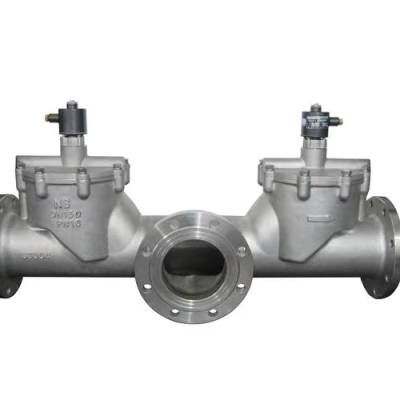


$37.24 - $50.00
MOQ: 1 Pieces

$44.20 - $60.00
MOQ: 1 Pieces


$1520.00 - $1950.00
MOQ: 1 Sets


$10.00 - $100.00
MOQ: 1 Pieces


Comprehensive Sourcing Guide
China Mainland Valve Sourcing Guide
Sourcing valves from China mainland manufacturers offers a strategic advantage for global procurement teams seeking scalable industrial components. The region hosts a dense ecosystem of suppliers specializing in fluid control solutions, ranging from basic household fixtures to complex hydraulic systems. Buyers benefit from established supply chains in key manufacturing hubs such as Ningbo and Jiangsu Province, where clusters of factories produce high volumes of carbon steel and iron-based products. This geographic concentration facilitates efficient logistics and reduces lead times for standard items, allowing procurement teams to maintain lean inventory levels while ensuring consistent supply continuity for ongoing operational needs.
However, the sheer volume of available listings requires disciplined filtering to identify reliable partners. The market includes diverse product types, including atmospheric valves, fixed ball valves, and hydraulic monoblock valves, each serving distinct functional requirements. Procurement professionals must navigate a wide price range, observed from minimal entry-level costs to premium industrial-grade units, to align purchases with budget constraints. Understanding the specific material compositions, such as carbon steel bodies or iron constructions, is essential for matching valve performance with the intended media, whether it involves water distribution, oil handling, or general industrial applications.
Product Scope and Observed Listing Signals
The current market landscape reveals a broad spectrum of valve technologies tailored for varied operational environments. Listings frequently highlight atmospheric valves and fixed ball valves constructed from carbon steel, designed for straight-through flow channels and manual driving modes. These components are often specified for household, industrial, and water industrial usage, indicating their versatility in both domestic plumbing and larger-scale facility management. The presence of models like the DW-FS002 suggests a focus on standardized dimensions, typically ranging from DN20 to DN40, which are critical for compatibility with existing piping infrastructure in residential and light commercial settings.
Beyond standard water valves, the scope extends to specialized hydraulic and pressure control equipment. Hydraulic monoblock valves, such as the GRH-valve series, demonstrate the capability to handle oil media with specific flow rates, such as 45 liters per minute, under hydraulic power operation. These units often feature self-operated mechanisms and come with warranty provisions, signaling a higher tier of industrial reliability. Additionally, forging gate valves and regulators appear in the catalog, emphasizing custom drawing capabilities and robust construction methods. This diversity allows buyers to source comprehensive fluid control solutions from a single regional market, reducing the complexity of managing multiple supplier relationships for different valve types.
Technical Specifications to Verify
Verifying technical specifications is paramount to ensuring valve compatibility with existing systems. Buyers must confirm the connection forms, such as male thread to PE pipe interfaces or internal thread modes, to prevent installation failures. The nominal pressure ratings, observed in ranges like PN1.0-32.0MPa, dictate the operational limits of the valve and must align with system pressure requirements. Temperature ratings, often categorized as normal or ordinary temperature, further define the suitable operating environment, ensuring that materials do not degrade under thermal stress. Detailed attention to these parameters prevents costly retrofits and ensures long-term system integrity.
Material composition and structural design also require rigorous verification. Carbon steel and iron body materials offer durability but must be evaluated against corrosion risks specific to the media being handled. For hydraulic applications, verifying the flow capacity and power source, such as hydraulic versus manual operation, is essential for performance matching. Customization availability allows for tailored solutions, but buyers must provide precise drawings or specifications to manufacturers. Confirming the exact model numbers, such as AC or regulator variants, helps in sourcing replacement parts and maintaining consistency across multiple installations, reducing maintenance complexity over the product lifecycle.
Compliance and Safety Documentation
Compliance with international and regional standards is a critical component of the procurement process. Certifications such as CE, ISO, CCC, and CCCF indicate adherence to specific safety and quality benchmarks. For instance, the GB8013-2005 standard suggests compliance with Chinese national requirements for certain valve types, which may be relevant for domestic projects or exports requiring specific regulatory alignment. Buyers should request valid certification documents to verify that the products meet the legal requirements of their destination markets. This due diligence mitigates legal risks and ensures that the valves can be legally installed and operated in regulated environments.
Safety documentation extends beyond certifications to include material safety data and operational guidelines. For valves handling oil or high-pressure media, understanding the pressure relief mechanisms and structural integrity is vital. The presence of DOT certification for certain forged components highlights adherence to transportation and safety regulations for pressurized vessels. Procurement teams should ensure that suppliers provide comprehensive technical manuals and safety warnings. This documentation aids in proper installation and operation, reducing the risk of accidents and ensuring that the valves perform reliably under specified conditions, thereby protecting both personnel and infrastructure.
Cost Drivers and Commercial Terms
Cost structures in the Chinese valve market are influenced by material prices, manufacturing complexity, and order volume. The observed minimum order quantities (MOQ) range from 1 to 50,000 units, offering flexibility for both small-scale projects and large industrial contracts. Higher MOQs typically correlate with lower unit prices, making bulk purchasing advantageous for standardized items like atmospheric or ball valves. However, customized solutions, such as forging gate valves made per specific drawings, may incur higher setup costs and longer lead times. Buyers should negotiate pricing based on volume commitments and clarify whether costs include packaging, such as poly bags, inner boxes, or wooden packages, which can impact total landed costs.
Commercial terms also encompass warranty provisions and payment structures. Many hydraulic and industrial valves come with a one-year warranty, providing a safety net against early failures. Buyers should clarify the scope of this warranty, including coverage for manufacturing defects versus operational damage. Payment terms, such as letters of credit or advance payments, should be aligned with the supplier’s reputation and order size. Understanding the total cost of ownership, including maintenance and potential replacement parts, is essential for accurate budgeting. Transparent communication regarding these terms helps in avoiding hidden costs and ensures a fair commercial relationship.
Supplier Qualification and Quality Control
Supplier qualification involves assessing manufacturing capabilities and quality management systems. Factories in regions like Jiangsu Province and Ningbo often possess established production lines for various valve types. Buyers should verify the supplier’s ability to handle custom orders, as indicated by the availability of customization services. Quality control processes, including material testing and pressure testing, should be documented and accessible. Suppliers providing certifications like ISO 9001 demonstrate a commitment to standardized quality management, although buyers must verify the current validity of these certificates. Engaging with suppliers who have transparent quality control protocols reduces the risk of receiving substandard products.
Inspection and auditing are critical steps in the qualification process. Buyers may conduct factory audits or hire third-party inspection agencies to verify production practices and final product quality. For high-volume orders, pre-shipment inspections are recommended to ensure that the delivered goods match the agreed specifications. Checking the packaging methods, such as bubble wrap, plywood boxes, or pallets, ensures that products arrive without damage. Establishing a clear communication channel for addressing quality issues is also vital. A reliable supplier will have a responsive customer service team capable of handling complaints and providing timely resolutions, ensuring a smooth procurement experience.
Long-Term Procurement Checks
Long-term procurement success depends on continuous supplier performance monitoring and relationship management. Regular reviews of delivery times, product quality, and after-sales support help identify potential issues early. Buyers should track key performance indicators, such as defect rates and response times to technical queries. Maintaining open communication with suppliers fosters collaboration and can lead to improved product offerings or better pricing over time. For customized valves, periodic re-evaluation of specifications ensures that the products remain aligned with evolving operational needs. Building a strong partnership with reliable suppliers can result in preferential treatment and priority support during peak demand periods.
Adapting to market changes and technological advancements is also essential for long-term procurement strategies. The valve industry is subject to regulatory updates and material innovations, requiring buyers to stay informed about industry trends. Regularly updating supplier databases and exploring new manufacturers can provide competitive advantages and mitigate supply chain risks. Buyers should also consider sustainability practices, such as energy-efficient manufacturing processes or recyclable packaging, which are increasingly important in global procurement. By maintaining a proactive approach to supplier management and market analysis, procurement teams can ensure a resilient and efficient supply chain for their valve requirements.
FAQs
What materials are used for China Mainland Valve bodies?
The valve bodies are constructed from carbon steel and iron materials. These durable components ensure reliability for water and oil media applications in both household and industrial settings.
Which connection forms are available for these valves?
Available connection forms include straight through type, male thread, and internal thread configurations. Specific models support connections like male thread to PE pipe for versatile installation needs.
Can I find valves with CE and ISO certifications?
Yes, many products carry CE, ISO, CCC, and GS certifications. These standards ensure compliance with safety and quality requirements for various industrial applications and international trade regulations.
What is the nominal pressure range for these valves?
The nominal pressure ranges from PN1.0 to 32.0 MPa. This wide range supports diverse operational requirements for water industrial usage and other high-pressure fluid control systems.
How are these valves packaged for shipping?
Packaging options include poly bags, inner boxes, cartons, and pallets. Some specialized items use bubble wrap with plywood boxes or wooden packages after mandatory treatment for safe transport.
Where are these valves manufactured in China?
Manufacturing origins include Ningbo and Jiangsu Province in China. These locations serve as key production hubs for various valve types including hydraulic monoblock and forging gate valves.
What customization options are available for buyers?
Customization is available for specific product requirements and drawing specifications. Buyers can request tailored solutions for forging gate valves and other specialized models to meet unique project needs.